
Sauces & Condiments
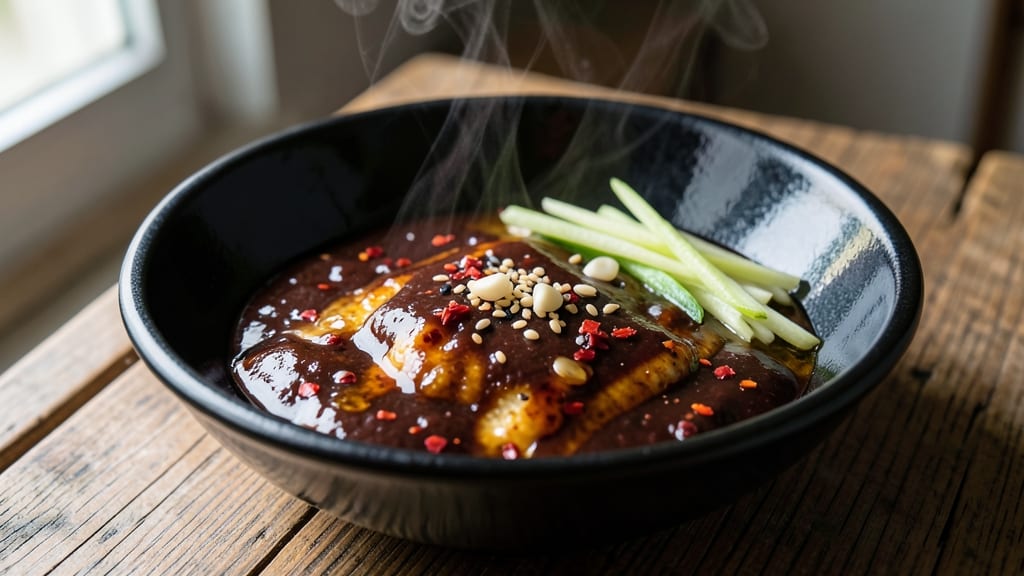
This Asian BBQ wing sauce recipe delivers the perfect balance of smoky-sweet depth with a fermented complexity that transforms ordinary wings into restaurant-worthy bites. 🔥 The secret lies in simmering soy sauce, hoisin, and honey until thickened—creating a glaze that clings beautifully while adding layers of umami and caramelized richness. I developed this after years of experimenting with Asian-inspired rubs, and it's become my go-to for crispy, sticky wings with every bite.
The sauce builds flavor through a slow reduction process, where garlic, ginger, and chili mellow into the base while vinegar brightens the finish. What makes it special is the hidden depth from fermented ingredients—hoisin and soy sauce—that add complexity without overpowering.
This isn't just another sweet-and-spicy glaze; it's a sauce that evolves as it simmers, developing a smoky aroma that fills your kitchen and makes your taste buds sing.
What you'll end up with is a glossy, sticky sauce that's perfect for tossing with cooked wings—whether baked, grilled, or air-fried. The texture is just thick enough to coat without being cloying, and the flavor profile balances sweet, salty, and spicy notes in every drizzle.
The key is patience during the simmering process; letting it reduce slowly ensures maximum flavor concentration and a sauce that's rich enough to stand alone as a dipping sauce.
For those who love customization, this recipe easily adapts to spicier or sweeter preferences. Add extra chili for heat, more honey for sweetness, or a splash of rice vinegar for tang.
Store any leftovers in the fridge for up to a week, or freeze for longer shelf life. Let's make this sauce!
Ingredients for asian bbq wing sauce
Nine ingredients, one sauce that makes wings unforgettable—smoky, sweet, and packed with umami.
| Ingredient | Amount | Notes |
|---|---|---|
| Soy Sauce 🍶 | ½ cup | Light or dark variety preferred |
| Hoisin Sauce 🍶 | ⅓ cup | Authentic for fermented depth |
| Honey 🍯 | ⅓ cup | Wildflower for floral notes |
| Garlic Cloves 🧄 | 4 cloves | Minced for aromatic base |
| Fresh Ginger 🌿 | 2 tbsp | Finely grated, vibrant |
| Red Chili Flakes 🌶️ | 1 tbsp | Adjust for heat preference |
| Rice Vinegar 🍶 | 1 tbsp | Brightens the finish |
| Sesame Oil 🫒 | 1 tbsp | Toasted for nutty aroma |
| Extra-Virgin Olive Oil 🫒 | 1 tbsp | For glossy texture |
| Salt 🧂 | 1 tsp | Kosher or sea salt |
The soy sauce and hoisin are the heart of this recipe—look for authentic brands at Asian markets like Lee Kum Kee or Hoisin King. The honey should be wildflower or clover for that floral depth. Fresh ginger is a must (the dried stuff just doesn't cut it here), and if you're feeling fancy, grab a microplane to get those fine, vibrant shreds. Red chili flakes? Trader Joe's has a great one that's not too dusty. For the sesame oil, Kadoya
No hoisin? Substitute with 1 tbsp extra soy sauce plus 1 tbsp molasses—it won't be identical, but it'll get you close. Short on honey? Maple syrup works in a pinch, though it adds a slightly earthier note. The rice vinegar can be swapped for apple cider vinegar, but you'll lose that delicate Asian tang. Sesame oil missing? Toasted peanut oil adds a similar richness. For the chili, if you want more heat, add a dash of sriracha or gochujang. And if you're making a big batch, double everything—this sauce keeps beautifully for up to 2 weeks in the fridge. This sauce tastes even better the next day as the flavors meld. Store it in an airtight container in the fridge, and it'll stay vibrant for up to 2 weeks. For longer storage, freeze in ice cube trays—perfect for single-use portions. If it thickens too much when refrigerated, just stir in a splash of water or a little more rice vinegar. And trust me, make extra—you'll want to slather it on everything, not just wings.
Why You'll Love This Recipe
- Five-Ingredient Magic: I swear by this combo—soy, hoisin, honey, garlic, and ginger. That’s it. No fancy pantry trips, no measuring cups to stress over. Honestly, I keep this bottle in my fridge because it’s the closest thing to takeout flavor without the delivery fee.
- Sweet-Savory Balance: The honey cuts through the saltiness while the ginger adds that bright, zesty kick. Between us, that first bite of crispy wings with this sauce is the reason I keep a stash in my freezer. My kids fight over the last few—no joke.
- Game for Any Night: Toss it on wings, drizzle it over rice bowls, or slather it on grilled chicken. I’ve even used it as a marinade for tofu. The point? It’s my secret weapon for when I’m too tired to plan but still want flavor. (Yes, even on a Tuesday night.)
- Leftovers That Don’t Suck: This sauce keeps for weeks in the fridge, and it only gets better as the flavors meld. I double the batch because I’ll inevitably forget it’s there until I’m scrambling for a last-minute appetizer. Plus, it’s cheap—like, $3 cheap—and stretches forever.
Step-by-step instructions for Asian BBQ wings sauce
Here's how to blend bold flavors into a sticky, aromatic glaze perfect for wings.
🍳 Step 1: Bloom the Aromatics in Oil
Heat a small saucepan over medium-low heat and add the 1 tablespoon extra-virgin olive oil. Let it warm for 30 seconds until shimmering—this prevents burning when you add the raw garlic. Add the 4 minced garlic cloves and 2 tablespoons finely grated fresh ginger, stirring constantly.
Cook for 2-3 minutes until the garlic turns golden and fragrant but doesn't brown. You'll smell that sweet, pungent aroma—this is where the sauce gets its complex depth. Remove from heat immediately to preserve those fresh flavors, then set aside. If you let it cook too long, the garlic will turn bitter and overpower the sauce.
🍳 Step 2: Build the Sauce Base
Return the pan to medium heat and add the 0.5 cup soy sauce and 0.33 cup hoisin sauce. Stir to combine, then add the 0.33 cup honey and 1 tablespoon rice vinegar. Bring to a gentle simmer, then reduce heat to low and let it cook for 5 minutes.
This is where the magic happens—the soy sauce deepens, the hoisin adds its fermented richness, and the honey begins to dissolve into a glossy syrup. Stir occasionally to prevent sticking, and watch for bubbles forming around the edges. The sauce should thicken slightly but still be pourable—if it gets too thick, you can thin it later with a splash of water.
🔥 Step 3: Add Heat and Finish with Oil
Lower the heat to lowest setting and stir in the 1 tablespoon red chili flakes and 1 teaspoon salt. Let it simmer for another 2 minutes to distribute the heat evenly. Remove from heat and stir in the 1 tablespoon sesame oil—this adds that nutty, toasty aroma that ties everything together.
Here's the thing—sesame oil should be added last because it has a low smoke point. If you add it too early, it can burn and make the sauce taste bitter. The sauce should now have a thick, glossy consistency with a balance of sweet, salty, umami, and just a hint of heat. Taste and adjust seasoning if needed—you might want to add a bit more honey for sweetness or a pinch more salt for depth.
⏰ Step 4: Rest and Thicken (Don't Skip!)
Transfer the sauce to a bowl and let it cool for 10 minutes at room temperature. This resting period allows the flavors to meld and the sauce to thicken naturally. If it's still too thin after resting, return it to low heat and simmer for another 2-3 minutes to reduce further.
For the best results, use this sauce immediately on wings that have been baked or grilled to 165°F internal temperature. The residual heat from the wings will help the sauce cling beautifully, creating that signature sticky glaze. If you need to store it, keep it in an airtight container in the fridge for up to 2 weeks, or freeze for up to 3 months. Just reheat gently before using to maintain the perfect consistency.
Pro Tips For Making Asian Bbq Wing Sauce
- Mince Garlic Fine: I learned this the hard way—chopping garlic cloves into visible chunks makes your sauce taste uneven. Use a knife or the flat side of your knife to smash them first, then finely mince. This ensures every bite of your wings gets that deep, consistent garlic punch.
- Simmer Low and Slow: After burning three batches, I finally figured out that medium-low heat is your friend here. A fast boil reduces the sauce too quickly, making it cloyingly sweet. Keep it at a gentle simmer—just enough to see tiny bubbles—and let the flavors meld for 10-12 minutes.
- Peel Ginger Before Grating: Sounds weird, but it works: peel the ginger before grating it. The skin’s bitterness sneaks into the sauce if you skip this step, and no one wants a sauce that tastes like a medicine cabinet. A microplane works best—no need to overthink it.
- Balance Honey Last: I skip this when I’m lazy, but the dish is noticeably better when I don’t: add the honey after the sauce has simmered for 8-10 minutes. This lets the garlic and ginger mellow out first, so the sweetness doesn’t overpower. Stir in the last 2 minutes—just enough to coat.
Creative variations of this dish
Spicy Thai-Inspired Twist
For a Thai-inspired kick, swap the red chili flakes for 1 tbsp chili garlic sauce (like Sriracha) and add 1 tsp fish sauce to deepen the umami.
Stir in 1 tsp lime juice at the end for brightness. This version shines on crispy fried wings—trust me, the tangy heat is unforgettable. 🌶️
Sweet & Sticky Korean Style
Transform this into a Korean-inspired sauce by replacing the rice vinegar with 1 tbsp gochujang (Korean chili paste) and adding 1 tbsp toasted sesame seeds at the end.
For extra richness, stir in 1 tbsp melted butter after simmering. This version works perfectly on grilled or air-fried wings with a crispy exterior.
Umami Bomb with Miso
Boost the fermented depth by adding 1 tbsp white miso paste to the sauce base before simmering. The miso adds a savory complexity that pairs beautifully with the honey and hoisin.
For extra texture, finish with 1 tsp toasted sesame seeds and a drizzle of extra sesame oil before serving. This version is a crowd-pleaser at any BBQ gathering.
Sweet Chili Glaze
For a sweeter, fruitier profile, replace the honey with ½ cup sweetened condensed milk and add 1 tsp grated lime zest. This version is perfect for dipping or drizzling over wings that have been baked to a golden crisp.
The sweetness balances the heat beautifully, making it ideal for those who prefer a milder sauce. 🍯
Smoky Chipotle Fusion
Add a smoky depth by incorporating 1 tsp adobo sauce (from canned chipotles) into the sauce base. For extra richness, stir in 1 tbsp smoked paprika and a pinch of ground cumin.
This fusion brings a smoky, slightly spicy kick that pairs exceptionally well with grilled wings. The adobo sauce adds a subtle heat that lingers without overpowering the other flavors.
Nutrition facts
Frequently asked questions
Can I make this sauce without hoisin sauce?
For a quick substitute, mix 1 tablespoon extra soy sauce with 1 tablespoon molasses to mimic hoisin's sweet-savory depth. The sauce will be slightly different but still delicious. If you're making a big batch, consider buying a small jar of authentic hoisin from an Asian market—it makes a noticeable difference in flavor complexity.
How spicy should the sauce be?
The recipe starts with 1 tablespoon red chili flakes, which gives a mild heat that's balanced by the sweetness. For extra kick, add ½ teaspoon cayenne pepper or 1 teaspoon gochujang. If you prefer a milder sauce, reduce the chili flakes to ½ tablespoon or omit them entirely. The sauce is designed to be versatile—adjust to your heat tolerance!
Can I use this sauce on other foods besides wings?
This versatile sauce works beautifully on grilled meats, tofu, spring rolls, or even as a dipping sauce for fries or rice. The sticky, umami-rich glaze clings well to crispy textures and adds depth to any dish. Try it on shrimp skewers or as a marinade for chicken thighs—it's a game-changer for Asian-inspired flavors!
Why does my sauce get too thick when I refrigerate it?
This is normal! The sauce thickens as it cools. To fix it, simply stir in 1-2 teaspoons warm water or rice vinegar until it reaches your desired consistency. For a smoother texture, reheat gently on low heat while stirring. If you prefer a thicker sauce, simmer it longer during cooking—just remember it'll thicken even more when chilled.
Can I make this sauce in a slow cooker?
Yes, but with adjustments. Combine all ingredients in your slow cooker on low heat for 3-4 hours, stirring occasionally. The sauce may need more reduction time—simmer it on the stove for 5-10 minutes after to achieve the right consistency. Keep an eye on it to prevent burning, as slow cookers can make sauces too thick if left unattended.