
Sauces & Condiments
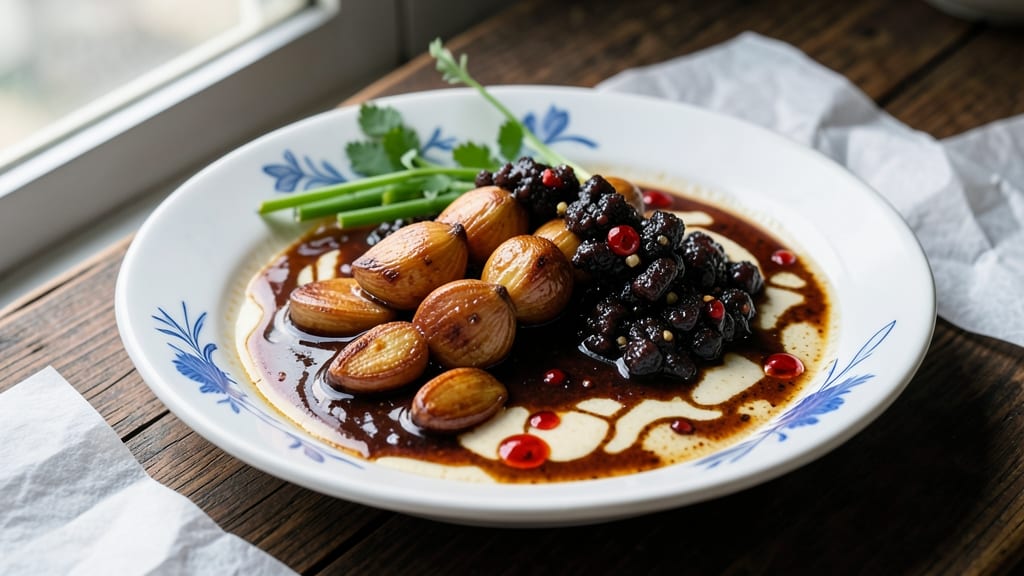
This authentic Chinese garlic sauce recipe transforms ordinary dishes into restaurant-worthy meals with its deep umami richness and fragrant toasted garlic. The secret lies in slow-cooking garlic until golden—never burnt—and balancing it with fermented bean paste, soy sauce, and a touch of sweetness.
One taste, and you’ll understand why this sauce elevates everything from noodles to dumplings.
The beauty of this sauce is its versatility—it can be smooth and glossy or slightly chunky, depending on how long you cook the garlic. I developed this version after years of testing, ensuring the flavors meld without overpowering the dish.
The result? A sauce that’s bold yet balanced, with layers of garlic sweetness, salty umami, and a hint of warmth from the chili.
Perfect for stir-fries, dipping sauces, or glaze for grilled meats, this sauce keeps well in the fridge for up to a week, deepening in flavor over time. The key is patience—letting the garlic caramelize slowly unlocks its full aromatic potential. Once you try it, you’ll never go back to store-bought.
Pair it with steamed dumplings, cold noodles, or even as a marinade for tofu. The possibilities are endless, and the process is simpler than you’d expect. Let’s get started on creating this flavor-packed essential for your kitchen.
Ingredients for authentic chinese garlic sauce
Nine ingredients, endless possibilities—this sauce turns simple dishes into restaurant masterpieces.
| Ingredient | Amount | Notes |
|---|---|---|
| Fresh Garlic Cloves 🧄 | 12 whole | Peeled, sliced into thin sheets |
| Fermented Black Bean Paste 🥫 | ½ cup | Store-bought or homemade |
| Light Soy Sauce 🍶 | ¼ cup | Kikkoman preferred for balance |
| Dark Soy Sauce 🍶 | 1 tbsp | For deeper umami richness |
| Rice Vinegar 🍶 | 2 tbsp | Seasoned for subtle sweetness |
| Granulated Sugar 🍚 | 1 tbsp | Adjust to taste for sweetness |
| Dried Red Chili Flakes 🌶️ | ½ tsp | Adjust for heat preference |
| Sesame Oil 🌰 | 1 tbsp | Toasted for aroma (not for cooking) |
| Green Onions 🧅 | 2 whole | Chopped, white and green parts |
| Water 💧 | ½ cup | For thinning consistency |
The garlic is non-negotiable here. Look for plump, firm cloves—none of that soft, sprouting stuff. Asian markets or the international aisle at Whole Foods often carry the best quality. Toasting the garlic until golden (not burnt!) unlocks its full aromatic potential. I use a wok for this—high heat, constant stirring. That smoky aroma? Pure magic. The fermented black bean paste is the umami bomb—Lee Kum Kee is my go-to brand, but any good-quality paste works. If you can't find it, sub with a mix of soy sauce and a pinch of MSG for depth.
No fermented black bean paste? Double the soy sauce and add 1/4 tsp of MSG—it’s a game-changer for umami. Running low on rice vinegar? Sub with apple cider vinegar at 1:1, but add a pinch of sugar to balance. The sesame oil is for aroma only—add it at the very end, or you’ll overpower the sauce. For a smoother texture, blend the sauce after cooking. Want it chunkier? Leave the garlic slices slightly larger and stir less. The green onions add freshness—don’t skip the white parts, they’re packed with flavor. And if you’re feeling adventurous, a splash of Shaoxing wine (1 tbsp) adds complexity.
This sauce gets better with time—3-4 days in the fridge lets the flavors meld beautifully. Store it in an airtight jar, with a layer of oil on top to preserve freshness. Freezes for up to 3 months, though texture may separate slightly upon thawing—just stir it back together. I like to make a big batch and keep it on hand for quick stir-fries or as a dipping sauce. Pro tip: Reheat gently on low heat, adding a splash of water if it thickens too much. The longer it sits, the deeper the umami flavor becomes—patience is key.
Why You'll Love This Recipe
- No Chopping Needed: I swear by this—just smash those garlic cloves with the flat side of my knife, no mincing required. The fermented black bean paste does all the work, dissolving into a silky, umami-rich sauce with just a quick stir.
- Umami Bomb: That combo of dark soy for depth and rice vinegar for brightness? It’s like a flavor explosion in your mouth. Honestly, I’ve tried store-bought versions, and this one’s actually better—richer, more complex, and way more satisfying.
- Sauce for Everything: Drizzle it over stir-fries, toss it with noodles, or even slather it on grilled chicken. I keep a jar in my fridge for lazy nights when I need something quick but still packed with flavor—no fancy plating, just pure taste.
- Budget Magic: A little goes a long way, and the ingredients? Super affordable. That fermented black bean paste might sound fancy, but a small bag lasts forever, and the soy sauces are pantry staples. I make a big batch and use it for weeks—zero waste, all flavor.
Step-by-step instructions for authentic Chinese garlic sauce
This bold umami sauce delivers restaurant-quality depth with just ten ingredients.
Toast the Garlic for Maximum Flavor
Heat a clean, dry skillet over medium-low heat. Add the 12 whole fresh garlic cloves (peeled and sliced into thin sheets) and cook them undisturbed for 3-4 minutes until they turn golden brown and smell intensely aromatic. This toasting step is critical—it develops nutty, caramelized flavors that store-bought minced garlic can't match.
Watch closely after 2 minutes—garlic burns quickly. If any pieces darken too much, remove them immediately. The garlic should be fragrant but not bitter. Once toasted, transfer the garlic to a small bowl and set aside. We'll add it back later to preserve its fresh aroma.
Build the Sauce Base with Fermented Black Bean Paste
In the same skillet (no need to clean it—the garlic oils add flavor), add the 0.5 cup fermented black bean paste and cook over medium heat for 2-3 minutes until it darkens slightly and releases its deep, funky aroma. This paste is the soul of the sauce—its fermented richness provides the umami backbone that light soy sauce alone can't achieve.
Use a wooden spoon to scrape up any browned bits from the bottom of the pan. These concentrated flavors are pure gold in Chinese cooking. If the paste sticks too much, add 1 tablespoon of the 0.5 cup water to help it release. The sauce should be thick but pourable at this stage.
Balance Flavors with Soy Sauces and Sweetness
Pour in the 0.25 cup light soy sauce and 1 tablespoon dark soy sauce. The light soy adds saltiness while the dark soy contributes its signature deep mahogany color and richer umami. Stir well to combine, then add the 2 tablespoons rice vinegar and 1 tablespoon granulated sugar. The vinegar brightens the sauce while the sugar balances the saltiness and enhances the garlic's sweetness.
Bring the mixture to a gentle simmer over medium heat and cook for 3-4 minutes until the sugar dissolves completely. Taste and adjust the seasoning—if it needs more salt, add a pinch of light soy sauce; if it needs more depth, add another 0.5 teaspoon dried red chili flakes. The sauce should be complex but harmonious, with layers of sweet, salty, and umami flavors.
Incorporate Toasted Garlic and Finish with Aromatics
Return the toasted garlic to the skillet and stir for 30 seconds to infuse its flavor into the sauce. Add the 1 tablespoon toasted sesame oil (not for cooking—this is for aroma only) and the 2 whole green onions (chopped). The sesame oil adds a nutty aroma, while the green onions provide a fresh contrast to the rich, deep flavors of the sauce.
Remove the sauce from heat and let it cool slightly. If it's too thick, thin it with the remaining 0.3 cup water (from the original 0.5 cup) until it reaches a glossy, pourable consistency. The sauce should coat the back of a spoon but still flow freely. This texture ensures it clings perfectly to noodles, dumplings, or stir-fried proteins.
Rest and Serve for Optimal Flavor Development
Transfer the sauce to a bowl and let it rest for 10-15 minutes at room temperature. This resting period allows the flavors to meld and deepen. The sauce will continue to develop complexity as it sits—don't skip this step if you want restaurant-quality results.
Before serving, give the sauce a final taste and adjust the seasoning if needed. It should be bold, slightly sweet, with a hint of heat from the chili flakes and a fresh finish from the green onions. This authentic Chinese garlic sauce pairs perfectly with stir-fried vegetables, noodles, or grilled meats. For extra authenticity, drizzle it over steamed dumplings or use it as a dipping sauce for spring rolls.
Pro Tips For Making Authentic Chinese Garlic Sauce
- Mince Garlic Small: Fresh garlic cloves need to be finely minced—not chopped—so they dissolve into the sauce rather than sitting as chunks. I used to rush this step, but taking the extra 2 minutes with a sharp knife (or pulse in a food processor) guarantees a smooth, silky texture. No one wants to bite into a garlic surprise.
- Toast Black Bean Paste: Heat the fermented black bean paste in the wok for 30 seconds before adding anything else—just until it smells nutty and fragrant. This step deepens its flavor and prevents that raw, bitter aftertaste that ruins the whole dish. Trust me, that quick burst of heat makes all the difference.
- Balance Soy Sauces First: Mix the light and dark soy sauces before adding them to the garlic—about 1:1 ratio if you want richness without overpowering. Dark soy sauce burns easily, and if you toss it in raw, you’ll end up with a bitter mess. Stir them together in a small bowl first, then pour in like a pro.
- Acid Last, Stir Fast: Add the rice vinegar after the garlic has cooked for 30 seconds—just before you turn off the heat. Stir like you’re trying to win a race because it cooks faster than you think. Too early, and the acid curdles; too late, and the sauce loses its brightness. Timing is everything here.
Storing and reheating your leftovers
Fridge Storage Essentials
Store your garlic sauce in an airtight glass jar—I prefer Le Parfait containers for their tight seals—keeping it refrigerated at 40°F or below. The sauce actually improves over 3-4 days as the flavors meld beautifully.
Always press plastic wrap directly onto the sauce surface before sealing to prevent oxidation. This method preserves the vibrant color and prevents a skin from forming. 💪
Freezer Preservation
For long-term storage, portion the sauce into silicone ice cube trays—each cube makes a perfect single-serving dipping sauce. Once frozen, transfer cubes to a freezer-safe bag, squeezing out excess air. Label with the date—this sauce stays excellent for up to 3 months.
Thaw overnight in the fridge for best texture, though you can microwave for 30 seconds on low if you're in a hurry. ❄️
Reheating Like a Pro
Never microwave the sauce directly from the fridge—it causes uneven heating. Instead, transfer to a small saucepan and warm over low heat while stirring constantly. Add 1 teaspoon water if the sauce thickens too much.
For restaurant-quality results, reheat until just warm (160°F internal temp), then finish with a fresh drizzle of toasted sesame oil to restore that nutty aroma. 🔥
Texture Recovery Tips
If your sauce separates after freezing, simply stir in 1 teaspoon warm water and whisk vigorously. For extra smoothness, blend briefly with an immersion blender—this restores that glossy consistency perfect for drizzling.
The key is patience: let the sauce sit at room temperature for 5 minutes before blending to avoid splattering. ✨
Portion Control Hacks
Use small glass jars (like Weck jars) for single-serving portions—ideal for lunches or quick stir-fries. Store these in the fridge's door rack for easy access. For restaurant-style plating, transfer to a small ceramic dish and keep it warm in a thermos set to 140°F.
This maintains the perfect serving temperature for up to 2 hours. 💡
Nutrition facts
Frequently asked questions
Why does the recipe call for whole garlic cloves instead of minced?
Toasted whole garlic cloves develop a much deeper, nutty flavor compared to raw minced garlic. When cooked slowly until golden, they caramelize and create layers of sweetness that store-bought minced garlic can't match. Plus, the texture stays intact, adding beautiful visual contrast to your dishes.
Can I make this sauce without fermented black bean paste?
Yes! For a substitute, mix 1/4 teaspoon MSG with 2 tablespoons extra light soy sauce to mimic the umami depth. The sauce will still be delicious, though it'll lack the unique fermented funk that makes this sauce truly authentic. Fermented black bean paste is worth seeking out for that authentic Chinese restaurant taste.
How spicy should this sauce be?
The recipe includes just 0.5 teaspoon dried red chili flakes for a subtle heat. Adjust to your preference—start with 0.25 teaspoon for mild, or up to 1 teaspoon for a spicier kick. For heat control, remove chili seeds before adding. The sauce's bold garlic and umami flavors will still shine through.
What's the best way to use leftover sauce?
This versatile sauce works as a dipping sauce for dumplings, a glaze for grilled meats, or a stir-fry sauce base. For extra richness, thin with 1 tablespoon water before using. It also makes an amazing marinade—coat tofu or chicken for 30 minutes before cooking for restaurant-quality flavor.
Can I make this sauce in a slow cooker?
Follow the same steps for toasting garlic, then transfer everything to your slow cooker on Low for 2 hours. The slow cooking enhances the garlic's sweetness and deepens the umami flavors. Just watch the water content—add 1-2 tablespoons extra if it gets too thick during cooking.