
Sauces & Condiments
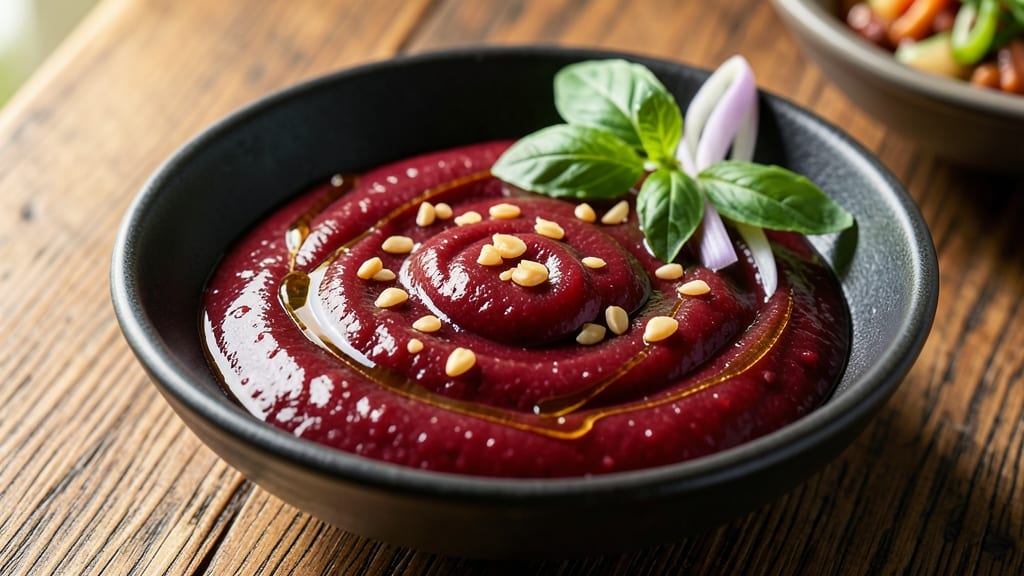
This Asian kick wing sauce recipe delivers the perfect balance of spicy, sweet, and umami that transforms ordinary wings into restaurant-quality bites. The secret lies in gochujang's deep garlic notes and the harmony of soy, vinegar, and honey—creating a glaze that's sticky, vibrant, and impossible to resist.
I developed this version after testing countless store-bought sauces that never quite hit the mark.
The sauce starts with a simple base of gochujang, soy sauce, and rice vinegar, then builds complexity with honey for sweetness and sesame oil for nutty depth. Fresh garlic and ginger add aromatic layers that elevate it beyond basic sweet-and-spicy profiles.
What makes this sauce special is how it clings to wings without overwhelming their natural flavor—just the right amount of heat to linger without burning.
Once mixed, this sauce doubles as a marinade or dipping sauce, making it versatile for game day, takeout nights, or meal prep. The ingredients come together in minutes, and it keeps well in the fridge for up to two weeks, ready to transform any protein into a crowd-pleaser.
The result? Wings with crisp edges, tender meat, and a glaze that's dangerously addictive.
For extra depth, let the sauce sit for 30 minutes before using—this allows the flavors to meld and intensify. Pair it with crispy fried wings, grilled chicken, or even tofu for a plant-based version.
The balance of spice and sweetness makes it universally appealing, whether you're feeding a crowd or treating yourself to a spicy snack.
Ingredients for asian kick wing sauce
Nine ingredients blend spicy, sweet, and umami for wings that taste like they came from an Asian street cart.
| Ingredient | Amount | Notes |
|---|---|---|
| Gochujang 🌶️ | ½ cup | Korean fermented chili paste for depth |
| Soy Sauce 🥢 | ⅓ cup | Use light or dark for balance |
| Rice Vinegar 🍶 | ¼ cup | White or seasoned variety |
| Honey 🍯 | ¼ cup | Wildflower for floral notes |
| Sesame Oil 🫒 | 1 ½ tbsp | Toasted for nutty aroma |
| Garlic Cloves 🧄 | 4 cloves | Freshly minced for aromatic punch |
| Fresh Ginger 🌿 | 1 ½ tbsp | Finely grated, not powdered |
| Water 💧 | ¼ cup | For thinning if needed |
| Sesame Seeds 🌰 | 1 tbsp | Toasted for garnish |
| Salt 🧂 | ½ tsp | Diamond Crystal preferred |
Gochujang is the heart of this sauce—Maesil Gochujang from Korean markets adds fruity depth, while the standard red version delivers classic heat. Trader Joe's carries a solid version if you can't find a specialty store. Fresh garlic and ginger are non-negotiable here; peeling and mincing them just before mixing releases the most aroma. The honey should be liquid—avoid crystallized unless you warm it gently. For soy sauce, Kikkoman light soy gives subtle sweetness, while dark soy adds smokiness. Buy sesame oil in small bottles; once opened, it loses flavor quickly.
No gochujang? Substitute 2 tbsp sriracha plus 1 tbsp tomato paste for heat, though you'll lose that fermented depth. Stuck with powdered ginger? Use half the amount, but toast it first in a dry pan for 30 seconds to wake up the flavor. The sauce needs to be sticky—if it's too thick after mixing, add water 1 tbsp at a time. For extra umami, swap 1 tbsp soy sauce for fish sauce (though skip this for vegetarian versions). The sesame seeds are purely decorative, but toasting them in a dry pan for 1 minute before adding amplifies their nutty aroma.
This sauce keeps for 2 weeks in an airtight container in the fridge, with flavors actually improving as they meld. For longer storage, portion into ice cube trays, freeze, then transfer to a bag—perfect for game day or meal prep. If the sauce separates, just stir vigorously before using. The glaze works best on hot, crispy wings, so keep them warm while tossing. Double the batch if feeding a crowd; it disappears fast.
Why You'll Love This Recipe
- Five-Ingredient Magic: I swear, this sauce comes together faster than I can say "where’s the honey?"—just stir, taste, adjust. No fancy techniques, no waiting for reductions, just you, a bowl, and a spoon.
- Umami Bomb: That first spoonful of gochujang and soy sauce hits like a flavor grenade—sweet, salty, with a slow-building heat that lingers. Honestly, I’ve made it on everything from wings to fries, and it never gets old.
- Game for Any Meal: Slather it on takeout, toss it in stir-fries, or drizzle it over rice bowls—this stuff works hard. Between us, I’ve even used it as a quick marinade when I forgot to plan ahead.
- Pantry Goldmine: No fresh ingredients? No problem. The gochujang and sesame oil give it depth, while rice vinegar and honey keep it bright and balanced. I’ve made a whole batch for $3 and still had leftovers for a week.
Step-by-step instructions for Asian kick wing sauce
This sauce delivers perfect balance—spicy heat, sweet depth, and aromatic complexity—every time.
Combine Wet Ingredients for Base Flavor
In a medium saucepan over medium heat, whisk together the 0.5 cup gochujang, 0.33 cup soy sauce, and 0.25 cup rice vinegar. Let the mixture simmer for 2-3 minutes until it begins to thicken slightly and the gochujang's deep red color becomes more vibrant. This step develops the foundational flavors while allowing the gochujang to bloom and release its natural umami depth.
Real talk: don't rush this part. The gochujang needs time to meld with the soy sauce and vinegar. You'll notice the mixture darken and smell richer—this is your cue that the base is ready for the next ingredients. If you taste it now, you'll get a preview of the final sauce's complexity, though it'll still need sweetness and aromatic elements.
Add Sweetness and Aromatics
Reduce heat to low and stir in the 0.25 cup honey, 1.5 tbsp sesame oil, 4 cloves minced garlic, and 1.5 tbsp grated fresh ginger. Let the mixture simmer for another 3-4 minutes, stirring occasionally, until the honey dissolves completely and the garlic and ginger become fragrant. The sauce should now have a glossy sheen and a more balanced flavor profile.
Here's where it gets interesting—the honey not only sweetens but also helps emulsify the sauce, preventing separation later. The garlic and ginger will infuse their aromatic oils into the mixture, creating that signature depth that makes this sauce stand out. Stir gently to avoid splattering from the sesame oil, which can burn easily at higher temperatures.
Thin and Finish the Sauce
Add the 0.25 cup water and 0.5 tsp salt, then increase heat to medium-low. Let the sauce simmer for 5-7 minutes, stirring frequently, until it reaches your desired consistency. For wings, you want a thick, glaze-like texture that clings beautifully without being syrupy. If it thickens too much, add a splash of water 1 tablespoon at a time until smooth.
The sauce is ready when it coats the back of a spoon and has a perfect balance of spicy, sweet, and savory notes. Taste and adjust seasoning if needed—you might want to add a touch more soy sauce for saltiness or honey for sweetness. This is also when the garlic's subtle heat and ginger's warmth should be fully integrated, creating that "hidden depth" promised in the title.
Toast Sesame Seeds for Garnish
While the sauce simmers, dry-toast the 1 tbsp sesame seeds in a small skillet over low heat for 2-3 minutes, stirring constantly, until they turn a rich golden brown and release their nutty aroma. Remove from heat immediately to prevent burning. These toasted seeds will add a final layer of texture and aroma to your finished sauce.
Don't skip this step—the toasted sesame seeds provide a visual pop and a crunchy contrast to the smooth sauce. Their aroma will also enhance the overall complexity of the dish. Once toasted, let them cool slightly before sprinkling over the finished sauce or wings. The seeds should be fragrant and nutty, not bitter or burnt.
Pro Tips For Making Asian Kick Wing Sauce
- STIR CONSTANTLY AT FIRST: The first 30 seconds of mixing gochujang and honey are where the sauce either becomes a smooth, glossy glaze or a lumpy mess. I learned this the hard way—when I walked away to grab a drink, the gochujang’s natural thickness turned my sauce into a stubborn paste. Keep a wooden spoon moving until the honey fully incorporates, then ease up.
- USE COLD SESAME OIL: Drizzle sesame oil in last, straight from the fridge. I was skeptical until I tried it—adding it warm or straight from the pantry makes the sauce smell amazing but taste bitter. A few drops of cold oil at the end keeps that nutty aroma bright without overpowering the sweet-spicy balance.
- DILUTE THE VINEGAR: Skip the straight rice vinegar shot—mix it 50/50 with water first. The acidity in undiluted vinegar can make the gochujang taste harsh, especially if you’re using a thicker brand. This small step smooths out the flavor without watering down the sauce.
- TEMPER THE HEAT: If the sauce feels too fiery, add a splash of soy sauce before tasting again. The salt in the soy mellows the gochujang’s heat more effectively than extra honey or vinegar. I used to reach for sweetness first, but salt is the real game-changer here.
Storing and reheating your asian kick wing sauce
Fridge Storage Tips
Store your Asian kick wing sauce in an airtight glass container—I prefer Pyrex with a snap-on lid—and keep it refrigerated at 40°F or below for up to 2 weeks.
The flavors actually deepen over time as the gochujang and honey meld together, creating an even more complex sauce. When you're ready to use it, give it a good stir since the sesame oil may rise to the top. 🥫
Freezer Prep
For longer storage, portion the sauce into ice cube trays and freeze. Once solid, transfer the cubes to a ziplock freezer bag, squeezing out excess air to prevent freezer burn.
This method works perfectly for game day prep—just thaw a few cubes in the fridge overnight or toss them directly into a warm pan to melt. The texture may slightly thicken after freezing, so add 1-2 teaspoons of water when reheating. ❄️
Reheating Sauce
For the best results, reheat the sauce in a small saucepan over low-medium heat, stirring constantly until it reaches 165°F. Add 1 tablespoon of water if it thickens too much during reheating.
If you're in a hurry, microwave it in 30-second intervals, stirring between each, until fully warmed through. The sauce should maintain its glossy texture and vibrant color—just like when you first made it. 🔥
Reviving Stale Sauce
If your sauce has separated or thickened too much in storage, don't toss it! Simply add 1-2 teaspoons of water and warm it gently on the stovetop, stirring constantly. For extra richness, stir in ½ teaspoon of toasted sesame oil to restore that nutty aroma.
The sauce should return to its perfect glaze-like consistency, ready to transform your wings or proteins once again. 💫
Sauce on Wings
When reheating sauce for wings, keep them warm in a 200°F oven while you toss them in the sauce. The residual heat ensures the glaze sets beautifully without making the wings soggy.
For extra crispiness, broil the wings for 1-2 minutes after tossing in the sauce. This creates that perfect contrast of crispy edges and tender meat with a sticky, flavorful glaze. 🍗
Versatile Uses
This sauce isn't just for wings—use it as a marinade for grilled chicken or tofu, a dipping sauce for spring rolls or dumplings, or even a glaze for roasted vegetables.
The key is to keep the sauce warm when applying it to ensure it sticks and caramelizes properly. For best results, let the sauce sit at room temperature for 10 minutes before using to restore its ideal consistency. 🌟
Nutrition facts
Frequently asked questions
Can I make this sauce without gochujang?
Yes, but you'll lose some depth. Replace 0.5 cup gochujang with 2 tbsp sriracha plus 1 tbsp tomato paste for heat, or 1 tbsp chili flakes + 1 tbsp soy sauce for a milder version. The honey and vinegar will still create sweet-tangy balance, though the sauce will taste more basic. For extra umami, add 1 tsp fish sauce (skip for vegetarian versions).
How spicy is this sauce and can I adjust it?
The heat comes from gochujang and garlic—mild to medium on the Scoville scale. For less spice, reduce gochujang to 0.33 cup or add 1 tsp sugar to balance. For extra kick, stir in 1 tsp gochugaru (Korean chili flakes) or ½ tsp cayenne. Always taste as you go!
Can I use this sauce as a marinade?
This sauce works perfectly as a marinade for chicken, tofu, or pork. For best results, marinate for 30-60 minutes (longer for tougher cuts like pork). Use ½ cup sauce per pound of protein and include 1 tbsp oil to help it cling. The acidity in rice vinegar tenderizes meat while the garlic and ginger infuse flavor.
Why did my sauce separate after refrigerating?
This happens when sesame oil rises to the top or the honey thickens. Simply stir vigorously until smooth, then warm gently on low heat for 1-2 minutes. If it's still too thick, add 1 tsp water. For prevention, stir the sauce thoroughly before storing and let it cool completely before refrigerating. The texture should return to glossy perfection!
What's the best way to serve this sauce?
Use it as a glaze for fried or baked wings, a dipping sauce for spring rolls or dumplings, or a marinade for grilled proteins. For extra drama, drizzle over ramen or noodle bowls at the end. The sauce keeps well for 2 weeks refrigerated, so make a big batch—it disappears fast!