
Sauces & Condiments
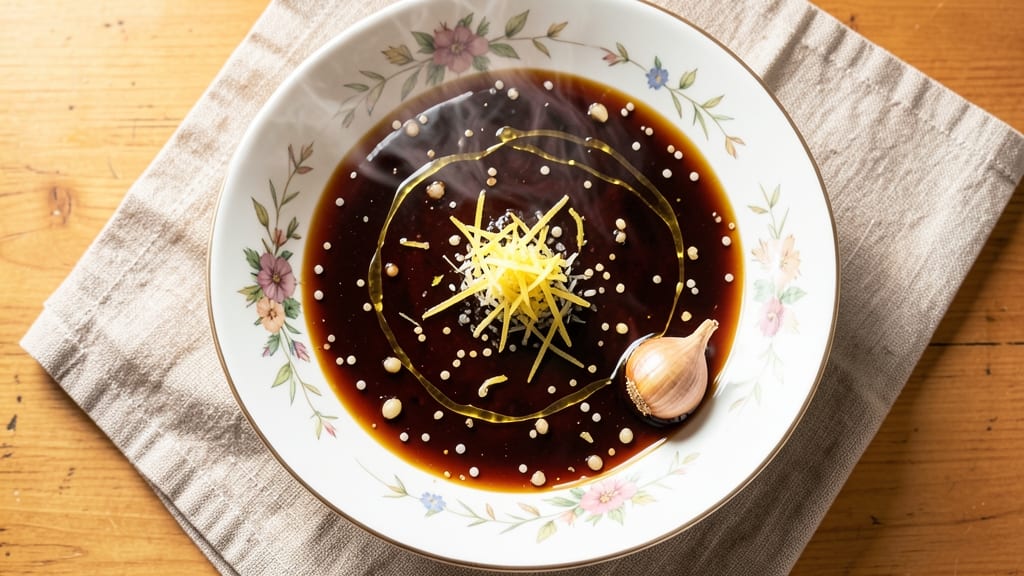
This stir fry sauce recipe without chicken broth delivers restaurant-quality depth using just five pantry staples and a 15-minute prep time. The secret lies in balancing salty soy sauce with bright ginger, aromatic garlic, and a touch of sweetness—no broth required.
I developed this version after realizing most stir-fry sauces rely on chicken broth, which isn't always suitable for vegetarian dishes or dietary preferences.
The sauce builds flavor through a two-step process: first, you toast whole spices in oil to awaken their aromatics, then simmer them with soy sauce, ginger, garlic, and a splash of rice vinegar.
This creates a sauce that's umami-rich without being heavy, with just enough acidity to cut through rich stir-fry ingredients. The result coats vegetables and proteins beautifully while adding layers of complexity.
What makes this sauce particularly versatile is its adaptability—use it on tofu, chicken, shrimp, or any stir-fry vegetables for consistent flavor. The sauce keeps well in the fridge for up to 10 days or freezes perfectly for longer storage.
Each batch delivers that perfect harmony of salty, sweet, and spicy notes that makes stir-fries irresistible.
For extra depth, I recommend adding a pinch of white pepper or a dash of sesame oil at the end. This sauce transforms simple ingredients into a flavor powerhouse that elevates every stir-fry. Let's get started with the ingredients—you'll be amazed at how simple yet impactful this recipe is.
Ingredients for stir fry sauce recipe without chicken broth
Five simple ingredients transform into a restaurant-worthy stir fry sauce without chicken broth.
| Ingredient | Amount | Notes |
|---|---|---|
| Soy Sauce 🍶 | ½ cup | High-quality, low-sodium preferred |
| Fresh Ginger 🌿 | 2 tbsp | Finely grated, aromatic variety |
| Garlic Cloves 🧄 | 4 cloves | Minced, fresh preferred |
| Rice Vinegar 🍶 | 2 tbsp | Seasoned or unseasoned works |
| Sesame Oil 🫒 | 1 tbsp | Toasted, for aroma |
| White Pepper 🌶️ | ¼ tsp | Freshly ground for best flavor |
| Vegetable Oil 🫒 | 1 tbsp | Neutral flavor, high smoke point |
| Granulated Sugar 🍚 | 1 tbsp | Balances flavors, adjust to taste |
| Cornstarch 🌾 | 1 tsp | Optional, for thickening |
The soy sauce is the foundation—Kikkoman or La Choy are reliable choices, but any high-quality brand works. Fresh ginger and garlic are non-negotiable for that bright, aromatic punch. Look for ginger with smooth skin and no soft spots, and use the freshest garlic you can find. The rice vinegar adds the necessary acidity to balance the richness, so don’t skip it. For the sesame oil, Kadoya or La Tourangelle are excellent options, but any toasted sesame oil will do. If you’re using pre-minced garlic, make sure it’s fresh—jarred garlic loses its potency quickly.
No fresh ginger? Powdered ginger at half the amount works in a pinch, though it lacks the same depth. Substitute garlic powder, but reduce to one-third the amount of fresh. For a sweeter touch, swap granulated sugar for honey or maple syrup, though the texture will differ slightly. If you’re avoiding cornstarch, arrowroot powder or a slurry of water and flour can thicken the sauce instead. The vegetable oil is just for toasting the aromatics—you can use peanut or avocado oil if you prefer, but stick to neutral flavors here. For extra umami, a dash of fish sauce or coconut aminos can replace some of the soy sauce, but keep it balanced.
This sauce keeps beautifully in an airtight container in the fridge for up to 10 days. For longer storage, freeze it in ice cube trays—just thaw and stir before using. The sauce thickens as it cools, so give it a quick stir before reheating. If it’s too thick after chilling, thin it with a splash of water or a bit more rice vinegar. The flavor actually improves after a night in the fridge, as the ingredients meld together. Portion it into small containers for easy use in future stir-fries—you’ll want to make this again and again.
Why You'll Love This Recipe
- Pantry Magic: I swear by this sauce because it lives in my fridge, ready to transform whatever’s in my fridge. No chicken broth? No problem—just toss in soy sauce, a thumb of grated ginger, and a splash of rice vinegar. The sesame oil ties it all together with that nutty aroma that makes every bite taste like a restaurant.
- Umami Bomb: That garlic-ginger combo? It’s where the flavor party starts. The garlic caramelizes just enough to add depth, while the ginger keeps it bright—no bitterness, just warmth. Honestly, I’ll take this over store-bought sauce any day. It’s the kind of taste that lingers, making even simple veggies feel like a gourmet meal.
- Weeknight Wonder: This sauce works for takeout nights, last-minute lunches, or when I’m too tired to think. Drizzle it over noodles, toss it with tofu, or use it as a quick marinade. I’ll be real: it’s my go-to when I don’t want to fuss but still crave something that tastes intentional.
- Budget-Friendly Flex: A few dollars for ginger and garlic stretches to feed the whole family. No fancy ingredients, no wasted leftovers—just pure, reliable flavor. I double the batch and freeze half; that way, I’m never scrambling for a sauce when inspiration (or hunger) strikes. Plus, it’s the kind of recipe that proves you don’t need much to make something taste amazing.
Step-by-step instructions for stir fry sauce without chicken broth
This umami-rich sauce delivers restaurant-quality flavor in under 10 minutes using simple pantry staples.
Prepare Aromatics and Base Ingredients
In a small bowl, combine the 0.5 cup soy sauce, 2 tbsp rice vinegar, 1 tbsp granulated sugar, and 0.25 tsp white pepper. Mix thoroughly until the sugar dissolves completely. This balance of salty, tangy, and sweet creates the foundation for your sauce. I like to use a whisk for this step to ensure everything integrates smoothly—any undissolved sugar can crystallize when heated.
In a separate small bowl, finely grate the 2 tbsp fresh ginger and mince the 4 cloves garlic cloves. The ginger should be as fine as possible for even distribution, while the garlic should be small enough to dissolve into the sauce rather than remain as distinct pieces. Set these aside—they'll infuse the sauce with their signature aromatic punch.
Build Flavor in the Pan
Heat a small saucepan over medium heat and add 1 tbsp vegetable oil. Once the oil shimmers (about 30 seconds), add the minced garlic and grated ginger. Cook for 1-2 minutes until the garlic becomes fragrant and just begins to turn golden—this prevents it from burning, which would create bitterness. Stir constantly to ensure even cooking.
Immediately pour in the soy sauce mixture and bring to a gentle simmer. Let it cook uncovered for 3-4 minutes, stirring occasionally. You'll notice the sauce reduce slightly and develop a glossy sheen. This is where the flavors meld together—don't rush this step. The aroma should be rich and complex, with notes of ginger's spiciness cutting through the soy's saltiness.
Incorporate Finishing Touches
Reduce the heat to low and stir in the 1 tbsp sesame oil. This adds depth and a nutty aroma that elevates the sauce from good to exceptional. The sesame oil should be incorporated gently—don't let it burn, as it has a low smoke point. Let the sauce simmer for another 1-2 minutes to allow the sesame oil to fully integrate and release its aroma.
For a slightly thicker sauce, mix the 1 tsp cornstarch with 1 tablespoon of cold water in a small bowl until smooth. Slowly stir this slurry into the simmering sauce, continuing to cook for 1-2 minutes until the sauce reaches your desired consistency. The sauce should coat the back of a spoon but still be pourable. Taste and adjust seasoning if needed—you might want to add a touch more sugar or rice vinegar to balance the flavors.
Cool and Store for Maximum Flavor
Remove the sauce from heat and let it cool for 5 minutes. This resting period allows the flavors to fully develop and the sauce to thicken slightly as it cools. The sauce should be smooth, glossy, and ready to use immediately, but it will also keep well in the refrigerator for up to 5 days in an airtight container. When reheating, warm gently over low heat, stirring occasionally, until just hot.
This sauce works beautifully with a variety of stir-fry proteins and vegetables. Its bright, umami-packed profile makes it versatile enough for both quick weeknight meals and more elaborate dishes. The key to its success lies in the balance of ingredients and the patience to let the flavors meld together properly.
Pro Tips For Making Stir Fry Sauce Recipe Without Chicken Broth
- MINCE THE GINGER FINE: I learned this the hard way—chunky ginger slices scream "rushed prep," but finely minced ginger dissolves cleanly into the sauce and adds depth without bitterness. Use the flat side of your knife to crush the ginger first, then pulse in a food processor for 2 seconds (not a paste—just tiny specks).
- SALT THE GARLIC FIRST: Toss your garlic cloves in ½ teaspoon soy sauce before mincing—this prevents burning and mellows their sharpness. I skip this step sometimes, and the sauce tastes raw and aggressive afterward.
- COOK THE AROMATICS LOW: Crank the heat to medium-low when frying garlic and ginger. High heat turns garlic bitter fast, and you’ll spend the next 5 minutes fishing out blackened bits. Aromatics should sizzle gently—like a whisper, not a scream.
- SWAP VINEGAR IN STAGES: Add half the rice vinegar upfront with the soy sauce, then finish with the rest at the end. This balances acidity without making the sauce taste like you dumped it all in at once. (Yes, even if you’re impatient like me.)
Make-ahead tips for this stir fry sauce recipe without chicken broth
Prep Ahead Components
Make the sauce base—soy sauce, rice vinegar, sugar, and white pepper—up to 3 days ahead and store it in an airtight container in the fridge. This allows the flavors to meld beautifully without the fresh aromatics.
When ready to use, simply toast the ginger and garlic in oil and combine with the pre-made base. This cuts your active cooking time to just 5 minutes! 🌟
Freezer-Friendly Portions
Freeze the sauce in ice cube trays for easy portion control. Once frozen, transfer cubes to a ziplock bag and label with the date. Thaw overnight in the fridge—just pop out what you need for a stir-fry.
Each cube makes about 2 tbsp of sauce, perfect for a single serving. The texture remains smooth after freezing, though it may thicken slightly. 🧊
Double-Batch Strategy
Double the recipe and store half in the fridge while freezing the other half. This ensures you always have sauce on hand for spontaneous stir-fry nights. The frozen portion keeps for up to 3 months without losing flavor intensity.
I like to use glass jars for freezing—just leave 1 inch headspace for expansion. 🥫
Vegetable Prep
Pre-chop your stir-fry vegetables—bell peppers, broccoli, snap peas—and store them in airtight containers with a paper towel to absorb moisture. Keep them in the fridge for up to 4 days.
This makes stir-fry assembly a breeze when you're ready to cook. For extra crispness, blanch vegetables like broccoli in boiling water for 1 minute before shocking in ice water. 🥦
Protein Prep Options
For proteins like tofu, chicken, or shrimp, marinate them ahead of time in a mix of 1 tbsp soy sauce, 1 tsp sesame oil, and 1 tsp honey. Store in an airtight container for up to 24 hours in the fridge.
This infuses flavor while keeping the proteins tender. I often prep a batch of marinated tofu on Sundays for quick weeknight stir-fries. 🍗
Sauce Thickening Hack
If your sauce thickens too much after refrigeration, thin it with 1 tsp water or rice vinegar per 2 tbsp sauce. For extra thickness, make a quick slurry with ½ tsp cornstarch and 1 tsp water and stir into the warm sauce.
This adjustment ensures perfect consistency every time, whether you're using it fresh or reheating a stored batch. ✨
Nutrition facts
Frequently asked questions
Can I make this stir-fry sauce vegan?
Yes! This recipe is already vegan-friendly as written. Just ensure your soy sauce is vegan (most are, but check labels) and use vegetable oil instead of any animal-based fats. The ginger, garlic, rice vinegar, and other ingredients are naturally plant-based. For extra umami, consider adding 1 tsp of vegan fish sauce or coconut aminos.
How spicy is this sauce and can I adjust it?
The base recipe has mild heat from white pepper, but you can easily adjust it. For more spice, add ½ tsp red pepper flakes or 1 tsp sriracha at the end. For heat control, start with less and taste as you go. The ginger already provides a natural warmth that complements the spice beautifully.
What's the best way to store leftovers?
Store in an airtight container in the fridge for up to 10 days. For longer storage, freeze in ice cube trays or small portions. Thaw overnight in the fridge—never microwave directly from frozen. The sauce thickens when chilled, so stir well before using. If it becomes too thick, thin with a splash of water or rice vinegar.
Can I use this sauce for other dishes besides stir-fry?
This versatile sauce works well for glazing roasted vegetables, drizzling over noodles, or even as a marinade. The balance of sweet, salty, and umami makes it perfect for grilled meats or as a dipping sauce for dumplings. Just adjust the thickness by adding a bit of water if needed for different applications.
Why does my sauce taste flat after refrigeration?
This happens when flavors haven't fully melded. Let the sauce sit at room temperature for 10-15 minutes before using, or warm it gently on low heat. The fresh ginger and garlic aromatics need time to develop after chilling. For extra depth, add a pinch of toasted sesame seeds or a drop of sesame oil when reheating.