
Sauces & Condiments
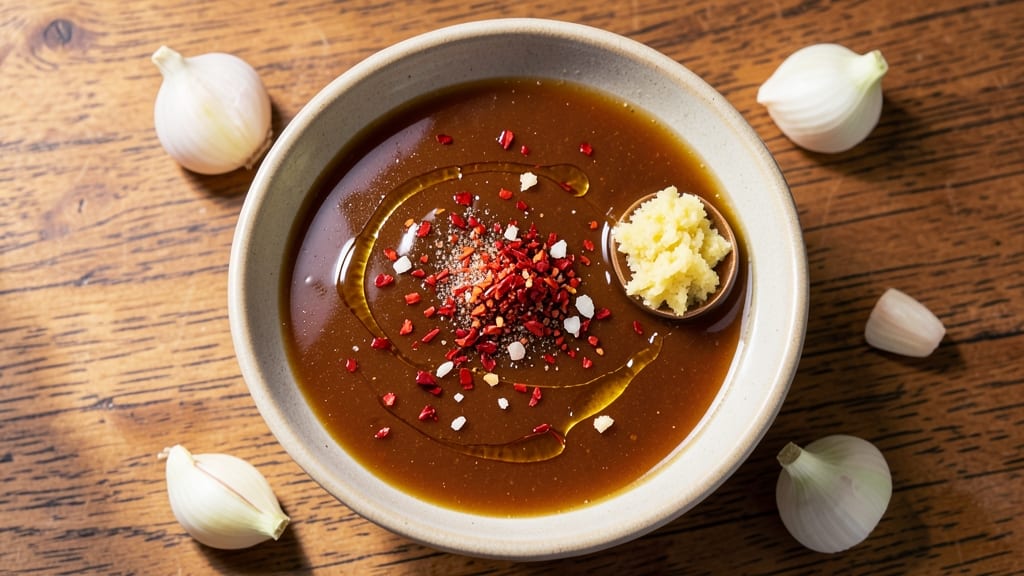
This bao dipping sauce recipe delivers the perfect balance of sweet, spicy, and tangy flavors that elevate every bite. The harmony of soy sauce, ginger, and chili creates a versatile sauce that works with bao, dumplings, or rice bowls.
I developed this recipe after years of experimenting with different ratios to achieve that ideal sweet-spicy profile that restaurant versions often lack.
The beauty of this sauce lies in its simplicity—just six ingredients combine to create a rich, aromatic sauce with layers of flavor.
The key is simmering the sauce until it thickens slightly, allowing the ginger and garlic to infuse their essence while the sugar caramelizes just enough to balance the heat. This process takes less than 15 minutes, making it perfect for weeknight meals or last-minute gatherings.
What you'll end up with is a glossy, vibrant sauce that's sweet enough to complement the softness of bao but spicy enough to cut through the richness. The ginger adds a bright, zesty note that keeps the sauce from being overly heavy, while the soy provides that essential umami depth.
This sauce isn't just for bao—it transforms any dish into something extraordinary.
Once you try this recipe, you'll never go back to store-bought versions. The sauce keeps well in the refrigerator for up to a week, making it ideal for meal prep.
Whether you're serving up a batch of homemade bao or need a quick dipping sauce for takeout, this recipe delivers professional-quality results every time.
Ingredients for bao dipping sauce
Six essential ingredients create a restaurant-quality bao sauce in minutes.
| Ingredient | Amount | Notes |
|---|---|---|
| Light Soy Sauce 🥢 | ½ cup | High-quality brand preferred |
| Fresh Ginger 🌿 | 2 tbsp | Finely grated, aromatic |
| Garlic Cloves 🧄 | 3 cloves | Minced, aromatic |
| Granulated Sugar 🍯 | 2 tbsp | White or brown preferred |
| Red Chili Flakes 🌶️ | 1 tbsp | Adjust for heat preference |
| Sesame Oil 🫒 | 1 tbsp | Toasted, for aroma |
The soy sauce is the foundation—Kikkoman or La Choy are reliable choices, but any light soy works. Fresh ginger is non-negotiable here; the juicy, aromatic kind from the produce section beats powdered any day. For garlic, peel and mince fresh cloves—jarred minced garlic lacks the bright flavor. Sugar balances the heat, but brown sugar adds subtle depth if you prefer a caramel note. The chili flakes should be bright red and dry—none of that damp, clumpy stuff. Sesame oil adds that signature nutty aroma, so pick a toasted variety if you can find it.
No fresh ginger? Ginger paste from a tube works in a pinch, but reduce to 1.5 tbsp since it's more concentrated. Short on garlic? Garlic powder at half the amount gets you close, but the flavor won't be as vibrant. Running low on sesame oil? A pinch of toasted sesame seeds can mimic the aroma, though it won't be the same. The sugar can be swapped for honey or maple syrup, but soy sauce's saltiness might need adjustment. For a smoother sauce, blend everything before simmering—it'll be glossier and more professional-looking.
This sauce thickens as it cools, so stir before serving. Keeps in the fridge for up to 1 week in an airtight container. For longer storage, transfer to a jar and freeze for 3 months—thaw at room temperature before using. The flavors actually improve after a day or two as everything melds. Double the batch—you'll want extra for next time.
Why You'll Love This Recipe
- Five-Ingredient Magic: I swear by this combo—ginger and garlic sizzling in the pan, just enough sugar to cut the salt, and those chili flakes adding heat without overpowering. It’s the kind of sauce that makes you pause mid-bite and go, “Wait, why didn’t I do this sooner?”
- Pantry Staple Power: Honestly, you’re probably already stocked. Light soy sauce, a knob of ginger, a few garlic cloves—no fancy ingredients, no last-minute grocery runs. I’ve made this after work when my fridge was bare, and it still saved dinner.
- Dips Everything: Bao? Check. Dumplings? Done. Even grilled chicken or steamed veggies get a serious upgrade. Between us, I’ve used it as a quick marinade too—just toss in some tofu or shrimp for 10 minutes. Multi-tasking at its finest.
- Lasts All Week: This sauce doesn’t just taste better the first day—it deepens. The flavors meld in the fridge, getting richer and more complex. I keep a jar in mine, and it’s the first thing I grab when I’m too tired to cook. (Yes, even on a Tuesday night.)
Step-by-step instructions for bao dipping sauce
This sauce balances sweet, spicy, and umami in perfect harmony—just five minutes of active work.
Grate and Mince the Aromatics
Use a fine grater to process the 2 tablespoons of fresh ginger into a smooth paste. The ginger should yield about 1 tablespoon of grated ginger—if it seems dry, add 1 teaspoon of light soy sauce to help it release its oils. In a small bowl, finely mince the 3 cloves of garlic until you have a paste-like consistency. This ensures even distribution and prevents clumps in your sauce.
I like to press the garlic between my fingers while mincing to break down the cells and release more flavor. Set both the ginger and garlic aside—they'll form the aromatic base of your sauce. The freshness here is key; don't substitute with powdered versions, as they lack the bright, zesty punch that makes this sauce special.
Combine Wet Ingredients
In a small saucepan, pour in the 0.5 cup of light soy sauce and add the freshly grated ginger and minced garlic. Place the saucepan over medium-low heat and let it simmer gently for 3-4 minutes, stirring occasionally. You'll notice the mixture darken slightly as the flavors meld together. This step develops the sauce's foundational umami and aromatic profile.
While heating, keep an eye on the sauce—it should bubble softly but not vigorously. If it starts to bubble too much, reduce the heat immediately. The goal is to warm through the ingredients without letting them burn. After 3-4 minutes, remove the saucepan from heat and let it cool slightly for 2 minutes. This brief rest prevents a sudden temperature shock when you add the remaining ingredients.
Add Sugar and Chili for Balance
Stir in the 2 tablespoons of granulated sugar and 1 tablespoon of red chili flakes into the warm soy-ginger mixture. The sugar will dissolve almost instantly, creating a smooth, slightly syrupy texture. The chili flakes should distribute evenly—if you prefer a smoother sauce, lightly mash them with a spoon to break them down slightly. Taste the mixture now; you should detect a harmonious blend of sweetness, spice, and umami, with the ginger and garlic adding depth.
If the sauce tastes too sweet, add a splash of water to balance it out. If it needs more heat, add an extra ½ teaspoon of chili flakes. This is your chance to adjust the flavor profile to your liking—bao dipping sauce is all about personal preference. The key here is balance: the sweetness should complement the spice without overpowering it, and the ginger and garlic should shine through.
Finish with Sesame Oil
Remove the saucepan from heat and stir in the 1 tablespoon of sesame oil. The oil will immediately infuse the sauce with a nutty aroma and rich depth. Swirl the sauce gently with a spoon to ensure the oil is fully incorporated. You'll notice the sauce take on a glossy sheen and a more complex flavor profile. The sesame oil adds a subtle toasty note that rounds out the sauce's sweet-spicy character.
Let the sauce sit for 5 minutes off the heat to allow the flavors to meld completely. During this time, the sauce will thicken slightly as it cools. If you're serving immediately, transfer the sauce to a small bowl or sauceboat. For a smoother texture, strain the sauce through a fine-mesh sieve to remove any lingering ginger or garlic bits. This step is optional but results in a silky, restaurant-quality finish.
Pro Tips For Making Bao Dipping Sauce
- BLOOM THE GINGER: Skip the pre-chopped jar—fresh ginger makes all the difference. Use a microplane or the side of your knife to grate it into thin, even strands (no need to peel if it’s organic). The surface area releases flavor faster, and you’ll taste that bright, zesty kick instead of a mushy aftertaste. I used to mince it, but now I swear by this method—it’s the thing that actually changes the outcome.
- LOW AND SLOW: Simmer this sauce on low heat—medium-high turns it bitter fast. Once you add the soy sauce and sugar, keep it at a gentle bubble, not a rolling boil. I learned this the hard way after burning three batches (yes, really). Stir occasionally and let it reduce naturally—about 10-12 minutes should do it. Patience here means no harsh, overcooked edges.
- GRIND THE GARLIC: Smash those cloves with the flat side of your knife before mincing—it softens them and prevents a harsh bite. Or, for extra flavor, lightly toast them in a dry pan for 30 seconds until fragrant. I was skeptical until I tried it: the garlic blends smoother and adds a deeper, nuttier note to the sauce. No need to go overboard—2-3 cloves max, unless you’re feeding a crowd.
- SWEETEN IT GRADUALLY: Add the sugar after the ginger and garlic have cooked for 2-3 minutes—this lets the heat draw out their moisture first. Then, stir in the sugar and let it dissolve completely before adding the soy sauce. I skip this when I’m lazy, but the sauce is noticeably better when I don’t: no grainy bits, just a silky balance of sweet and salty.
Health benefits of these flavors
Ginger's Health Perks
Fresh ginger in this sauce brings more than just zing—it’s packed with gingerol, a compound that fights inflammation and aids digestion. Just 2 tablespoons of grated ginger provides about 10% of your daily vitamin C and supports immune function.
I notice my digestion improves after eating dishes with fresh ginger, especially when paired with umami-rich soy sauce. 🌿
Soy Sauce Benefits
The ½ cup of light soy sauce delivers iron, potassium, and B vitamins while adding umami depth. Fermented soy products like this are linked to improved gut health due to their probiotic properties.
Opt for low-sodium soy sauce if you're watching your salt intake—just 1 tablespoon contains about 1,000mg of sodium, so adjust to taste. The amino acids in soy also help balance blood sugar levels, making this sauce a smart choice for balanced meals.
Spice and Antioxidants
Red chili flakes contribute capsaicin, a compound that boosts metabolism and reduces pain perception. Just 1 tablespoon adds a mild kick while providing antioxidants that combat oxidative stress. The sesame oil rounds out the sauce with healthy fats and vitamin E, which supports skin health.
I often drizzle a little extra sesame oil on top of the sauce for an added nutrient boost and richer aroma.
Balanced Blood Sugar
The 2 tablespoons of sugar in this sauce are balanced by the fiber and antioxidants from ginger and chili, helping prevent blood sugar spikes. The low glycemic index of fresh ginger means you get sweetness without the crash.
For a lower-sugar option, I sometimes replace half the sugar with monk fruit sweetener, which maintains the sauce’s glossy texture while reducing calories.
Digestive Comfort
This sauce’s combination of ginger, garlic, and sesame oil makes it a natural digestive aid. Ginger stimulates saliva and gastric juices, while garlic’s allicin supports gut health. The warm spices in this sauce can help soothe mild stomach discomfort—perfect for pairing with hearty bao or dumplings.
I always keep a small jar of this sauce on hand for post-meal digestion support. ✨
Nutrition facts
Frequently asked questions
Can I make this bao dipping sauce without fresh ginger?
Yes, but the flavor will be less vibrant. Use 1.5 tablespoons of ginger paste (from a tube) instead of fresh, since it's more concentrated. For a smoother texture, blend the paste with 1 teaspoon of water before adding. If you're completely out of ginger, try ½ teaspoon of ground ginger, but the sauce will taste more powdery and less aromatic.
How do I adjust the heat level in this sauce?
Start with the 1 tablespoon of chili flakes as written for mild heat. For more spice, add ½ teaspoon at a time until you reach your desired level. If you prefer a smoky depth, replace ½ teaspoon of chili flakes with ¼ teaspoon of smoked paprika. For a fruity kick, stir in ½ teaspoon of lime zest after removing from heat.
Can I use this sauce for other dishes besides bao?
This versatile sauce works perfectly with dumplings, rice bowls, grilled meats, or even as a marinade. For seafood, reduce the chili to ½ tablespoon to complement delicate flavors. Try drizzling it over tofu or noodle dishes for an instant umami boost. The sweet-spicy balance makes it great for Asian-inspired tacos or spring rolls too.
Why does my sauce look too thin after making it?
This sauce naturally thickens as it cools, but if it's still too thin, simmer it uncovered for 2-3 more minutes on low heat. For a quicker fix, mix 1 teaspoon of cornstarch with 1 tablespoon of water, stir into the sauce, and cook for 1 minute until thickened. If you prefer a glossy finish, strain the sauce through a fine-mesh sieve to remove any lingering ginger fibers that might be watering it down.
How can I make this sauce vegan?
This recipe is already vegan-friendly! Just ensure your soy sauce is vegan (most are, but check labels). For extra richness, add 1 teaspoon of miso paste when simmering. If you want to reduce sodium, use low-sodium soy sauce and add a pinch of black salt (kala namak) for an eggy flavor without animal products. The sauce will still have that perfect sweet-spicy balance.