
Sauces & Condiments
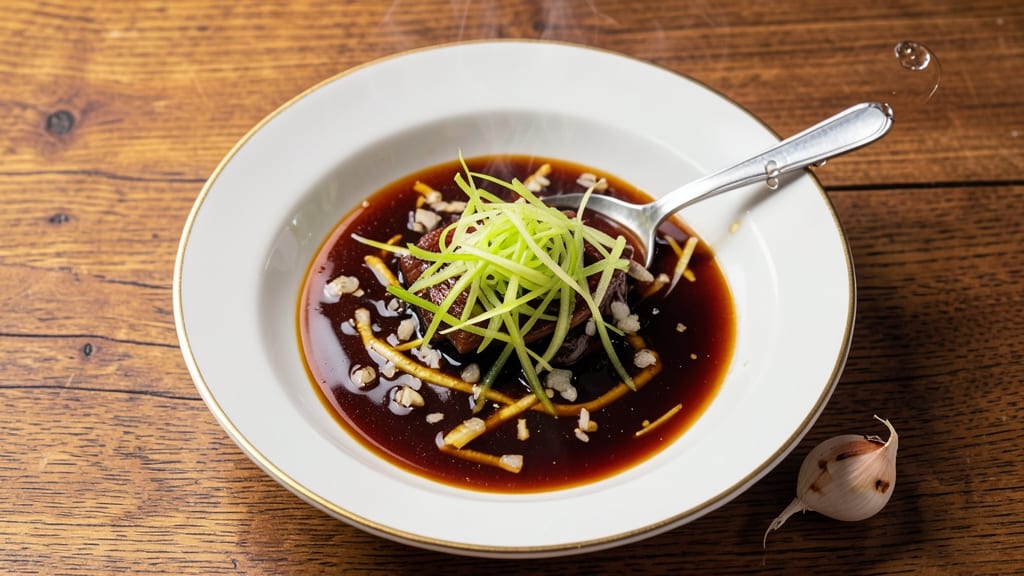
This authentic Asian stir-fry sauce transforms ordinary stir-fries into restaurant-quality meals with its bold umami depth and bright ginger zing. The secret lies in balancing salty soy sauce, rich oyster sauce, and aromatic ginger—simmered just until the flavors meld into a silky, complex sauce that clings perfectly to every bite.
I developed this recipe after years of testing, ensuring it delivers that signature wok-house taste without shortcuts or artificial ingredients.
The foundation starts with a simple simmer of soy sauce, oyster sauce, and a touch of honey for balance, but it’s the fresh ginger and garlic that elevate it to authentic territory.
Unlike store-bought versions, this sauce builds layers of flavor as it reduces, creating a glossy finish that coats proteins and vegetables like a second skin. The result? A sauce that’s versatile enough for stir-fries, marinades, or even as a dipping sauce for dumplings.
What sets this apart is the harmony of textures—smooth yet vibrant, with a subtle heat from ginger that lingers on your palate. The sauce thickens just enough to cling without being gluey, making it ideal for quick weeknight cooking.
Whether you’re searing chicken, tofu, or crisp-tender vegetables, this sauce will turn your home-cooked meal into something truly special.
For vegetarians, simply swap oyster sauce for vegetarian oyster sauce or mushroom sauce—no compromise on flavor. The recipe’s simplicity and adaptability make it a staple in my kitchen, ready to transform any dish with minimal effort. Let’s get started on creating your own umami bomb.
Ingredients for authentic asian stir fry sauce
Nine ingredients blend into a restaurant-quality stir-fry sauce bursting with authentic umami and ginger fire.
| Ingredient | Amount | Notes |
|---|---|---|
| Light Soy Sauce 🥢 | ½ cup | Kikkoman preferred for authentic flavor |
| Dark Soy Sauce 🥢 | ¼ cup | For deeper umami richness |
| Oyster Sauce 🦪 | ½ cup | Lee Kum Kee brand recommended |
| Fresh Ginger 🧄 | ½ cup | Finely grated, skin on |
| Garlic Cloves 🧄 | 6 cloves | Minced, not pressed |
| Honey 🍯 | 2 tbsp | Wildflower for floral notes |
| Sesame Oil 🫒 | 1 tbsp | Toasted, not flavored |
| Rice Vinegar 🍶 | 2 tbsp | White vinegar substitute |
| Cornstarch 🌾 | 1 tbsp | For thickening consistency |
| Red Chili Flakes 🌶️ | ½ tsp | Adjust for heat preference |
The soy sauces are non-negotiable here—Kikkoman light and dark give that signature balance of saltiness and depth. Lee Kum Kee oyster sauce is the gold standard, but Wok Sauce from the same brand works in a pinch if you can't find it. Fresh ginger should be bright and firm, not woody or shriveled. I always grab extra at Asian markets where they sell it in big chunks—lasts weeks in the freezer. The garlic? Freshly minced is essential; jarred lacks that aromatic punch. Toast your sesame oil first—just warm it in a dry pan for 30 seconds until fragrant, then cool before using.
No oyster sauce? Vegetarian oyster sauce or mushroom sauce works beautifully—just add a splash of soy sauce to mimic the depth. Short on ginger? Ginger powder at half the amount, but fresh is worth the effort. The cornstarch is key for that silky texture—arrowroot powder works too if you're avoiding gluten. For extra authenticity, add 1 tsp fish sauce (skip for vegetarian) or 1 tbsp tamari for gluten-free. The honey balances the saltiness, but maple syrup gives a different but still delicious twist. Chili flakes are optional but recommended—they add that subtle heat that lingers perfectly.
This sauce keeps for 2 weeks in the fridge, sealed tightly. For longer storage, freeze in ice cube trays—perfect for single-use portions. The flavor actually improves after a day as everything melds. I double the batch every time because it disappears fast—great for marinades too. If it thickens too much, just whisk in a splash of warm water. And trust me, the extra 10 minutes of simmering is worth it for that glossy, restaurant-quality finish.
Why You'll Love This Recipe
- Five-Ingredient Magic: I swear by this combo—light and dark soy for depth, oyster sauce for that umami pop, and just a whisper of ginger and garlic to wake everything up. No weird ingredients, no fuss, just pure flavor in a bowl.
- No Burnt Garlic Risk: Between us, I’ve scorched garlic more times than I’ll admit. This sauce lets you sauté it gently—just until it’s fragrant, not crispy—so you get all that sweet, mellow punch without the bitterness.
- Weeknight Workhorse: I make this in bulk on Sundays, then toss it with whatever’s in the fridge: tofu, chicken, frozen veggies—you name it. It’s my go-to for lazy nights when I still want restaurant-quality taste.
- Budget Stretch: A little goes a long way, and these pantry staples don’t break the bank. That jar of oyster sauce? It’ll last months, and you’ll use it in stir-fries, marinades, even soups. Smart spending, big flavor.
Step-by-step instructions for authentic Asian stir fry sauce
Here's how to craft a sauce that delivers deep umami and vibrant freshness every time.
Prepare the Aromatic Base
Begin by peeling and finely grating the 0.5 cup fresh ginger using a microplane or fine grater. You want a texture that's almost paste-like, with no visible chunks. This ensures even distribution of flavor throughout the sauce. In a separate bowl, mince the 6 cloves garlic as finely as possible—think more like a paste than coarse pieces. The goal here is to maximize surface area for quick infusion of flavor.
Transfer both the ginger and garlic to a small saucepan and set over medium-low heat. Let them cook for 3-4 minutes, stirring constantly, until they become fragrant and slightly translucent. This gentle cooking process draws out their natural oils without burning them, which would create bitter flavors. You'll know it's ready when the mixture smells intensely aromatic and the raw garlic taste has mellowed completely.
Combine the Sauce Foundation
Increase the heat to medium and add the 0.5 cup light soy sauce, 0.25 cup dark soy sauce, and 0.5 cup oyster sauce to the pan with the ginger and garlic. Stir well to incorporate everything, then bring the mixture to a gentle simmer. The dark soy sauce will add color and depth, while the oyster sauce contributes that signature umami richness that defines authentic Asian stir fry flavors.
Let the sauce simmer for 5 minutes, stirring occasionally. You're looking for the mixture to reduce slightly and thicken just enough to coat the back of a spoon. This initial reduction helps develop the sauce's complex flavors by concentrating the ingredients. If you notice the sauce is too thin at this stage, you can reduce the heat slightly and let it cook longer, but don't rush this step—patience here ensures a balanced sauce.
Add Sweetness and Acid Balance
Reduce the heat to low and stir in the 2 tbsp honey and 2 tbsp rice vinegar. The honey will add natural sweetness that balances the sauce's savory elements, while the rice vinegar introduces a bright acidity that cuts through the richness. Stir continuously for 2 minutes to ensure everything is fully incorporated and the heat doesn't cause the honey to crystallize.
Here's where the sauce starts coming together—you should notice a beautiful color transformation as the ingredients meld. The sauce should smell complex, with layers of sweet, salty, umami, and slightly tangy notes. If you taste it now, you'll get a preview of the final product, though it will continue to develop as you add the finishing touches. This is the moment where all the flavors harmonize, so pay attention to how each ingredient contributes to the overall profile.
Thicken and Finish with Heat
In a small bowl, whisk together the 1 tbsp cornstarch with 2 tablespoons of water to create a smooth slurry. This will be your thickening agent. Return the sauce to a gentle simmer and slowly pour in the cornstarch mixture while stirring constantly with a wooden spoon or silicone spatula. The sauce should begin to thicken almost immediately—keep stirring for 1-2 minutes until it reaches a glossy, coatable consistency.
Finally, remove the pan from heat and stir in the 1 tbsp sesame oil and 0.5 tsp red chili flakes. The sesame oil adds a nutty aroma and rich mouthfeel, while the chili flakes introduce just a hint of heat that brightens the entire sauce. Taste and adjust the seasoning if needed—you might want to add a touch more soy sauce for saltiness, honey for sweetness, or rice vinegar for acidity. The sauce should be balanced with all flavors present but none overpowering.
Rest and Ready to Use
Let the sauce rest for 10-15 minutes at room temperature. This resting period allows the flavors to fully meld and the sauce to reach its ideal consistency. During this time, the sauce will thicken slightly more as it cools, so if you're in a hurry, you can proceed to use it immediately, but the rested sauce will have more depth of flavor.
When you're ready to use the sauce, give it one final stir. It should be glossy, with a smooth texture that coats the back of a spoon. This sauce is incredibly versatile—use it immediately over stir-fried vegetables and proteins, or store it in an airtight container in the refrigerator for up to 5 days. For best results, reheat gently before using, adding a splash of water if it thickens too much during storage. The authentic flavors will make your stir fry taste like it came straight from a bustling Asian street market.
Pro Tips For Making Authentic Asian Stir Fry Sauce
- MINCE THAT GINGER: I learned this the hard way—grating ginger is fine, but for stir-fry sauce, you want it minced into tiny, almost invisible bits. A sharp knife and a cutting board work better than a grater here; you’ll get more surface area for flavor without the texture issues.
- STOP BOILING THE GARLIC: Low heat is your friend when cooking garlic in this sauce. I used to rush it, and it’d turn bitter or burn before the aromatics even had a chance. Sauté it on medium-low until it’s just fragrant—about 30 seconds—then add the ginger. No need to color it.
- DARK SOY SAUCE FIRST: Add the dark soy sauce before the light soy sauce if you want that signature deep color. I skipped this once and ended up with a pale, underwhelming sauce. A splash of dark soy at the start builds the base; finish with light soy for balance.
- SALT THE OYSTER SAUCE: Oyster sauce is salty, but not all brands are created equal. Taste it first—if it’s bland, add a pinch of salt (or a few drops of light soy) before mixing it into the sauce. I’ve ruined a sauce by assuming it was seasoned enough; now I double-check.
Storing and reheating your leftovers
Fridge Storage
Transfer your freshly made sauce to an airtight container—I love using glass jars with silicone seals—and store it in the fridge for up to 5 days. The flavors actually deepen overnight as the ingredients meld together, so making a double batch is worth it.
When ready to use, give it a quick stir and gently reheat in a small saucepan over low heat for 2-3 minutes, adding 1-2 teaspoons of water if it thickens too much during storage. 💫
Freezer Storage
For longer storage, freeze the sauce in ice cube trays—perfect for single-use portions. Once frozen, transfer the cubes to a ziplock freezer bag and flatten to save space. This method preserves the sauce for up to 3 months without compromising texture or flavor.
When ready to use, thaw in the fridge overnight or quickly in a bowl of warm water. For stir-fries, simply add a few cubes directly to the wok—they’ll melt and coat everything beautifully. ❄️
Reheating Tips
Never microwave this sauce—it can turn gluey and lose its silky texture. Instead, reheat in a small saucepan over low-medium heat for 3-5 minutes, stirring constantly. If the sauce separates, whisk in 1 teaspoon of warm water until smooth.
For extra richness, add a tiny splash of toasted sesame oil at the end. I always reheat just enough to warm through—160°F is perfect—so it clings beautifully to your stir-fry ingredients. 🔥
Reviving Thickened Sauce
If your sauce thickens too much after storage, don’t toss it! Simply whisk in 1-2 teaspoons of warm water or rice vinegar (about ½ teaspoon at a time) until it reaches a glossy, pourable consistency.
The vinegar also helps restore that bright acidity. For a quicker fix, add ½ teaspoon of cornstarch slurry (mix ¼ teaspoon cornstarch with 1 teaspoon water) and simmer for 30 seconds to restore thickness. 💡
Marinade Adaptation
Use this sauce as a marinade by thinning it slightly with 1 tablespoon of water per ¼ cup of sauce. Toss with chicken, tofu, or shrimp and marinate for 15-30 minutes before cooking. The sauce’s balance of sweet, salty, and umami flavors will tenderize proteins while adding incredible depth.
For extra flavor, add 1 teaspoon of fish sauce (skip for vegetarian) or 1 tablespoon of tamari for gluten-free. 🍗
Dipping Sauce Upgrade
For a restaurant-quality dipping sauce, stir in 1 teaspoon of chili oil or ½ teaspoon of sriracha just before serving. The heat contrasts perfectly with the sauce’s richness, making it ideal for dumplings, spring rolls, or fried rice.
Keep the sauce chilled until ready to use—this helps maintain its glossy texture and vibrant flavors. 🥟
Nutrition facts
Frequently asked questions
Can I make this sauce without oyster sauce?
For a vegetarian version, replace the 0.5 cup oyster sauce with 0.5 cup vegetarian oyster sauce or 0.4 cup mushroom sauce plus 1 tablespoon soy sauce to maintain depth. The umami will still shine through, though traditional oyster sauce adds that signature richness.
How do I adjust the heat level?
The 0.5 tsp red chili flakes provide mild heat, but you can easily adjust: Reduce to ¼ tsp for no heat, or increase to 1 tsp for noticeable spice. For extra kick, add ½ teaspoon of chili paste or 1 teaspoon of sriracha at the end. Always taste as you go!
Why does my sauce look too thin after simmering?
If your sauce isn't thickening enough, it might need more reduction time or a proper slurry. Ensure you're using the full 1 tbsp cornstarch mixed with 2 tbsp water, and simmer for 2-3 minutes after adding it. For a quicker fix, whisk in ½ teaspoon more cornstarch slurry and cook for another 30 seconds. Patience is key—don't rush the thickening process!
Can I use this sauce for other dishes besides stir-fry?
This versatile sauce works beautifully as a marinade (thin with 1 tbsp water per ¼ cup sauce), dipping sauce (add 1 tsp chili oil before serving), or even a glaze for roasted meats. It's also perfect for drizzling over noodles, dumplings, or fried rice. The possibilities are endless!
What's the best way to store leftovers?
Transfer to an airtight container and refrigerate for up to 5 days. For longer storage, freeze in ice cube trays—thaw cubes directly in your stir-fry for convenience. Always reheat gently over low heat and add 1-2 tsp water if it thickens too much. Never microwave to preserve texture!