
Sauces & Condiments
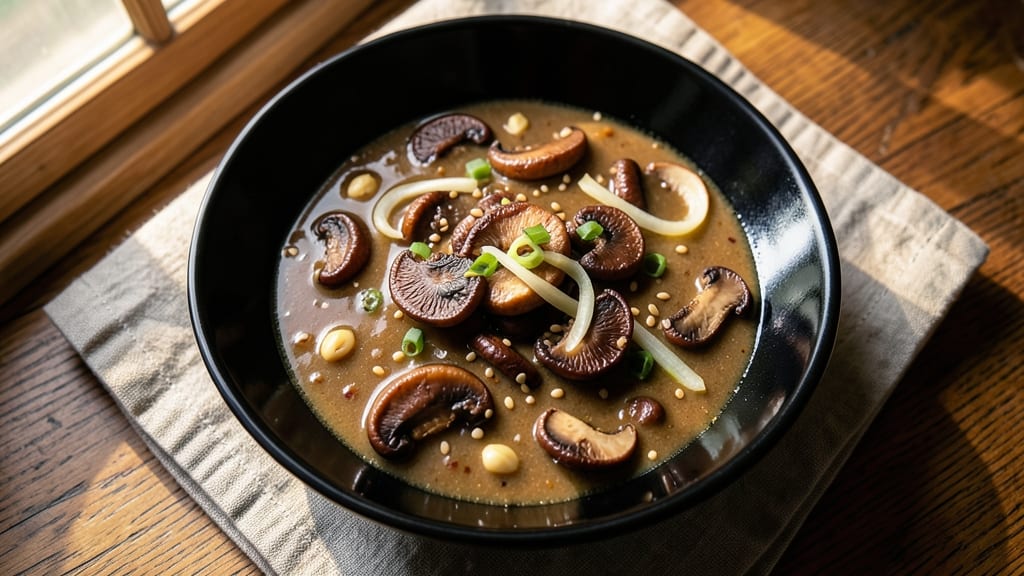
This Asian mushroom sauce recipe unlocks the secret to restaurant-quality stir-fry glaze with just 10 minutes of active prep. The umami depth comes from shiitake mushrooms simmered with garlic, ginger, and soy sauce until the flavors meld into a velvety, earthy sauce.
I developed this after years of testing—it’s the one sauce that elevates any protein or vegetable into a standout dish.
The magic happens when you blend the cooked mushrooms with a touch of cornstarch for thickness, creating a glossy finish that clings perfectly to noodles, chicken, or tofu. What sets this apart is the balance of salty, sweet, and funky notes—no aftertaste, just pure savory satisfaction.
It’s the kind of sauce that transforms a simple weeknight meal into something memorable.
Once you try this, you’ll never buy store-bought again. The sauce keeps for 5 days in the fridge, making it ideal for meal prep, and freezes beautifully for up to 3 months.
Use it as a stir-fry glaze, dipping sauce, or marinade—its versatility makes it a pantry staple. Let’s make it.
For extra depth, add a splash of sesame oil or a pinch of white pepper at the end. The result? A sauce so rich and complex, even picky eaters will ask for seconds. Here’s how to make it.
Ingredients for asian mushroom sauce
Ten simple ingredients transform into a restaurant-quality stir-fry glaze.
| Ingredient | Amount | Notes |
|---|---|---|
| Dried Shiitake Mushrooms 🍄 | ½ cup | Rehydrated in warm water |
| Fresh Shiitake Mushrooms 🍄 | 1 cup | Sliced thinly for texture |
| Garlic Cloves 🧄 | 4 cloves | Minced finely for aroma |
| Fresh Ginger 🌿 | 1 tbsp | Grated finely for zing |
| Soy Sauce 🍶 | ½ cup | Use light or dark soy |
| Cornstarch 🌾 | 1 tbsp | For velvety thickness |
| Sesame Oil 🫒 | 1 tbsp | Toasted for nutty aroma |
| Honey 🍯 | 1 tbsp | Balances saltiness |
| Rice Vinegar 🍶 | 1 tbsp | For tangy brightness |
| White Pepper 🌶️ | ¼ tsp | Freshly ground for warmth |
The mushrooms are the heart of this sauce. Dried shiitake adds deep umami—soak them in warm water for 20 minutes to rehydrate, then chop them finely. Fresh shiitake slices give texture, so don’t skip them. Asian markets have the best selection, but most grocery stores carry dried shiitake in the bulk section. Look for plump, firm mushrooms with no sliminess. The garlic and ginger? Fresh is non-negotiable—frozen or jarred won’t give the same punch. I always double-check the ginger root for soft spots before grating.
No dried shiitake? Cremini or oyster mushrooms work, but the flavor won’t be as rich. Short on soy sauce? Coconut aminos or tamari are great swaps. The cornstarch is key for that glossy finish—use arrowroot powder if you’re gluten-free. Sesame oil can be skipped if you’re sensitive to its flavor, but trust me, that nutty aroma is worth it. For extra depth, add a splash of fish sauce (if not vegan) or a pinch of miso paste—both add layers of umami that take this sauce to the next level.
This sauce keeps for 5 days in the fridge, sealed tight in a jar. For longer storage, freeze in ice cube trays—perfect for single-use portions. Reheat gently in a saucepan or microwave, adding a splash of water if it thickens too much. I always make a double batch because it disappears fast—great for meal prep or gifting. The flavor actually improves after a day or two as everything melds together.
Why You'll Love This Recipe
- One-Pot Magic: I swear by this sauce—just toss dried shiitakes in hot water while you chop fresh ones, then simmer everything together. No extra pans, no fuss, and that umami bomb from the mushrooms builds right in the pot.
- Umami Explosion: Between the dried shiitakes (soaked until rich and meaty) and fresh ones (crisp edges, tender centers), plus that garlic-ginger punch? It’s the kind of flavor that makes you pause mid-bite. Honestly, I’ve made simpler sauces that didn’t hit this hard.
- Sauce for Everything: Drizzle it over noodles, toss with rice, or slather it on grilled chicken—it’s my go-to for weeknights and potlucks alike. (Yes, even on a Tuesday night.) The soy base keeps it flexible, but the mushrooms give it depth no other sauce can match.
- Budget Meal Maker: Dried shiitakes stretch further than fresh, and a little goes a long way—this sauce feeds four for under $5. I’ll be real: it’s my secret weapon for stretching groceries without sacrificing taste. Plus, leftovers? Even better the next day.
Step-by-step instructions for Asian mushroom sauce
This sauce builds layer upon layer of flavor—start with the mushrooms and end with that perfect balance.
Rehydrate and Sauté the Dried Shiitake Mushrooms
Place the 0.5 cup dried shiitake mushrooms in a heatproof bowl and pour in 1 cup hot water (just off the boil). Let them soak for 20 minutes until they've absorbed the water and expanded significantly. Drain, reserving the soaking liquid—you'll use it later for depth.
Heat a wok or large skillet over medium-high heat and add 1 tablespoon sesame oil. Once the oil shimmers, add the rehydrated mushrooms and stir-fry for 3-4 minutes until they release their moisture and develop a rich, caramelized aroma. You're building that umami foundation right here—don't rush this step. The mushrooms should be tender but still hold their shape slightly.
Add Fresh Mushrooms, Aromatics, and Soy Sauce
Push the cooked dried mushrooms to one side of the wok and add the 1 cup fresh shiitake mushrooms (sliced thinly) to the empty space. Stir-fry for 2-3 minutes until they soften and release their juices. Add the 4 minced garlic cloves and 1 tablespoon grated fresh ginger, cooking for 30 seconds until fragrant—you should smell that bright, zesty aroma.
Pour in the 0.5 cup soy sauce and stir well to coat everything. Add the reserved soaking liquid from the dried mushrooms and let the mixture simmer for 2 minutes. This step develops the sauce's complexity—let those flavors meld together before moving forward. The sauce should be slightly reduced but still liquid at this point.
Thicken and Balance the Sauce
In a small bowl, whisk together the 1 tablespoon cornstarch with 2 tablespoons water until completely dissolved. Pour this slurry into the wok while stirring constantly. The sauce will thicken immediately—keep stirring for 1-2 minutes until it reaches a velvety consistency, coating the back of a spoon.
Remove the wok from heat and stir in the 1 tablespoon honey, 1 tablespoon rice vinegar, and 0.25 teaspoon freshly ground white pepper. Taste and adjust the balance—you want that perfect harmony of sweet, salty, tangy, and umami. If it needs more depth, add a splash of the reserved soaking liquid. If it's too thick, thin with a little water.
Finish with Sesame Oil for Nutty Depth
Return the wok to low heat and drizzle in the remaining 1 tablespoon sesame oil. Stir gently to distribute it evenly—this final touch adds that nutty aroma and rich finish. The sauce should now be glossy with a perfect balance of all the flavors.
Let the sauce rest for 5 minutes before using it. This resting period allows the flavors to fully meld together. Use it immediately over stir-fried proteins, noodles, or grilled vegetables for maximum impact. The sauce keeps well in the refrigerator for up to 5 days, so make extra for future meals!
Pro Tips For Making Asian Mushroom Sauce
- SOAK DRY MUSHROOMS SEPARATELY: Dried shiitake need a good 30-minute soak in warm water to rehydrate fully, but don’t dump them in with the fresh ones—this dilutes flavor. Use two bowls: one for the dried (soak, then slice), one for the fresh (just rinse and slice). The dried mushrooms will taste like they’re straight from a forest if you handle them right.
- MINCE GINGER LIKE YOU MEAN IT: I used to chop ginger in big chunks and toss it in whole—big mistake. For this sauce, you want it finely minced, almost paste-like, so it blends smoothly and releases flavor as it cooks. Use a microplane or the flat side of your knife to smash it first, then pulse in a food processor for 10 seconds. Trust me, your sauce won’t taste the same otherwise.
- SAUTÉ GARLIC LOW AND SLOW: Garlic burns faster than you think, especially when paired with ginger. Once the garlic hits the pan, turn the heat down to medium-low—you’re aiming for golden, not blackened. If you’re impatient (like me), keep a splash of water nearby to deglaze if things start to stick. Burnt garlic ruins the whole dish.
- DEGLAZE WITH SOY SAUCE LAST: Add the soy sauce after you’ve browned the mushrooms and garlic, not at the start. This lets the aromatics develop depth first. Pour in the soy sauce when the pan’s hot but not smoking, then immediately add a splash of water or broth to lift those browned bits off the bottom. Skimp on the water, though—you want a thick, glossy sauce, not soup.
Pro cooking tips for asian mushroom sauce
Wok Mastery
Your choice of cookware makes a huge difference here. A carbon steel wok is ideal—it retains heat beautifully and creates those perfect high-heat stir-fry conditions. If you don’t own one, a heavy-bottomed stainless steel skillet works in a pinch.
The key is getting your pan ripping hot before adding oil—you should see a gentle shimmer when the oil hits the surface. I always preheat my wok for 2-3 minutes before starting to ensure maximum flavor development. 🔥
Cornstarch Slurry
That 1 tablespoon cornstarch slurry is your secret weapon for achieving that restaurant-quality glossy finish. Whisk it with 2 tablespoons cold water until completely smooth—any lumps will create a gummy texture. Pour it in slowly while stirring constantly over medium heat.
The sauce should thicken immediately, but keep stirring for another 1-2 minutes to ensure even consistency. Pro tip: If your sauce thickens too much, a splash of warm water will bring it back to perfection. 💫
Umami Boosters
Want to take your sauce to next-level depth? Add 1 teaspoon fish sauce> (if not vegan) or ½ teaspoon miso paste> to the simmering mushrooms in Step 2. These ingredients add an extra layer of savory complexity that makes the sauce truly sing.
For a vegetarian version, increase the soy sauce to ⅓ cup> and add 1 teaspoon nutritional yeast> for that umami punch. Trust me, these small additions make a world of difference in the final product.
High-Heat Stir-Fry
When you're ready to use your sauce, maintain that high heat for the best results. The sauce should sizzle and cling beautifully to your proteins or vegetables. For maximum flavor, I like to toss my ingredients in the wok first, then pour the sauce over them and toss everything together.
This ensures even coating and prevents the sauce from sticking. A quick 30-second toss> is all it takes to create that perfect glaze. ✨
Flavor Adjustments
Every kitchen is different, so don’t be afraid to tweak the recipe to suit your taste. Need more sweetness? Add another ½ teaspoon honey>. Too salty? Balance it with a splash of rice vinegar or a pinch of sugar.
The sauce should have a perfect harmony of all flavors—salty, sweet, tangy, and umami. Taste as you go and adjust accordingly. That final balance is what makes this sauce truly special.
Storage Secrets
For best results, store your sauce in an airtight glass jar in the refrigerator. The flavors actually improve over time, so it’s perfect for meal prep. When reheating, warm it gently in a saucepan over low heat or microwave in 30-second intervals>, stirring between each.
If it thickens too much, add a splash of water or broth. For longer storage, freeze in ice cube trays>—perfect for single-use portions. The sauce will keep its quality for up to 3 months**> in the freezer. 💡
Nutrition facts
Frequently asked questions
Can I substitute fresh mushrooms for dried shiitake?
Yes, but the flavor will differ slightly. Use 1 cup fresh shiitake mushrooms (sliced thinly) instead of the dried variety, but skip the rehydration step. For extra depth, add ½ teaspoon soy sauce directly to the pan while sautéing. Fresh mushrooms won't provide the same concentrated umami, but they still work well in a pinch.
How do I make this sauce vegan?
Swap the honey for agave syrup or maple syrup and replace any fish sauce with ½ teaspoon miso paste or 1 teaspoon nutritional yeast. The cornstarch slurry remains vegan-friendly, and all other ingredients are already plant-based. The umami depth will still shine through!
What if my sauce is too thick after thickening?
Don't panic! Thin it with 1-2 teaspoons warm water or vegetable broth, stirring constantly until smooth. For a glossier finish, add ½ teaspoon sesame oil while reheating. The sauce should coat the back of a spoon but still flow easily. If it's too thin, simmer uncovered for 1-2 minutes to reduce.
Can I use this sauce on non-Asian dishes?
This versatile sauce works beautifully on tacos, burgers, or even as a marinade for grilled chicken. For a fusion twist, mix it with 1 tablespoon BBQ sauce for smoky depth. The earthy mushroom flavor complements both savory and slightly sweet dishes. Think outside the wok!
Why does my sauce taste flat after resting?
This usually means the umami wasn't developed enough during cooking. Next time, simmer the mushrooms and aromatics for 3-4 minutes before adding soy sauce, and don't skip the reserved soaking liquid. For quick fixes, add ½ teaspoon fish sauce or an extra splash of soy sauce before serving. The flavor should come alive immediately!