
Sauces & Condiments
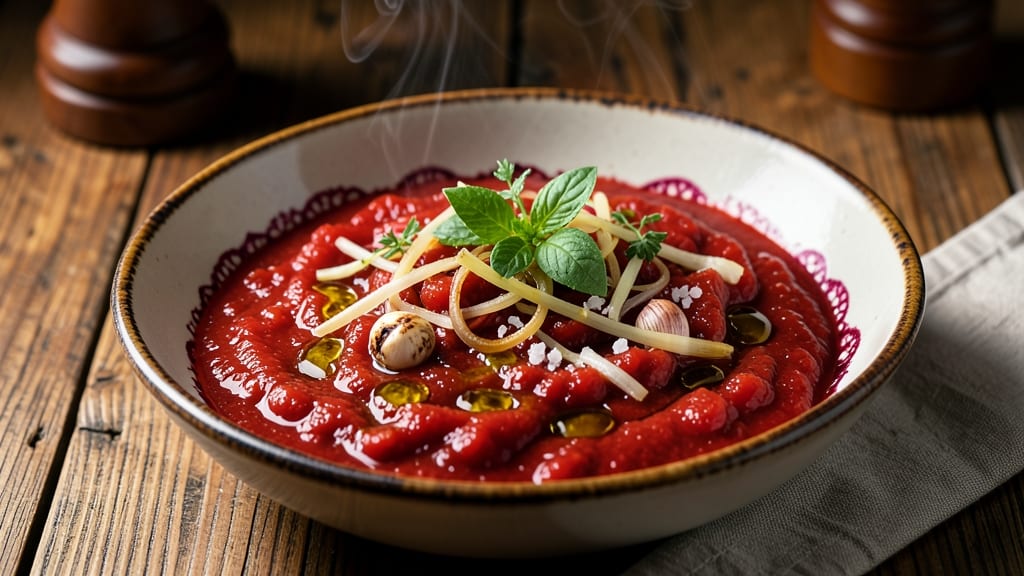
This all-day tomato sauce recipe transforms simple canned tomatoes into a deep, complex sauce with layers of umami and sweetness—perfect for pasta, pizza, or braising meats.
The slow simmer (4-6 hours) develops rich, caramelized flavors that store-bought sauces can’t match, while a blend of aromatics and herbs adds depth you’ll crave. I’ve perfected this over years of testing, ensuring it’s foolproof whether you’re cooking for a family dinner or prepping for the week.
The secret lies in the technique: starting with a soffritto of onions, garlic, and celery (the holy trinity) cooked until soft, then deglazing with wine to lift those browned bits from the pot.
Canned tomatoes—San Marzano if you can find them—provide natural sweetness and acidity, while a splash of vinegar brightens the finished sauce. Simmering uncovered allows the sauce to reduce gradually, intensifying flavors without burning.
By the end, you’ll have a velvety, aromatic sauce with a balance of sweet, tangy, and savory notes—ideal for tossing with al dente pasta, dolloping on grilled meats, or using as a base for braised dishes.
It keeps beautifully in the fridge for up to 5 days or freezes for 3 months, making it a pantry staple. The best part? Every batch tastes better than the last as the flavors meld over time.
This isn’t just a sauce—it’s a flavor foundation that elevates any dish. Whether you’re making classic spaghetti, homemade pizza, or slow-cooked ragu, this recipe delivers restaurant-quality results with minimal effort. Let’s get started—your taste buds will thank you.
Ingredients for all day tomato sauce
These simple pantry staples and fresh aromatics create a sauce so rich it tastes better each day.
| Ingredient | Amount | Notes |
|---|---|---|
| San Marzano Tomato Cans 🍅 | 28 oz | Whole peeled tomatoes, no salt added |
| Yellow Onion 🧅 | 1 whole | Medium size, finely chopped |
| Celery Stalks 🥬 | 3 whole | Trimmed, finely chopped |
| Garlic Cloves 🧄 | 6 cloves | Peeled, minced finely |
| Extra-Virgin Olive Oil 🫒 | ½ cup | High quality, fruity |
| Dry Red Wine 🍷 | ½ cup | Bold, like Cabernet Sauvignon |
| White Wine Vinegar 🍋 | 1 tbsp | For brightness |
| Fresh Basil Leaves 🌿 | ½ cup | Packed, stems removed |
| Fresh Oregano 🍃 | 1 tbsp | Chopped, or dried at 1/3 amount |
| Sea Salt 🧂 | 1 ½ tsp | Diamond Crystal preferred |
| Ground Black Pepper 🌶️ | ½ tsp | Freshly cracked |
| Granulated Sugar 🍬 | 1 tsp | Balances acidity |
San Marzano tomatoes are the gold standard here—look for the 28-oz cans at Italian markets or specialty stores. If you can't find them, any high-quality canned tomatoes work, but avoid those with added salt. The celery and onion (the holy trinity) should be finely chopped—food processor makes this job easy. For garlic, I always use 6 cloves because the flavor mellows and deepens during that long simmer. Fresh basil is non-negotiable for that bright, sweet finish, but if you're using dried, reduce to one-third the amount—it's way more concentrated.
No red wine? Dry white wine or even extra broth works in a pinch, though the wine adds that lovely depth. The vinegar might seem like overkill, but trust me—that one tablespoon brightens the whole sauce. Want more umami? Add a teaspoon of soy sauce or fish sauce (if you're not avoiding it). The sugar isn't about sweetness—it's about balancing the acidity so the sauce doesn't taste sharp. If you're prepping ahead, freeze the fresh herbs in a separate bag to add later when reheating.
This sauce gets better with time—day two is often the best. Store in airtight containers in the fridge for up to 5 days, or freeze for 3 months. I like to portion it into 1-cup servings for easy use on pasta or pizza. For reheating, low heat only—you don't want to cook off those beautiful flavors. The sauce thickens as it cools, so if it seems too thick when cold, just add a splash of water or broth when reheating.
Why You'll Love This Recipe
- This sauce works for everything: toss it with pasta, dollop it on grilled cheese, or serve it in a bread bowl at your next dinner party. I’ve even used it as a marinade for chicken—once you make it, you’ll wonder why you ever bought store-bought.
- No Chopping Nightmares: I swear by this sauce because the onion and celery get tossed in whole—no dice, no fuss. The garlic? Just smash a few cloves into the pot. By the time the tomatoes simmer, everything’s soft and sweet without me standing there like a line cook.
- San Marzano Magic: That first spoonful of sauce is ridiculously good because San Marzano tomatoes are the real deal—low acid, meaty, and packed with flavor. The olive oil caramelizes just enough to make every bite taste like you spent hours simmering, not 20 minutes.
- Weeknight to Potluck: This sauce works for everything: toss it with pasta, dollop it on grilled cheese, or serve it in a bread bowl at your next dinner party. I’ve even used it as a marinade for chicken—once you make it, you’ll wonder why you ever bought store-bought.
Step-by-step instructions for slow-simmered tomato sauce
Here's how to build rich, layered tomato sauce that develops deep flavor over hours.
Sauté the Aromatic Base
Heat the 0.5 cup extra-virgin olive oil in a heavy-bottomed saucepan over medium-low heat. Add the finely chopped yellow onion and trimmed celery stalks, cooking for 8-10 minutes until softened and translucent. You'll smell their sweetness intensify as they cook down.
Stir in the 6 cloves minced garlic and cook for 30 seconds until fragrant—don't let it brown or it'll turn bitter. This aromatic base forms the flavor foundation for everything that follows. I like to use a wooden spoon here to gently stir and prevent burning.
Deglaze with Wine and Vinegar
Pour in the 0.5 cup dry red wine, scraping up any browned bits from the bottom of the pan. Let it simmer for 3-4 minutes until reduced by half. The alcohol will cook off, leaving behind concentrated wine flavor.
Add the 1 tablespoon white wine vinegar and 1 teaspoon granulated sugar, stirring to combine. The vinegar brightens the sauce while the sugar helps balance any acidity from the tomatoes. Let this mixture simmer for another 2 minutes until the vinegar's sharpness mellows.
Build the Tomato Foundation
Add the 28 oz San Marzano tomato cans, crushing them slightly with your hands as you add them. Pour in 1 cup water (just enough to cover the tomatoes) and bring to a gentle simmer. The sauce will bubble vigorously at first, so reduce heat to low to maintain a steady simmer.
Season with 1.5 teaspoons sea salt and 0.5 teaspoon ground black pepper, then partially cover the pan. Let it simmer for 45 minutes, stirring occasionally. This initial cooking breaks down the tomatoes' texture and develops their natural sweetness.
Develop Umami Depth
After 45 minutes, add the 1 tablespoon chopped fresh oregano and 0.5 cup fresh basil leaves. Stir gently to distribute the herbs, then return to a simmer. Cook uncovered for 1-2 hours, stirring occasionally, until the sauce thickens and darkens in color.
The sauce should reduce by about one-third, with a velvety texture that coats the back of a spoon. Taste and adjust seasoning—you may need to add a pinch more salt or a splash of water if it's too thick. This slow cooking transforms simple ingredients into something extraordinary.
Finish and Store
Remove from heat and let the sauce cool slightly. The flavors will continue developing as it rests. For best results, refrigerate for at least 4 hours (or up to 3 days) before using. The longer it rests, the more complex the flavors become.
When ready to use, reheat gently over low heat, stirring occasionally. This sauce is perfect for pasta, pizza, or any dish that needs rich tomato flavor. The deep umami notes and balanced acidity make it a pantry staple worth the time investment.
Pro Tips For Making All Day Tomato Sauce
- Sweat, Don’t Burn: The onion and celery should release moisture and soften—not turn into charred bits. Keep heat medium-low and stir every 30 seconds with a wooden spoon. I learned this the hard way after one batch tasted like a campfire.
- Crush Those Garlic Cloves: Minced garlic burns fast, but whole cloves left to infuse add depth without bitterness. Smash 4-5 cloves with the flat side of your knife before adding them to the pot. Let them sizzle for 30 seconds, then crush them with the back of a spoon—this releases flavor without burning.
- Skip the Boil: Your sauce will split and taste thin if you rush the tomatoes. After adding crushed San Marzanos, bring to a gentle simmer (tiny bubbles, barely moving) and let it cook uncovered. This concentrates flavor instead of turning it into soup.
- Salt in Stages: Add half the salt upfront, then taste again after 2 hours. The acidity in San Marzanos makes it tricky—you’ll need more than you think. I used to oversalt, so now I wait, adjust, and trust my palate. (Your future self will thank you.)
Nutrition facts
Frequently asked questions
Can I use regular canned tomatoes instead of San Marzano?
Yes, but expect slightly less sweetness and complexity. San Marzano tomatoes have fewer seeds and more natural sugar, but any high-quality canned tomatoes (like crushed or diced) will work. Just add ½ teaspoon extra sugar if using standard brands to balance acidity. Avoid tomatoes with added salt or preservatives.
How do I prevent the sauce from burning during long simmering?
Use a heavy-bottomed pot and keep heat at low-medium—never high. Stir occasionally and add 1-2 tablespoons water if the sauce gets too thick. A splash of wine or broth can also help maintain moisture. Never leave it unattended, especially in the first 2 hours of cooking.
Can I make this sauce in a slow cooker or Instant Pot?
For a slow cooker, sauté the aromatics first, then transfer everything to the pot and cook on low for 6-8 hours. For an Instant Pot, sauté the base, add all ingredients, and cook on high pressure for 20 minutes, then natural release. Both methods work, but the stovetop version gives you more control over reduction.
Why does my sauce taste too acidic or bland after refrigerating?
Acidity often mellows after 24 hours—give it time! If it's still sharp, add ½ teaspoon sugar or a pinch of salt. For blandness, try a splash of red wine vinegar or a pinch of smoked paprika to deepen flavors. Always taste before adjusting—your sauce may just need more time to develop.
How can I use this sauce beyond pasta and pizza?
This versatile sauce elevates so much! Use it for braising meats (like chicken or pork chops), as a marinade for grilled vegetables, or mixed into risotto. It’s perfect for stuffed peppers, lasagna, or even as a dip with crusty bread. The umami depth makes it a great base for soups too—just thin with broth if needed.