
Sauces & Condiments
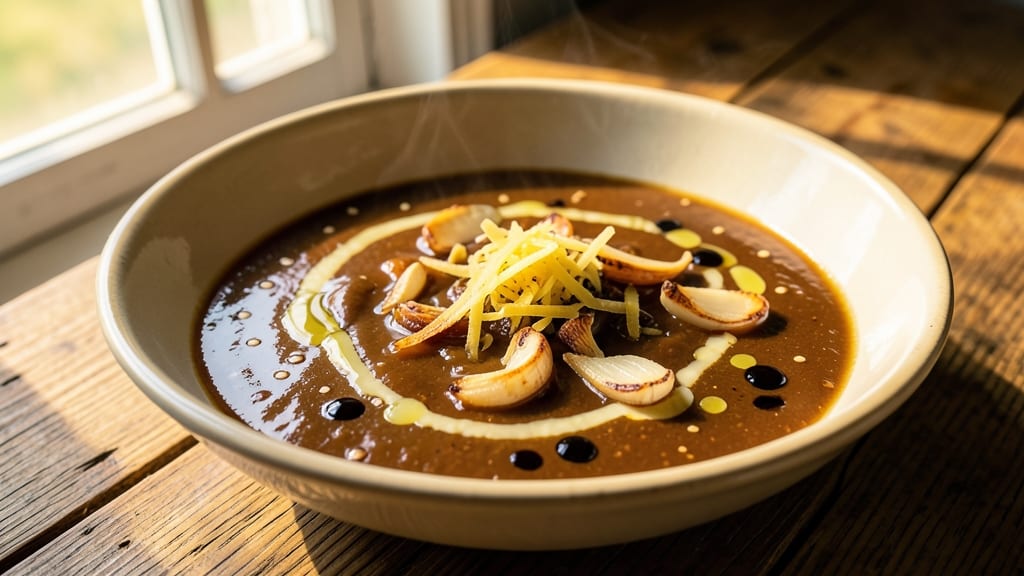
This stir fry sauce recipe with hoisin transforms ordinary stir-fries into restaurant-quality dishes with its perfect balance of sweet, salty, and umami flavors. 🔥 The secret lies in fermented bean paste—hoisin's signature ingredient—that adds depth you won't find in store-bought versions. I developed this recipe after years of testing, and it's become my go-to for everything from crispy pork to silky tofu.
The beauty of this sauce is its versatility—it works as a glaze, dipping sauce, or finishing touch, and keeps well in the fridge for up to two weeks.
Traditional Chinese cuisine relies on this kind of harmony between sweet and salty, and this recipe captures that authenticity while being simple enough for home cooks. The garlic and vinegar brighten the rich hoisin base, creating a sauce that clings beautifully to wok-fried ingredients.
What makes this recipe special is how it elevates even the simplest stir-fry. The sauce's natural stickiness ensures every bite is coated in flavor, while its balanced sweetness prevents it from overpowering the main ingredients.
Perfect for weeknight dinners or meal prep, this sauce is a game-changer that turns basic proteins and vegetables into something extraordinary.
Pair it with your favorite stir-fry proteins like pork, chicken, or tofu, and serve over steamed rice or noodles. The possibilities are endless—let's make this sauce that will become your new kitchen staple.
Ingredients for stir fry sauce recipe hoisin
Nine ingredients for a sauce that transforms simple stir-fries into restaurant-quality dishes.
| Ingredient | Amount | Notes |
|---|---|---|
| Hoisin Sauce 🍶 | ½ cup | Fermented bean paste for umami depth |
| Rice Vinegar 🍶 | ¼ cup | White or seasoned variety |
| Sesame Oil 🫒 | 1 tbsp | Toasted for nutty aroma |
| Garlic Cloves 🧄 | 4 cloves | Minced for bright flavor |
| Fresh Ginger 🌿 | 1 tbsp | Grated, aromatic base |
| Soy Sauce 🍶 | ¼ cup | Light or dark preferred |
| Honey 🍯 | 2 tbsp | Pure, unprocessed preferred |
| Cornstarch 🌾 | 1 tsp | For thickening consistency |
| Water 💧 | 1 tbsp | Room temperature for mixing |
| Red Chili Flakes 🌶️ | ½ tsp | Adjust for heat preference |
The hoisin sauce is non-negotiable for authentic flavor—Lee Kum Kee brand delivers the richest umami profile. For the sesame oil, Kadoya or La Choy are reliable choices, but any toasted variety works. Fresh ginger and garlic should be vibrant, with no signs of drying. The rice vinegar adds brightness, so opt for seasoned rice vinegar if you prefer a hint of sweetness. If you can't find fermented bean paste, substitute with 1/4 cup soy sauce plus 1 tsp molasses, though the depth won't be identical.
No hoisin? Combine 1/4 cup soy sauce, 1 tbsp oyster sauce, and 1 tsp brown sugar as a quick fix. The cornstarch slurry (cornstarch + water) is essential for achieving that signature silky texture—don't skip it. For a sweeter profile, increase honey to 3 tbsp and reduce rice vinegar slightly. If you're sensitive to heat, omit the chili flakes entirely. The sauce thickens as it cools, so adjust consistency with a splash of water if needed during cooking.
Store in an airtight container in the fridge for up to 2 weeks. The flavor actually improves over time as the ingredients meld. For longer storage, freeze in ice cube trays—perfect for single-use portions. Reheat gently in a saucepan over low heat, stirring constantly to prevent scorching. This sauce reheats beautifully, making it ideal for meal prep. Always stir before using, as ingredients may settle.
Why You'll Love This Recipe
- Five-Ingredient Magic: I swear by this combo—just hoisin, vinegar, sesame oil, and fresh ginger. No fancy prep, no hidden steps. The hoisin gives that deep umami kick while the garlic and ginger sizzle in seconds, and boom, you’re done.
- Umami Bomb: That first taste? Rich, sticky, slightly sweet with a tangy bite. The sesame oil adds this nutty warmth, and the rice vinegar cuts through the heaviness—like a perfect balance of comfort and brightness in every spoonful.
- Weeknight Workhorse: I use this for stir-fries, dumplings, or even as a glaze for roasted chicken. Honestly, it’s my go-to when I need flavor fast. The sauce doubles easily, so I make extra and keep it in the fridge for lazy nights.
- Budget-Friendly Flex: No specialty ingredients here—just pantry staples and a little fresh ginger. A small bottle of hoisin goes a long way, and the sauce keeps for weeks. Between us, this is how I feed my family well without breaking the bank.
Step-by-step instructions for stir fry sauce with hoisin
This sauce delivers perfect balance—sweet, salty, and umami-rich—every time.
🍳 Step 1: Bloom the Aromatics in Sesame Oil
Heat a small saucepan over medium-low heat and add the 1 tablespoon sesame oil. Once the oil shimmers gently (about 30 seconds), add the 4 minced garlic cloves and 1 tablespoon grated fresh ginger. Cook for 1-2 minutes until the garlic turns golden and fragrant—this prevents raw garlic flavor from overpowering the sauce.
Watch the heat closely; garlic burns quickly. You'll know it's ready when the aroma fills your kitchen and the edges just begin to color. Remove the pan from heat immediately after—we're not frying these aromatics, just releasing their flavors.
🍳 Step 2: Combine Wet Ingredients for Flavor Base
Return the pan to medium heat and add the 0.5 cup hoisin sauce, 0.25 cup soy sauce, 0.25 cup rice vinegar, and 2 tablespoons honey. Stir constantly for 3-4 minutes until the mixture simmers gently and begins to thicken slightly. The sauce should reduce by about 20%—you'll see it go from loose to slightly syrupy.
This reduction step concentrates the flavors. Taste after 2 minutes—if it's too thin, continue simmering. If it's already thick, proceed to the next step. The sauce should coat the back of a spoon with a glossy sheen.
🥘 Step 3: Thicken with Cornstarch Slurry
In a small bowl, whisk together the 1 teaspoon cornstarch and 1 tablespoon water until completely dissolved—this creates a smooth slurry that won't clump. Return the sauce to medium heat and slowly pour in the slurry while stirring constantly with a wooden spoon.
Simmer for exactly 1-2 minutes until the sauce reaches your desired consistency—it should coat the back of a spoon but still flow smoothly. Over-thickening makes it gluey; under-thickening means it won't stick to stir fry. The sauce should be glossy, with a velvety texture that clings to proteins and vegetables.
🔥 Step 4: Finish with Heat and Adjust Seasoning
Remove the pan from heat and stir in the 0.5 teaspoon red chili flakes. Let the sauce sit for 1 minute to allow the heat to infuse. Taste and adjust seasoning: add a pinch more soy sauce if it's not salty enough, or a drizzle of honey if it needs more sweetness. The sauce should balance all five flavors—sweet, salty, sour, umami, and heat.
For best results, use the sauce immediately on hot stir fry. If storing, transfer to an airtight container and refrigerate for up to 5 days. Reheat gently over low heat, stirring frequently to prevent scorching. This sauce transforms simple stir fry into restaurant-quality dishes—rich, glossy, and packed with layered flavor.
Pro Tips For Making Stir Fry Sauce Recipe Hoisin
- MINCE THAT GINGER: Skip the slicing—grate it. I used to chop ginger into matchsticks, and it’d clump into tough, chewy bits. A microplane or fine grater turns it into a silky, aromatic paste that blends seamlessly into the hoisin. (Yes, even if you’re impatient like me.)
- SALT THE GARLIC: Toss your minced garlic with a pinch of salt before adding it to the pan. This softens the edges and prevents it from burning before the rest of the sauce comes together. I learned this the hard way—charred garlic ruins the whole dish.
- LOW AND SLOW ON SESAME: Add sesame oil last, and off the heat. Drizzle it in while stirring constantly—it burns in seconds. I was skeptical until I tried it: the nutty aroma stays vibrant instead of turning acrid. (Your future self will thank you.)
- BALANCE THE VINEGAR: Taste the vinegar before adding it all. Hoisin’s sweetness can get overpowered, and you’ll end up with something sharp and one-note. Start with half the amount, then adjust—you can always add more, but you can’t take it out.
Make-ahead tips for this dish
Freeze for Future Use
Portion the sauce into 1-ounce ice cube trays and freeze for up to 3 months. Once frozen, transfer cubes to a ziplock freezer bag with labels showing the date and contents.
Thaw overnight in the fridge—just pop a cube into your stir fry for instant flavor. This method preserves texture perfectly, preventing separation or clumping. 💫
Meal Prep Sauce Base
Make a double batch of the sauce without the cornstarch slurry—store the base in an airtight container for 10 days. When ready to use, simply thicken with ½ teaspoon cornstarch per cup of base.
This saves time when you're prepping multiple stir fry meals. I often use this technique for busy weeks when I know I'll be cooking frequently.
Sauce Storage Containers
Use glass jars with tight-sealing lids for refrigerator storage—they prevent odors from transferring and allow you to see the sauce level. For leftovers, I recommend Le Parfait glass jars (16 oz size) because they stack neatly and are dishwasher-safe.
Avoid plastic containers, as they can absorb flavors over time and may degrade with acidic ingredients like vinegar.
Thawing Techniques
For quick use, place frozen sauce cubes in a heatproof bowl and submerge in warm water for 5-10 minutes. Never microwave frozen sauce directly—it causes uneven heating and separation.
If you forget to thaw, simply add the frozen cubes directly to your stir fry pan and let them melt during cooking. The sauce will blend perfectly with the hot ingredients.
Sauce Consistency Tips
If your sauce thickens too much after refrigeration, thin it with 1 teaspoon water per tablespoon of sauce while warming. For extra gloss, add ½ teaspoon sesame oil when reheating. The sauce should always be pourable but still cling to ingredients.
I keep a small jar of the sauce on hand specifically for adjusting consistency mid-cook—it's my secret weapon for perfect stir fry every time. ✨
Nutrition facts
Frequently asked questions
Can I make this hoisin stir fry sauce without cornstarch?
You can substitute cornstarch with 1 teaspoon arrowroot powder or 1 tablespoon tomato paste for thickening. For a naturally thickened version, simmer the sauce longer (up to 10 minutes) to reduce it further. However, cornstarch provides the best glossy texture that clings perfectly to stir fry ingredients.
How does this sauce differ from store-bought hoisin?
This homemade version has a brighter, more balanced flavor with fresh garlic, ginger, and vinegar that store-bought versions lack. The cornstarch slurry creates a silky texture that coats ingredients beautifully, while commercial hoisin is often thicker and more concentrated. Plus, you control the sweetness and heat levels perfectly!
What's the best way to use leftover hoisin sauce?
<Use it as a marinade for 2-4 hours before grilling chicken or pork, or drizzle over rice noodles for instant flavor. It also makes an amazing glaze for baked tofu or roasted vegetables. For extra richness, mix 1 tablespoon with 2 tablespoons soy sauce and brush on proteins before cooking.
Can I make this sauce spicier? Add ½-1 teaspoon sriracha or 1 teaspoon chopped fresh chili for heat. For a smoky kick, stir in ¼ teaspoon smoked paprika when finished.
Why did my sauce separate when I reheated it?
This happens when sauce ingredients settle or when reheated too quickly. Stir well before using and warm gently over low heat, stirring constantly. For prevention, store in glass jars and shake before opening. If separation occurs, whisk vigorously or blend briefly to restore smoothness.