
Sauces & Condiments
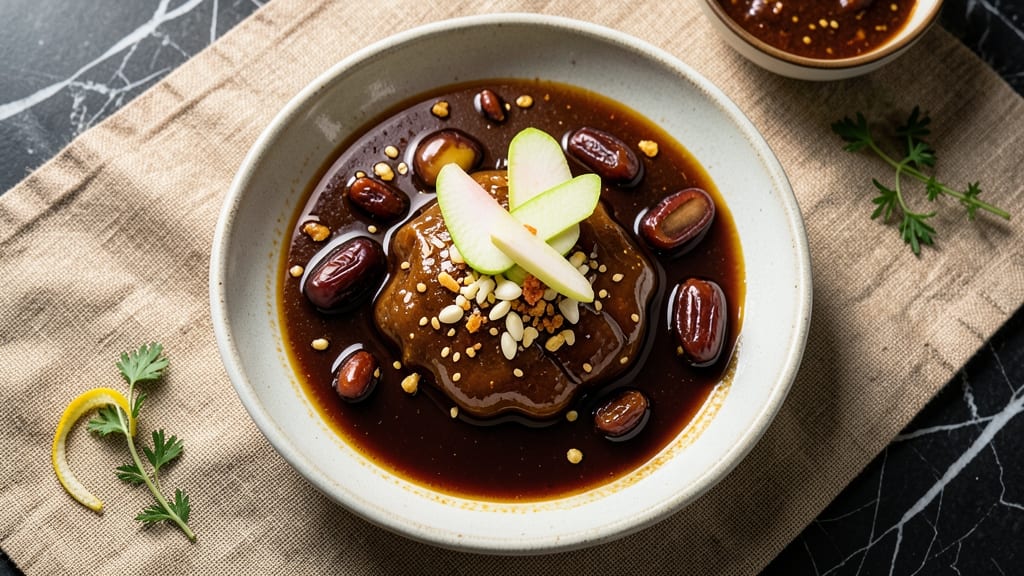
This Asian hoisin sauce recipe delivers the perfect balance of fermented soy depth and caramelized date sweetness—just like your favorite takeout, but made in minutes. The secret lies in simmering fermented soybeans with garlic, ginger, and vinegar until the flavors meld into a thick, glossy paste. I developed this version after years of searching for a homemade alternative that rivals store-bought, with none of the preservatives or artificial flavors.
The process is straightforward: toast the spices, simmer the sauce until thickened, then blend with dates for natural sweetness. This sauce transforms ordinary stir-fries into restaurant-quality meals and elevates simple dishes like spring rolls or grilled meats.
The key is patience—letting the flavors develop during the simmer creates that signature umami richness that defines authentic hoisin.
What you’ll end up with is a versatile sauce that’s equally at home as a dipping sauce, stir-fry glaze, or marinade. The texture is smooth yet thick enough to cling to ingredients, while the flavor profile balances sweet, salty, and tangy notes.
Adjust the sweetness to your preference by adding more dates or a touch of honey if needed.
Perfect for meal prep or last-minute cooking, this hoisin sauce keeps well in the refrigerator for up to two weeks. Whether you’re cooking for family or craving takeout flavors at home, this recipe delivers professional results with simple ingredients and a foolproof method.
Ingredients for asian hoisin sauce
Nine ingredients, one sauce—restaurant-quality hoisin without the preservatives.
| Ingredient | Amount | Notes |
|---|---|---|
| Fermented Soybeans (Douchi) 🌱 | ½ cup | Toasted until fragrant, packed |
| Garlic Cloves 🧄 | 6 cloves | Minced, fresh preferred |
| Fresh Ginger 🌿 | 2 tbsp | Finely grated, peeled |
| Rice Vinegar 🍶 | ¼ cup | White or seasoned variety |
| Medjool Dates 🍈 | ½ cup | Pitted, chopped, for sweetness |
| Soy Sauce 🍶 | ¼ cup | Light or dark, no sugar added |
| Sesame Oil 🫒 | 1 tbsp | Toasted, for aroma |
| Sugar 🍬 | 2 tbsp | White or brown, adjust to taste |
| Star Anise Pods 🌟 | 2 whole | Lightly crushed, aromatic |
| Water 💧 | ½ cup | For thinning consistency |
Fermented soybeans are the umami powerhouse here. Asian markets usually stock them pre-toasted, but if you find them raw, toast them in a dry pan for 3-4 minutes until fragrant—don't burn them. The garlic and ginger should be fresh (no jars of pre-minced), and Trader Joe's carries great ginger root. Dates add natural sweetness, but if you can't find Medjool, deglet noor or regular dates work fine. For the sesame oil, grab the toasted kind—it's worth the extra penny for that nutty aroma.
No fermented soybeans? Substitute with 1/4 cup miso paste, but reduce the soy sauce to 2 tbsp to avoid over-salting. Fresh ginger too spicy? Use 1 tbsp ground ginger instead. The vinegar can be swapped for apple cider vinegar, though rice vinegar's mild tang is ideal. Want extra depth? Add 1 tsp of Chinese five-spice powder. For a smoother texture, blend the dates with the final sauce—this prevents any graininess.
This sauce thickens as it cools, so don't stress if it looks thin right after blending. Store in an airtight jar in the fridge for up to 2 weeks. For longer storage, freeze in ice cube trays—thaw and whisk back to perfection. The flavor actually improves over time, so make extra if you can. If it gets too thick, stir in a splash of water. If too thin, simmer uncovered for 5 minutes to reduce.
Why You'll Love This Recipe
- No Blender Needed: I swear by this—just a knife, a pan, and 10 minutes of stirring. That fermented douchi? It’s the secret; no fancy equipment required, and the texture comes out just right when you toast the garlic and ginger first.
- Sweet-Savory Magic: The dates melt into this sauce like a hug, balancing that funky douchi with bright vinegar and caramelized garlic. It’s the kind of flavor that makes you pause mid-bite—like discovering a shortcut to your favorite takeout.
- Pantry Stash Hero: Honestly, I keep this in my fridge for everything—drizzled over noodles, tossed with roasted veggies, or even as a dip. The best part? It actually tastes better the second day, so you’ll make it again before you finish the first batch.
- Budget Booster: Douchi and dates might sound fancy, but they stretch this sauce far—a little goes a long way. I’ve used it to dress up cheap proteins or bulk up boring rice, and no one ever guesses it’s not store-bought. (Yes, even on a Tuesday night.)
Step-by-step instructions for crafting fermented soy and date hoisin sauce
This homemade hoisin delivers deep umami, caramelized sweetness, and aromatic complexity in just minutes.
Toast the Fermented Soybeans and Aromatics
Heat a dry skillet over medium heat and add the 0.5 cup Fermented Soybeans (Douchi). Toast them for 2-3 minutes until fragrant and slightly puffed—you'll smell that nutty, funky aroma that defines authentic hoisin. Remove from heat immediately and set aside in a bowl.
In the same skillet, add the 2 whole Star Anise Pods and toast for 30 seconds until lightly golden. The pods should release their piney aroma. Transfer them to the bowl with the fermented soybeans. This toasting step unlocks the maximum flavor from both ingredients without burning them.
Cook the Garlic and Ginger Base
Return the skillet to medium heat and add the 1 tbsp Sesame Oil. When it shimmers, add the 6 cloves Garlic Cloves and 2 tbsp Fresh Ginger. Cook for 1-2 minutes until the garlic turns golden brown and the ginger becomes fragrant—this prevents raw garlic flavor and adds depth to the sauce.
I like to press down gently on the garlic with a spatula during the first minute to ensure even cooking. If it starts to brown too quickly, reduce heat to medium-low. The moment it turns golden, remove from heat and transfer to the bowl with the toasted soybeans and star anise.
Simmer the Sweet and Savory Mixture
In a saucepan, combine the toasted ingredients with the 0.25 cup Rice Vinegar, 0.25 cup Soy Sauce, 2 tbsp Sugar, and 0.5 cup Medjool Dates. Bring to a gentle simmer over medium heat and cook for 8-10 minutes, stirring occasionally, until the dates soften and the mixture thickens into a syrupy consistency.
Here's where the magic happens: the dates caramelize slightly, creating that signature hoisin sweetness while the vinegar and soy sauce balance with tangy umami. You'll see the mixture reduce and become glossy—this is your visual cue that the flavors are melding perfectly.
Blend and Thin to Perfect Consistency
Remove from heat and let cool for 5 minutes. Transfer the mixture to a blender or food processor and blend until completely smooth. The texture should be thick but pourable—like honey mixed with soy sauce. If it's too thick, add the 0.5 cup Water 1 tablespoon at a time until you reach a glossy, spreadable consistency.
Taste and adjust seasoning—you might want to add a touch more sugar if you prefer sweeter hoisin, or a splash more rice vinegar for brightness. The sauce should coat the back of a spoon with a velvety texture that's neither too thin nor too thick.
Pro Tips For Making Asian Hoisin Sauce
- SOAK THE DOUCHI FIRST: Fermented soybeans (douchi) are packed with umami but can be bitter if dry-roasted raw—soak them in warm water for 10 minutes before cooking. I learned this the hard way when my first batch tasted like overworked leather; the soak softens their texture and mellows the funk.
- MINCE GINGER FINE: Skip the big chunks—this sauce needs the ginger’s heat to bloom properly. Use a sharp knife to mince it into tiny, almost paste-like pieces before adding it to the pan. My grandmother swore by this, and she was right: you’ll taste the difference in every bite.
- LOW AND SLOW WITH GARLIC: Garlic burns faster than you think, especially when paired with douchi. Once you add the minced garlic, drop the heat to medium-low and stir constantly—no, really, don’t walk away. I was skeptical until I tried it: crispy garlic ruins the sauce, but patient cooking keeps it sweet and aromatic.
- PUREE DATES SMOOTH: Medjool dates should blend into a silky paste, not a chunky mess. Pit, soak, and blend them with a splash of warm water before adding to the sauce—this prevents graininess. (Yes, even if you’re impatient like me.) The result? A velvety texture that coats everything perfectly.
Best sauces and condiments for this asian hoisin sauce
Sweet-Savory Balance
The secret to restaurant-quality hoisin lies in balancing sweetness and umami. I start with Medjool dates for natural caramelization, but if you prefer less sweetness, reduce them to ¼ cup and add 1 tsp honey at the end.
For extra depth, toast 1 tsp coriander seeds with the star anise—it adds a citrusy note that complements the soy perfectly. 🌶️
Umami Boosters
Fermented soybeans are non-negotiable for authentic flavor, but if you can't find them, ½ cup miso paste works in a pinch. For even more umami, add 1 tbsp fish sauce during the simmer—it enhances the savory notes without overpowering.
I also like a pinch of white pepper for subtle heat that rounds out the sauce.
Texture Control
Hoisin should be thick enough to cling but pourable enough to drizzle. If your sauce is too thin after blending, simmer it uncovered for 5-7 minutes to reduce. For extra thickness, blend in 1 tsp cornstarch mixed with 1 tsp water.
Store in an airtight jar—it will thicken further in the fridge, so thin with a splash of water before using.
Flavor Variations
Craving heat? Add ½ tsp chili flakes or 1 tsp gochujang to the simmering mixture. For a nutty twist, stir in 1 tbsp peanut butter after blending. I also love a splash of Shaoxing wine (2 tbsp) during the simmer—it adds complexity that store-bought versions miss. ✨
Storage Tips
This sauce keeps for 2 weeks in the fridge, but flavor peaks after 3-5 days as ingredients meld. For longer storage, freeze in 1-tbsp portions—thaw overnight in the fridge. If it separates, whisk vigorously to restore smoothness. The dates may crystallize slightly, but blending briefly fixes this instantly.
Serving Ideas
Use this hoisin as a dipping sauce for spring rolls or pork dumplings, a glaze for grilled chicken, or a marinade for tofu. I also love it drizzled over noodle bowls or mixed into peanut sauce for extra richness. The possibilities are endless—let your creativity flow! 💫
Nutrition facts
Frequently asked questions
Can I make hoisin sauce without fermented soybeans?
Yes, but the flavor won't be as authentic. Use ½ cup miso paste instead and reduce soy sauce to 2 tbsp to avoid over-salting. For extra depth, add 1 tbsp fish sauce during simmering. The texture will be slightly smoother but still delicious—just expect less funky umami.
How do I adjust the sweetness in my homemade hoisin?
Start by tasting after blending. For more sweetness, stir in 1 tsp honey or 1 tbsp date syrup. Need less? Reduce dates to ¼ cup in future batches. The sugar in the recipe is just a base—