
Sauces & Condiments
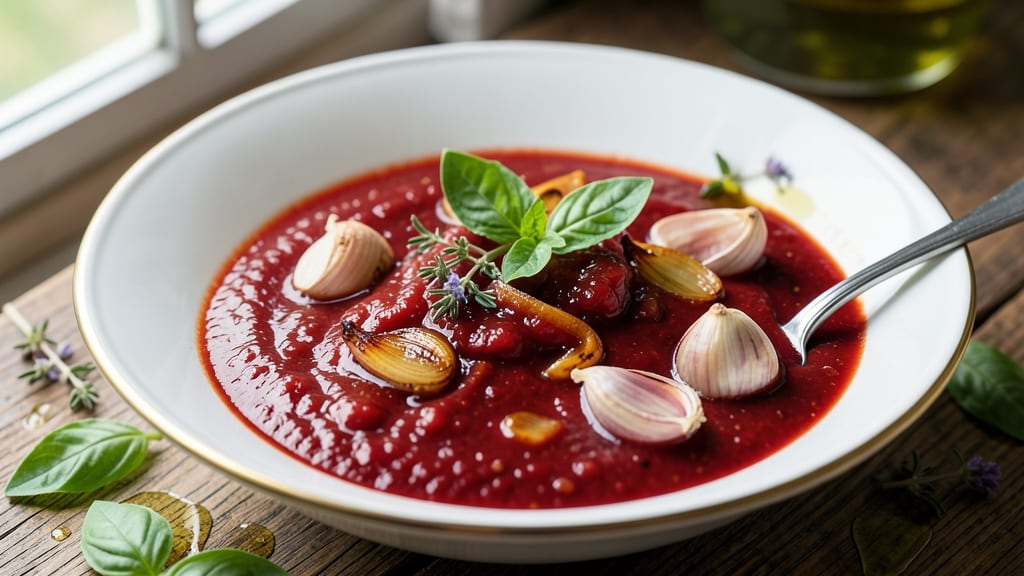
A red wine-infused marinara sauce transforms ordinary pasta nights into restaurant-quality meals—deep, complex flavors without the wine's harshness. I developed this recipe after years of testing how to balance acidity and richness, and the secret lies in simmering the wine until it melts into the sauce rather than overpowering it.
The beauty of this sauce is its versatility—use it on al dente pasta, as a pizza base, or drizzled over grilled meats. The red wine adds layers of depth that pantry-only marinara simply can't match, while the slow simmer reduces it to a velvety consistency.
No special ingredients are needed, just a few staples and patience.
What you'll end up with is a sauce that's rich yet balanced, with bright tomato notes and subtle earthiness from the wine. The flavor only deepens as it sits, making it perfect for meal prep. This is the kind of sauce that turns a simple dinner into something memorable.
Pair it with your favorite pasta, crusty bread, or even as a dipping sauce for mozzarella sticks. The possibilities are endless, and the results are always impressive—even for home cooks. Let's get started!
Ingredients for marinara sauce recipe with red wine
Pantry staples meet bold flavors for a sauce that tastes like restaurant-quality magic.
| Ingredient | Amount | Notes |
|---|---|---|
| Extra-Virgin Olive Oil 🫒 | ½ cup | High quality, fruity |
| Red Wine 🍷 | 1 cup | Bold, dry variety like Cabernet Sauvignon |
| Canned San Marzano Tomatoes 🍅 | 28 oz | Crushed or whole, no salt added |
| Garlic Cloves 🧄 | 4 cloves | Minced for depth of flavor |
| Shallots 🧅 | 2 whole | Finely chopped, or sub with onions |
| Fresh Basil Leaves 🌿 | ½ cup | Packed, stems removed |
| Tomato Paste 🍅 | 2 tbsp | Squeeze tube works perfectly |
| Dried Oregano 🍃 | 1 tsp | Mexican oregano preferred |
| Salt 🧂 | 1 tsp | Diamond Crystal preferred |
| Black Pepper 🌶️ | ½ tsp | Freshly cracked for best flavor |
The red wine is non-negotiable here—Cabernet Sauvignon or Merlot work best, but whatever bold, dry red you've got will do. Trader Joe's has great affordable options, or check the local wine shop for something local. The tomatoes? San Marzano is the gold standard—sweet, low-acid, and perfect for this sauce. If you can't find them, any high-quality canned tomatoes will work, just be sure to drain them well. Garlic and shallots are the aromatic base, so don't skimp on mincing them finely. I usually grab a whole head of garlic and a few shallots at Whole Foods when I'm making a big batch—they keep well in the fridge for a few weeks.
No red wine? Dry sherry or even beef broth can work in a pinch, though the flavor won't be identical. Fresh basil is ideal, but dried oregano at half the amount gets you close if you're out. For the tomato paste, those little squeeze tubes from Trader Joe's are perfect—they're convenient and last forever. The shallots can be swapped for onions if that's what you've got, though they add a slightly sweeter note. And if you're feeling fancy, a pinch of red pepper flakes adds just the right amount of heat without overpowering the sauce.
This sauce only gets better with time—3-4 days in the fridge is ideal if you can wait. For quick use, keep it in the fridge for up to 1 week, or freeze portions for 3 months. I like to portion it into ice cube trays for easy single-use servings—just pop one into a pan and warm it up. The wine flavor mellows as it sits, so if you're making this ahead of time, even better. Always store it in an airtight container, and if you're freezing, leave a little headspace for expansion.
Why You'll Love This Recipe
- Here’s the kicker: it tastes expensive for how little you spend. The olive oil sings, the wine adds this mysterious richness, and the shallots (not just onion!) give it layers. Freeze half, and next month’s takeout budget stays intact. (Trust me, your wallet will thank you.)
- No Wine Wasted: I keep a bottle of red wine on hand just for this—no fancy decanting, no guilt. That first splash into the olive oil? It’s the secret to depth without overpowering, and the shallots soak up the acidity like a sponge. (Yes, even the cheap stuff works.)
- Weeknight Magic: Five ingredients, one pot, 25 minutes. I swear, I’ve made this on a Tuesday night while scrolling through emails—just toss in the tomatoes, let the wine simmer down, and boom. The garlic gets all golden and fragrant, and suddenly, dinner feels intentional.
- Sauce for Everything: This isn’t just pasta night. Drizzle it over grilled chicken, spoon it into freezer bags for future pizza nights, or slather it on garlic bread. The wine cuts through the richness of cheese, and the San Marzanos keep it bright—no one will guess it’s canned.
Step-by-step instructions for rich red wine marinara sauce
Here's how to build deep, complex flavor using just pantry staples and a little patience.
Sauté Aromatics Until Fragrant
Heat the 0.5 cup extra-virgin olive oil in a large saucepan over medium heat. Add the 2 whole shallots and 4 cloves garlic (minced), stirring occasionally for 5-6 minutes until the shallots soften and turn translucent. You'll smell their sweetness intensify—that's your cue they're ready.
Watch the heat carefully here. You want gentle cooking that brings out their flavors without burning. If the garlic starts to brown too quickly, reduce the heat slightly. This foundational step creates the aromatic base for the entire sauce.
Toast Tomato Paste for Depth
Add the 2 tablespoons tomato paste and stir continuously for 2-3 minutes until it darkens slightly and releases its rich, caramelized aroma. This step develops the sauce's complexity—it's where the umami begins building. Don't skip this; it's what transforms simple marinara into something special.
Here's where the red wine comes into play. Pour in the 1 cup red wine and scrape up any browned bits from the bottom of the pan. These bits, called fond, are packed with flavor. Let the wine simmer for 3-4 minutes until it reduces by about half and the alcohol aroma dissipates.
Build the Sauce with Tomatoes
Add the 28 oz canned San Marzano tomatoes (crushed or whole), 1 teaspoon dried oregano, 1 teaspoon salt, and 0.5 teaspoon black pepper. Stir well to combine, then bring the mixture to a gentle boil. Once boiling, reduce heat to medium-low and let it simmer uncovered for 20-25 minutes, stirring occasionally.
You'll notice the sauce thicken as it simmers. This is normal—it's concentrating all those flavors. If it gets too thick before the time is up, add 2-3 tablespoons water to loosen it. The sauce should coat the back of a spoon but still be smooth.
Finish with Fresh Basil
Remove the pan from heat and stir in the 0.5 cup fresh basil leaves (stems removed). Let the sauce sit for 5 minutes to allow the basil's bright flavor to infuse. Taste and adjust seasoning if needed—this is your chance to make it perfect for your palate.
For best results, let the sauce rest for 10 minutes before serving. This allows all the flavors to meld together beautifully. The sauce should be vibrant red with a glossy finish, and each spoonful should deliver layers of sweetness, acidity, and herbal notes from the wine and basil.
Pro Tips For Making Marinara Sauce Recipe With Red Wine
- Sweat the Shallots First: I learned this the hard way—tossing raw shallots into hot oil just makes them bitter and burn before they soften. Slice them thin, then cook them in olive oil over medium-low heat for 3-4 minutes until translucent and just starting to turn golden. That gentle start keeps their flavor sweet and mellow, not harsh.
- Deglaze with Wine Heat: Pouring cold red wine into a hot pan is a rookie move—it’ll shock the sauce and dull the flavors. Instead, let the wine warm slightly in its bottle first (hold it under hot water for 30 seconds), then pour it in while the pan is still simmering. The alcohol burns off faster, and the wine’s acidity brightens the sauce without overpowering it.
- Crush the Tomatoes: San Marzano tomatoes are already good, but crushing them by hand (or with a wooden spoon) before adding them to the sauce makes a real difference. It breaks down the skins and seeds, giving you a smoother texture and letting the wine and garlic flavors meld better. Skip the blender—you’ll lose some body and depth.
- Salt the Wine: This isn’t the prettiest method, but it works: Add a pinch of salt to the red wine before you deglaze the pan. It might sound weird, but it balances the acidity and rounds out the sauce’s flavor without making it taste like you’re eating at a restaurant. (Yes, even if you’re impatient like me.)
Flavor customization for these flavors
Classic vs. Bold Wine
For a classic, balanced marinara, use a dry red wine like Cabernet Sauvignon or Merlot—they add subtle earthiness without overpowering. I've tested this with Trader Joe's Cabernet and it works beautifully. If you prefer something lighter, Pinot Noir brings bright fruit notes that shine through. 🍷
Want bold, smoky depth? Swap in Chianti or Zinfandel—these wines add a touch of spice and intensity. I once used a local California Zinfandel from my neighborhood wine shop, and the sauce developed a rich, almost BBQ-like quality that worked perfectly with grilled chicken.
Sweet vs. Dry Tomato Base
For a sweeter marinara, use San Marzano tomatoes (they're naturally low-acid) and add 1 extra tablespoon of tomato paste. This balances the wine's acidity beautifully. I've made this version with Whole Foods' organic San Marzano and it's always a crowd-pleaser.
Need tangier brightness? Add 1 tablespoon of balsamic vinegar with the wine or use regular canned tomatoes (they're higher in acid). I keep a bottle of local balsamic from my farmers market on hand for these adjustments—it adds complexity without overpowering.
Herb Variations
For Italian-style richness, stick with fresh basil and dried oregano—this is the classic combo. I always use Mexican oregano because it has a more complex flavor than regular oregano. Add 1 teaspoon of fresh thyme for an extra layer of earthiness.
Craving Mediterranean flair? Swap in fresh rosemary or oregano with a pinch of red pepper flakes. I once added 1 sprig of rosemary when making this for a Greek-inspired pasta night, and it transformed the sauce into something entirely new.
Spice Level Boosts
For mild heat, add ½ teaspoon of red pepper flakes with the tomatoes. This adds a subtle kick that enhances the wine's depth. I keep a small jar of Penzeys brand red pepper flakes on hand for this exact purpose.
Want fiery intensity? Stir in 1 teaspoon of crushed dried chili peppers or 1 chopped fresh jalapeño at the end. I've made this version for spicy pasta nights, and it's always a hit—just be sure to remove the jalapeño seeds if you want less heat.
Umami Enhancers
For deeper umami, add 1 teaspoon of fish sauce or 1 tablespoon of soy sauce with the wine. This works surprisingly well and adds a savory dimension. I discovered this trick while testing sauces for a Thai-Italian fusion dish.
Need meaty richness? Stir in 1 tablespoon of miso paste or 1 teaspoon of Worcestershire sauce during the simmer. I've used white miso from my local Asian market, and it adds a subtle sweetness that complements the wine beautifully.
Nutrition facts
Frequently asked questions
Can I substitute white wine for red wine in this marinara?
White wine will work, but the flavor profile changes significantly. Red wine adds depth and earthiness that white wine lacks. If you must substitute, use dry white wine like Sauvignon Blanc and add ½ teaspoon of balsamic vinegar to mimic the acidity. The sauce will be brighter but still delicious.
How do I prevent the sauce from tasting too alcoholic?
Simmer the wine for 3-4 minutes until it reduces by half—this burns off most of the alcohol. Stir frequently and keep heat at medium-low to avoid burning. The longer you simmer, the more the alcohol dissipates, leaving only rich flavor behind.
Can I make this sauce in a slow cooker?
Sauté the aromatics and toast the tomato paste in a skillet first, then transfer everything to the slow cooker. Cook on low for 4-5 hours or high for 2-3 hours, stirring occasionally. The slow cooker gently develops flavors without risk of burning. Just add the basil at the very end.
What's the best pasta to pair with this wine-infused marinara?
This sauce shines with al dente spaghetti or penne, but also works beautifully with rigatoni for extra sauce clinging. For a heartier option, try fettuccine or even pappardelle. The wine's richness pairs especially well with chewy, textured pastas that hold the sauce.
Why does my sauce taste bitter after adding wine?
Bitter notes usually mean the wine wasn't reduced enough or the heat was too high. Always simmer wine until it reduces by half and the alcohol smell disappears. Also, ensure your tomatoes are high-quality (like San Marzano) and not overly acidic. A pinch of sugar can help balance bitterness if needed.