
Sauces & Condiments
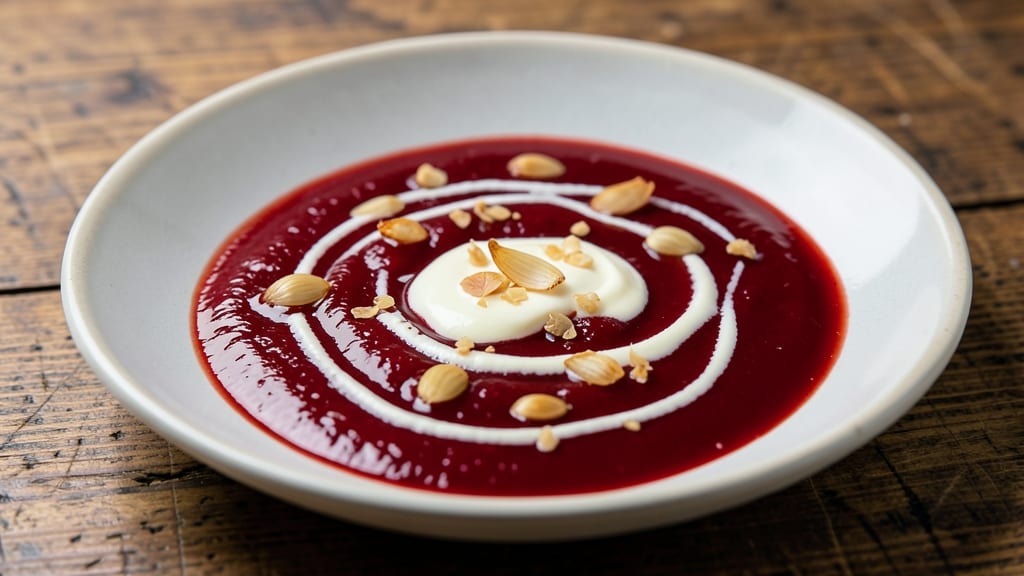
This Banyuls wine sauce recipe transforms bold red wine into a rich, velvety reduction with earthy truffle undertones that elevate any dish. 🔥 The secret lies in slow simmering—reducing the wine until it thickens into a glossy, aromatic sauce that clings beautifully to meats, pasta, or roasted vegetables.
I developed this after years of experimenting with French wine reductions, and the truffle oil adds that signature depth found in high-end restaurants.
The process is straightforward but requires patience: shallots and garlic form the flavor base, while the Banyuls wine (a fortified red from Roussillon) reduces down to a syrupy consistency.
A touch of tomato paste deepens the color, and a splash of cream at the end creates the perfect balance between richness and acidity. This sauce is versatile enough for weeknight dinners but impressive enough for special occasions.
What you’ll end up with is a glossy, intensely flavorful sauce that transforms simple proteins into restaurant-worthy dishes. The truffle notes add sophistication without overpowering, while the wine’s acidity cuts through richness.
It’s the kind of sauce that makes every bite feel luxurious—whether drizzled over seared duck, tossed with pasta, or spooned over roasted mushrooms.
Best of all, it keeps well in the refrigerator for up to a week, allowing you to make a big batch for multiple meals. Let’s create this showstopping sauce that’s equal parts elegant and approachable.
Ingredients for banyuls sauce
Nine ingredients transform bold Banyuls wine into a luxurious, truffle-infused sauce that elevates any dish.
| Ingredient | Amount | Notes |
|---|---|---|
| Banyuls Wine 🍷 | 2 cups | Fortified red wine from Roussillon |
| Shallots 🧅 | ½ cup | Finely minced, about 3-4 whole |
| Garlic Cloves 🧄 | 4 cloves | Peeled and thinly sliced |
| Tomato Paste 🍅 | 1 tbsp | Smooth, not chunky |
| Heavy Cream 🥛 | ¼ cup | Full-fat for richness |
| Unsalted Butter 🧈 | 2 tbsp | Cold, cubed for finishing |
| Truffle Oil 🍄 | 1 tsp | High-quality white truffle oil |
| Diamond Crystal Kosher Salt 🧂 | ½ tsp | Adjust to taste |
| Freshly Ground Black Pepper 🌶️ | ¼ tsp | For finishing |
| Fresh Thyme Leaves 🌿 | 2 tsp | Chopped, or 1 tsp dried |
The Banyuls wine is the heart of this sauce—look for bottles labeled from Roussillon, the fortified red region near Spain. Local wine shops or specialty grocers often carry it, but if you can't find it, Port or Madeira work in a pinch. Shallots add delicate sweetness without overpowering, so don't skip mincing them finely. The truffle oil is non-negotiable for that signature earthy depth—Artisan brand or high-end grocery stores have the best quality. For the tomato paste, San Marzano is ideal, but any smooth paste will do. Fresh thyme is preferable, but dried works at one-third the amount if you're in a hurry.
No Banyuls? Port wine or even a bold Cabernet Sauvignon can substitute, though the flavor will differ slightly. The heavy cream at the end is crucial for that silky texture—don't use light cream or half-and-half. For a dairy-free version, swap the cream with coconut cream (though the texture will be slightly different). The butter at the end should be cold and cubed for a glossy finish—European-style unsalted butter like Plugrá or President works best. If you're feeling adventurous, add a pinch of smoked paprika for extra depth, but keep it subtle.
This sauce keeps beautifully in the fridge for up to 7 days, though it tastes best within the first 3. For longer storage, freeze in ice cube trays and thaw as needed—perfect for drizzling over last-minute dishes. The truffle oil separates when refrigerated, so give it a quick shake before using. If the sauce thickens too much, whisk in a splash of warm water or wine to loosen it. Leftovers reheat beautifully—just warm gently on the stove or microwave until steaming.
Why You'll Love This Recipe
- Pantry Magic: I swear by this sauce because it uses what I already have—no last-minute grocery runs. That Banyuls wine? It’s the secret weapon hiding in my cabinet, turning a simple cream base into something rich and unexpected.
- Rich Without Effort: The shallots and garlic caramelize in minutes, then melt into the cream like a warm hug. Honestly, the tomato paste gives it that deep, savory backbone without needing hours of simmering.
- Weeknight to Dinner Party: I toss this over steak on Tuesdays, but it’s also the star of my holiday roast. The wine’s bold flavor holds up whether it’s a quick weeknight dinner or a showstopper for guests.
- Leftovers That Don’t Suck: Between us, most sauces turn into sad, watery messes after day two. Not this one—the cream keeps it velvety, and the wine’s acidity means it tastes just as good reheated as it does fresh. (Yes, even on a Tuesday night.)
Step-by-step instructions for Banyuls wine reduction
Transform bold Banyuls wine into a velvety, truffle-infused sauce that elevates any dish.
🍳 Step 1: Sweat Shallots Until Translucent
Heat a heavy-bottomed saucepan over medium-low heat and add the 2 tablespoons unsalted butter. Once melted and foaming subsides, add the 0.5 cup finely minced shallots and cook for 5-6 minutes until completely soft and translucent.
Here's the thing—don't rush this step. You're building flavor foundation, not burning aromatics. The shallots should smell sweet and mellow, not bitter. If they start to brown, reduce the heat immediately. Stir occasionally to prevent sticking, but let them develop color naturally.
🍳 Step 2: Add Garlic and Tomato Paste
Push the shallots to one side of the pan and add the 4 cloves sliced garlic cloves to the empty space. Cook for 30 seconds until fragrant—you'll smell that glorious garlic aroma wafting through your kitchen. Then stir everything together and add the 1 tablespoon tomato paste.
Cook for another 1-2 minutes until the tomato paste loses its raw flavor and blends completely with the shallots. This creates a rich base that prevents the wine from tasting harsh. I like to use a wooden spoon here to scrape up any browned bits from the bottom—those contain concentrated flavor that makes all the difference.
🔥 Step 3: Deglaze with Banyuls Wine
Pour in the 2 cups Banyuls Wine immediately after the tomato paste, scraping up all those flavorful browned bits from the pan. Increase heat to medium-high and let the wine reduce by half—this should take about 5-7 minutes. You'll see the sauce go from ruby red to a deep, concentrated burgundy color.
Watch carefully as it reduces. You want it to coat the back of a spoon but still be pourable. If it starts to bubble too aggressively, reduce the heat slightly. This is where the wine's natural sweetness and acidity balance out, creating the perfect base for our sauce.
🥘 Step 4: Finish with Cream and Truffle
Reduce heat to medium-low and stir in the 0.25 cup heavy cream. Let it simmer gently for 2-3 minutes until slightly thickened but still silky. The sauce should coat the back of a spoon smoothly—this is the consistency we're aiming for.
Remove from heat and stir in the 1 tsp truffle oil, 2 tsp fresh thyme leaves, 0.5 tsp kosher salt, and 0.25 tsp black pepper. The truffle oil adds that luxurious earthiness that makes this sauce truly special. Taste and adjust seasoning—you might need a touch more salt to balance the wine's acidity.
⏰ Step 5: Rest and Serve Warm
Let the sauce rest for 5 minutes before serving. This allows all the flavors to meld together perfectly. The sauce will thicken slightly as it cools, so if you're serving it immediately, you can thin it with a splash of warm water or additional wine if needed.
Serve this sauce over grilled meats, creamy risottos, or even drizzled over polenta. The rich wine flavor pairs beautifully with earthy mushrooms or crispy duck confit. For best results, keep it warm but not simmering—this sauce tastes best when served at room temperature or slightly warm.
Pro Tips For Making Banyuls Sauce
- SWEEAT SHALLOTS FIRST: I learned this the hard way—raw shallots in wine turn bitter and cloying. Sauté them in butter or oil until translucent (about 5 minutes) before adding the wine, so they melt into the sauce instead of fighting for flavor.
- DEGLAZE WITH PATIENCE: After the shallots caramelize, pour in the Banyuls wine slowly—let it bubble and reduce by half before adding anything else. Rushing this step leaves you with a thin, vinegary sauce instead of a rich, velvety base.
- TOAST THE TOMATO PASTE: Cook the tomato paste in the same pan for 2-3 minutes until it darkens slightly. This deepens its flavor and prevents that canned-taste from cutting through the wine’s complexity—trust me, it makes a real difference.
- WHISK IN THE CREAM LAST: Heavy cream curdles fast when heated, so stir it in off the heat or over the lowest possible flame. If it splits, immediately temper it with a splash of cold wine or a spoonful of the reduced sauce—your future self will thank you.
Pro cooking tips for this recipe
Wine Reduction Mastery
For a silky, velvety Banyuls sauce, control your heat like a pro—medium-low to medium-high is key. Start with medium-low heat when sweating shallots to avoid burning, then bump to medium-high for the wine reduction phase.
The goal is to reduce the 2 cups of wine by half, which should take about 5-7 minutes. If it reduces too quickly, lower the heat to prevent alcohol burn. I use a heavy-bottomed saucepan (like All-Clad) to prevent hot spots that can scorch the sauce. 🔥
Deglaze Like a Chef
The deglazing step is where flavor magic happens. After cooking shallots and garlic, pour in the Banyuls wine immediately and scrape up every browned bit from the pan—those contain concentrated umami. Use a wooden spoon or silicone spatula to get into all the nooks.
Let the wine bubble gently until reduced by half, then push it to one side of the pan to avoid stirring constantly, which can make the sauce too thin. This technique creates a richer, more complex sauce.
Cream Timing Matters
Adding the 0.25 cup heavy cream at the end is crucial—it needs to simmer just enough to thicken slightly but not curdle. Keep the heat at medium-low and stir constantly for those 2-3 minutes.
If the sauce starts to separate or curdle, immediately remove it from heat and whisk vigorously. The cream should blend smoothly, creating that luxurious, velvety texture. For extra richness, I sometimes add 1 tablespoon cold butter at the very end, whisking until fully incorporated. 🥛
Truffle Oil Secrets
Truffle oil is the secret weapon in this sauce, but it’s potent—use only 1 tsp of high-quality oil. Add it off the heat to preserve its delicate aroma. If you’re using a cheaper truffle oil, reduce to ½ tsp to avoid overpowering the wine’s natural flavors.
For a more authentic touch, try fresh black truffle paste (about ½ tsp) instead of oil. It adds a deeper, earthier flavor without the artificial taste some oils have. Always stir gently to distribute the oil evenly.
Sauce Consistency Tips
If your sauce thickens too much while resting, thin it with a splash of warm water or additional Banyuls wine. For a glossy finish, whisk in 1-2 tablespoons cold butter at the end—this adds richness and shine.
If the sauce is too thin, simmer it uncovered for 1-2 minutes to reduce further. Pro tip: Skim off any foam that forms on the surface while reducing, as it can make the sauce look cloudy.
A fine-mesh strainer can help achieve a silky texture if you prefer it smooth. ✨
Flavor Balancing Act
The wine’s acidity and the cream’s richness need perfect balance. Taste as you go—add ½ tsp salt if the wine’s acidity feels sharp, or a pinch of sugar (just ¼ tsp) to round it out. The thyme and black pepper should enhance, not overpower.
If the sauce tastes flat, a few drops of fish sauce (just ¼ tsp) can add depth. Trust your palate: this sauce should be rich, aromatic, and slightly complex—not one-dimensional. 💫
Nutrition facts
Frequently asked questions about Banyuls wine sauce
Can I substitute Banyuls wine with regular red wine?
While you can use regular red wine, Banyuls adds a unique depth and slight sweetness that's hard to replicate. For best results, try a bold red like Cabernet Sauvignon or Port wine—they'll give you richer flavor, though the sauce will taste slightly different. If using regular wine, reduce it by 10-15% longer to compensate for lower alcohol content.
How do I prevent the sauce from curdling when adding cream?
Keep the heat at medium-low and stir constantly for 2-3 minutes after adding cream. If it starts to separate, immediately remove from heat and whisk vigorously. For extra insurance, temper the cream by mixing it with a little of the reduced wine first before adding it to the pan.
What's the best way to store leftover Banyuls sauce?
Store in an airtight container in the fridge for up to 7 days. For longer storage, freeze in ice cube trays—thaw overnight in the fridge before using. The sauce thickens when chilled, so thin with a splash of warm water or wine when reheating. Stir well before serving as the truffle oil may separate slightly.
Can I make this sauce dairy-free?
Yes! Replace the heavy cream with coconut cream (though texture will be slightly different) or cashew cream (blend soaked cashews with water). For richness, add 1 tablespoon olive oil at the end instead of butter. The sauce will still be flavorful but with a lighter consistency.
What are the best dishes to serve with this sauce?
This sauce shines on grilled duck, seared steak, or roasted mushrooms. It also works beautifully with creamy polenta, pasta dishes, or as a glaze for braised meats. The wine's richness pairs perfectly with earthy vegetables and hearty proteins—think wild game or mushroom risotto.