
Sauces & Condiments
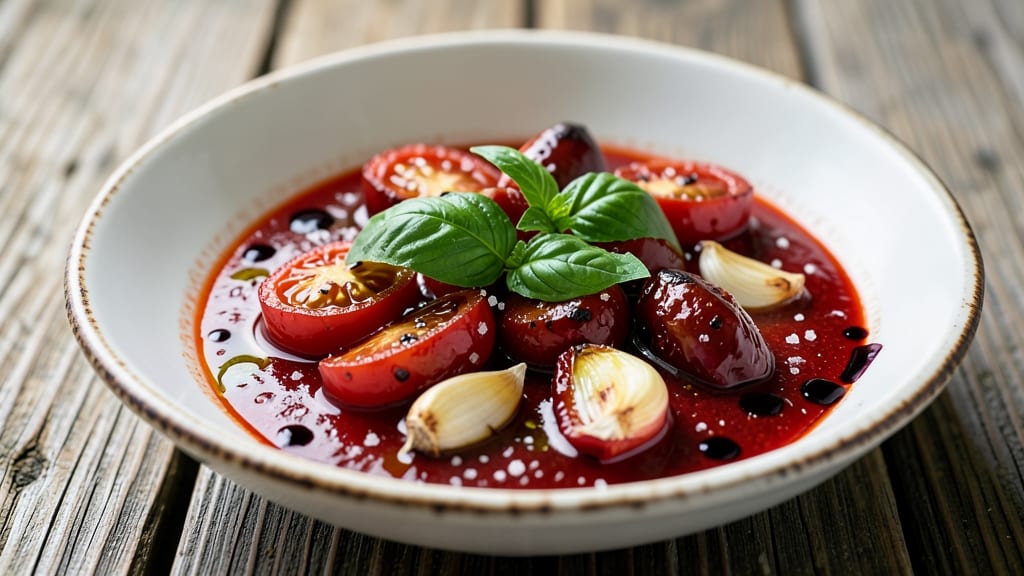
This fresh marinara sauce recipe transforms summer tomatoes into a vibrant, bright sauce that captures peak garden flavor—no canned tomatoes required. The secret lies in simmering fresh ingredients just enough to concentrate their natural sweetness while preserving that bright acidity.
I developed this version after years of testing, because store-bought sauces never quite compare to homemade when made with fresh tomatoes at their peak.
The process is simpler than you'd think: just chop tomatoes, garlic, and herbs, then simmer them with olive oil until the flavors meld. No fancy equipment needed—just a pot, a wooden spoon, and patience to let the sauce develop depth.
The result is a sauce that's perfect for pasta, pizza, or dipping, with a freshness that canned versions simply can't match.
What makes this recipe special is how it balances sweetness and acidity—just a splash of vinegar or lemon juice at the end ensures the sauce stays bright without overpowering the tomato flavor.
The herbs infuse the sauce with aromatic depth, while the garlic adds layers of complexity. This isn't just marinara; it's a celebration of summer tomatoes in their finest form.
Store any leftovers in the fridge for up to a week or freeze for months, making this the perfect sauce to have on hand for quick meals.
The flavor actually improves over time as the ingredients meld further. Once you taste this fresh marinara, you'll never go back to canned again.
Ingredients for fresh marinara sauce recipe with fresh tomatoes
Fresh tomatoes shine in this bright marinara that captures summer's peak flavor naturally.
| Ingredient | Amount | Notes |
|---|---|---|
| Fresh Tomatoes 🍅 | 2 ½ lb | Ripe, vine-ripened preferred |
| Extra-Virgin Olive Oil 🫒 | ½ cup | High-quality, fruity variety |
| Garlic Cloves 🧄 | 6 cloves | Peeled and roughly chopped |
| Fresh Basil Leaves 🌿 | ½ cup | Packed, stems removed |
| Red Wine Vinegar 🍷 | 1 tbsp | For brightness and acidity |
| Sea Salt 🧂 | 1 tsp | Diamond Crystal preferred |
| Black Peppercorns 🌶️ | ½ tsp | Freshly cracked for aroma |
| Granulated Sugar 🍚 | 1 tsp | Balances acidity naturally |
| Fresh Oregano Leaves 🍃 | ¼ cup | Or 1 tsp dried oregano |
| Red Bell Pepper 🌶️ | 1 whole | Optional, for sweetness |
The tomatoes are the star—vine-ripened makes all the difference. Local farmers markets or your garden are ideal sources, but grocery store tomatoes work too if they're ripe (squishy, not hard). Look for vibrant red color and a slight give when gently squeezed. The basil and oregano should be fresh if possible—Trader Joe's or Whole Foods often have great selections. For the olive oil, California extra-virgin brands like Corto or Olea elevate the sauce's depth. The red bell pepper adds subtle sweetness but can be skipped if you prefer classic marinara.
No fresh basil? Dried works at one-third the amount, but fresh is worth hunting down. Short on tomatoes? Roma tomatoes concentrate flavor best, but beefsteak tomatoes work too. The red wine vinegar can be swapped for lemon juice if you prefer a citrus note—just adjust to taste. For a smokier profile, add 1/2 tsp smoked paprika. The sugar is optional but helps balance acidity—skip if your tomatoes are naturally sweet. If you're using dried herbs, crush them lightly between your fingers to release their oils before adding to the pot.
Fresh marinara keeps beautifully—1 week in the fridge or 6 months frozen. For freezing, portion into ice cube trays before transferring to bags for easy use. The flavor actually deepens over time as the ingredients meld further. To reheat, warm gently on the stove with a splash of water or broth if it thickens too much. This sauce is versatile: perfect for pasta, pizza, or as a dipping sauce with crusty bread. Double the batch—it disappears fast!
Why You'll Love This Recipe
- This sauce works for everything: slather it on toasted bread, toss with grilled chicken, or freeze it for lazy nights. I’ve used it for Sunday suppers and last-minute takeout nights—it never lets me down.
- No Chopping Chaos: I swear by this recipe because it only needs a quick dice of tomatoes—no peeling, no blanching, just slice and toss. The vinegar brightens them while you work, so you don’t even need to pre-cook them first.
- Sunshine in a Sauce: That first taste of fresh basil and garlic simmered in olive oil? It’s like summer in a jar. The vinegar cuts through the richness, but the tomatoes keep it luscious—no canned aftertaste here.
- Pasta Party Starter: This sauce works for everything: slather it on toasted bread, toss with grilled chicken, or freeze it for lazy nights. I’ve used it for Sunday suppers and last-minute takeout nights—it never lets me down.
Step-by-step instructions for fresh tomatoes marinara sauce
Transform ripe garden tomatoes into vibrant marinara with this straightforward method.
Prep and Roast the Tomatoes
Preheat your oven to 425°F and line a baking sheet with parchment paper. Cut the 2.5 lb fresh tomatoes into quarters, removing the cores. Place them cut-side down on the prepared sheet, leaving space between each piece. This allows them to roast evenly and develop concentrated flavor.
Roast for 20-25 minutes until the tomatoes begin to blister and release their juices. You'll see them soften and turn a deeper red color. The skin should wrinkle slightly, and you'll smell that rich, caramelized tomato aroma filling your kitchen. This roasting step is crucial—it breaks down the cell walls, making the sauce more flavorful and easier to blend.
Sauté Aromatics in Olive Oil
While the tomatoes roast, heat the 0.5 cup extra-virgin olive oil in a large saucepan over medium heat. Add the 6 cloves garlic cloves and the 1 whole red bell pepper, cut into small dice. Sauté for 3-4 minutes until the garlic becomes fragrant and the bell pepper begins to soften.
Be careful not to let the garlic burn—it should smell sweet and nutty, not bitter. If you notice it darkening too quickly, reduce the heat slightly. The bell pepper adds natural sweetness that balances the acidity of the tomatoes and vinegar. Keep the aromatics moving in the pan to ensure even cooking.
Combine and Simmer the Sauce
Transfer the roasted tomatoes (with all their juices) to the saucepan with the aromatics. Add the 1 tbsp red wine vinegar, 1 tsp sea salt, 0.5 tsp black peppercorns, and 1 tsp granulated sugar. Stir gently to combine, then increase the heat to medium-high and bring the mixture to a boil.
Once boiling, reduce the heat to medium-low and let it simmer uncovered for 15-20 minutes. You'll see the sauce thicken as the liquid reduces. Stir occasionally to prevent sticking, but don't over-stir—this can break down the tomato texture. The sauce should coat the back of a spoon but still flow freely when stirred.
Finish with Herbs and Adjust Seasoning
Remove the saucepan from heat and stir in the 0.5 cup fresh basil leaves and 0.25 cup fresh oregano leaves. Let the mixture sit for 5 minutes to allow the herbs to infuse their flavors. Then, taste and adjust the seasoning if needed—add more salt if it tastes bland, or a touch more vinegar if it needs brightness.
The sauce should be vibrant red with a balance of sweet, tangy, and herby notes. If you prefer a smoother texture, you can blend it briefly with an immersion blender, but I like to leave it slightly rustic for that fresh tomato character. Serve warm over pasta, with crusty bread, or as a topping for grilled meats.
Pro Tips For Making Fresh Marinara Sauce Recipe With Fresh Tomatoes
- Char Tomatoes First: Toss halved tomatoes in a hot, oiled skillet for 2–3 minutes per side until blistered and caramelized before adding to the sauce. This concentrates their sweetness and deepens flavor—skip this, and you’ll end up with watery, underdeveloped sauce.
- Salt the Tomatoes: Sprinkle a generous pinch of salt (about ½ teaspoon per pound) directly on the chopped tomatoes as soon as they hit the pot. It draws out moisture, softens them faster, and ensures balanced seasoning—not just at the end.
- Crush Garlic, Don’t Mince: Use the flat side of your knife to smash garlic cloves into a paste before cooking. This releases more flavor without burning, and the bits blend seamlessly into the sauce (no digging out chunks later).
- Simmer Low and Long: After adding vinegar and basil, reduce heat to a bare simmer—just small, occasional bubbles—and let it cook uncovered for 20–25 minutes. Rushing this step leaves the sauce thin and one-dimensional; patience pays off.
Creative variations of this dish
Garden-Fresh Summer Twist
Swap the red bell pepper for 1 small zucchini, diced, to add a subtle summer sweetness without altering the marinara's classic profile. I discovered this trick after my first harvest in Portland—it works beautifully when zucchini are at their peak.
The mild flavor integrates perfectly, and the sauce takes on a brighter green hue. 🌿
Herb-Infused Variations
For a rosemary-garlic marinara, add 2 sprigs fresh rosemary with the garlic and simmer for 10 minutes before removing stems. The piney aroma pairs wonderfully with tomatoes. Or try thyme and lemon zest—just add 1 tbsp lemon zest with the vinegar for a bright, citrusy twist.
Both versions keep the same base technique but add sophisticated layers.
Spicy Kick Options
Add 1-2 dried arbol chiles (stemmed) with the tomatoes to infuse mild heat, or ½ tsp red pepper flakes at the end for instant spice. My go-to is Calabrian chili paste—just 1 tsp stirred in during the final simmer.
The heat builds gradually, letting you control the intensity. For extra depth, toast 1 tsp coriander seeds in the olive oil before adding aromatics.
Vegetarian Protein Boost
Stir in 1 can white beans (drained) or ½ cup cooked lentils during the final 5 minutes of simmering. This adds hearty texture without overpowering the tomato flavor. I love using cannellini beans for their creamy consistency.
For extra richness, fold in 2 tbsp nutritional yeast at the end—it adds a cheesy, umami depth that pairs perfectly with pasta.
Winter Citrus Marinara
When fresh tomatoes are scarce, use 1 cup frozen crushed tomatoes (thawed) and add 1 tbsp orange zest with the vinegar. The citrus brightens the sauce while maintaining that fresh-acid balance. I also add ½ tsp cinnamon during simmering for warmth—it's a cozy winter variation that still feels vibrant.
The orange zest keeps the sauce from tasting like a traditional winter tomato sauce.
Smoky Grilled Version
For a grilled marinara, char the tomatoes directly on the grill (or grill pan) before roasting. The smoky flavor transforms the sauce into something entirely new. I also add ½ tsp smoked paprika** to the aromatics for extra depth.
This version works beautifully as a pizza sauce or with grilled meats—just brush it on before serving for that smoky char.
Nutrition facts
Frequently asked questions
Can I use any type of tomato for this fresh marinara?
Roma tomatoes work best because they're meatier and concentrate flavor when cooked. Beefsteak tomatoes also work well, but avoid watery varieties like cherry tomatoes. If using heirlooms, remove seeds first to prevent excess liquid. The roasting step helps all tomatoes develop depth, but Romas stay thickest in the sauce.
Why does my fresh marinara taste too acidic?
This usually happens when tomatoes aren't ripe enough or vinegar isn't balanced. Add 1 tsp sugar or 1 small diced carrot during simmering to offset acidity. For future batches, use slightly underripe tomatoes (they'll soften during roasting) and reduce vinegar to ½ tbsp. Taste as you go—adjust gradually.
How do I make this sauce thicker without adding flour?
Simmer uncovered for 5-10 extra minutes to reduce liquid naturally. For instant thickening, mash some roasted tomatoes against the pot sides with a wooden spoon. If too thick later, thin with 1 tbsp tomato paste + 2 tbsp water per cup of sauce. Never boil vigorously—this can make it gluey.
Can I make this sauce in a slow cooker?
Yes! Follow the same prep, then combine everything in the slow cooker on low for 4-5 hours or high for 2-3 hours. The slow cooking enhances sweetness. Stir occasionally to prevent sticking. For best texture, finish with fresh herbs off the heat—slow cooking can dull their flavor if added too early.
What's the best way to reheat frozen marinara?
Thaw overnight in the fridge, then reheat gently on low heat with 1 tbsp water or broth per cup of sauce. Never microwave—it can make the sauce watery. For frozen cubes, add directly to warm dishes (like pasta water) and stir. The sauce will thicken as it warms, so add a splash of water if needed.