
Sauces & Condiments
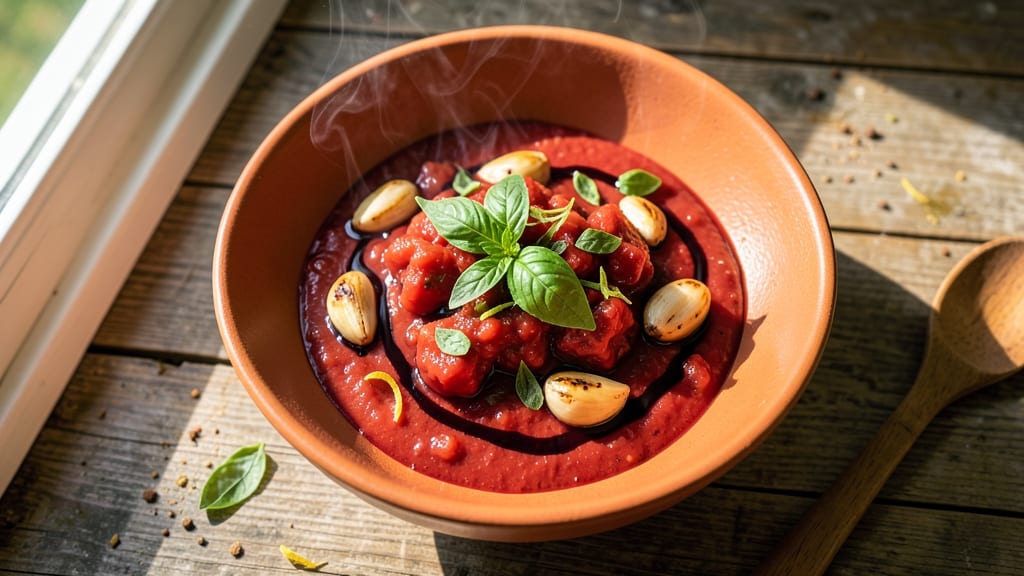
This beefsteak tomato sauce recipe transforms bold, meaty flavors into a rich, velvety condiment that elevates every beefsteak dish. The secret lies in slow-simmered beefsteak tomatoes—juicy, ripe, and packed with natural sweetness—that develop deep umami when combined with garlic, herbs, and a touch of red wine.
What starts as a simple sauce becomes something extraordinary through patience and layering flavors. The cooking process is straightforward but essential: simmering the sauce low and slow allows the tomatoes to break down into a luscious, concentrated base while caramelizing the garlic and herbs.
A splash of red wine adds complexity, while a pinch of sugar balances acidity for a perfectly harmonized sauce. The result is a sauce that's rich enough to stand alone but versatile enough to complement grilled meats, pasta, or even pizza.
What sets this sauce apart is its depth of flavor—earthy, slightly sweet, with a hint of smokiness that pairs beautifully with beefsteak. The texture is velvety yet still retains a slight chunkiness from the tomatoes, ensuring every bite is packed with flavor.
It's the kind of sauce that makes a simple meal feel like a restaurant-quality experience. Use it as a dipping sauce for beefsteak, toss it with pasta, or drizzle it over grilled vegetables.
The possibilities are endless, but the foundation remains the same: a perfectly balanced, umami-rich tomato sauce that's worth the time invested. Let's get started on making it!
Ingredients for beefsteak tomato sauce
Juicy beefsteak tomatoes and aromatic herbs create a velvety sauce with deep umami richness.
| Ingredient | Amount | Notes |
|---|---|---|
| Beefsteak Tomatoes 🍅 | 2 ½ lbs | Fresh, ripe, and firm |
| Extra-Virgin Olive Oil 🫒 | ½ cup | High-quality, fruity variety |
| Garlic Cloves 🧄 | 6 whole | Peeled, thinly sliced |
| Red Wine 🍷 | ½ cup | Bold, dry variety like Cabernet |
| Fresh Basil Leaves 🌿 | ½ cup | Packed, stems removed |
| Fresh Oregano Leaves 🍃 | ¼ cup | Packed, finely chopped |
| Granulated Sugar 🍬 | 1 tbsp | Balances acidity |
| Diamond Crystal Kosher Salt 🧂 | 1 ½ tsp | Adjust to taste |
| Fresh Thyme Sprigs 🌿 | 4 whole | Leaves only, finely chopped |
| Red Pepper Flakes 🌶️ | ½ tsp | Optional, for heat |
The beefsteak tomatoes are the heart of this sauce—look for vibrant, firm tomatoes with minimal bruising, ideally from a local farmers market or high-end grocery store like Whole Foods or Trader Joe's. Their natural sweetness and thick skin ensure a richer, less watery sauce. If you can't find beefsteak tomatoes, Roma tomatoes work as a substitute, though they'll yield a slightly thicker sauce. The olive oil should be extra-virgin—anything less will lack the fruity depth needed to elevate the dish. A good rule of thumb: if it smells peppery or sharp, it's high-quality. For the garlic, fresh is non-negotiable—pre-minced garlic lacks the aromatic punch needed here.
No red wine? A bold, dry red grape juice or even beef broth can stand in, though the sauce will lack the subtle tannic complexity. The herbs are where you can get creative: dried basil and oregano work at half the amount, but fresh is ideal for that bright, vibrant flavor. If you're short on time, pre-chopped frozen herbs (like those from Trader Joe's) are a lifesaver—just thaw and drain them first. For the sugar, honey or maple syrup can substitute, but granulated is the most neutral choice. The red pepper flakes are optional but add a smoky depth that pairs beautifully with the umami notes—start with half the amount and adjust to taste.
This sauce develops flavor over time, so simmering it for at least 45 minutes is key. For long-term storage, let it cool completely, then transfer to sterilized glass jars with an airtight seal. It keeps in the fridge for up to 2 weeks or can be frozen for 6 months—portion it into ice cube trays for easy single-use servings later. The sauce tastes even better the next day as the flavors meld, so double the batch if you plan to use it over multiple meals. If it thickens too much while refrigerated, a splash of water or broth will restore the ideal consistency.
Why You'll Love This Recipe
- No-Chop Needed: I swear by this—just halve the beefsteak tomatoes, toss them in a pot with olive oil, and let them roast their own juices. No dicing, no peeling, no mess. The skins soften into the sauce anyway, so you’re basically cheating.
- Wine-Infused Magic: That splash of red wine? It’s not just for show—it deepens the flavor into something rich and layered, like a whisper of Italian trattoria. The acidity cuts through the tomatoes’ natural sweetness, and the basil ties it all together with a bright, herby finish that makes every bite sing.
- Pantry-to-Table Flex: This sauce is my go-to for lazy nights, fancy dinners, or when I’m feeding a crowd. Drizzle it over pasta, spoon it onto grilled cheese, or use it as a base for meatballs. It even freezes like a dream—just thaw and reheat for a meal that feels homemade, no matter how busy life gets.
- Budget-Friendly Staple: Beefsteak tomatoes are cheap in season, and a few cloves of garlic, a glug of olive oil, and a handful of basil stretch this into multiple meals. I make a big batch on Sundays, and by Wednesday, I’m still eating it—because it’s that good, and it keeps costs down without sacrificing flavor.
Step-by-step instructions for beefsteak tomato sauce
Here's how to craft a rich, layered tomato sauce with depth of flavor and perfect balance.
Prepare the Tomatoes for Maximum Flavor
Begin by halving the 2.5 lbs beefsteak tomatoes crosswise and scoop out the cores using a spoon. I like to crush the tomatoes by hand in a large bowl, leaving them slightly chunky—this preserves texture while releasing juices. The beefsteak variety is ideal here because its thick flesh holds up beautifully during the long simmer without turning mushy.
Transfer the crushed tomatoes to a large, heavy-bottomed pot (Dutch oven works best) and add the 0.5 cup extra-virgin olive oil. The high-quality oil here isn't just fat—it carries delicate fruity notes that will mellow into the sauce. Stir well to distribute the oil evenly, coating every tomato piece. This step ensures even cooking and prevents the sauce from sticking.
Build the Flavor Base with Aromatics
Set the pot over medium heat and bring the tomatoes to a gentle simmer. Add the 6 whole peeled garlic cloves and the 4 whole fresh thyme sprigs, stirring occasionally. Let them cook undisturbed for 5 minutes until the garlic becomes fragrant but doesn't brown—this prevents bitterness while developing their sweet, mellow flavors.
Next, add the 0.5 cup red wine and scrape up any browned bits from the bottom of the pot with a wooden spoon. These bits, called fond, are packed with concentrated flavor. Let the wine reduce by half (about 5 minutes) until it's nearly evaporated. This step transforms the wine into a rich, caramelized base that will carry the sauce's depth.
Season and Simmer for Deep Umami Development
Add the 1 tbsp granulated sugar, 1.5 tsp diamond crystal kosher salt, and 0.5 tsp red pepper flakes (if using). The sugar balances the tomatoes' acidity while the salt enhances all flavors. Stir well to dissolve the sugar completely—this ensures even distribution throughout the sauce.
Reduce the heat to low and let the sauce simmer uncovered for 45-60 minutes, stirring occasionally. You're looking for a thickened, velvety consistency with flavors melding together. The sauce should coat the back of a spoon smoothly. I know it seems like a long time, but this slow simmer develops the sauce's complex, layered taste that sets it apart from quicker versions.
Finish with Fresh Herbs for Brightness
When the sauce has thickened to your desired consistency, remove it from heat. Stir in the 0.5 cup fresh basil leaves and 0.25 cup fresh oregano leaves—these herbs add vibrant freshness that cuts through the richness. The basil should be added last to preserve its bright, peppery notes, while the oregano contributes an earthy depth.
Taste and adjust seasoning if needed. The sauce should be balanced—sweet from the sugar, tangy from the tomatoes, with a subtle heat from the red pepper flakes. If it's too acidic, a pinch more sugar helps. If it needs more depth, a splash of the reserved wine reduction (if you made any) can elevate it further. Serve immediately or store for later use—this sauce only gets better with time.
Pro Tips For Making Beefsteak Tomato Sauce
- CHAR THE GARLIC: Cook the minced garlic in olive oil until it’s deep golden—not just fragrant, but almost brown. I learned this the hard way: raw garlic tastes sharp and uncooked in tomato sauce. Let it sizzle for 30 seconds past the point where you think it’s done.
- SALT THE TOMATOES: Toss halved beefsteak tomatoes with 1 teaspoon of salt and let them sit for 10 minutes before cooking. This pulls out excess water and concentrates their sweetness—no one wants a watery sauce. (Yes, even if you’re impatient like me.)
- DEGLAZE AGGRESSIVELY: After adding red wine, scrape the bottom of the pan relentlessly with a wooden spoon. The browned bits (fond) are where all the flavor hides. Skip this, and you’re missing half the depth of the sauce.
- FINISH WITH BASIL: Tear fresh basil leaves and add them at the very end, just before serving. Heating basil turns it bitter—no one wants that. A handful of leaves (about 10-12) is enough; you’re not making pesto here.
Serving suggestions for this beefsteak tomato sauce
Beefsteak Dipping Sauce
Serve this rich tomato sauce warm as a dipping sauce for grilled beefsteak slices. The velvety texture and deep umami flavors make it perfect for soaking up every last bit of juicy beef.
I like to arrange thick-cut beefsteak slices on a platter with toothpicks, then offer the sauce in a small ceramic crock for easy dipping. 🍽️
Pasta Pairing
Toss this sauce with fresh linguine or pappardelle for an Italian-inspired beefsteak pasta. Cook your pasta al dente, then mix in the warm sauce with a splash of reserved pasta water to loosen the consistency. Finish with extra fresh basil and a sprinkle of Parmigiano-Reggiano for a restaurant-worthy dish.
Grilled Vegetable Topping
Use this sauce as a topping for grilled vegetables like eggplant, zucchini, and bell peppers. The sauce's acidity balances the sweetness of the vegetables, while the herbs add freshness.
I recommend brushing the vegetables with olive oil, grilling until tender, then spooning the warm sauce over the top before serving.
Pizza Sauce Base
Spread this sauce thinly over homemade pizza dough as a base for a beefsteak-inspired pizza. Top with mozzarella, grilled beefsteak slices, caramelized onions, and a sprinkle of fresh oregano.
Bake until the crust is golden and the cheese is bubbly—this sauce adds a deep, meaty flavor that pairs perfectly with the pizza's other ingredients.
Bread Dipping
Transform this sauce into a bread dipping sauce by serving it warm with crusty Italian bread or garlic bread. The sauce's richness contrasts beautifully with the crispy, buttery bread.
I like to cut the bread into thick slices and serve it alongside the sauce in a wooden bread basket for an authentic Italian feel.
Meatball Companion
Pair this sauce with homemade beef meatballs for a comforting meal. Simmer the meatballs in the sauce for 10-15 minutes to absorb the flavors, then serve over mashed potatoes or polenta. The sauce's depth enhances the meatballs, making them even more flavorful and satisfying. 💫
Nutrition facts
Frequently asked questions
Can I substitute beefsteak tomatoes with regular tomatoes?
While you can use regular tomatoes, beefsteak tomatoes are ideal because of their thick flesh and meaty texture that holds up better during long simmering. For a similar result, use a mix of Roma tomatoes and a few beefsteak tomatoes if available. If only cherry or vine tomatoes are on hand, blend them first to create a smoother base, but expect a slightly thinner sauce. The key is finding tomatoes with good natural sweetness and minimal water content.
How do I adjust the sauce if it's too thick or too thin?
If your sauce is too thick, stir in 1-2 tablespoons of water, broth, or reserved pasta water while warm to reach your desired consistency. For a thinner sauce, simmer it uncovered for an additional 10-15 minutes to reduce the liquid naturally. Pro tip: If you're using this sauce for pasta, always reserve some pasta water—it's a flavorful way to loosen thick sauces without diluting the flavor.
Can I make this sauce without red wine?
Replace the 0.5 cup red wine with an equal amount of bold red grape juice, beef broth, or even a mix of tomato paste and water (1 tbsp paste + 0.3 cup water). The wine adds depth, but these substitutes will still create a flavorful sauce. For extra richness, add a 1 tsp balsamic vinegar or a pinch of Worcestershire sauce to mimic the umami notes from the wine.
Why does my sauce taste bitter?
Bitterness usually comes from overcooked garlic or tomatoes that have broken down too much. To fix it, add a pinch of sugar or honey to balance the flavors, or stir in a splash of lemon juice to brighten the sauce. For prevention, remove the garlic cloves once they're fragrant (5 minutes max) and avoid over-simmering the tomatoes. A 30-45 minute simmer is ideal for developing flavor without bitterness.
How can I make this sauce spicier?
For extra heat, add 1-2 teaspoons of crushed red pepper flakes while simmering, or stir in 1-2 chopped fresh chili peppers (like jalapeño or serrano) during the final 10 minutes of cooking. If you prefer a smoky kick, swap the red pepper flakes for 1 teaspoon of smoked paprika. Always taste as you go—you can adjust the heat level to your preference!