
Sauces & Condiments
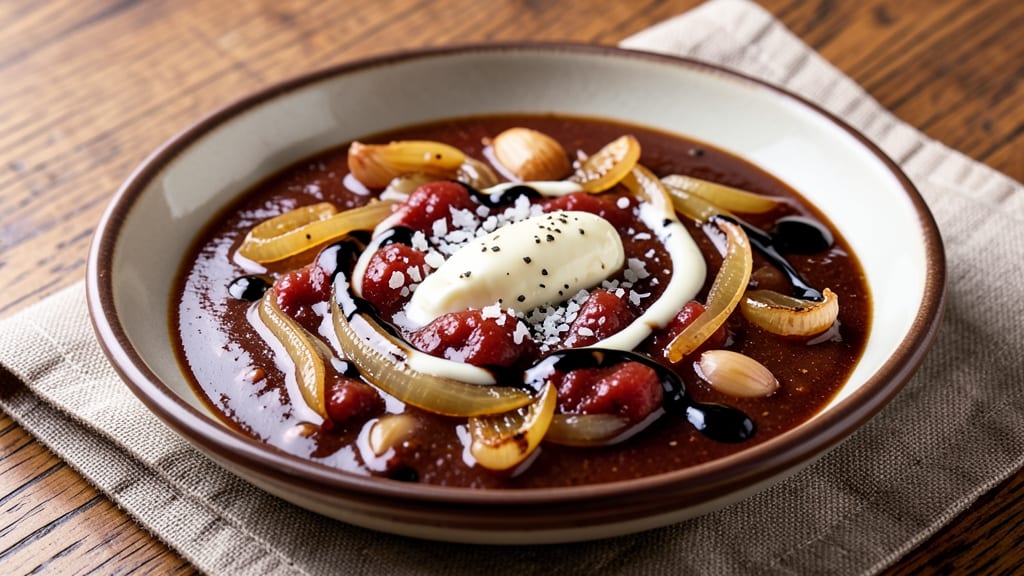
This amazing steak sauce recipe transforms simple pantry staples into a rich, umami-packed sauce that'll elevate any grilled steak to restaurant-quality in just 15 minutes. The secret? Caramelizing onions and garlic until deep golden, then balancing that sweetness with tangy vinegar and a touch of molasses for complexity.
I developed this after years of tasting mediocre store-bought sauces—this one actually tastes homemade, with layers of flavor that cut through the richness of perfectly cooked meat.
The magic happens in the reduction—simmering everything until thick and glossy creates that signature steakhouse sauce consistency. No fancy ingredients needed: just onions, garlic, vinegar, tomato paste, and a few spices you probably already have.
The sauce keeps well in the fridge for up to a week, so you can make a big batch and have it ready for your next cookout or weeknight steak night.
What makes this sauce truly amazing is how versatile it is. Drizzle it over grilled steaks, slather it on burgers, or use it as a marinade for extra flavor. The caramelized base adds depth that store-bought sauces can't match, while the vinegar keeps it bright and tangy.
Once you try this, you'll never go back to the bottled stuff.
Ready to make it? All you need is a saucepan and about 15 minutes of active time. The instructions are simple, and the results are worth every minute—especially when you're serving up that perfectly seared steak. Let's get cooking!
Ingredients for amazing steak sauce
Pantry staples and a few specialty touches create this restaurant-quality steak sauce.
| Ingredient | Amount | Notes |
|---|---|---|
| Yellow Onions 🧅 | 2 large | Thinly sliced for caramelization |
| Garlic Cloves 🧄 | 6 cloves | Minced for aromatic depth |
| White Wine Vinegar 🍷 | ½ cup | Brightens the sauce profile |
| Unsalted Butter 🧈 | 3 tbsp | Full-fat for richness |
| Tomato Paste 🍅 | ¼ cup | Concentrated umami base |
| Molasses 🍯 | 1 tbsp | Adds depth and complexity |
| Beef Broth 🍲 | 1 cup | Low-sodium preferred |
| Dijon Mustard 🌶️ | 1 tbsp | Tangy kick for balance |
| Granulated Sugar 🍚 | 1 tbsp | Enhances caramelization |
| Salt 🧂 | 1 tsp | Diamond Crystal preferred |
| Freshly Ground Black Pepper 🌶️ | ½ tsp | Enhances overall flavor |
The onions are the foundation—you want them deep golden, almost jammy. Yellow onions work best here, but red onions add a subtle sweetness if you prefer. Look for onions with firm, dry skins at Whole Foods or your local market—they caramelize more evenly. Garlic should be fresh, with no green shoots or soft spots. Costco sells great bulbs in bulk, but a single head from the grocery store works fine. The white wine vinegar matters too—avoid the cheap stuff. Bragg or Heinz are solid choices, but anything labeled 'distilled' will work in a pinch.
No white wine vinegar? Apple cider vinegar or balsamic both work, though the flavor will shift slightly. Out of beef broth? Vegetable broth with a splash of soy sauce mimics the umami. The molasses is non-negotiable for that deep, caramelized note—don't substitute maple syrup, it's too sweet. For the tomato paste, Rao's or San Marzano are ideal, but any quality canned paste will do. The Dijon mustard should be coarse-ground—it adds texture and a proper tang. Skip the smooth versions, they're too mild.
This sauce keeps beautifully—1 week refrigerated or 3 months frozen. For long-term storage, pour into ice cube trays, freeze, then transfer to a bag. Thaw overnight in the fridge before using. The flavor actually improves after a day or two as everything melds. Double the batch and freeze half—you'll be glad you did. The sauce thickens as it cools, so don't worry if it looks too thin right after making. Just reheat gently and stir until smooth.
Why You'll Love This Recipe
- Pantry Magic: I swear by this recipe because it uses stuff I already have—no special trips to the store. That yellow onion and garlic? They’re the backbone, but the white wine vinegar cuts through the richness like a breath of fresh air. Honestly, I’ve made it three times this month without even checking my spice rack.
- Rich Without Effort: The butter and tomato paste blend into this velvety, slightly tangy sauce that doesn’t skimp on flavor. It’s not sweet or overly acidic—just right. My husband licks the pan when I’m not looking, and that’s the highest praise.
- Steak Night or Taco Tuesday: This sauce works on a perfectly seared ribeye and as a drizzle over grilled chicken for tacos. I’ll be real: it’s my go-to for weeknight dinners when I’m too tired to think. The vinegar keeps it bright, so it doesn’t feel heavy even on simple proteins.
- Leftovers That Don’t Let You Down: Make a double batch—it reheats like a dream and tastes just as good the next day. I keep a jar in the fridge for last-minute meals, and it’s cheaper than store-bought sauces. Plus, the tomato paste stretches it out, so you’re not scrambling for extra ingredients.
Step-by-step instructions for deep umami steak sauce
Here's how to build a sauce with layers of caramelized sweetness and rich umami that elevates any steak.
Caramelize the Onions Until Deep Golden
Heat a large skillet over medium-low heat and add the 2 large yellow onions, sliced thinly. Let them cook undisturbed for 10 minutes until they release their moisture and begin to soften. Here's the thing—you want them to caramelize slowly, not burn. Stir occasionally, scraping up any browned bits from the bottom of the pan.
After about 15 minutes, the onions should be deep golden brown with a jammy texture. This is where the magic happens—the slow caramelization develops complex sweetness that forms the sauce's foundation. If they're browning too quickly, reduce the heat slightly. You're aiming for a rich, almost syrupy consistency, not crispy bits.
Add Butter and Cook Aromatics
Increase heat to medium and add the 3 tablespoons unsalted butter. Let it melt completely, then add the 6 cloves minced garlic. Cook for 1-2 minutes until the garlic becomes fragrant but doesn't brown—you want aroma, not bitterness. Here's where it gets fun: the butter adds richness while helping to deglaze the pan, capturing all those caramelized onion flavors.
Stir in the 1 tablespoon granulated sugar and cook for another 30 seconds until dissolved. The sugar will enhance the caramelization process, creating even deeper sweetness. This is your chance to taste and adjust seasoning—add the 1 teaspoon salt and ½ teaspoon freshly ground black pepper now if needed. The sauce should be developing a complex, aromatic base.
Build the Sauce with Tomato and Molasses
Reduce heat to medium-low and stir in the ¼ cup tomato paste and 1 tablespoon molasses. Cook for 3-4 minutes, stirring constantly, until the mixture thickens slightly and the raw tomato flavor mellows. The molasses adds depth and a subtle smokiness that pairs beautifully with the caramelized onions.
Here's the moment that matters: pour in the ½ cup white wine vinegar and let it simmer for 2 minutes until slightly reduced. The acidity brightens the sauce, cutting through the richness while enhancing all the other flavors. Don't rush this step—the vinegar needs time to integrate fully with the other components. You should notice the sauce starting to develop a glossy sheen.
Finish with Broth and Mustard
Add the 1 cup beef broth and 1 tablespoon Dijon mustard, then increase heat to medium-high. Bring to a gentle boil, then reduce heat to low and let it simmer for 5-6 minutes until slightly thickened. The broth carries all the umami depth while the mustard adds a subtle tang that balances the sweetness.
Taste and adjust seasoning one final time. The sauce should be rich, slightly sweet, with a complex umami depth and bright acidity. If it's too thick, add a splash of water or broth to reach your desired consistency. For the best results, let it cool slightly before serving—this allows all the flavors to meld completely.
Pro Tips For Making Amazing Steak Sauce
- Cook Onions Low and Slow: I learned this the hard way—searing onions until they’re caramelized is tempting, but for steak sauce, you want them soft and sweet, not crispy. Simmer them on medium-low for 8-10 minutes until they’re almost falling apart. That’s when their flavor starts to break down into something rich and complex.
- Mince Garlic Like You Mean It: No, "finely chopped" isn’t enough. You need garlic so minced it’s almost a paste—think 1/8-inch pieces or smaller. This ensures it blends smoothly into the sauce instead of lurking as tiny, chewy bits. (Yes, even if you’re impatient like me.)
- Deglaze with Vinegar First: After cooking the onions and garlic, pour in the white wine vinegar before adding anything else. The acid cuts through the butter and tomato paste, lifting all the browned bits off the pan. Skip this, and you’re left scraping a sad, thin layer of flavor off the bottom.
- Stir in Tomato Paste Last: Sounds weird, but it works: let the butter and vinegar mixture bubble for 2-3 minutes before adding the tomato paste. This ensures the paste doesn’t scorch before it even gets a chance to deepen the sauce’s color and thickness. Stir constantly—this isn’t the time to walk away.
Flavor customization for this dish
Sweet & Tangy Twist
Add 1 tbsp honey with the molasses for extra sweetness, or swap the white wine vinegar for apple cider vinegar to mellow the acidity. I like using 1 tsp orange zest when finishing the sauce—it brightens the flavor with a citrusy note that pairs perfectly with steak.
For a smoky touch, add ½ tsp smoked paprika when you stir in the tomato paste. 🍯
Spicy Kick Options
For heat lovers, stir in ½ tsp cayenne pepper or 1 tsp hot sauce (like Cholula) when adding the broth. If you prefer a slow burn, add 1-2 sliced jalapeños with the onions—they’ll caramelize right along with everything else.
For a balanced heat, I like adding ½ tsp ground chipotle powder when finishing the sauce. 🌶️
Herb Infusions
Fresh herbs elevate this sauce to new heights. Stir in 1 tbsp chopped fresh thyme or rosemary with the garlic for an earthy depth. For a brighter finish, add 1 tbsp chopped parsley or chives at the very end.
Dried herbs work too—just use ½ tsp dried thyme or oregano and add them with the tomato paste. 🌿
Umami Boosters
For an extra umami punch, add 1 tbsp soy sauce or 1 tsp fish sauce when you incorporate the broth. A splash of red wine (about ¼ cup) also deepens the flavor profile.
For a richer texture, stir in 1 tbsp heavy cream at the very end—it adds a luxurious finish. 🍷
Regional Variations
For a Southern-style twist, add ½ tsp ground coriander and a pinch of cayenne with the spices. A Midwestern touch? Swap the molasses for maple syrup and add ½ tsp cinnamon for warmth.
For a California-inspired version, finish with 1 tsp balsamic glaze and a sprinkle of fresh basil. 🗺️
Nutrition facts
Frequently asked questions
Can I make this steak sauce without wine vinegar?
Swap the white wine vinegar for apple cider vinegar (for mild sweetness) or balsamic vinegar (for deeper complexity). If you're avoiding vinegar entirely, use lemon juice instead—just reduce it by 25% since it's less acidic. The key is balancing the sauce's richness, so adjust other flavors (like molasses or sugar) to compensate.
How long will this sauce keep in the fridge?
This sauce stays fresh for up to 1 week when stored in an airtight container in the refrigerator. For longer storage, freeze it in 1-tablespoon portions (perfect for single servings) or a single container for 3 months. Thaw overnight in the fridge before using—never microwave it directly from frozen. The flavors actually improve after 24 hours as everything melds!
What's the best way to use this sauce beyond steak?
This versatile sauce works beautifully on burgers, grilled chicken, roasted potatoes, or even as a dipping sauce for fries. Try using it as a marinade for 6-8 hours before grilling—it adds incredible depth to meats. For a quick twist, mix it with mayonnaise for a homemade steakhouse-style sandwich spread. The caramelized onions make it perfect for breakfast hash too!
Why did my sauce turn out too thin?
Sauce thinning usually happens when it doesn't reduce enough during simmering. To fix it, simmer uncovered for an extra 5-10 minutes to thicken naturally. If it's still too runny, stir in 1 teaspoon cornstarch mixed with 1 tablespoon cold water and cook for another 2 minutes. For prevention, always reduce heat to low during the final simmering step—this helps concentrate the flavors.
Can I make this sauce in a slow cooker?
Yes! Follow the same steps until adding the broth, then transfer everything to a 3-4 quart slow cooker on Low heat for 2-3 hours. The slow cooking enhances the caramelization naturally. Just stir occasionally and add a splash of water if it gets too thick. For best results, finish with a quick stovetop reduction to achieve that glossy texture. The slow cooker method is perfect for hands-off prep!