
Sauces & Condiments
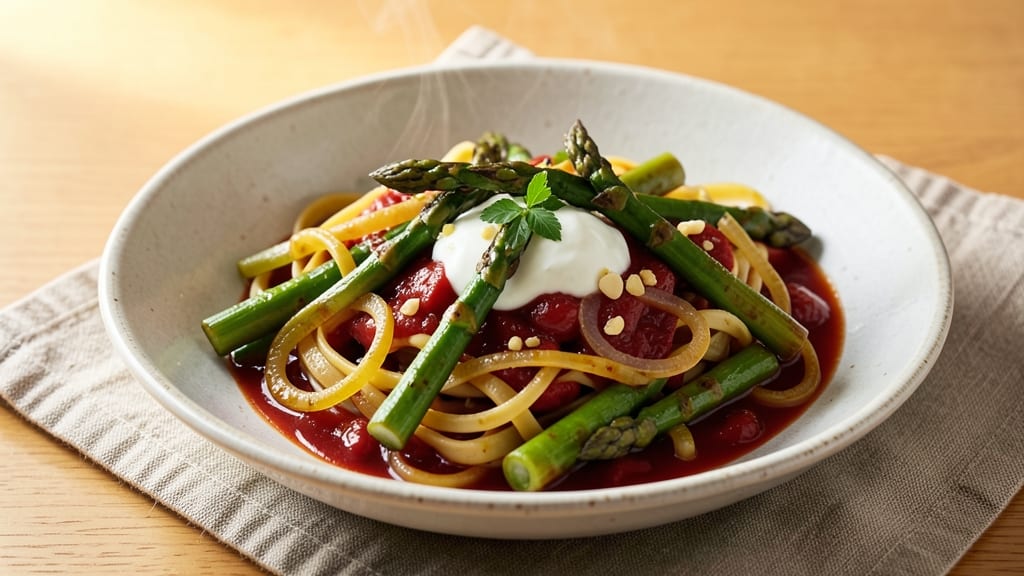
This asparagus pasta sauce recipe transforms simple ingredients into a creamy, vibrant dish that balances earthy asparagus with rich tomato flavors. The secret lies in charring the asparagus first—this caramelizes natural sugars, deepening the sauce’s complexity while keeping the pasta tender.
I developed this recipe during spring’s peak asparagus season, when fresh, bright vegetables deserve center stage.
The process is straightforward: blanch asparagus to preserve its crisp-tender texture, then sauté with garlic and onions until fragrant. A blend of creamy tomato sauce and a splash of white wine creates a velvety base that coats each strand of pasta perfectly.
Fresh herbs and a touch of lemon brighten the dish, ensuring every bite feels fresh and restaurant-quality.
What makes this sauce special is how it transforms humble ingredients into something luxurious. The asparagus adds a subtle bitterness that cuts through the richness, while the tomato base ensures depth.
The result? A silky, creamy sauce that clings to al dente pasta, making this dish ideal for spring dinners or quick weeknight meals.
Pair it with crusty bread to soak up every last drop of sauce, or serve alongside grilled chicken for a complete meal. The recipe scales easily, so you can double it for entertaining. Let’s get cooking!
Ingredients for asparagus pasta sauce
Fresh asparagus, rich tomatoes, and velvety cream transform into a luxurious spring pasta sauce.
| Ingredient | Amount | Notes |
|---|---|---|
| Fresh Asparagus 🌱 | 1 lb | Trimmed, tough ends removed |
| Extra-Virgin Olive Oil 🫒 | ½ cup | High quality for richness |
| Yellow Onion 🧅 | 1 whole | Diced into small pieces |
| Garlic Cloves 🧄 | 4 cloves | Minced for aromatic depth |
| Canned San Marzano Tomatoes 🍅 | 28 oz | Crushed by hand or blender |
| Heavy Cream 🥛 | ½ cup | Full-fat for creaminess |
| Dry White Wine 🍷 | ½ cup | Sauvignon Blanc preferred |
| Fresh Basil Leaves 🌿 | ¼ cup | Chopped for fresh aroma |
| Lemon Juice 🍋 | 1 tbsp | Freshly squeezed |
| Diamond Crystal Kosher Salt 🧂 | 1 tsp | For seasoning balance |
| Freshly Ground Black Pepper 🌶️ | ½ tsp | For subtle heat |
| Unsalted Butter 🧈 | 2 tbsp | For sauce richness |
| Pasta (Spaghetti or Linguine) 🍝 | 12 oz | Al dente preferred |
The asparagus deserves special attention—look for bright green, firm stalks with tightly closed tips. Whole Foods or local farmers markets often carry the freshest spring asparagus, but any grocery store's produce section will work. Trim the woody ends carefully; they should snap easily when bent. For the San Marzano tomatoes, avoid dented cans—the acidity balances the creaminess perfectly. The heavy cream is non-negotiable here; full-fat versions create that signature velvety texture the intro promises.
No white wine? Substitute chicken or vegetable broth with a splash of apple cider vinegar—it mimics the acidity perfectly. Fresh basil is ideal, but dried oregano at one-third the amount works in a pinch. The butter should be cold when added to prevent curdling the sauce. For the pasta, linguine works better than spaghetti—its flatter shape holds more sauce. If you can't find San Marzano, any high-quality crushed tomatoes will do, but watch for added salt.
This sauce reheats beautifully—simmer gently for 3-4 minutes to restore its creamy texture. Store in an airtight container for up to 3 days in the fridge, or freeze for 3 months in portion-sized containers. The asparagus can be prepped ahead and blanched, then stored in ice water until ready to char. Always reserve some pasta water when cooking—a splash emulsifies the sauce beautifully if it separates.
Why You'll Love This Recipe
- Same sauce, different vibes: toss it with spaghetti for a quick weeknight meal, or serve it over grilled chicken for a dinner guest-worthy dish. The onions caramelize so easily, it’s foolproof for any occasion.
- No-Waste Ingredients: I swear by this sauce because it uses the whole asparagus—tender stalks and the crispy tips. No sad food scraps here; even the woody ends get a quick char in the pan for depth.
- Garlic-Tomato Magic: That San Marzano tomato base, simmered with garlic until it’s just shy of burning, turns into something dangerously good. The asparagus adds this bright, almost citrusy pop—like a springtime hug in a bowl.
- Weeknight to Party: Same sauce, different vibes: toss it with spaghetti for a quick weeknight meal, or serve it over grilled chicken for a dinner guest-worthy dish. The onions caramelize so easily, it’s foolproof for any occasion.
Step-by-step instructions for asparagus pasta sauce
Master this technique and you'll create a sauce where tender asparagus harmonizes with rich tomato and velvety cream.
Prepare the Asparagus and Aromatics
Start by trimming the tough ends from the 1 lb fresh asparagus and cutting the spears into 1-inch pieces. Set aside. In a large skillet, heat 2 tablespoons unsalted butter and 2 tablespoons extra-virgin olive oil over medium heat until the butter foams but doesn't brown. Add the 1 whole yellow onion and cook for 5-6 minutes until softened and translucent.
Add the 4 minced garlic cloves and cook for 30 seconds until fragrant—don't let it brown or it'll turn bitter. Here's the thing—garlic burns in seconds, so keep your eye on the pan. The base should smell sweet and savory before moving forward.
Sauté Asparagus Until Tender-Crisp
Add the asparagus pieces to the skillet and toss to coat in the butter and oil. Cook for 4-5 minutes until the asparagus is tender but still maintains a slight crispness—you want it to hold its shape in the sauce. Stir occasionally to ensure even cooking and prevent browning.
Season immediately with ½ teaspoon freshly ground black pepper and ½ teaspoon diamond crystal kosher salt. The asparagus should be bright green and vibrant, not dull. If it starts to darken too quickly, reduce heat slightly to medium-low and continue cooking.
Build the Tomato-Wine Base
Pour in the ½ cup dry white wine and stir to deglaze the pan, scraping up any browned bits from the bottom. Let it simmer for 2-3 minutes until reduced by half. Add the 28 oz crushed San Marzano tomatoes and 1 tablespoon lemon juice, then bring to a gentle simmer.
Cook uncovered for 10-12 minutes until the sauce thickens slightly and the acidity from the lemon brightens the tomatoes. You'll see the sauce transform from raw tomato to rich, concentrated base. This step develops the sauce's depth—don't rush it. The sauce should coat the back of a spoon but still flow smoothly.
Add Cream and Finish with Basil
Reduce heat to low and stir in the ½ cup heavy cream. Let it simmer gently for 3-4 minutes until warmed through but not boiling—you want to maintain the cream's silky texture. Add the remaining ½ teaspoon diamond crystal kosher salt and adjust seasoning if needed.
Remove from heat and stir in the ¼ cup chopped fresh basil leaves. The basil will release its aromatic oils and brighten the sauce with freshness. Taste and adjust seasoning—this is where you ensure the balance between creamy richness, tangy tomato, and earthy asparagus. The sauce should be velvety with just enough acidity to cut through the cream.
Cook and Combine with Pasta
Bring a large pot of salted water to a rolling boil and cook the 12 oz pasta (spaghetti or linguine) until 1 minute shy of package directions for al dente. Reserve 1 cup pasta water before draining.
Add the drained pasta to the asparagus sauce and toss to coat completely. If the sauce seems too thick, add reserved pasta water 1 tablespoon at a time until it reaches your desired consistency. The pasta should be fully coated with sauce, with just a hint of asparagus peeking through. Serve immediately with additional fresh basil if desired.
Pro Tips For Making Asparagus Pasta Sauce
- CHAR THE ASPARAGUS FIRST: I learned this the hard way—raw asparagus in sauce tastes like sad, crunchy grass. Sear the trimmed spears in a separate pan with olive oil for 3-4 minutes until bright green and just tender. Then add them to the sauce at the end so they stay vibrant and bite-sized.
- SWEAT THE ONION LOW AND SLOW: After burning three batches, I finally figured out: medium-low heat is your friend here. Dice that onion finely and cook it in olive oil for 8-10 minutes until it’s translucent and golden, not brown. This builds flavor without turning the sauce bitter—especially important when you’re working with delicate San Marzano tomatoes.
- CRUSH THE TOMATOES BY HAND: Yes, even if you’re impatient like me. Drain the San Marzano tomatoes and crush them with your fingers in the pot—this breaks down the skins and releases more juice, giving you a richer, smoother sauce. Skip this, and you’ll end up with a chunky, uneven texture that fights with the asparagus.
- SAVE THE ASPARAGUS WATER: Does it look weird? Yes. Does it work? Every single time. When you blanch the asparagus (or even if you just snap off the tough ends), reserve a splash of that starchy water. Add 2-3 tablespoons to the sauce at the end—it’ll thicken the sauce naturally and add a subtle earthy note that ties everything together.
Essential equipment for this dish
Skillet Essentials
The right skillet makes all the difference in this recipe. I swear by a 12-inch cast iron skillet like the Lodge Pre-Seasoned—it retains heat beautifully and develops those rich, caramelized flavors from the asparagus.
If you don’t have cast iron, a heavy stainless steel skillet (like All-Clad) works too, but preheat it longer to prevent sticking. Avoid nonstick—it can’t handle the high heat needed for proper searing. 🔥
Heat Control Tools
You’ll need a good-quality thermometer to monitor your skillet’s temperature. I use a Thermoworks Thermapen One—it’s fast and accurate. Keep an eye on that heat: medium-high for initial searing, then medium-low when adding cream.
A silicon spatula (like OXO Good Grips) helps scrape up those flavorful browned bits without scratching your pan.
Blenders & Immersion Sticks
For a smoother sauce, blend the tomatoes and asparagus after cooking. A high-speed blender (like Vitamix) works best, but an immersion blender (like Ninja) saves cleanup. If you’re not blending, just mash the tomatoes by hand with a wooden spoon—it adds texture that some people love.
The key is consistency: you want the sauce to coat the back of a spoon without being gluey. ✨
Pasta Cooking Gear
Don’t skimp on your pasta pot—a wide, deep pot (like Cuisinart MultiClad) prevents spills and lets pasta cook evenly. Use a pasta fork (like OXO’s) to toss the sauce with pasta—it’s more effective than a regular fork.
And always reserve 1 cup pasta water in a small measuring cup nearby. It’s liquid gold for adjusting sauce consistency. 💫
Optional Upgrades
Want to take it to the next level? A garlic press (like Garlic Press Pro) makes mincing garlic foolproof. For extra flavor, toast 1 tsp fennel seeds in the skillet before adding onions—they add a subtle anise note that pairs perfectly with asparagus.
And if you’re feeling fancy, a microplane for lemon zest adds bright citrus notes without overpowering the dish.
Nutrition facts
Frequently asked questions
Can I use frozen asparagus instead of fresh?
Fresh asparagus gives the best texture and flavor, but frozen works in a pinch. Thaw it first and pat completely dry before cooking to prevent excess moisture in your sauce. For even better results, blanch the frozen asparagus for 2 minutes before adding it to the skillet—this mimics the fresh prep.
How do I prevent the sauce from separating when reheating?
Add a splash of pasta water or a pat of cold butter while reheating to help emulsify the sauce. Keep heat at low-medium and stir constantly—never let it boil. For storage, cool the sauce completely before refrigerating and reheat gently to preserve its creamy texture.
What's the best pasta shape for this recipe?
Linguine or fettuccine work perfectly—their flat surfaces hold more sauce than spaghetti. For extra flavor, try pappardelle or tagliatelle. Avoid small shapes like penne or shells, as they don't showcase the sauce as well. The wider the noodle, the better the sauce adhesion!
Can I make this sauce without wine?
Replace the white wine with ½ cup chicken or vegetable broth plus 1 tablespoon apple cider vinegar for acidity. The vinegar mimics wine's brightness while keeping the sauce balanced. For a non-alcoholic option, try sparkling apple juice instead—it adds a nice effervescence.
How do I make this dish vegetarian?
This recipe is already vegetarian-friendly! Just ensure your butter and pasta are plant-based if needed. For extra protein, stir in ½ cup cooked white beans or crumbled tofu at the end. The asparagus and tomatoes provide plenty of vegetable goodness without any animal products.