
Sauces & Condiments
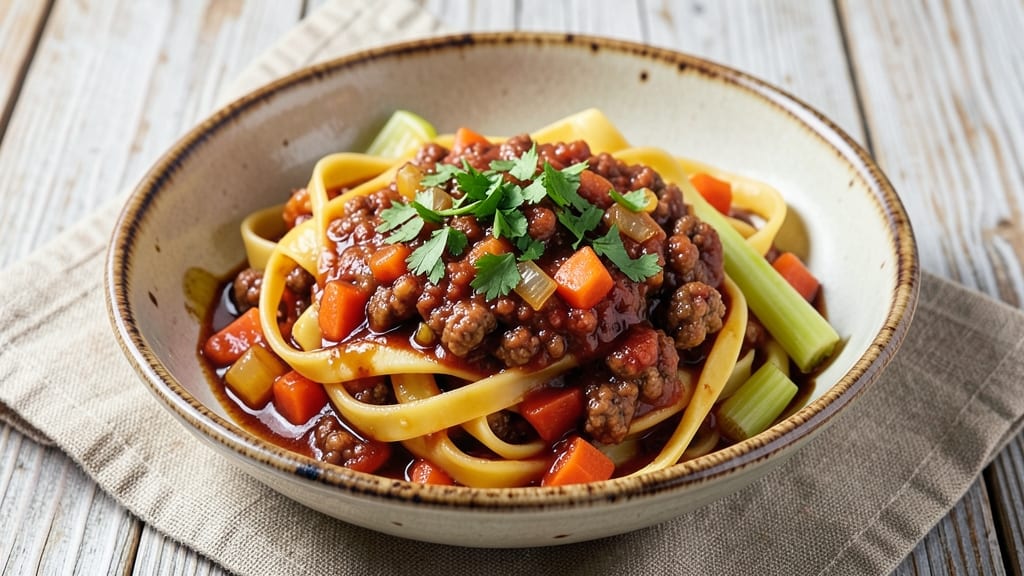
This Barilla Bolognese sauce recipe delivers the perfect balance of slow-simmered richness and deep umami flavor that transforms any pasta dish. The secret lies in a proper meat base—ground beef and pork—that develops complex flavors as it cooks down with aromatic vegetables and Barilla's signature pasta.
What sets this apart is the slow-simmering technique, which creates a velvety texture while intensifying the sauce's depth over time.
The foundation begins with finely diced onions, carrots, and celery (the holy trinity) that form the aromatic base before adding meat and tomatoes. A splash of red wine deglazes the pan, adding brightness, while a touch of milk mellows the acidity in the finished sauce.
The result is a sauce that clings beautifully to pasta while remaining rich enough to stand alone as a condiment for meats or polenta.
What makes this sauce truly perfect is its versatility—use it immediately for al dente pasta or store it for up to 5 days in the refrigerator. The flavors only deepen with time, making it ideal for meal prep.
For an extra layer of complexity, consider adding a bay leaf during simmering or finishing with fresh basil before serving.
This recipe delivers restaurant-quality results without requiring advanced techniques. The key is patience—letting the sauce develop its rich, meaty character over at least 2 hours of simmering.
Whether you're serving it over spaghetti or using it as a base for lasagna, this Bolognese sauce will elevate your Italian cooking every time.
Ingredients for barilla bolognese sauce
Twelve essential ingredients transform into restaurant-quality Bolognese through slow-simmered patience and umami precision.
| Ingredient | Amount | Notes |
|---|---|---|
| Extra-Virgin Olive Oil 🫒 | ½ cup | High-quality, fruity variety preferred |
| Yellow Onion 🧅 | 1 whole | Finely diced, about 1.5 cups |
| Carrots 🥕 | 2 whole | Finely diced, about 1 cup |
| Celery Stalks 🌿 | 3 whole | Finely diced, about 1 cup |
| Ground Beef 🥩 | 1 ½ lb | 80/20 fat ratio for richness |
| Ground Pork 🥩 | ½ lb | 80/20 fat ratio for depth |
| Garlic Cloves 🧄 | 4 cloves | Minced, for aromatic base |
| Canned San Marzano Tomatoes 🍅 | 2 cans | 28 oz each, crushed by hand |
| Dry Red Wine 🍷 | ½ cup | Bold variety like Cabernet Sauvignon |
| Whole Milk 🥛 | ¼ cup | Full-fat for creaminess |
| Bay Leaves 🌿 | 2 whole | For subtle herbal depth |
| Diamond Crystal Kosher Salt 🧂 | 1 ½ tsp | Adjust to taste |
| Freshly Ground Black Pepper 🌶️ | ½ tsp | Freshly cracked preferred |
| Fresh Basil Leaves 🌿 | ¼ cup | Chopped for finishing |
The meat selection is non-negotiable for authentic flavor. Ground beef with 80/20 fat ratio from the butcher counter delivers the richness you can't get from pre-packaged blends—look for bright red color and visible fat marbling. Ground pork adds depth that beef alone can't replicate; Whole Foods or your local butcher often carry the right cuts. For the vegetables, the holy trinity (onion, carrot, celery) should be finely diced—about 1/8-inch pieces—so they dissolve into the sauce rather than remain identifiable. San Marzano tomatoes are worth the investment; their sweetness and low acidity create a balanced foundation. If you're short on time, Trader Joe's carries them at a reasonable price.
No red wine? Dry vermouth or beef broth works in a pinch, though the flavor won't be identical. The milk might seem unusual, but it's essential for mellowing the acidity—whole milk is non-negotiable here; skim or almond milk won't provide the same creaminess. Fresh basil is ideal for finishing, but dried basil at one-third the amount will suffice if you're out. For the tomatoes, if you can't find San Marzano, high-quality crushed tomatoes (like Muir Glen) are the next best option. The bay leaves add subtle herbal notes—remove them before serving, as they don't dissolve. If you're making this ahead, the flavors actually improve with time, so don't rush the simmering process.
This sauce develops best with time—3-5 days in the refrigerator allows the flavors to meld beautifully. Store it in an airtight container with a thin layer of olive oil on top to preserve freshness. For longer storage, it freezes exceptionally well for up to 6 months; portion into meal-sized containers before freezing. The sauce reheats beautifully—simply warm over medium-low heat, stirring occasionally, until thoroughly heated. The texture will be slightly thicker after refrigeration, so a splash of water or milk can restore its ideal consistency before serving.
Why You'll Love This Recipe
- One-Pot Magic: I swear, this sauce comes together in a single pot—no extra bowls, no mess. Just chop the onion, carrots, and celery (the "holy trinity" of flavor), brown the beef right in the same pan, and let the Barilla pasta water work its magic. Honestly, I’ve made it while scrolling through my phone.
- Rich Without Effort: That slow simmer with olive oil and beef? It builds layers of depth that taste like you spent hours cooking. The carrots and celery soften into sweet, savory threads, and the beef stays juicy—no dry, overcooked chunks here. Between us, it’s the kind of sauce that makes you want to lick the spoon.
- Meal Prep MVP: Double the batch and freeze half for lazy nights. Toss it with pasta later or use it to bulk up soups and casseroles. I’ll be real: my freezer is packed with this stuff because it’s the only sauce that doesn’t taste sad after reheating. (Yes, even on a Tuesday night.)
- Budget-Friendly Hero: Ground beef and veggies stretch into gallons of sauce for pennies. No fancy ingredients, no waste—just pure, hearty flavor that fills up a family without breaking the bank. My daughter picks out the carrots first, but she still asks for seconds. That’s the real win.
Step-by-step instructions for Barilla Bolognese sauce
This method delivers authentic Italian richness through precise technique and patient simmering.
Build the Sofritto Base
Heat the 0.5 cup extra-virgin olive oil in a heavy-bottomed Dutch oven over medium-low heat. Add the finely diced yellow onion, diced carrots, and diced celery stalks, stirring occasionally for 8-10 minutes until they soften and release their natural juices. This aromatic trifecta forms the foundation of your sauce—don't rush this step or you'll lose flavor.
Once the vegetables are tender but not browned, add the minced garlic cloves and cook for 1 minute until fragrant. The garlic should just begin to color—any longer and it'll burn, leaving a bitter taste. Remove the pot from heat temporarily to prevent burning while you prepare the next components.
Brown the Meat Mixture
Return the Dutch oven to medium heat and add the 1.5 lb ground beef and 0.5 lb ground pork in batches, breaking up any large clumps with a wooden spoon. Cook for 8-10 minutes until the meat loses its raw color and develops a deep brown crust. This browning reaction, known as the Maillard effect, creates complex flavors that form the sauce's umami backbone.
Use a slotted spoon to transfer the cooked meat to a plate, leaving the rendered fats in the pot. These fats will form the base for your sauce, so don't drain them. The meat should be cooked to 160°F internally—it will finish cooking during the simmering process.
Deglaze and Simmer the Tomatoes
Pour in the 0.5 cup dry red wine, scraping the bottom of the pot vigorously with a wooden spoon to release all the browned bits—this is where the deep flavor hides. Let the wine reduce by half (2-3 minutes) before adding the crushed San Marzano tomatoes, 1.5 tsp kosher salt, 0.5 tsp black pepper, and 2 bay leaves. The tomatoes should just barely cover the meat mixture.
Bring to a gentle simmer, then reduce heat to low. Partially cover the pot and let it cook for 1.5 hours, stirring occasionally. The sauce should thicken gradually and develop a rich, velvety texture. If it becomes too thick before the time is up, add 2-4 tablespoons of water to maintain consistency.
Finish with Creaminess and Fresh Herbs
After the initial simmer, stir in the 0.25 cup whole milk and 0.5 cup dry red wine (if needed to reach desired consistency). The milk adds a subtle creaminess that balances the acidity of the tomatoes. Simmer uncovered for another 30-45 minutes until the sauce reaches your preferred thickness—it should coat the back of a spoon but still be saucy enough to cling to pasta.
Remove the bay leaves and stir in the chopped fresh basil leaves. Taste and adjust seasoning—you may need an additional 0.5 tsp salt or black pepper to taste. The sauce should be rich, complex, and properly balanced between sweet, sour, salty, and umami notes. Let it rest at room temperature for 15 minutes before serving to allow flavors to meld completely.
Perfect Pairing with Barilla Pasta
Cook 12 oz Barilla pasta according to package directions until al dente (1 minute less than recommended). Reserve 1 cup pasta water before draining. Toss the hot pasta with the Bolognese sauce, adding reserved pasta water as needed to create an ideal sauce-to-pasta ratio. Serve immediately with grated Parmesan cheese and additional fresh basil if desired.
The key to this sauce is patience—rushing the simmering process will result in a thin, one-dimensional sauce. Each component must be properly developed in sequence to create the layered complexity that defines authentic Bolognese. The result should be a sauce so rich it coats each strand of pasta perfectly, with every bite delivering deep umami flavor and velvety texture.
Pro Tips For Making Barilla Bolognese Sauce
- Sweat, Don’t Burn: The onion, celery, and carrots (your "soffritto") should release moisture and soften—not turn to ash. Start with medium-high heat, then drop to medium-low once it’s moving, stirring often. I learned this the hard way: charred veggies taste bitter, and you’ll spend the next hour scraping the bottom.
- Mince the Meat: Skip the crumbly pre-ground beef if you want real flavor. Use a sharp knife or food processor to chop chilled beef into uneven, pea-sized pieces—this mimics fresh ground meat and sears better. Yes, it takes 5 extra minutes, but the sauce won’t taste like it came from a package.
- Deglaze Before Adding Tomato: After browning the beef, splash in ½ cup of red wine (or broth) and scrape every last bit from the pan—this is where the flavor hides. Let it reduce by half before adding the crushed tomatoes. I used to skip this, and the sauce always tasted flat.
- Salt the Pasta Water: The sauce will absorb some salt from the water, so add 1 tablespoon of salt per 4 quarts of water. Trust me, you’ll thank yourself when you taste that first bite of perfectly seasoned al dente pasta. (And no, the sauce won’t get too salty—it’s a myth.)
Best sauces and condiments for this barilla bolognese sauce
Classic Tomato Sauce
Start with a simple marinara sauce made from San Marzano tomatoes, garlic, and fresh basil. Simmer these ingredients for 20-30 minutes until thickened, then blend until smooth. This bright, acidic sauce provides a perfect contrast to the richness of Bolognese, balancing the meal beautifully. 🍅
Creamy Alfredo
For a luxurious pairing, prepare a homemade Alfredo sauce using heavy cream, butter, and Parmesan cheese. Heat 1 cup heavy cream and 4 tbsp butter until steaming, then whisk in 1 cup grated Parmesan until smooth.
The creamy texture complements the meaty depth of Bolognese while adding a velvety contrast. Serve immediately over pasta for an indulgent twist.
White Wine Reduction
Elevate your dish with a white wine reduction that adds brightness and acidity. Simmer 1 cup dry white wine with 1 tbsp butter and 1 tbsp shallots until reduced by half.
Finish with a splash of lemon juice and fresh herbs like thyme or parsley. This sauce pairs wonderfully with seafood or as a finishing drizzle over Bolognese for a sophisticated touch.
Pesto Variations
Brighten your meal with homemade pesto using basil, pine nuts, Parmesan, and olive oil. For a twist, try sun-dried tomato pesto or arugula pesto—both add depth and a slightly earthy flavor.
Toss with pasta or drizzle over Bolognese to create a layered, flavorful dish. Store pesto in an airtight container with a thin layer of olive oil to preserve freshness.
Spicy Arrabbiata
For heat lovers, make a spicy arrabbiata sauce with San Marzano tomatoes, garlic, and red chili flakes. Simmer until thickened, then blend until smooth. The fiery kick contrasts beautifully with the richness of Bolognese, creating a balanced yet exciting flavor profile.
Adjust the heat level by adding more or less chili flakes to taste.
Butter and Sage
Simplify with a butter and sage sauce by melting 4 tbsp butter with 4 fresh sage leaves over low heat. Swirl in 1 tbsp pasta water to emulsify for a silky finish.
This light, aromatic sauce enhances the meaty flavors of Bolognese without overpowering them. Perfect for a quick yet elegant meal.
Nutrition facts
Frequently asked questions
Why does this Bolognese sauce recipe use both beef and pork?
The combination creates a more complex flavor profile than beef alone. Ground pork adds subtle sweetness and fat that enhances the sauce's richness, while beef provides hearty umami depth. Together they create the authentic Italian balance that defines traditional Bolognese.
Can I make this sauce in a slow cooker instead of stovetop?
Yes! Brown the meat and vegetables first, then transfer everything to a slow cooker on low heat for 6-8 hours or high heat for 3-4 hours. The slow cooking method actually enhances the flavors, though you may need to add 1-2 tablespoons of water if it gets too thick.
What's the best way to store leftover Bolognese sauce?
Store in an airtight container in the refrigerator for up to 5 days. For longer storage, freeze portions for up to 6 months. Add a thin layer of olive oil before sealing to preserve freshness. The sauce actually tastes better after 2-3 days as flavors meld!
Is there a vegetarian version of this sauce?
Replace the meat with 1 lb mushrooms (cremini or shiitake) and 1 cup cooked lentils for protein. Add 1 tbsp soy sauce for umami depth. The milk and wine additions remain the same for that signature creamy balance.
Why does the recipe call for milk in a meat sauce?
The milk mellows the acidity of the tomatoes and adds subtle creaminess without making the sauce heavy. It also helps break down the meat fibers during simmering, creating a smoother texture. Whole milk is essential—low-fat versions won't provide the same richness.