
Sauces & Condiments
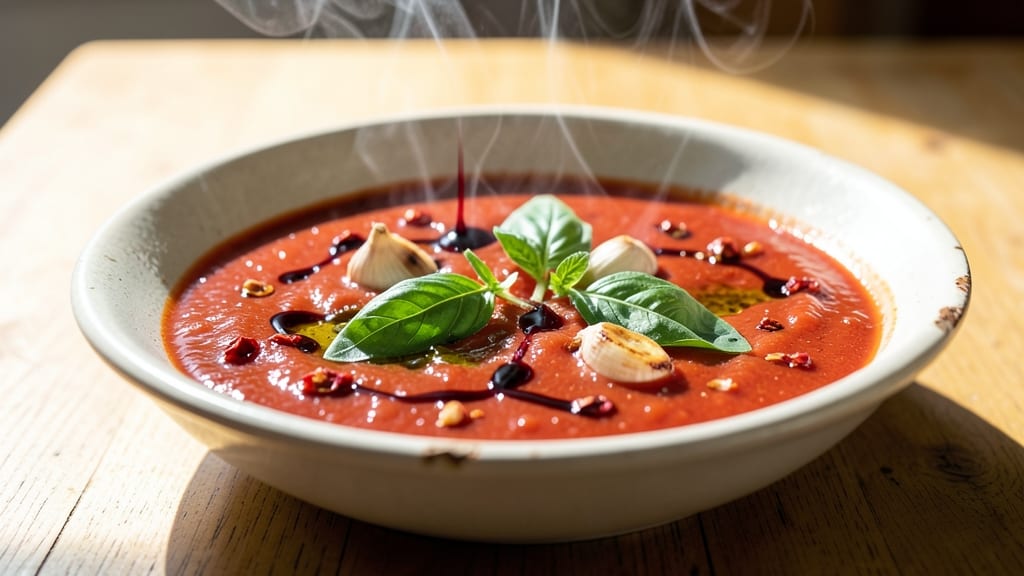
This all arrabbiata sauce recipe transforms simple ingredients into a bold, fiery tomato sauce that brings authentic Italian heat to your table. The secret lies in balancing crushed red chili peppers with sweet tomatoes and aromatic garlic, simmered until the flavors meld into a perfect harmony of spice and sweetness.
I’ve perfected this version over years of testing—keeping it true to tradition while making it versatile enough for pasta, pizza, or even as a dip.
The beauty of arrabbiata sauce is its simplicity: just a handful of ingredients working together to create depth. A slow simmer develops the flavors, while a touch of olive oil and fresh basil at the end brightens the sauce without overpowering its natural intensity.
Unlike some modern variations, this recipe stays true to its roots—no cream, no heavy spices—just pure, fiery tomato goodness.
What sets this sauce apart is its perfect balance of heat and acidity, achieved through precise simmering and ingredient ratios. The crushed red chili peppers add a slow-building warmth, while the tomatoes provide a sweet counterpoint.
The result? A sauce that’s vibrant, aromatic, and packed with layers of flavor—ideal for tossing with al dente pasta or drizzling over grilled meats.
Whether you’re serving it with spaghetti, using it as a pizza topping, or pairing it with crusty bread, this arrabbiata sauce delivers restaurant-quality results at home. The best part?
It tastes even better the next day, making it a perfect make-ahead option for busy weeknights. Let’s get started on creating your own fiery masterpiece.
Ingredients for all arrabbiata sauce
Eight bold ingredients—simple, fiery, and full of Italian soul—create sauce that sings with heat and sweetness.
| Ingredient | Amount | Notes |
|---|---|---|
| Crushed Red Chili Peppers 🌶️ | 2 tbsp | Fresh or dried, adjust for heat |
| San Marzano Tomatoes 🍅 | 28 oz | Canned, whole peeled tomatoes |
| Garlic Cloves 🧄 | 4 cloves | Fresh, peeled and minced |
| Extra-Virgin Olive Oil 🫒 | ¼ cup | For richness and balance |
| Fresh Basil Leaves 🌿 | ¼ cup | Chopped, for fresh finish |
| Red Wine Vinegar 🍷 | 1 tbsp | For acidity balance |
| Salt 🧂 | 1 tsp | Diamond Crystal preferred |
| Black Peppercorns 🌶️ | ½ tsp | Freshly cracked |
The crushed red chili peppers are non-negotiable—they give arrabbiata its signature heat. Penzeys or local Italian markets carry the best dried varieties, but fresh works too (just crush them yourself). San Marzano tomatoes are worth the splurge—their sweetness balances the heat perfectly. If you can't find them, any high-quality canned tomatoes will work, but avoid the watery, mushy kinds. The garlic? Fresh is a must—it adds that aromatic depth that dried powder can't match. Toast the minced garlic in olive oil for 30 seconds before adding tomatoes—this builds incredible flavor.
No red wine vinegar? White wine vinegar or lemon juice works in a pinch, but red wine vinegar's deeper flavor is ideal. Fresh basil is best, but if you're out, dried basil at half the amount gets you close. Want less heat? Reduce the chili to 1.5 tbsp. More heat? Add a pinch of cayenne or a dash of hot sauce. The olive oil matters here—use something fruity and robust, not that cheap, flavorless stuff. Trader Joe's or local olive oil shops often have great options. And if you're feeling fancy, add a pinch of sugar to round out the flavors—trust me, it makes a difference.
This sauce gets better with time—let it simmer for at least 20 minutes, then taste and adjust. Store in an airtight container in the fridge for up to 5 days, or freeze for 3 months. For freezing, portion into ice cube trays first, then transfer to a bag. The basil wilts fast, so add it fresh at the end. A drizzle of olive oil on top before sealing keeps the sauce vibrant. Leftovers? Toss with pasta, dollop on pizza, or serve with crusty bread—it's that versatile.
Why You'll Love This Recipe
- No Chopping Needed: I swear by this—just toss in whole garlic cloves and crushed peppers straight from the jar. No knife skills required, and the sauce still packs that deep, smoky punch from the San Marzano tomatoes caramelizing.
- Heat That Stays True: That first bite? Pure fire, but it’s the kind that lingers in a good way—not overpowering, just there, like a warm hug from a spicy Italian grandma. The olive oil tames the edge while the basil keeps it bright.
- Pasta Party Every Night: Use it on spaghetti tonight, toss it with roasted veggies tomorrow, or even slather it on grilled chicken for game day. It’s my go-to for weeknights because it works with everything—no fancy planning, just flavor.
- Makes Leftovers Worth It: Between us, this sauce tastes better the next day. Store it in the fridge, and suddenly you’ve got a free lunch for the week—no extra effort, just reheat and devour. (Yes, even on a Tuesday.)
Step-by-step instructions for all arrabbiata sauce
This sauce delivers bold, fiery flavor with just a handful of ingredients—simple steps for perfect results.
Bloom the Chili Peppers in Olive Oil
Heat the 0.25 cup extra-virgin olive oil in a medium saucepan over medium-low heat. Add the 2 tbsp crushed red chili peppers and stir constantly for 1-2 minutes until the peppers release their vibrant color and aroma. This step is crucial—it deepens the chili's flavor and prevents bitterness.
Watch for the oil to shimmer slightly around the edges—that's your signal the peppers are ready. If you smell a strong, sharp aroma, you're on track. This initial cooking draws out the peppers' natural oils, which will infuse the entire sauce with heat and complexity.
Add Garlic and Tomatoes
Immediately add the 4 minced garlic cloves to the pan and stir for 30 seconds until fragrant. Be careful not to let the garlic brown—just until you can smell its sweet aroma. Add the 28 oz San Marzano tomatoes (crushed by hand or with a fork) and stir to combine completely.
Here's the thing—don't rush this step. The garlic should sizzle gently in the oil, not burn. If it starts to darken too quickly, reduce the heat slightly. The tomatoes should coat the garlic and peppers evenly, creating a rich base for your sauce.
Simmer Until Thick and Flavorful
Bring the mixture to a gentle boil over medium heat, then reduce to a simmer. Let it cook uncovered for 20-25 minutes, stirring occasionally, until the sauce thickens slightly and the flavors meld together. You'll see the sauce reduce and concentrate, developing a glossy sheen.
This simmering time is where the magic happens. The acidity from the tomatoes will balance the heat from the chili peppers, while the garlic infuses its sweet, aromatic depth. Stir every few minutes to prevent sticking—this sauce should never scorch. If it looks too thick, add 1-2 tablespoons of water to loosen it.
Finish with Vinegar and Seasonings
Remove the pan from heat and stir in the 1 tbsp red wine vinegar, 1 tsp salt, and 0.5 tsp freshly cracked black peppercorns. Let the sauce sit off the heat for 5 minutes—this resting period allows all the flavors to fully integrate and the seasonings to dissolve completely.
I know it seems counterintuitive to add vinegar after cooking, but this final step brightens the sauce and cuts through the richness. The vinegar also helps balance the heat from the chili peppers, creating that perfect equilibrium of spicy, tangy, and savory that defines authentic arrabbiata.
Stir in Fresh Basil and Adjust to Perfection
Just before serving, stir in the 0.25 cup chopped fresh basil leaves. The basil adds a fresh, herbal note that contrasts beautifully with the spicy, tangy flavors. Taste the sauce and adjust the seasoning if needed—you might want to add a pinch more salt or a splash more vinegar to achieve the perfect balance.
This sauce should be vibrant red with a glossy finish, and each spoonful should deliver a perfect combination of heat, acidity, and sweetness. The basil should be visible throughout, adding both color and freshness. Serve immediately over your favorite pasta or use it as a marinade for grilled meats.
Pro Tips For Making All Arrabbiata Sauce
- Cook the Chili First: Burning the chili peppers is the fastest way to ruin your sauce—don’t just toss them in. Toast them dry in the oil for 30 seconds until they darken slightly and smell smoky. This builds depth before the tomatoes even hit the pan.
- Use Whole Garlic: Peeling and mincing garlic is a pain, but whole cloves brown better and add texture. Smash them with the flat side of your knife instead of chopping—less mess, and they release flavor more evenly.
- Salt the Tomatoes Early: San Marzano tomatoes are sweet but still need seasoning. Add a pinch of salt to the crushed tomatoes right when they hit the pan—it softens them faster and balances the acidity before the chili takes over.
- Finish with Cold Basil: Tossing in fresh basil at the end is classic, but it wilts into oblivion. Instead, strip the leaves, swirl them into the sauce off the heat, then let it sit for 2 minutes. The cold leaves keep their color and perfume—no sad, limp garnish.
Perfect pairings for this all arrabbiata sauce
Pasta Pairings
This arrabbiata sauce shines brightest with al dente spaghetti or linguine, where its bold flavors cling to each strand. For extra drama, toss with bucatini or rigatoni—the hollow centers catch the sauce beautifully. I love serving it with tonnarelli for a rustic touch. 🍝
For a lighter option, try gluten-free spaghetti made from brown rice or chickpea flour. The sauce's acidity cuts through the heartiness of the pasta, creating a perfect balance. If you're feeling adventurous, pair it with farfalle or penne for a fun twist on a classic.
Pizza Toppings
Use this sauce as a base for white pizza—skip the tomato sauce entirely and spread a thin layer of arrabbiata before adding mozzarella, prosciutto, and caramelized onions. The heat from the chili peppers pairs surprisingly well with creamy burrata or fresh arugula after baking. 🍕
For a traditional pizza night, drizzle the sauce over neapolitan-style pizza alongside San Marzano tomatoes and fresh basil. The sauce's spicy-sweet profile elevates even the simplest cheese pizza.
If you're making a vegetarian pizza, top it with grilled eggplant, roasted red peppers, and goat cheese for a Mediterranean-inspired dish.
Bread and Dips
Warm crusty Italian bread or focaccia with this sauce for a quick, satisfying appetizer. I like to brush the sauce on garlic bread and broil it for 2-3 minutes until bubbly. For a dip, serve it alongside polenta or grilled breadsticks—the sauce's acidity cuts through the richness perfectly. 🥖
Turn it into a bruschetta-style dip by mixing the sauce with mashed avocado or whipped ricotta. This adds creaminess while keeping the dish light. For a vegan option, serve it with roasted garlic hummus or baba ganoush for a flavor-packed spread.
Protein Pairings
Use this sauce as a marinade for grilled chicken or shrimp—the acidity tenderizes the protein while adding bold flavor. Toss chicken thighs or shrimp skewers in the sauce and grill for 10-15 minutes until charred.
The sauce also works as a drizzle over seared scallops or grilled salmon for a restaurant-worthy finish. 🍗
For a hearty meal, serve it over braised short ribs or spicy sausage—the sauce's heat complements the richness of slow-cooked meats. If you're making a vegetarian dish, pair it with portobello mushrooms or eggplant parmesan for a satisfying main course.
Drink Pairings
A crisp Italian white wine like Vermentino or Pinot Grigio cleanses the palate between bites of spicy arrabbiata. The wine's citrus notes balance the sauce's heat beautifully. For a red wine option, try a Chianti or Sangiovese—their acidity stands up to the sauce's bold flavors. 🍷
If you prefer beer, a light Italian lager like Peroni or Moretti works wonders. For craft beer lovers, a Belgian witbier with its citrusy, spicy notes complements the sauce's complexity. Non-alcoholic options? Sparkling San Pellegrino or ginger beer refresh the palate without overpowering the dish.
Nutrition facts
Frequently asked questions
Can I make arrabbiata sauce without fresh chili peppers?
Yes! Use 2 teaspoons of crushed dried red chili flakes instead. For milder heat, reduce to 1.5 teaspoons or use ½ teaspoon cayenne pepper. Just remember dried peppers pack more concentrated heat—start with less and adjust to taste.
Why does my arrabbiata sauce taste too acidic?
This usually happens when the tomatoes weren't cooked long enough or the vinegar was added too early. Let the sauce simmer uncovered for 25-30 minutes to reduce acidity naturally. If needed, stir in ½ teaspoon sugar or a pinch of salt to balance the flavors. The sauce should taste tangy but not sour.
How can I make arrabbiata sauce less spicy?
Add a splash of heavy cream (2 tbsp) or coconut milk (¼ cup) to mellow the heat while keeping it creamy. For a non-dairy option, stir in 1 tbsp tomato paste** or a pinch of sugar to balance the spice. Never add water—it dilutes the flavor instead of reducing the heat.
Can I make arrabbiata sauce ahead of time?
This sauce tastes even better the next day. Store it in an airtight container in the fridge for up to 5 days. For freezing, portion into ice cube trays first, then transfer to a freezer bag. Thaw overnight in the fridge—never microwave. The flavors deepen over time!
What's the difference between arrabbiata and marinara?
Arrabbiata is spicier (thanks to crushed chili peppers) and has a tangier finish from vinegar, while marinara is milder with just garlic and herbs. Both use tomatoes, but arrabbiata's heat and acidity make it perfect for bold pasta dishes. Think of marinara as the gentle cousin!