
Sauces & Condiments
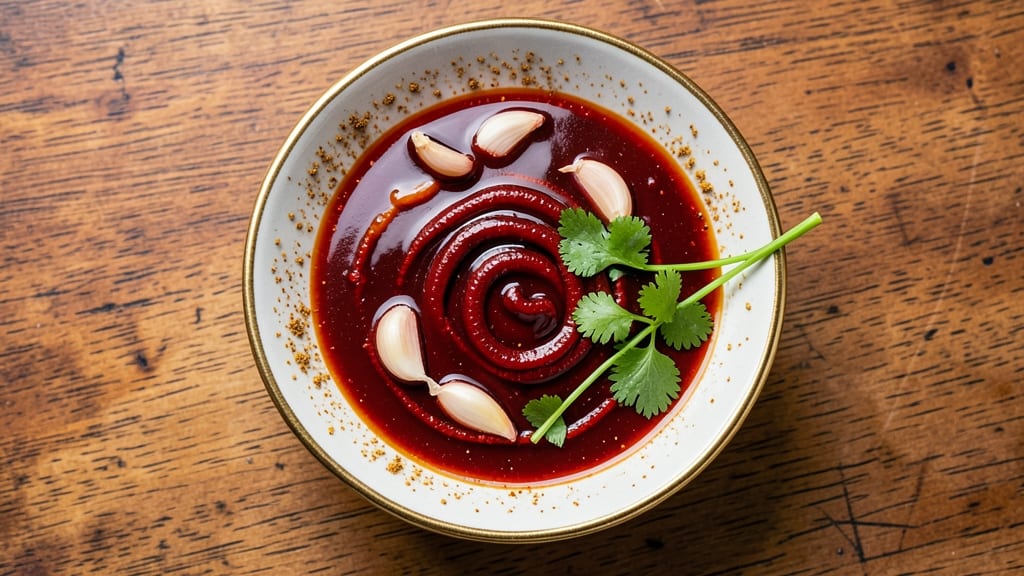
This banh mi soy sauce recipe transforms simple pantry staples into a fermented masterpiece that elevates every bite of your sandwich. The magic happens when garlic, chili, and five-spice powder meld with fish sauce and vinegar over time, creating a complex, umami-rich sauce that marinates meats and binds sandwiches together.
I developed this version after years of perfecting the balance—sweet, salty, tangy, and just spicy enough to wake up your taste buds.
The foundation of great banh mi sauce lies in its fermentation. You’ll combine fish sauce, sugar, and vinegar in precise ratios, then let it sit for at least 24 hours to develop depth. Garlic and chili paste add layers of heat and aroma, while five-spice powder brings warmth and complexity.
This isn’t just a sauce—it’s the soul of your sandwich, turning ordinary ingredients into something extraordinary with just a few drops.
Once fermented, this sauce keeps in the refrigerator for up to two weeks, allowing flavors to evolve and intensify. Use it to marinate pork, chicken, or tofu before grilling, or drizzle it over pickled vegetables and fresh herbs in your banh mi.
The result? A sandwich that’s bold, balanced, and impossible to resist. Ready to make the sauce that will change your sandwich game forever?
For best results, make a batch when you’re prepping for a meal—it’s worth the wait. The longer it sits, the richer it becomes. Trust the process, and you’ll have a sauce that’s as versatile as it is delicious. Let’s get started!
Ingredients for banh mi soy sauce
Nine simple ingredients transform into a fermented masterpiece for your banh mi sandwiches.
| Ingredient | Amount | Notes |
|---|---|---|
| Red Rice Vinegar 🍶 | ½ cup | White or seasoned vinegar works too |
| Red Boat Fish Sauce 🐟 | ¼ cup | High-quality for best umami |
| Granulated Sugar 🍬 | ¼ cup | Light brown sugar adds depth |
| Garlic Cloves 🧄 | 6 cloves | Freshly minced for bold flavor |
| Red Chili Paste 🌶️ | 2 tbsp | Vietnamese or Thai chili paste |
| Five-Spice Powder 🌿 | 1 tsp | Chinese five-spice preferred |
| Black Peppercorns 🌶️ | 1 tsp | Freshly ground for warmth |
| Sea Salt 🧂 | ½ tsp | Diamond Crystal preferred |
| Fresh Ginger 🧅 | 1 tbsp | Finely grated, not powdered |
| Lime Juice 🍋 | 1 tbsp | Freshly squeezed for brightness |
The fish sauce is non-negotiable here—Red Boat is my go-to, but any high-quality brand works. You'll find it in the Asian aisle at Whole Foods or Trader Joe's, or order online if your local store doesn't carry it. The vinegar should smell clean and sharp, not stale. For the garlic, peel and mince it fresh—don't use pre-minced from jars. The chili paste? Thai Kitchen or Maesri brands are reliable, but any good-quality paste will do. The five-spice powder should smell warm and aromatic—if it smells dusty, it's lost its potency.
No red rice vinegar? White vinegar or apple cider vinegar works in a pinch, though it'll be slightly less complex. Running low on fish sauce? Soy sauce at half the amount adds umami, but you'll lose that signature fermented depth. Fresh ginger? Powdered works at double the amount, but freshly grated gives that zesty kick. The lime juice can be bottled, but fresh is always better—just make sure it's ripe. For the five-spice, if you can't find it, mix cinnamon, star anise, fennel, clove, and pepper in equal parts. The black peppercorns should be freshly cracked—pre-ground loses its punch fast.
This sauce gets better with time—ferment for at least 24 hours, but up to 2 weeks in the fridge for maximum depth. Store it in a clean glass jar with a tight lid. The flavors evolve beautifully, so don't rush it. Use it to marinate meats or drizzle over pickled veggies in your banh mi. It keeps up to 2 weeks in the fridge once opened, though I usually finish it before then. For leftovers, just stir and use—no reheating needed.
Why You'll Love This Recipe
- Five-Ingredient Magic: I swear, this sauce comes together faster than I can say "banh mi." Just toss those five pantry staples—vinegar, fish sauce, sugar, garlic, and chili paste—into a small pot and let them simmer. No peeling, no dicing, no fuss. Honestly, it’s the kind of recipe that makes me feel like a cooking pro without the hassle.
- Umami Bomb: That first taste? Chef’s kiss. The Red Boat fish sauce and garlic cloves hit like a flavor tsunami, but the red rice vinegar and sugar balance it out—tangy, sweet, and just a little heat from the chili paste. It’s the kind of sauce that makes you want to slather it on everything, not just sandwiches.
- Weeknight Superstar: Between us, this is my go-to for quick lunches, potlucks, or even as a dipping sauce for fries. I’ve used it to glaze grilled chicken, drizzle over rice bowls, and even mix into marinades. It’s the ultimate pantry hero that never lets me down.
- Budget-Friendly Staple: A little goes a long way, and since I’m stocking up on these ingredients anyway (hello, rice vinegar for salads, fish sauce for stir-fries), this sauce is basically free. Plus, it keeps in the fridge for weeks, so I’m always ready to turn a simple meal into something special—without breaking the bank.
Step-by-step instructions for banh mi soy sauce
This sauce builds layers of flavor through fermentation and heat—here's how to make it shine.
Prepare the Base Ingredients
In a medium bowl, combine the 0.5 cup red rice vinegar, 0.25 cup Red Boat Fish Sauce, and 0.25 cup granulated sugar. Stir until the sugar dissolves completely—this ensures even distribution of sweetness throughout the sauce. I like to use a whisk for this step to avoid any graininess. The mixture should look like a pale amber syrup.
Next, finely mince the 6 cloves garlic and grate the 1 tbsp fresh ginger using a microplane. The ginger should be as fine as possible—think almost like a paste. Set these aside for now; we'll add them later to preserve their freshness and prevent them from turning bitter from prolonged exposure to the vinegar.
Toast the Spices for Depth
In a small dry skillet over medium-low heat, toast the 1 tsp five-spice powder and 1 tsp black peppercorns for 1-2 minutes until fragrant. You'll smell the warm, earthy notes of cinnamon, star anise, and clove mingling with the pepper's sharp aroma. This toasting step is crucial—it awakens the spices and prevents them from tasting raw or bitter in the final sauce.
Let the toasted spices cool for 2-3 minutes before grinding them lightly with a mortar and pestle or spice grinder. You don't need a fine powder—just enough to break up the peppercorns slightly. This texture ensures the spices will disperse evenly without overpowering the sauce.
Combine and Ferment
Transfer the vinegar mixture to a clean glass jar with a lid. Add the minced garlic, grated ginger, 2 tbsp red chili paste, toasted spices, and 0.5 tsp sea salt. Stir everything together until fully incorporated. The sauce should look thick and vibrant, with visible flecks of garlic, ginger, and chili.
Cover the jar and let it sit at room temperature for 1 hour. This initial fermentation period allows the flavors to begin melding together. You'll notice the mixture darkens slightly and develops a deeper aroma—this is a good sign! After 1 hour, give it another good stir, then refrigerate for at least 24 hours. The longer it ferments, the more complex and flavorful it becomes.
Finish with Lime and Adjust
After refrigeration, remove the jar from the fridge and let it sit at room temperature for 10 minutes to come to a more workable consistency. This helps the sauce flow smoothly when you're ready to use it. Stir in the 1 tbsp lime juice and taste the sauce. The lime brightens the flavors and cuts through the richness of the fish sauce.
At this point, you can adjust the balance of flavors. If it needs more heat, add a pinch more of the red chili paste. If it's too salty, a splash of water or a bit more vinegar can help. The ideal sauce should have a perfect harmony of sweet, salty, umami, and heat—each bite should make your taste buds dance. Store any leftovers in the fridge for up to 2 weeks, though it's unlikely to last that long!
Pro Tips For Making Banh Mi Soy Sauce
- Bloom the Garlic: Crush your garlic cloves flat with the side of your knife before mincing—this releases more flavor without burning. I used to just chop them, and the sauce never had that deep, nutty punch. Trust me, the extra 30 seconds makes a real difference.
- Simmer Slow and Low: Reduce the heat to a gentle bubble after adding fish sauce—high heat turns fish sauce bitter. I learned this the hard way after my sauce tasted like a salty swamp. Keep it at a whisper simmer for 8-10 minutes, and the flavors will marry beautifully.
- Taste Early, Adjust Often: Check the balance after 5 minutes, not at the end—fish sauce and sugar are sneaky. I once overcorrected because I waited too long, and the sauce ended up cloyingly sweet. Start with half the sugar, then add more if needed.
- Strain for Smoothness: Skip the blender—strain the chili paste through a fine-mesh sieve to avoid graininess. My first batch had texture like sandpaper, and I swore off it until I realized a quick strain fixes everything. Takes 30 seconds but saves your teeth.
Best sauces and condiments for this dish
Marinade Magic
This sauce isn’t just for sandwiches—it’s a game-changer for marinating meats. Use it to coat pork shoulder, chicken thighs, or even tofu for 4-6 hours before grilling. The umami from fish sauce and sweetness from sugar caramelize beautifully on high heat, creating a sticky, flavorful crust.
I like to add 1 tbsp of the sauce per pound of meat, then grill over medium-high heat for 10-15 minutes per side. 🔥
Pickled Veggie Booster
Drizzle this sauce over pickled vegetables like carrots, daikon radish, and jicama to elevate their natural crunch. The tangy-sweet balance cuts through the pickling brine, making every bite more vibrant.
I recommend 1-2 tbsp per cup of pickled veggies, tossed gently to coat. This is especially delicious when served alongside grilled meats or in your banh mi sandwich. 🥕
Dipping Sauce Perfection
Thin this sauce with 1-2 tbsp water to create a dipping sauce for spring rolls or fried dumplings. The fermented depth adds complexity that store-bought dipping sauces can’t match. I love serving it with Vietnamese spring rolls or crispy pork belly slices.
For extra richness, add a splash of hoisin sauce—just ½ tbsp per ¼ cup of diluted banh mi sauce. 🌟
Flavor Enhancer for Soups
Stir 1-2 tbsp of this sauce into pho or ramen broths to add umami depth without overpowering the dish. The garlic and ginger notes complement the broth beautifully, while the five-spice powder adds warmth.
I often add it in the last 5 minutes of cooking to preserve its freshness. It’s a secret weapon for instant flavor elevation! 🍜
Storage and Shelf Life
Store your sauce in an airtight glass jar in the fridge for up to 2 weeks. The flavors actually improve over time, so don’t rush it! If you notice any mold or off smells, toss it—fermentation can sometimes go awry.
For longer storage, freeze in ice cube trays and transfer to a freezer bag. Thaw overnight in the fridge before using. 🧊
Nutrition facts
Frequently asked questions
Can I make this sauce without fish sauce?
The fish sauce is essential for that signature umami depth, but you can substitute 2 tbsp soy sauce for every 1 tbsp fish sauce if needed. Just know the flavor will be slightly less complex—fish sauce is what makes this sauce truly special. For a vegetarian version, try using coconut aminos instead.
How spicy should the sauce be?
This recipe balances heat with sweetness for a mild-to-medium spice level. For extra kick, add 1-2 tsp more chili paste and let it ferment longer. If you prefer milder heat, reduce the chili paste to 1 tbsp instead of 2 tbsp. Taste and adjust after fermentation!
Can I make a smaller batch?
Halve all ingredients to make about ½ cup of sauce. The ratios stay the same—just use ¼ cup vinegar, 1 tbsp fish sauce, 1 tbsp sugar, 3 cloves garlic, and 1 tbsp chili paste. Perfect for testing flavors or smaller sandwich needs.
What if my sauce smells bad after fermenting?
If you notice a sour or off smell, it may have gone bad. This can happen if left at room temperature too long. Always refrigerate after the initial 1-hour room temp step. When in doubt, toss it—fermentation should smell tangy and aromatic, not rotten.
How much sauce should I use in a banh mi?
For a classic sandwich, use 1-2 teaspoons of this sauce as a marinade for meats and another ½ teaspoon drizzled over pickled veggies. The sauce is potent, so start small—you can always add more! It’s also great for brushing on grilled proteins before serving.