
Sauces & Condiments
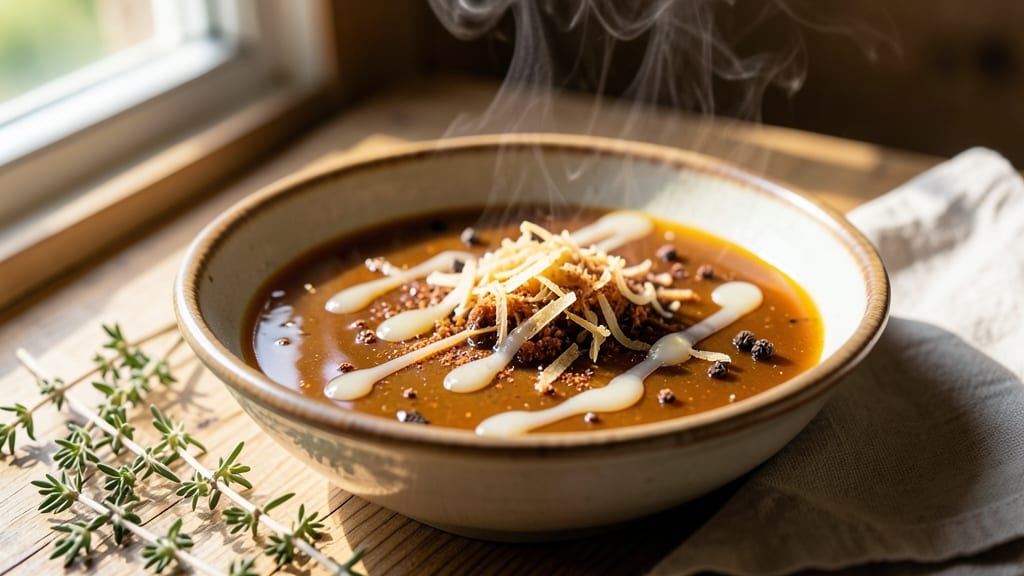
This cassareep sauce recipe unlocks the deep, fermented flavor of Caribbean cuisine with just five simple ingredients. The tangy, umami-rich sauce transforms cassava into a versatile condiment that elevates stews, marinades, and dipping sauces alike.
I developed this version after years of perfecting the fermentation process—balancing acidity and sweetness for that signature bold taste.
The process begins with freshly grated cassava, which is fermented with vinegar and spices to create a thick, paste-like sauce. Unlike store-bought versions, this homemade recipe delivers a richer, more complex flavor with no artificial additives. The fermentation step (24-48 hours) is critical—it develops the sauce’s signature depth and tang.
Once ready, this cassareep sauce adds Caribbean soul to dishes like curries, jerk marinades, or even as a tangy dipping sauce for plantains. Its versatility makes it a pantry staple, while its fermented nature ensures long shelf life.
Store it in the refrigerator for up to three months, or freeze for extended use.
Perfect for vegan cooking, this sauce brings the bold flavors of the Caribbean to your kitchen without compromise. Let’s get started—your taste buds will thank you.
Ingredients for cassareep sauce
Five pantry staples transform into Caribbean's boldest fermented sauce.
| Ingredient | Amount | Notes |
|---|---|---|
| Fresh Cassava 🥔 | 2 cups | Grated, peeled and rinsed |
| White Vinegar 🍶 | 1 cup | Distilled preferred for balance |
| Cane Sugar 🍬 | ½ cup | Light brown preferred for depth |
| Ground Allspice 🌶️ | 1 tsp | Freshly ground for warmth |
| Ground Cinnamon 🌿 | ½ tsp | Ceylon preferred for subtle flavor |
Cassava is the heart of this sauce—fresh is non-negotiable. Look for vibrant, firm tubers at Caribbean markets or Latin grocery stores (like H Mart or Whole Foods). The grated cassava should be bright white, not yellowing or slimy. Rinse it thoroughly to remove excess starch—this prevents grittiness in your final sauce. If you can't find fresh cassava, pre-grated cassava flour works in a pinch, though texture will differ slightly. The vinegar should be distilled white—apple cider vinegar adds unwanted sweetness here.
No cane sugar? Coconut sugar or muscovado are perfect swaps—they bring caramel notes that mimic the fermentation process. The spices are where this sauce gets its soul. Penzeys Spices has excellent pre-ground allspice if you're not grinding whole berries. For cinnamon, Ceylon is the gold standard, but regular cassia works fine. Want more heat? Add a pinch of cayenne or a dash of Scotch bonnet powder. The fermentation magic happens when you mix everything—let it sit 24-48 hours, stirring occasionally, until it develops that signature tang.
This sauce keeps 3 months in the fridge once fermented, but it actually improves with age. Portion into glass jars with tight lids—air exposure ruins the fermentation. For long-term storage, freeze portions for up to 6 months. The sauce thickens as it ferments, so if it feels too runny after 48 hours, simmer it gently for 10 minutes to reduce. Always taste before using—adjust sweetness or acidity as needed. Pro tip: Label your jars with the date—trust me, you'll forget!
Why You'll Love This Recipe
- Pantry Magic: I swear by this—no fancy tools, just a pot and a whisk. Peel and grate cassava, toss it in boiling water with vinegar, and let the spices work their warmth. Honestly, it’s the kind of recipe where you can chat with a friend while it simmers.
- Spice Kiss: That first bite? Tangy-sweet with a whisper of allspice and cinnamon—like a hug for your taste buds. The vinegar cuts through the cassava’s starch, leaving you with something rich but light, not heavy.
- Double Duty: Drizzle it over roasted fish or use it as a glaze for plantains. Even my picky nephew licks the bowl clean. Between us, it’s the kind of sauce that turns simple meals into something special without extra effort.
- Budget Hero: Cassava’s cheap, and this sauce stretches like crazy. Make a big batch, store it in the fridge, and thank me later when you’re serving up flavor for less than $5. (Yes, even on a Tuesday night.)
Step-by-step instructions for fermented cassava sauce
This isn't your average sauce—it's a fermented cassava masterpiece that builds depth over time.
👨🍳 Step 1: Grate and Press the Fresh Cassava
Start with the 2 cups of fresh cassava you've peeled and rinsed. Using a box grater or food processor, grate it into a fine, wet pulp—think of it like wet sandpaper. The goal is to extract maximum starch and moisture, which will ferment beautifully. Transfer the grated cassava to a clean cheesecloth or fine-mesh strainer and press firmly to remove excess liquid. This liquid is liquid gold—save it in a jar as it contains the fermentable starches.
Here's the thing—don't squeeze the cassava too hard at first. Let it drain naturally for 10 minutes, then gently press again. You want to keep as much of that precious starch as possible without compacting it into a dense mass. The resulting pulp should resemble a thick, wet mash with a slightly sticky texture. This is your fermentation base, and proper preparation makes all the difference in flavor development.
🥘 Step 2: Combine with Vinegar and Sugar
In a large, non-reactive bowl (glass or stainless steel works best), combine the pressed cassava pulp with the 1 cup of white vinegar and 0.5 cup of cane sugar. Mix thoroughly until you achieve a smooth, uniform paste. The vinegar will help preserve the mixture while kickstarting fermentation, while the sugar feeds the microbial activity. Use a silicone spatula to scrape every last bit from the bowl—you want all the flavor compounds to participate.
This mixture should be quite thick, almost like a wet batter. If it's too runny, add a bit more pressed cassava. If it's too stiff, add a splash of the saved cassava liquid. The texture matters because it affects how evenly the fermentation progresses. Cover the bowl loosely with plastic wrap or a clean kitchen towel, leaving it slightly ajar for airflow—this is crucial for proper fermentation.
⏰ Step 3: Ferment at Room Temperature
Place the covered bowl in a warm, dark spot—think pantry or closet—where the temperature hovers around 70-75°F. Let it ferment undisturbed for 72 hours. During this time, you'll notice bubbles forming on the surface and a slightly tangy aroma developing. This is fermentation in action, where natural yeasts and bacteria break down the cassava's starches into complex, umami-rich compounds.
I know it's tempting to check on it daily, but resist the urge. Every time you disturb it, you risk introducing unwanted bacteria. After 48 hours, give it a gentle stir with a clean spoon to redistribute any settled liquid. By 72 hours, the mixture should smell pleasantly sour, almost like a cross between vinegar and molasses. If it smells overly sharp or putrid, your fermentation went too far—start over with fresh ingredients.
🍳 Step 4: Cook and Season the Fermented Base
Transfer the fermented cassava mixture to a medium saucepan and cook over medium-low heat. Stir frequently to prevent sticking, and cook for 15-20 minutes until the mixture thickens into a smooth, glossy sauce. You're looking for a consistency similar to heavy cream—thick enough to coat the back of a spoon but still pourable. If it thickens too quickly, add a splash of water to loosen it.
Once the base is thickened, reduce the heat to low and stir in the 1 tsp of freshly ground allspice and 0.5 tsp of ground cinnamon. Let the spices steep for 5 minutes, allowing their aromatic oils to infuse into the sauce. Taste and adjust the seasoning—you might want to add a pinch more salt or a splash of vinegar to balance the flavors. The allspice adds warmth, while the cinnamon lends subtle sweetness that complements the fermented tang.
🥘 Step 5: Simmer and Finish
Continue simmering the sauce gently for another 10 minutes to meld all the flavors together. The sauce should now have a deep, molasses-like richness with a hint of tanginess. If you're using it immediately, you can serve it as-is, but for best results, let it cool to room temperature and refrigerate for up to 1 week. The flavors will continue to develop and deepen over time.
This sauce is incredibly versatile—use it as a glaze for grilled meats, a marinade for tough cuts, or a bold addition to Caribbean stews and rice dishes. The fermentation process gives it a complexity that store-bought sauces can't match. Store any leftovers in an airtight container in the fridge, and remember: the longer it sits, the more flavor it develops. Trust the process, and you'll have a sauce that elevates every dish it touches.
Pro Tips For Making Cassareep Sauce
- GRATE CASSAVA FRESH: Skip the pre-grated tub—freshly grating cassava releases more starch and keeps the sauce thicker. Use a box grater or food processor, then rinse the pulp twice to remove excess bitterness (yes, even if it feels like overkill).
- SIMMER LOW AND SLOW: After adding vinegar and sugar, keep the heat at a bare simmer—no boiling. I learned this the hard way when my sauce turned cloudy and lost its gloss. Thirty minutes on low is better than twenty minutes of frenzied bubbling.
- DON’T SKIP THE STRAIN: Let the sauce sit for 10 minutes after cooking, then strain through a fine-mesh sieve lined with cheesecloth. This removes grit and makes the sauce silky. (Your lazy self will resist, but the result is worth it.)
- TOAST THE SPICES: Dry-toast the allspice and cinnamon in a small pan for 30 seconds before adding them to the sauce. This deepens their flavor—no need for extra sugar to compensate. Just don’t walk away; they burn faster than you think.
Creative variations of this cassareep sauce
Caribbean Jerk Marinade
Transform your marinade game by blending 2 tbsp of this cassareep sauce with 1 tbsp soy sauce, 1 tbsp lime juice, 2 minced garlic cloves, 1 tbsp Scotch bonnet powder, and 1 tsp smoked paprika.
The fermented tang cuts through the heat while adding depth. Marinate chicken thighs for 4-6 hours before grilling—this combo creates a sticky, caramelized crust that's pure magic. 🌶️
Pepperpot Stew Base
This traditional Guyanese stew gets its soul from cassareep. Sauté 1 diced onion and 2 minced garlic cloves in 2 tbsp coconut oil, then add 3 tbsp cassareep sauce and 1 cup beef broth.
Simmer for 10 minutes to develop flavors before adding 2 lbs beef chuck and 3 cups pumpkin cubes. The sauce's fermentation balances the stew's richness perfectly.
Plantain Dipping Sauce
For a quick vegan dip, mix 3 tbsp cassareep sauce with 2 tbsp Greek yogurt (or coconut yogurt), 1 tbsp honey, and a pinch of salt. The tangy-sweet combo pairs beautifully with fried plantains or sweet potato fries.
Serve immediately for maximum freshness, or store for up to 5 days in the fridge. This sauce adds Caribbean flair to any snack spread.
Curry Flavor Booster
Stir 1 tbsp cassareep sauce into your curry paste before cooking to add instant depth. I love using it in coconut milk-based curries—it cuts through the richness while adding a fermented complexity.
For chicken curry, add it with the onions and garlic. The sauce's natural sweetness balances the heat, making every bite more satisfying. 🍛
Grilled Meat Glaze
Brush this sauce on ribs or pork chops during the last 5 minutes of grilling for a sticky, caramelized finish. The fermentation creates a glossy sheen while adding smoky-sweet notes.
For extra richness, mix with 1 tbsp molasses. This glaze works wonders on pulled pork too—just toss it with the meat before serving for a tangy twist.
Vegan "Cheesy" Sauce
Blend ½ cup cassareep sauce with ½ cup cashew cream, 1 tsp nutritional yeast, and ½ tsp garlic powder for a dairy-free sauce that mimics cheesy depth. Use it on pasta, veggie burgers, or as a dip for roasted veggies.
The fermentation adds umami that makes it surprisingly satisfying. Store in the fridge for up to 7 days—it only gets better with time. 🌱
Nutrition facts
Frequently asked questions
Why does cassareep sauce need to ferment?
The fermentation process is what creates cassareep's signature depth and tang. During fermentation, natural yeasts and bacteria break down the cassava starches into complex compounds that develop umami and caramel-like flavors. This step transforms simple cassava into a rich, flavorful sauce that's far more complex than store-bought versions. Think of it like making miso paste—time and microbial activity create magic!
Can I substitute cassava flour for fresh cassava?
You can try, but fresh cassava yields the best results. Cassava flour lacks the moisture and starch content needed for proper fermentation. If you must use flour, mix 1 cup flour with ½ cup water to create a thick paste before starting the recipe. The texture will be slightly different, but the flavor will still develop. For authentic results, fresh cassava is non-negotiable.
How do I know when the fermentation is complete?
Look for these signs: bubbles on the surface, a pleasant tangy aroma (like vinegar-meets-molasses), and a slightly thickened texture. After 48-72 hours, the mixture should smell pleasantly sour—not overly sharp or putrid. Taste a small amount: it should be tangy with hints of sweetness. If it smells off, start over with fresh ingredients.
What's the best way to store homemade cassareep?
Store in airtight glass jars in the fridge for up to 3 months, or freeze for 6 months. The sauce continues developing flavor over time, so older batches are often better! Label jars with dates to track freshness. For long-term storage, portion into ice cube trays before transferring to freezer bags—this makes it easy to use small amounts in recipes.
Can I make cassareep sauce without vinegar?
Vinegar is essential for both preservation and flavor development. Without it, the fermentation process won't properly control bacteria growth, risking spoilage. If you're avoiding vinegar for dietary reasons, consider using lemon juice instead (though the flavor will differ slightly). The acidity is what creates cassareep's signature tang—don't skip this step!