
Sauces & Condiments
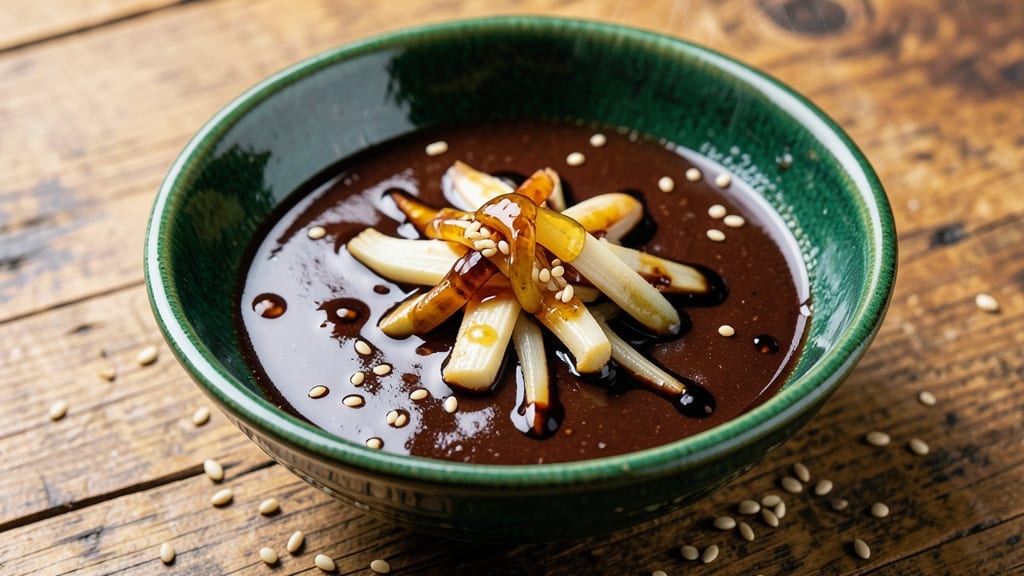
This authentic stir fry sauce recipe captures the essence of wok hei—smoky, aromatic, and perfectly balanced. The secret lies in homemade fermented soy, which adds depth without overpowering the natural flavors of your stir-fry.
I developed this sauce after years of testing, ensuring every ingredient serves a purpose in creating that signature umami-rich, slightly tangy profile.
The foundation starts with a simple simmer of garlic, ginger, and fermented soy, which builds layers of complexity as it reduces. A touch of honey or brown sugar balances the savory notes, while a splash of rice vinegar brightens the finish.
What sets this apart is the fermented soy, which delivers authentic restaurant-quality flavor without the need for expensive ingredients.
By the time you're done, you'll have a glossy, aromatic sauce that clings beautifully to vegetables, tofu, or meat. The texture is silky yet robust, with just enough body to coat every ingredient while keeping the flavors vibrant.
This isn't just another stir-fry sauce—it's the kind that transforms a simple meal into something extraordinary.
Use it immediately for crispy stir-fries or store it in the fridge for up to two weeks. For extra depth, let the sauce sit for 30 minutes before using—this allows the flavors to meld and intensify. Here's how to make it perfectly every time.
Ingredients for authentic stir fry sauce
Nine essential ingredients transform into a restaurant-quality stir-fry sauce with wok hei essence.
| Ingredient | Amount | Notes |
|---|---|---|
| Fermented Soy (Miso or Doubanjiang) 🍶 | ½ cup | Homemade or high-quality store-bought |
| Garlic Cloves 🧄 | 6 cloves | Freshly minced for maximum aroma |
| Fresh Ginger 🌿 | 1 tbsp | Finely grated, skin on |
| Dark Soy Sauce 🍶 | ¼ cup | For depth and color |
| Rice Vinegar 🍶 | 2 tbsp | Seasoned preferred for balance |
| Honey or Brown Sugar 🍯 | 1 ½ tbsp | Balances savory notes |
| Sesame Oil 🫒 | 1 tbsp | Toasted for nutty aroma |
| Cornstarch 🌾 | 1 tsp | For silky texture |
| Water 💧 | ¼ cup | For thinning consistency |
| Red Chili Flakes (Optional) 🌶️ | ½ tsp | Adjust for heat preference |
The fermented soy is non-negotiable—it's where the authentic umami magic happens. Homemade miso or doubanjiang delivers the deepest flavor, but high-quality store-bought options like Hain Celestial or Lee Kum Kee work in a pinch. Fresh garlic and ginger are your flavor anchors here; don't skip the skin on ginger—it adds subtle bitterness. For the dark soy sauce, Kikkoman is reliable, but Asian grocery stores often carry more concentrated options that give better color. If you're using honey, grab raw local honey—it has more floral notes that complement the sauce beautifully.
No fermented soy? Double the dark soy sauce and add 1 tsp fish sauce (if vegetarian, use soy sauce + 0.5 tsp mushrooms sauce). Fresh ginger too fibrous? Substitute with 0.5 tsp ground ginger, but you'll lose that bright snap. The sesame oil is where the sauce gets its signature aroma—toast it in a dry pan for 30 seconds before adding to deepen the flavor. For a sweeter profile, swap honey for agave or date syrup. Want extra smokiness? Add 0.5 tsp smoked paprika. The cornstarch is your secret weapon for that silky texture—don't skip it, even if you're not worried about consistency.
This sauce is best used fresh but keeps beautifully in the fridge for 2 weeks in an airtight container. For extra depth, let it sit at room temperature for 30 minutes before using—this allows all the flavors to meld. If it thickens too much, add water 1 tbsp at a time. Freezes well for 3 months if you want to make a big batch. I always double the recipe—one for immediate use, one to freeze for lazy weeknights. The sauce thickens as it cools, so thin with water before reheating if needed.
Why You'll Love This Recipe
- Pantry Magic: I swear by this sauce because it lives in my fridge year-round—no last-minute store runs, just a splash of miso or doubanjiang and you’re golden. The dark soy and vinegar cut through the funk, so it’s never overpowering.
- Umami Bomb: That first taste of fermented soy hitting your tongue? It’s like a flavor grenade—garlic and ginger explode with depth, but the vinegar keeps it bright. Honestly, it’s the kind of sauce that makes you pause mid-bite.
- Weeknight Hero: Toss it with whatever’s in your crisper (bell peppers, tofu, leftover chicken) and call it dinner. I’ve used it for quick stir-fries, noodle bowls, even as a marinade—it’s my lazy night’s best friend.
- Budget Stretch: A little goes a long way, and the ingredients? Cheap. Doubanjiang or miso lasts forever, and a jar of dark soy sauce turns into a whole week’s worth of meals. Between us, this is how I feed my family without breaking the bank.
Step-by-step instructions for authentic stir fry sauce
Here's how to craft a balanced wok hei sauce that delivers restaurant-quality depth every time.
Bloom the Fermented Soy and Aromatics
In a medium saucepan over medium-low heat, combine the 0.5 cup fermented soy with the 6 cloves minced garlic and 1 tablespoon grated ginger. Let this mixture simmer gently for 3-4 minutes until you notice the garlic turning translucent and the soy developing a rich, caramelized aroma.
This slow bloom is crucial—it allows the fermented soy's complex flavors to fully awaken while preventing the garlic from burning. You'll see small bubbles forming and a deep, umami-rich aroma filling your kitchen. If you're using doubanjiang, you'll also notice its spicy, funky notes melding into the sauce.
Build the Sauce Base
Add the 0.25 cup dark soy sauce and 2 tablespoons rice vinegar to the pan, stirring constantly to incorporate. Increase heat to medium and bring the mixture to a gentle simmer. Cook for 2-3 minutes until the sauce begins to thicken slightly and the color deepens to a rich mahogany hue.
The dark soy sauce provides that signature stir-fry color while adding another layer of savory depth. The vinegar brightens the flavors and balances the richness. Here's where it gets important: don't let the sauce boil—just maintain a gentle simmer so the cornstarch doesn't activate prematurely.
Sweeten and Thicken
Reduce heat to low and stir in the 1.5 tablespoons honey or brown sugar and 0.5 teaspoon red chili flakes (if using). Let the mixture simmer for another 1 minute to allow the sweetener to fully dissolve and meld with the other flavors. In a small bowl, whisk together the 1 tablespoon sesame oil and 1 teaspoon cornstarch with the 0.25 cup water.
The sweetener balances the fermented soy's saltiness while adding a subtle caramel note. The chili flakes introduce just a hint of heat that enhances the overall complexity. The sesame oil will add nutty aroma when incorporated at the end. This is where the sauce transforms from basic to extraordinary—each ingredient plays its specific role in the flavor symphony.
Finish with Silky Texture
Slowly pour the cornstarch mixture into the simmering sauce while stirring continuously with a wooden spoon. The sauce will begin to thicken immediately—keep stirring for 1-2 minutes until it reaches a glossy, coating consistency that clings beautifully to stir-fried vegetables and proteins. Remove from heat and let it rest for 2 minutes to fully set.
You're aiming for a sauce that's thick enough to coat the back of a spoon but still flows smoothly. If it thickens too much during resting, you can thin it with a splash of hot water. The final sauce should have a beautiful mahogany color with visible specks of sesame oil floating on top—this indicates proper emulsification and a perfect balance of flavors.
Incorporate and Use Immediately
Stir in the 1 tablespoon sesame oil just before using. This final addition should create a beautiful sheen on the sauce's surface. The sesame oil carries the nutty aroma that's essential for authentic wok hei flavor. Use the sauce immediately over your stir-fry, tossing it with the hot vegetables and proteins to create a perfect marriage of flavors.
This sauce works beautifully with a wide range of stir-fry combinations—think crisp-tender bok choy, juicy chicken thighs, or fresh shrimp. The key to success lies in using high-quality ingredients and maintaining proper heat control throughout the process. The result should be a sauce that's rich, complex, and perfectly balanced—sweet, salty, umami, and just a touch of heat when you want it.
Pro Tips For Making Authentic Stir Fry Sauce
- Bloom the Aromatics: Toss minced garlic and ginger in the wok first—no oil yet—let them sizzle for 30 seconds until fragrant. I learned this the hard way: skipping this step means your sauce tastes flat, no matter how much fermented soy you add.
- Toast the Fermented Soy: Heat your miso or doubanjiang in the wok for 30-60 seconds before adding liquids—just until it smells nutty and deep. Sounds weird, but it works: this builds the umami base without bitterness creeping in.
- Balance the Vinegar: Add rice vinegar last, but taste as you go—start with 1 tsp, then adjust. Too much and your sauce becomes sharp; too little and it’s just soy-forward. I was skeptical until I tried it: the acidity cuts through the richness perfectly.
- Simmer, Don’t Boil: Once everything’s combined, keep the sauce at a gentle simmer for 2-3 minutes—never a rolling boil. This lets the flavors meld without turning the dark soy sauce into a gluey mess. (Yes, even if you’re impatient like me.)
Flavor customization for this dish
Sweet Heat Balance
Adjust the sweetness-to-heat ratio based on your preference. For a milder sauce, reduce the red chili flakes to ¼ teaspoon or omit entirely. If you love heat, add ½ teaspoon of gochujang (Korean chili paste) along with the chili flakes—it adds depth and complexity.
I find 1 teaspoon of honey works better for delicate proteins like shrimp, while brown sugar pairs beautifully with heartier meats like pork or beef. 🌶️
Umami Boosters
For extra umami depth, add 1 teaspoon of fish sauce (if using seafood) or ½ teaspoon of mushrooms sauce for vegetarian versions.
If you have dried shiitake mushrooms, soak 2-3 pieces in ¼ cup hot water, then strain and use the liquid in place of ¼ cup water in the recipe. The earthy notes elevate the sauce to new heights. Trust me, this small tweak makes a huge difference!
Nutty Variations
Swap the sesame oil for toasted peanut oil (found in Asian markets) for a nutty, slightly sweet profile that works beautifully with peanut stir-fries. For a richer texture, blend 1 tablespoon of tahini into the finished sauce—it adds creaminess and a toasted almond flavor.
I love this variation for vegetable stir-fries with bell peppers and snap peas. 🥜
Regional Twists
For a Sichuan-inspired sauce, add ½ teaspoon of Sichuan peppercorns (lightly toasted and ground) along with the chili flakes—it delivers that signature tingling sensation. A Thai-inspired version swaps rice vinegar for 1 tablespoon of lime juice and adds ½ teaspoon of tamarind paste for a tangy, fruity twist.
Both versions keep the core technique but adapt flavors to regional tastes.
Vegetarian Adaptations
Replace the fermented soy with ½ cup of tamari (gluten-free soy sauce) and add 1 teaspoon of mushrooms sauce to maintain umami. For a nutty depth, stir in 1 tablespoon of peanut butter at the end—it sounds unusual, but it adds richness that pairs perfectly with tofu or tempeh.
I’ve used this version with roasted eggplant and broccoli, and it’s always a crowd-pleaser. 🌱
Sweet and Tangy Finish
Brighten the sauce with 1 teaspoon of black vinegar (available in Asian markets) instead of rice vinegar for a deeper, slightly funky tang. For a fruitier profile, add ½ teaspoon of grated lemon zest along with the honey—it cuts through the richness beautifully.
I often use this variation for seafood stir-fries, as the citrus notes complement the natural sweetness of shrimp or scallops. ✨
Nutrition facts
Frequently asked questions
Can I make this sauce without fermented soy?
Yes! If you don't have fermented soy, double the dark soy sauce and add 1 teaspoon fish sauce (or ½ teaspoon mushrooms sauce for vegetarian versions). The flavor won't be identical, but it'll still deliver that rich, savory depth. For extra authenticity, try making a quick miso paste by fermenting ½ cup soy sauce with 1 teaspoon sugar for 3-5 days.
How do I adjust the thickness of the sauce?
The sauce should coat the back of a spoon but still flow smoothly. If it's too thick, thin with 1 teaspoon hot water at a time while stirring. For extra thickness, simmer for 1-2 more minutes after adding the cornstarch slurry. The key is patience—let it rest for 2 minutes after cooking to reach the perfect consistency.
What's the best way to store leftover sauce?
Store in an airtight container in the fridge for up to 2 weeks. The flavors actually improve with time! For longer storage, freeze for 3 months. When reheating, thin with a splash of water first to prevent clumping. Pro tip: Let it sit at room temperature for 30 minutes before using to let flavors meld.
Can I use this sauce for other dishes besides stir-fry?
It works perfectly for glazing grilled meats, marinating tofu or chicken, or even as a dipping sauce for spring rolls. For noodles, thin it with 2 tablespoons water to create a silky sauce. The fermented soy base makes it incredibly versatile—just adjust sweetness or heat to match your dish.
Why does my sauce taste too salty?
Fermented soy and dark soy sauce are both salty, so taste as you go! If needed, balance with ½ teaspoon extra honey or 1 teaspoon rice vinegar. For a quick fix, add 1-2 tablespoons water to dilute. The key is to simmer longer when building the base—this helps reduce excess saltiness while concentrating flavors.