
Sauces & Condiments
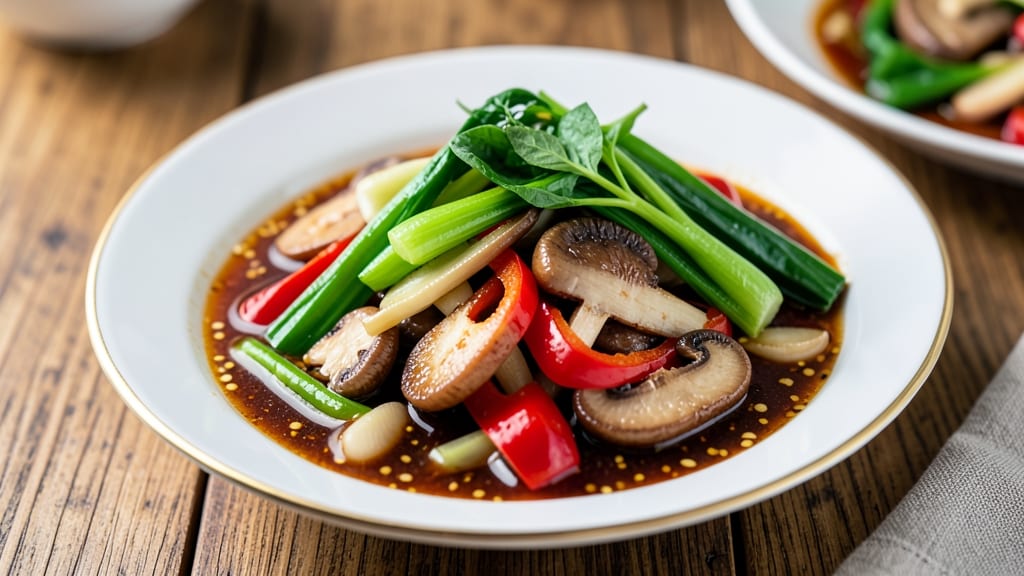
This Asian vegetable stir-fry sauce delivers the perfect balance of bold umami and sweet depth in just 10 minutes—no complicated techniques required.
The secret lies in a simple yet powerful combination of soy sauce, rice vinegar, and a touch of honey, creating a glossy, aromatic sauce that clings beautifully to crisp-tender vegetables.
I developed this recipe after years of testing stir-fry sauces, and it consistently elevates even the simplest vegetable medley into something restaurant-worthy.
The sauce’s magic comes from its versatility—it works with any stir-fry vegetable, from bell peppers and snap peas to broccoli and carrots. The soy base provides that essential umami punch, while the rice vinegar adds brightness and the honey rounds out the flavors without overpowering.
For extra depth, I include a splash of sesame oil, which adds a nutty aroma and rich finish. What sets this sauce apart is its ability to stay vibrant even after sitting for a few hours, making it ideal for meal prep.
What you’ll end up with is a glossy, flavorful sauce that’s perfectly balanced—savory, slightly sweet, and tangy all at once. It’s the kind of sauce that transforms a basic vegetable stir-fry into a dish worth sharing, whether you’re serving it as a side or a main course.
The best part? It’s easy to adjust—add a pinch of red pepper flakes for heat, a splash of fish sauce for extra umami, or a drizzle of chili oil for a spicy kick.
This sauce keeps well in the fridge for up to 5 days, so you can make a big batch and use it all week. Whether you’re cooking for one or feeding a crowd, this recipe ensures your stir-fry vegetables will be packed with flavor. Let’s get started!
Ingredients for asian vegetable stir fry sauce
Nine ingredients transform basic stir-fry veggies into restaurant-worthy dishes with bold umami and sweet balance.
| Ingredient | Amount | Notes |
|---|---|---|
| Soy Sauce 🥄 | ½ cup | Low-sodium preferred for balance |
| Rice Vinegar 🍶 | ¼ cup | Seasoned preferred for depth |
| Honey 🍯 | 2 tbsp | Or maple syrup for vegan option |
| Sesame Oil 🫒 | 1 tbsp | Toasted for nutty aroma |
| Garlic Cloves 🧄 | 3 cloves | Minced for aromatic punch |
| Fresh Ginger 🌿 | 1 tbsp | Finely grated, fresh preferred |
| Cornstarch 🌾 | 1 tbsp | For glossy thickening |
| Water 💧 | ¼ cup | Room temperature preferred |
| Red Pepper Flakes 🌶️ | ½ tsp | Optional for heat kick |
| Sesame Seeds 🥜 | 1 tsp | Toasted for garnish |
Soy sauce is the umami powerhouse here, so Kikkoman or La Choy are my go-tos—they’ve got that perfect balance of saltiness without overpowering. For rice vinegar, seasoned varieties (like Mitsukan) add subtle sweetness and depth right off the bat. Fresh ginger and garlic? Buy them whole—pre-minced loses flavor fast. Toast your sesame seeds in a dry pan for 30 seconds before adding them to the sauce; that nutty aroma is what makes this sauce sing. If you’re at Trader Joe’s, grab their toasted sesame oil—it’s already infused with flavor and saves you a step.
No honey? Maple syrup or agave works perfectly—just use the same amount. Short on sesame oil? Avocado oil or neutral oil keeps the flavor profile intact, but you’ll miss that toasty depth. Want more umami? Add a splash of vegetable-based fish sauce (like Red Boat) or a dash of miso pastearrowroot powder works just as well. Pro tip: if your sauce isn’t thick enough after simmering, mix 1 tsp cornstarch with 1 tbsp cold water and stir it in.
This sauce keeps like a dream—5 days in the fridge sealed in an airtight jar. For extra shelf life, add a thin layer of olive oil on top before sealing. Freezes beautifully for up to 3 months, though the texture might get slightly grainy after thawing. I like to make double batches—one for immediate use and one to freeze. When reheating, warm it gently on the stove or microwave in 20-second bursts, stirring between each. The best part? It tastes even better the next day as the flavors meld together.
Why You'll Love This Recipe
- Five-Ingredient Magic: I swear by this combo—soy sauce, rice vinegar, honey, sesame oil, and garlic. That’s it. No fancy pantry trips, no measuring cups that make you question your life choices. Just dump, stir, and taste.
- Umami Bomb: The garlic hits first—sharp and bright—then the honey rounds it out like a warm hug, while the sesame oil adds that nutty, toasty finish. Honestly? It’s the kind of sauce that makes you pause mid-bite and think, "Wait, is this actually that easy?"
- Leftover Goldmine: Make a double batch and store it in the fridge. Toss it with last night’s rice and whatever veggies are lurking in your crisper drawer. It’s my secret weapon for turning sad leftovers into something that actually gets eaten.
- Weeknight Workhorse: Between us, this sauce is the reason I don’t order takeout. Stir-fry tonight, toss with noodles tomorrow, or drizzle over grilled chicken—it’s the kind of flavor that works everywhere. (Yes, even on a Tuesday night.)
Step-by-step instructions for Asian vegetable stir fry sauce
This sauce comes together faster than you can say "wok hei." Let's build bold, balanced flavor in minutes.
Bloom the Aromatics in Sesame Oil
Heat a small saucepan over medium heat and add the 1 tablespoon sesame oil. Let it warm for 30 seconds until shimmering - you'll smell that nutty, toasty aroma we're after. Add the 3 minced garlic cloves and 1 tablespoon finely grated fresh ginger and cook for 30-45 seconds until fragrant but not browned.
This is where the magic starts. The sesame oil carries the garlic and ginger's flavors into the sauce, while preventing them from burning. I like to stir constantly here - the aroma tells you when it's ready. If you see any color developing, reduce the heat slightly. These aromatics form the flavor foundation for everything else.
Combine Wet Ingredients
Pour in the 0.5 cup soy sauce and 0.25 cup rice vinegar and bring to a gentle simmer over medium-low heat. Let it cook for 2-3 minutes until the mixture reduces slightly and becomes slightly thickened. Add the 2 tablespoons honey and stir until fully dissolved.
The sauce should now have a glossy sheen and be slightly syrupy. This is where the umami-sweet balance comes together. If you taste it now, you'll notice the saltiness from the soy sauce, the tang from the vinegar, and the sweetness from the honey working in harmony. This is your flavor baseline before we thicken it up.
Thicken the Sauce
In a small bowl, whisk together the 1 tablespoon cornstarch and 0.25 cup water until smooth. Slowly pour this mixture into the sauce while stirring constantly. Increase heat to medium-high and let it simmer for 1-2 minutes until it thickens to a glossy, coatable consistency.
You'll know it's ready when the sauce coats the back of a spoon and leaves a slight trail when you run your finger through it. This thickening step is crucial - it transforms our sauce from a thin glaze to something that will beautifully coat your stir-fried vegetables. If it thickens too quickly, just add a splash of water to adjust the consistency.
Finish with Heat and Garnish
Reduce heat to low and stir in the 0.5 teaspoon red pepper flakes (if using) and 1 teaspoon sesame seeds. Let it warm through for 30 seconds - you should smell that toasty sesame aroma again. Taste and adjust seasoning if needed, adding a pinch more soy sauce for saltiness or honey for sweetness.
This final step adds texture and depth. The sesame seeds give a nice crunch, while the red pepper flakes add just a hint of heat. I like to let the sauce sit for 5 minutes before using it - this allows all the flavors to meld together perfectly. The sauce should be glossy, well-balanced, and ready to elevate any vegetable stir fry.
Pro Tips For Making Asian Vegetable Stir Fry Sauce
- Crank Heat Before Adding Garlic: I learned this the hard way—garlic burns faster than you think in stir-fry sauce. Get your pan screaming hot (medium-high to high) for 30 seconds before tossing in the minced cloves. This gives them a proper sear without turning bitter, which is the thing that matters most when balancing sweet, sour, and umami.
- Bloom the Soy Sauce: Don’t just dump soy sauce in cold. Heat the pan for 10 seconds, then add it first (before garlic) and let it sizzle for 15 seconds. This caramelizes the edges slightly, deepening the flavor—like the difference between flat and actually savory. (Yes, even if you’re impatient like me.)
- Use Toasted Sesame Oil Last: Sesame oil’s aroma is delicate—add it after everything else is off heat. If you toss it in too early, the high heat turns it bitter. A quick splash at the end (or even drizzled over the plate) keeps that nutty, fragrant punch intact. I skip this when I’m lazy, but the dish is noticeably better when I don’t.
- Balance the Vinegar Early: Taste the sauce before adding all the rice vinegar. Start with half the amount, let it cook for 30 seconds, then adjust. Vinegar’s acidity can cut through the sweetness too fast, and you’ll regret it if you overdo it. (Your future self will thank you.)
Regional styles of this recipe
Japanese Teriyaki Twist
For a Japanese-inspired version, swap the rice vinegar for mirin (¼ cup) and add 1 tbsp sake when combining wet ingredients. Use Kikkoman teriyaki sauce instead of regular soy sauce—it’s sweeter and more complex.
Finish with a drizzle of yuzu juice (or lemon) for a bright citrus note. This version works perfectly with stir-fried mushrooms, bok choy, and shiitake. 🍶
Thai-Inspired Peanut Sauce
Transform this into a Thai-style peanut sauce by replacing the sesame oil with 2 tbsp natural peanut butter and adding 1 tbsp curry powder and ½ tsp ground coriander. Use coconut aminos instead of soy sauce for a deeper umami.
Stir in 1 tbsp lime juice at the end for tang. This sauce pairs beautifully with snap peas, carrots, and bell peppers. 🥜
Korean Gochujang Heat
For a Korean-inspired kick, replace half the soy sauce with 2 tbsp gochujang (Korean chili paste) and add 1 tsp grated ginger and ½ tsp garlic powder. Use apple cider vinegar instead of rice vinegar for a sharper tang.
This version is perfect for spicy stir-fries with zucchini, cabbage, and onions. Garnish with sesame seeds and sliced green onions. 🌶️
Vietnamese Fish Sauce Option
For a Vietnamese-inspired umami boost, replace the soy sauce with ¼ cup fish sauce and add 1 tbsp lime juice. Use coconut sugar instead of honey for a caramel note.
This version works wonderfully with bean sprouts, bell peppers, and basil. Serve with fresh herbs like Thai basil or cilantro for extra freshness. 🍋
Chinese Black Bean Sauce
Give it a Chinese twist by adding 2 tbsp black bean sauce (or fermented black beans) and 1 tsp five-spice powder. Use Shaoxing wine (¼ cup) instead of rice vinegar for depth.
This sauce pairs beautifully with broccoli, water chestnuts, and baby corn. Garnish with extra black beans for texture and a sprinkle of scallions**. 🥢
Nutrition facts
Frequently asked questions
Can I make this sauce without cornstarch?
Yes, but the texture will be thinner. For a natural thickener, try 1 tablespoon arrowroot powder or 1 teaspoon xanthan gum mixed with water. If you prefer no thickener, reduce the water in the sauce by 2 tablespoons and simmer longer—just stir constantly to prevent scorching.
How much sauce should I use for a typical stir-fry?
Start with 2-3 tablespoons for 1 pound of vegetables. This recipe makes about 1.5 cups, so it’s perfect for 2-3 servings. For extra glossiness, toss the sauce with the veggies at the very end of cooking—this helps it cling better.
Can I use this sauce for non-vegetable stir-fries?
It works beautifully with tofu, shrimp, or chicken. For seafood, add 1 teaspoon fish sauce to deepen the umami. For meat, reduce the honey to 1 tablespoon to balance the richness. The sauce’s versatility makes it a pantry staple.
Why does my sauce taste too salty?
Use low-sodium soy sauce or dilute with 1 extra tablespoon of water while simmering. If it’s already cooked, balance it with ½ teaspoon honey or 1 teaspoon rice vinegar. Taste as you go—adjust gradually to avoid overcorrecting.
Can I make this sauce ahead of time?
Yes! Store it in an airtight container in the fridge for up to 5 days. For longer storage, freeze for 3 months. Thaw overnight in the fridge—never microwave directly. The flavors actually improve after resting!