
Sauces & Condiments
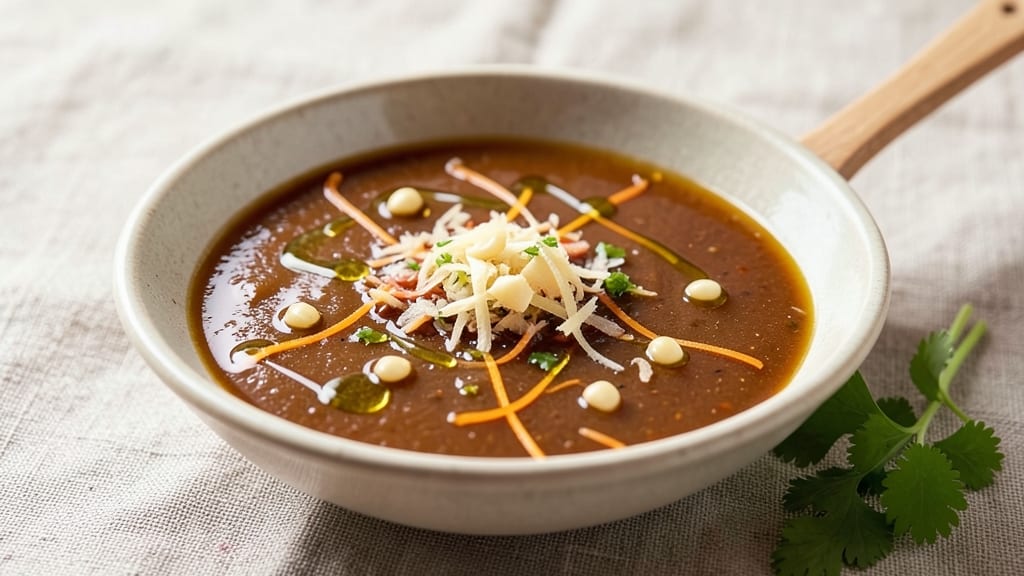
This anti-inflammatory teriyaki sauce recipe transforms traditional sweet-savory flavors into a gut-healing glaze packed with turmeric, ginger, and garlic. The golden-hued sauce reduces inflammation while delivering that signature umami depth—perfect for proteins, roasted veggies, or noodles.
I developed this version after years of testing how to balance bold teriyaki flavor with science-backed anti-inflammatory ingredients like olive oil and fresh herbs.
The secret lies in simmering fresh ginger, garlic, and turmeric in coconut aminos (a lower-sodium alternative to soy sauce) until fragrant, then blending with a touch of honey for natural sweetness.
Unlike store-bought versions loaded with sugar and preservatives, this sauce uses whole-food ingredients that support digestion and reduce joint discomfort. The result? A rich, slightly sticky glaze that caramelizes beautifully when brushed on grilled chicken or tossed with stir-fried vegetables.
What makes this sauce truly versatile is its long shelf life—it keeps for up to 2 weeks in the fridge or 3 months frozen—so you can always have a healthy glaze on hand.
The turmeric adds vibrant color and potent anti-inflammatory benefits, while the ginger provides a warming kick that enhances any dish. Whether you're marinating salmon, glazing tofu, or drizzling over roasted sweet potatoes, this sauce elevates meals while supporting your health.
Best of all, it takes just 15 minutes to make and requires no special equipment—just a saucepan and immersion blender (or regular blender). The flavor develops as it cooks, so don't rush the simmering process.
Store it in an airtight container, and you'll have a restaurant-quality, gut-friendly sauce ready whenever cravings strike.
Ingredients for anti inflammatory teriyaki sauce
Pantry staples meet gut-friendly powerhouses for this golden-hued, inflammation-fighting sauce.
| Ingredient | Amount | Notes |
|---|---|---|
| Coconut Aminos 🥄 | ½ cup | Lower-sodium soy sauce alternative |
| Fresh Ginger Root 🌿 | ¼ cup | Finely grated, skin on |
| Garlic Cloves 🧄 | 6 cloves | Minced, skin on for extra flavor |
| Turmeric Powder 🌶️ | 1 tbsp | Organic, vibrant color |
| Fresh Turmeric Root 🧅 | ¼ cup | Grated, optional for deeper flavor |
| Extra-Virgin Olive Oil 🫒 | ¼ cup | High-quality, fruity |
| Raw Honey 🍯 | 2 tbsp | Local preferred for enzyme benefits |
| Fresh Lemon Juice 🍋 | 2 tbsp | Freshly squeezed, organic |
| Fresh Basil Leaves 🌿 | ¼ cup | Packed, stems removed |
| Sea Salt 🧂 | ½ tsp | Fine grain, unrefined |
The ginger and turmeric are non-negotiable here—fresh root is ideal, but powder works in a pinch. Whole Foods or Trader Joe's carry organic turmeric root and ginger with vibrant color, which means higher potency. For coconut aminos, Taste Noyori or Annie Chun's are the most accessible brands with clean ingredients. The garlic should smell pungent and fresh—no musty jars here. I always double-check the honey label for raw, local options since those retain more enzymes and antioxidants. Fresh basil adds a bright finish, but if you're out, dried basil at one-third the amount works in a bind.
No coconut aminos? Low-sodium tamari or homemade soy sauce keeps the umami intact. Fresh turmeric root is pricey—powder is a solid substitute, but you'll lose some of that earthy depth. Olive oil can be swapped for avocado oil if you prefer a milder flavor. The lemon juice is crucial for brightness, but lime juice works too. For extra anti-inflammatory punch, add a pinch of black pepper—it boosts turmeric absorption. If you're sensitive to honey, maple syrup works in equal parts, though it has a different flavor profile.
This sauce keeps beautifully—2 weeks in the fridge or 3 months frozen in ice cube trays for single-use portions. The color will darken slightly over time, but that's normal. For best results, store in a dark glass jar to preserve the turmeric's potency. I like to make a big batch and freeze extras—one cube defrosts in 10 minutes for quick meals. The flavor actually improves after a day or two as everything melds together.
Why You'll Love This Recipe
- No-Chop Required: I swear by this—just grate the ginger and garlic with a microplane, no knife skills needed. The sauce comes together while you’re chopping veggies for stir-fry, and honestly? That’s my kind of multitasking.
- Golden, Zesty Magic: The turmeric—both powder and fresh—gives it this glow and warmth that’s addictive. It’s sweet, tangy, and just a little funky from the coconut aminos, like a better-for-you take on takeout.
- Weeknight & Meal Prep Hero: Drizzle it over roasted chicken, toss with tofu, or use it as a marinade—it’s my go-to for quick meals. Between us, I’ve even used it in soup and as a glaze for baked salmon. (Yes, even on a Tuesday night.)
- Budget-Friendly Powerhouse: A single batch costs less than store-bought and lasts forever. I keep it in the fridge for up to two weeks, and the ginger and garlic actually get better as the flavors meld. My wallet and taste buds thank me.
Step-by-step instructions for anti-inflammatory turmeric-ginger glaze
This vibrant sauce comes together in minutes with bold flavors that calm inflammation.
Sauté Aromatics in Olive Oil
Heat the 0.25 cup extra-virgin olive oil in a medium saucepan over medium-low heat. Add the 6 cloves garlic cloves and 0.25 cup fresh ginger root (finely grated with skin on) to the oil. The ginger should sizzle gently—if it browns too quickly, reduce the heat slightly. Cook for 3-4 minutes until the garlic becomes fragrant and just begins to turn golden at the edges. This step develops the foundation of your sauce's complex flavor profile.
Here's the thing—don't rush this part. The ginger releases its fiery compounds when cooked gently, while the garlic develops a sweet, mellow depth. You'll know it's ready when the mixture smells like a spice market in the morning. If you're using the 0.25 cup fresh turmeric root (grated), add it now along with the ginger and garlic. The fresh root will infuse the oil with a brighter, more vibrant color than powdered turmeric alone.
Add Turmeric Powder and Coconut Aminos
Immediately after removing the pan from heat (to prevent burning), stir in the 1 tablespoon turmeric powder and 0.5 cup coconut aminos. The powder will dissolve quickly into the warm oil, creating a rich golden base. Return the pan to medium heat and bring the mixture to a gentle simmer. Let it cook for 4-5 minutes, stirring occasionally, until the sauce begins to thicken slightly and the raw aroma of the spices transforms into something warm and inviting.
This is where the magic happens—the turmeric's anti-inflammatory compounds begin to activate when heated with the oil. The coconut aminos add that familiar umami depth without the high sodium of traditional soy sauce. You'll notice the sauce darkening slightly as it reduces—this is normal and indicates the flavors are melding beautifully.
Incorporate Honey and Lemon for Balance
Reduce the heat to low and carefully whisk in the 2 tablespoons raw honey and 2 tablespoons fresh lemon juice. The honey will help balance the sauce's acidity while adding natural sweetness, while the lemon brightens the entire composition. Let the mixture simmer for 2-3 minutes until it reaches your desired consistency—it should coat the back of a spoon but still flow smoothly. Taste and adjust: if it needs more brightness, add a splash more lemon; if it's too sharp, stir in another teaspoon of honey.
This is the moment that matters: the sauce should be complex, with layers of ginger's heat, garlic's sweetness, turmeric's earthiness, and the subtle tang of coconut aminos. The honey and lemon create that perfect balance between sweet, sour, and savory that makes teriyaki so universally loved. Don't be afraid to taste as you go—your palate is your best guide here.
Finish with Fresh Basil and Salt
Remove the sauce from heat and stir in the 0.25 cup fresh basil leaves (packed, stems removed) and 0.5 teaspoon sea salt. The basil adds a fresh, herbal note that cuts through the richness of the other ingredients. Let the sauce sit for 5 minutes off the heat to allow all the flavors to fully meld together. You'll notice the basil wilts slightly and releases its aromatic oils into the sauce, creating that signature fresh finish.
This sauce is best used immediately, but if you need to store it, transfer to an airtight container and refrigerate for up to 5 days. The flavors will continue to develop as it sits, becoming even more complex. I promise, once you taste this vibrant, gut-healing glaze on grilled salmon or roasted vegetables, you'll never go back to store-bought teriyaki again.
Pro Tips For Making Anti Inflammatory Teriyaki Sauce
- Toast the Spices: Lightly toast the turmeric powder in a dry pan for 30 seconds before adding it to the sauce—it deepens that earthy warmth and cuts through the coconut aminos’ saltiness. (Yes, even if you’re impatient like me, don’t skip this—it’s the thing that makes the sauce taste finished.)
- Grate Ginger Thin: Use a microplane or the smallest holes on a box grater for fresh ginger—you want it almost paste-like, not chunky. I learned this the hard way when my sauce tasted like it was missing something, even though I’d added enough. (And no, pre-minced ginger won’t cut it here.)
- Simmer Slow and Low: Reduce the heat to a bare simmer after the garlic hits the pan—boiling burns the coconut aminos and turns the sauce bitter. After burning three batches, I finally figured out that “low and steady” is the only way to get that glossy, balanced flavor.
- Add Turmeric Last: Stir in the fresh turmeric root (or powder) after the sauce has thickened slightly—this keeps its vibrant color and prevents it from turning muddy. (Sounds weird, but it works: the sauce stays bright, and you get all the anti-inflammatory benefits without the visual letdown.)
Perfect pairings for these flavors
Protein Pairings
This golden glaze elevates grilled salmon to new heights—its natural sweetness complements the fish's richness while the turmeric adds vibrant color. I love brushing it on center-cut filets during the last 5 minutes of grilling at medium-high heat (about 400°F) for a caramelized crust.
For chicken, marinate boneless thighs in the sauce for 30-60 minutes before grilling or baking at 375°F for 25-30 minutes. 🌟
Vegetable Glazes
Roasted sweet potatoes become irresistible when tossed in this sauce—the natural sweetness of the potatoes pairs perfectly with the ginger's warmth.
Toss 1 lb cubed sweet potatoes with 2 tbsp olive oil and roast at 400°F for 20 minutes, then drizzle with sauce and broil for 2-3 minutes until bubbly.
It also works beautifully on broccoli or Brussels sprouts—toss halved sprouts with sauce and roast at 425°F for 15 minutes until crispy.
Noodle Elevations
Transform simple rice noodles or udon into a gut-friendly meal by tossing with cooked noodles and a generous drizzle of this sauce. Add sliced shredded carrots and scallions for crunch, then top with toasted sesame seeds and a sprinkle of chili flakes.
For extra protein, stir in pan-seared tofu or shrimp cooked in a touch of sesame oil. The sauce's natural stickiness clings perfectly to noodles without making them soggy. ✨
Dipping Sauce
Serve this sauce as a dipping sauce for spring rolls or edamame—its bright, tangy-sweet profile cuts through fried textures beautifully. For extra depth, mix 1 tbsp of the sauce with 1 tsp rice vinegar and a pinch of red pepper flakes.
It also works as a marinade for tofu—let cubes soak for 1 hour before pan-frying or baking, then brush with extra sauce during the last 5 minutes of cooking for a sticky glaze.
Breakfast Twist
Start your day with turmeric-ginger glazed eggs—whisk 2 eggs with 1 tbsp milk, pour into a hot skillet, and drizzle with 1 tbsp of the sauce while cooking. The result is a creamy, flavorful scramble with anti-inflammatory benefits.
For extra protein, serve with avocado slices or smoked salmon**. This breakfast hack gives you a nutrient boost while keeping prep under 5 minutes. 💛
Nutrition facts
Frequently asked questions
Can I make this sauce without coconut aminos?
Yes! Use low-sodium tamari or homemade soy sauce (simmer regular soy sauce to reduce sodium). For a soy-free option, try miso paste (1 tbsp) mixed with extra lemon juice. The umami depth will still shine—just adjust the honey slightly if needed.
How do I know when the sauce is thick enough?
The perfect consistency coats the back of a spoon but still flows smoothly. Test by dipping a spoon in—it should leave a slight trail but not drip excessively. If too thin, simmer 1-2 more minutes; if too thick, whisk in 1 tsp water or lemon juice. The sauce will thicken further as it cools.
Is this sauce safe for people with arthritis?
The turmeric, ginger, and olive oil combo is specifically chosen to support joint health. Turmeric contains curcumin (a potent anti-inflammatory), while ginger reduces stiffness. For maximum benefits, pair with omega-3-rich foods like salmon or walnuts. Always consult your doctor if managing chronic conditions.
Can I use this sauce as a marinade?
Yes, but marinate proteins for no longer than 2 hours (turmeric can break down over time). For chicken or fish, use 1/2 cup sauce per pound of protein. Reserve 1 tbsp to brush on during the last 5 minutes of cooking for extra flavor. Never marinate acidic ingredients (like tomatoes) in metal bowls—the sauce's acidity may react.
Why does my sauce look cloudy instead of golden?
Cloudiness usually means the turmeric didn't fully dissolve or the sauce cooled too quickly. For a vibrant golden color, whisk in 1/4 tsp black pepper (boosts turmeric absorption) and simmer 1 extra minute while stirring constantly. If using powdered turmeric, sift it first to prevent clumps. Fresh turmeric root always yields the brightest color.