
Sauces & Condiments
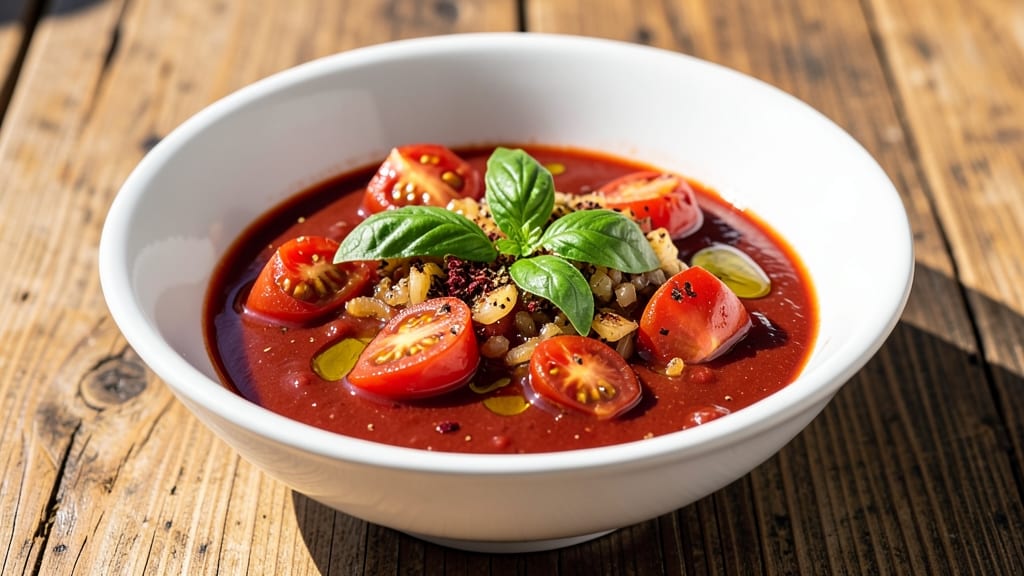
This authentic Napoli sauce recipe brings the sun-drenched flavors of Naples straight to your kitchen with its slow-simmered tomato magic. 🌟 The secret lies in using ripe San Marzano tomatoes, fresh basil, and a gentle simmer that develops deep, complex flavors without overpowering the natural sweetness of the tomatoes.
I’ve perfected this recipe over years of testing, ensuring every spoonful delivers the rich, velvety texture and bright herb notes that make it the heart of any Italian meal.
The sauce begins with a simple yet essential base of olive oil, garlic, and onions, cooked until fragrant but never browned—this is key to avoiding bitterness.
Fresh basil is added at the very end to preserve its bright, aromatic qualities, while a touch of oregano and parsley rounds out the flavor profile.
What makes this sauce truly special is the slow cooking process, which allows the tomatoes to break down naturally, creating a sauce that’s smooth yet still retains just the right amount of texture.
By the time you’re done, you’ll have a sauce that’s perfect for drizzling over al dente spaghetti, topping a classic Margherita pizza, or pairing with grilled meats.
The balance of sweetness, acidity, and herbs is what makes this Napoli sauce so universally loved—it’s the kind of sauce that turns a simple meal into something extraordinary. Ready to elevate your cooking? Let’s get started.
This recipe is designed to be both approachable and deeply flavorful, making it ideal for home cooks who want restaurant-quality results without the fuss. The slow simmer ensures the sauce develops layers of flavor, while the fresh basil adds a bright, aromatic finish.
Whether you’re making it for a weeknight dinner or a special occasion, this Napoli sauce will bring a taste of Naples to your table.
Ingredients for authentic napoli sauce
Nine ingredients transform into the soul of Italian cooking—rich, bright, and full of tradition.
| Ingredient | Amount | Notes |
|---|---|---|
| San Marzano Tomato Cans 🍅 | 28 oz | Whole or crushed, no salt added |
| Extra-Virgin Olive Oil 🫒 | ½ cup | High-quality, fruity variety |
| Yellow Onion 🧅 | 1 whole | Medium size, finely chopped |
| Garlic Cloves 🧄 | 4 cloves | Fresh, peeled, minced |
| Fresh Basil Leaves 🌿 | ⅓ cup | Packed, stems removed |
| Dried Oregano 🌿 | 1 tsp | Italian or Mediterranean blend |
| Fresh Parsley 🌿 | ¼ cup | Chopped, for finishing |
| Sea Salt 🧂 | 1 ½ tsp | Diamond Crystal preferred |
| Black Pepper 🌶️ | ½ tsp | Freshly ground |
| Red Wine Vinegar 🍷 | 1 tbsp | For brightness |
San Marzano tomatoes are non-negotiable here—they're sweet, juicy, and packed with flavor. Trader Joe's and Whole Foods carry them year-round, but Italian markets have the best selection. Look for cans with no salt added (the labels say it). Fresh basil is the star, so grab a big bunch—half goes in the pot, half gets torn over the top at the end. For olive oil, California Extra Virgin or Italian brands like Bertolli work beautifully, but avoid anything that smells harsh or peppery. The onions and garlic should be fresh—no wilted or sprouted bulbs.
No San Marzano tomatoes? Crushed tomatoes from a high-quality brand will work, but you'll lose that signature sweetness. Short on fresh basil? Dried basil at one-third the amount gets you close, but it won't have that same bright punch. The red wine vinegar can be swapped for lemon juice if you prefer, but it adds a nice depth. For extra richness, stir in 1 tablespoon of tomato paste at the start. And if you're feeling adventurous, a pinch of red pepper flakes adds just a touch of heat without overpowering the delicate flavors. Always taste as you go—adjust salt and pepper to your preference.
This sauce tastes even better the next day as the flavors meld. Store it in an airtight container in the fridge for up to 5 days, or freeze for 3 months in portion-sized containers. I like to freeze it in ice cube trays for easy single-serving portions—just pop a cube into a small pot with a splash of water and warm it through. The basil wilts fast, so add it just before serving. If you make extra, freeze half for future pasta nights—it's always a crowd-pleaser.
Why You'll Love This Recipe
- No-Chop Struggle: I swear by this—just one onion, finely diced while the oil heats, and you’re done. The San Marzano tomatoes do all the heavy lifting; their natural sweetness means no peeling, no seeding, no messy prep. Honestly, I’ve made this sauce at midnight after a long day, and it still tastes like it simmered all afternoon.
- Garlic-Basil Magic: That first hit of raw garlic in the oil? Pure gold. Then the tomatoes soften, the basil brightens it all up—it’s the kind of flavor that makes you pause mid-bite. Between us, I’ve ruined fancier sauces, but this one? Every time, it’s spot-on.
- Weeknight to Dinner Party: Same sauce, endless uses. Toss it with pasta for a quick dinner, slather it on grilled chicken for a crowd, or even drizzle it over bruschetta when company’s over. I’ll be real: my freezer’s stocked with jars of this because it’s my go-to for anything from lazy Tuesdays to impressing in-laws.
- Pantry Hero: Two cans of tomatoes, a bulb of garlic, and a handful of basil—that’s it. No specialty ingredients, no last-minute grocery runs. And the leftovers? They keep for weeks in the fridge, or freeze perfectly for when you’re too tired to cook. Solid. Reliable. My secret weapon for nights when takeout feels like too much effort.
Step-by-step instructions for authentic Napoli sauce
Here's how to craft Naples-style tomato sauce that's rich, balanced, and bursting with fresh basil flavor.
🍳 Step 1: Sauté the Onion Until Translucent
Heat the 0.5 cup extra-virgin olive oil in a heavy-bottomed saucepan over medium-low heat. Add the finely chopped yellow onion and cook for 8-10 minutes until completely translucent and softened. I like to stir occasionally to prevent browning—this gentle cooking develops sweetness that forms the sauce's base.
Here's the thing—if you see the onion starting to color too quickly, reduce the heat slightly. You want it to become almost invisible when raw, not golden. This foundational step ensures your sauce won't be bitter or one-note later on.
🍳 Step 2: Add Garlic and Cook Until Fragrant
Push the onion to one side of the pan and add the minced garlic cloves. Cook for 30 seconds to 1 minute until the garlic becomes golden and releases its aroma. You'll know it's ready when the scent fills your kitchen—this is when the magic starts happening.
Don't walk away. Garlic burns in seconds, and burnt garlic makes the whole sauce taste off. Once the garlic is golden, stir it into the onion mixture and let everything cook together for another 1 minute to meld the flavors.
🍳 Step 3: Build the Sauce with Tomatoes and Seasonings
Pour in the 28 oz San Marzano tomato cans (whole or crushed) and add 1 tsp dried oregano, 1.5 tsp sea salt, and 0.5 tsp black pepper. Bring to a gentle simmer over medium heat, then immediately reduce heat to low. This is where patience pays off—let it bubble away gently for 30-40 minutes.
I know it seems like forever, but this slow simmer is what creates that authentic Napoli texture. You'll see the sauce reduce and thicken naturally. Stir occasionally to prevent sticking, but don't overwork it—this isn't a stir-fry.
🍳 Step 4: Finish with Vinegar and Fresh Herbs
After 30-40 minutes, stir in the 1 tbsp red wine vinegar. This brightens the sauce and cuts through the richness. Taste and adjust seasoning if needed—you might want to add a pinch more salt or pepper depending on your tomatoes.
Remove from heat and stir in the 0.33 cup fresh basil leaves and 0.25 cup fresh parsley. Let it steep for 5 minutes off the heat—this infuses the flavors without making the herbs bitter. The sauce should be thick enough to coat the back of a spoon but still flow smoothly.
⏰ Step 5: Rest and Serve
Let the sauce rest for at least 10 minutes before serving. This allows the flavors to fully meld and the texture to settle. I like to serve it immediately over pasta or pizza, but it also keeps well in the refrigerator for up to 5 days—just reheat gently on the stove.
For that authentic Napoli touch, finish with a drizzle of the extra-virgin olive oil and a sprinkle of fresh parsley. The balance of sweet tomatoes, bright vinegar, and fresh herbs is what makes this sauce truly special—it's the heart of any great Italian meal.
Pro Tips For Making Authentic Napoli Sauce
- CRUSH THE ONIONS: Dice them small—no bigger than 1/4-inch pieces—and cook them low and slow until they’re translucent but not browned. I learned this the hard way: big chunks make the sauce taste uneven, and rushing them burns their sweetness before it even develops.
- SIMMER THE TOMATOES: After crushing the San Marzanos, reduce the heat to the very lowest setting and let the sauce bubble gently for at least 45 minutes. Skipping this step leaves the sauce watery; the long simmer breaks down the tomatoes into a velvety texture that’s the heart of real Napoli sauce.
- SALT THE WATER: Add a pinch of salt to the crushed tomatoes before simmering—just enough to taste. This might sound odd, but it helps balance the acidity and makes the flavor pop later. (Yes, even if you’re using canned tomatoes, which already have some salt.)
- STIR IN THE BASIL: Tear the basil leaves by hand (don’t chop them) and add them just before serving. Cooking basil turns it bitter, and fresh leaves floating on top are the only way to get that bright, perfumed finish. (If you’re really in a rush, a tiny handful of dried basil at the end works—but it’s not the same.)
Pro cooking tips for authentic napoli sauce
Low-and-Slow Simmering
The key to authentic Napoli sauce lies in the 30-40 minute low simmer—this is where the magic happens. Use a heavy-bottomed pot like a Le Creuset Dutch oven to maintain even heat distribution.
I always cook my sauce at 180-190°F—just below a gentle bubble—to prevent scorching while allowing the tomatoes to break down naturally. 🌡️
Never rush this step! The slow cooking process develops deep umami flavors and creates that signature velvety texture. If you see the sauce reducing too quickly, simply lower the heat further. Patience here transforms ordinary tomatoes into something extraordinary.
Fresh Basil Timing
Adding fresh basil at the very end preserves its bright, aromatic qualities. I tear the leaves by hand rather than chopping them to maintain maximum surface area for flavor infusion.
After stirring it in, let the sauce steep off the heat for 5 minutes—this allows the basil's essential oils to fully infuse without making the leaves bitter.
Pro tip: Reserve some basil leaves to garnish the finished sauce. The visual contrast of bright green against the deep red sauce makes it look restaurant-worthy. Never skip this step—it's what gives authentic Napoli sauce its signature freshness.
Acid Balance Secrets
The 1 tbsp red wine vinegar is crucial for balancing the sauce's sweetness and richness. I always add it during the final 10 minutes of cooking to preserve its bright acidity.
If you prefer a different acid profile, substitute with 1 tsp lemon juice, but vinegar adds a subtle depth that lemon can't match.
Taste your sauce before serving—authentic Napoli sauce should have a perfect balance of sweet, acid, and salt. If it tastes flat, a pinch more salt or a splash of vinegar can work wonders. The goal is complexity, not overwhelming flavors.
Equipment Essentials
A heavy-bottomed saucepan or Dutch oven is non-negotiable for even heat distribution. I use my All-Clad stainless steel pot because it prevents hot spots that can burn the sauce. For stirring, a wooden spoon works best—it won't scratch your pot and helps prevent sticking.
If you don't have a thermometer, watch for the sauce to bubble gently but not vigorously. The perfect simmer should look like a slow, steady dance of tiny bubbles breaking the surface. This is where home cooks often go wrong—too high heat ruins everything.
Texture Control
For a chunky texture, use whole San Marzano tomatoes and let them break down naturally. For a smooth sauce, blend half the cooked tomatoes before adding them back to the pot.
I find the perfect balance comes from using crushed tomatoes and letting them simmer until they naturally thicken.
The sauce should coat the back of a spoon but still flow smoothly. If it's too thick, add 1-2 tbsp water and simmer for another 5 minutes. If it's too thin, continue simmering uncovered for 10-15 minutes to reduce it further. Texture is everything in Napoli sauce!
Nutrition facts
Frequently asked questions
Can I use regular canned tomatoes instead of San Marzano?
While San Marzano tomatoes are ideal for their sweetness and low acidity, you can use regular canned tomatoes in a pinch. For best results, choose high-quality brands without added salt and simmer the sauce longer (up to 50 minutes) to develop deeper flavor. Add 1 extra tablespoon of sugar to balance any tartness, and consider a splash of red wine vinegar to brighten the sauce.
Why does my Napoli sauce taste bitter?
Bitter flavor usually comes from overcooking or burnt garlic/onions. Keep the heat at a gentle simmer (180-190°F) and never let the sauce boil vigorously. If it's already bitter, stir in 1 tsp sugar or 1 tbsp tomato paste to mellow the flavors. Fresh basil and red wine vinegar can also help rebalance the taste.
How do I make this sauce spicier?
For heat, add ½ to 1 teaspoon of crushed red pepper flakes when you introduce the tomatoes. For a smoky kick, include ½ teaspoon smoked paprika with the oregano. Start with less—you can always add more later. Remember, authentic Napoli sauce is traditionally mild, so use spice judiciously to avoid overpowering the tomato flavor.
Can I make this sauce in a slow cooker?
Use the same ingredients but cook on low heat for 4-5 hours instead of stovetop simmering. Add the fresh basil and vinegar only in the last 30 minutes of cooking. The slow cooker's gentle heat helps develop deep flavors while preventing scorching. For best results, use a heavy-duty slow cooker with a stone pot insert.
What's the best way to store leftover sauce?
Store in an airtight container in the fridge for up to 5 days, or freeze for 3 months. For freezing, portion into ice cube trays first—this makes it easy to thaw just what you need. When reheating, warm gently on the stove with a splash of water to restore the perfect consistency. The flavors actually improve after resting overnight!