
Sauces & Condiments
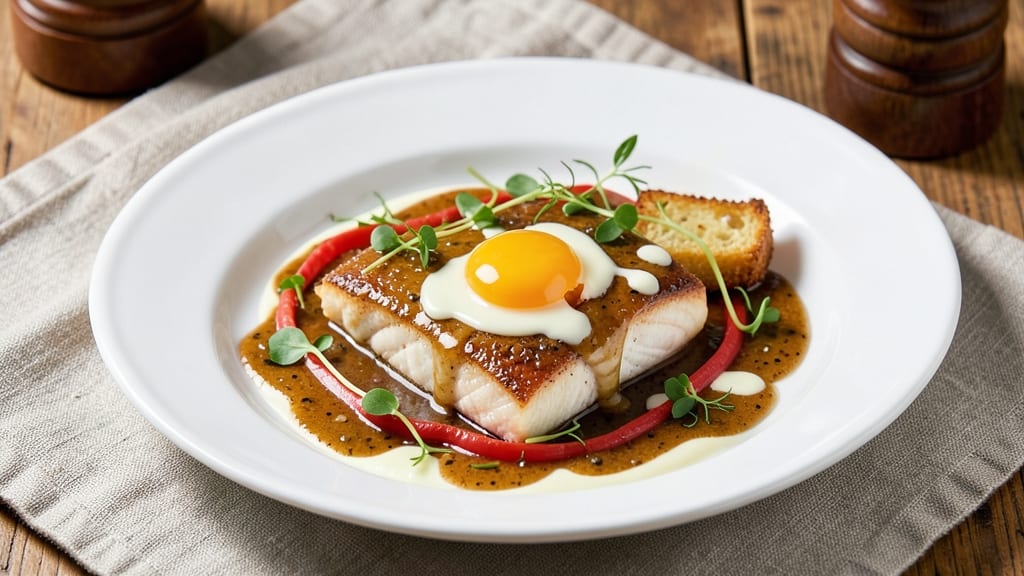
The Aurore sauce recipe transforms simple ingredients into a luxurious, velvety tomato sauce that elevates any dish. This French classic combines butter, egg yolks, and cream with fresh herbs to create a silky, slightly tangy sauce perfect for finishing delicate proteins or vegetables.
The secret lies in careful emulsification—where the sauce's rich texture comes from binding fat and liquid seamlessly.
What sets Aurore sauce apart is its balance of richness and acidity, achieved through a reduction of tomatoes and a touch of vinegar. Traditionally made with chervil, tarragon, and parsley, this sauce delivers an aromatic depth that pairs beautifully with sole, fish, or even roasted asparagus.
The process is straightforward but requires patience—especially when tempering the egg yolks to avoid curdling.
By the end, you’ll have a glossy, creamy sauce that clings effortlessly to food, adding a restaurant-worthy finish. It’s versatile enough for weeknight dinners yet elegant enough for special occasions.
The best part? It keeps well in the fridge for up to three days, making it a go-to for meal prep.
Whether you’re serving it over grilled fish or drizzling it over a steamed vegetable medley, Aurore sauce turns simple dishes into something extraordinary. Here’s how to make it perfectly every time.
Ingredients for aurore sauce
Twelve ingredients blend French finesse with simple technique to create Aurore sauce's velvety perfection.
| Ingredient | Amount | Notes |
|---|---|---|
| Unsalted Butter 🧈 | ½ cup | Cold, cubed for emulsification |
| Large Egg Yolks 🥚 | 4 whole | Fresh, room temperature |
| Heavy Cream 🥛 | ½ cup | Full-fat for richness |
| Fresh Tomato Paste 🍅 | ¼ cup | San Marzano preferred |
| Red Wine Vinegar 🍷 | 1 tbsp | Dry, bold variety |
| Fresh Chervil 🌿 | ¼ cup | Finely chopped, stems removed |
| Fresh Tarragon 🌿 | ⅛ cup | Finely chopped, French preferred |
| Fresh Parsley 🌿 | ⅛ cup | Flat-leaf, finely chopped |
| Shallots 🧅 | 2 whole | Minced, 1 tbsp total |
| Diamond Crystal Kosher Salt 🧂 | ¼ tsp | Adjust to taste |
| White Wine 🍷 | ¼ cup | Dry, Sauvignon Blanc ideal |
| Fresh Lemon Juice 🍋 | 1 tsp | Bright, freshly squeezed |
The butter and egg yolks form Aurore sauce's luxurious base—unsalted butter ensures no competing flavors, while fresh yolks provide natural emulsification. For the herbs, fresh chervil and tarragon are essential; dried won't deliver the same aromatic depth. Whole Foods or specialty markets carry French tarragon, but regular grocery stores often stock it too. If unavailable, doubled parsley works in a pinch, though the flavor profile shifts. The shallots should be minced finely—almost paste-like—to avoid texture in the finished sauce. For wine, Sauvignon Blanc offers crisp acidity that balances the richness, while Pinot Grigio is a reliable alternative. The tomato paste? San Marzano is the gold standard, but any high-quality brand will suffice.
No chervil? Fresh dill or extra parsley can substitute, though the flavor will differ slightly. Out of white wine? Dry vermouth or extra lemon juice adds similar acidity. The vinegar is non-negotiable—red wine vinegar provides the tangy brightness that cuts through the sauce's richness. For a vegetarian version, omit the butter and use olive oil instead, though the texture will be slightly lighter. The egg yolks must be tempered slowly—never add hot liquid directly to prevent curdling. If you're nervous about emulsification, start with just 2 yolks and add more as needed. The sauce should coat the back of a spoon smoothly, with no separation.
This sauce keeps beautifully in the fridge for up to 3 days, stored in an airtight container with a thin layer of olive oil on top to preserve freshness. For longer storage, freeze in ice cube trays—thaw quickly in a warm water bath before use. Reheat gently over low heat, stirring constantly, until just warmed through. The sauce thickens as it cools, so add a splash of warm water or cream if it becomes too stiff. Portion into small containers for meal prep; it reheats perfectly and maintains its velvety texture. Leftovers can be used within 5 days for optimal flavor.
Why You'll Love This Recipe
- Five-Ingredient Magic: I swear by this—just butter, yolks, cream, tomato paste, and a splash of vinegar. No chopping, no blending, no fancy gadgets. The only real work is whisking, and honestly, that’s the fun part.
- Rich Without Effort: That velvety finish from the heavy cream and butter? It’s like a hug in sauce form. The vinegar cuts through the richness just enough to make it bright, not heavy—perfect for when you want something indulgent but still balanced.
- Weeknight to Dinner Party: I’ve drizzled this over pasta for a quick weeknight meal, and I’ve slathered it on roasted veggies for a fancier spread. The same sauce works for both—no shame in stretching it. (Yes, even on a Tuesday night.)
- Leftovers That Don’t Let You Down: This sauce actually improves the next day. The flavors meld, the texture thickens just right, and it’s still creamy enough to jazz up whatever you’re serving. I’ve had it last me four days—no waste, no regret.
Step-by-step instructions for Aurore sauce
Master this French classic with precise technique and rich, velvety results.
Prepare the Herb and Shallot Base
In a medium saucepan, melt the 0.5 cup unsalted butter over medium-low heat. Add the 2 whole minced shallots and cook for 3-4 minutes until softened and translucent, stirring occasionally. This gentle cooking prevents burning while developing flavor.
Reduce heat to low and add the 0.25 cup fresh tomato paste, stirring constantly for 2 minutes until it darkens slightly and becomes fully incorporated. This step builds the sauce's foundation—don't rush it. The paste should blend smoothly with the butter, creating a thick, glossy base.
Deglaze and Simmer the Wine
Pour in the 0.25 cup white wine and scrape up any browned bits from the bottom of the pan with a wooden spoon. This deglazing captures all the flavor compounds that would otherwise stick to the pan. Bring to a gentle simmer and reduce by half—about 3-4 minutes—until the liquid thickens slightly and coats the back of a spoon.
Here's where the acidity comes in: Add the 1 tablespoon red wine vinegar and 1 teaspoon fresh lemon juice. Simmer for another 1 minute, allowing the flavors to meld. The vinegar brightens the sauce, while the lemon juice adds freshness that balances the richness. Taste and adjust seasoning with the 0.25 teaspoon kosher salt if needed.
Create the Emulsion with Egg Yolks
In a separate bowl, whisk together the 4 whole large egg yolks and 0.5 cup heavy cream until smooth. This mixture should be pale yellow and slightly thickened from the whisking. The yolks act as natural emulsifiers, creating the sauce's signature velvety texture.
Temper the yolks by slowly ladling the hot sauce from the pan into the yolk mixture while whisking continuously. This gradual addition prevents the eggs from scrambling. Once the yolk mixture is heated through (it should be warm but not hot to the touch), pour it back into the saucepan and stir constantly over low heat for 2-3 minutes until the sauce thickens to a glossy consistency.
Finish with Fresh Herbs
Remove the sauce from heat and stir in the 0.25 cup fresh chervil, 0.125 cup fresh tarragon, and 0.125 cup fresh parsley. The herbs should be finely chopped and added just before serving to preserve their vibrant color and delicate flavors. The sauce will be luxuriously thick but still silky—it should coat the back of a spoon with a smooth, almost custard-like texture.
For best results, serve the aurore sauce immediately over poached fish, grilled vegetables, or as a luxurious drizzle for roasted meats. The sauce should be warm but not boiling when served—this ensures the eggs remain perfectly emulsified. If it thickens too much while resting, whisk in 1 tablespoon warm water to restore its ideal consistency.
Pro Tips For Making Aurore Sauce
- Whisk Butter First: Melt the unsalted butter first, then whisk it into the yolks before adding anything else—this emulsifies the sauce from the start. I learned this the hard way after scraping burnt bits off the bottom of the pan when I rushed the order.
- Use Cold Cream: Chill the heavy cream for 30 minutes before adding it to the sauce—this prevents curdling when it hits the hot base. Sounds weird, but it works: the sauce stays silky instead of breaking like cottage cheese.
- Cook Tomato Paste Dry: Bloom the tomato paste in the butter without liquid for 2 full minutes—this deepens its flavor and prevents a raw, metallic taste. Skip this, and your sauce will taste like you just stirred in a spoonful of canned paste.
- Strain the Sauce: After combining everything, strain the sauce through a fine-mesh sieve to remove any cooked egg bits—this guarantees a velvety finish. I was skeptical until I tried it: the difference is noticeable, even if it’s an extra 30 seconds of work.
Pro cooking tips for perfect results
Emulsification Secrets
The key to Aurore sauce's signature velvety texture lies in proper emulsification—where fat and liquid bind seamlessly. Start by melting ½ cup unsalted butter over medium-low heat to prevent burning before adding your shallots.
For the egg yolks, whisk them with ½ cup heavy cream until pale yellow before tempering. I like to use a double boiler method for extra control: Place the yolk mixture in a heatproof bowl over simmering water while whisking constantly.
This gradual heating prevents curdling while ensuring a silky finish. 💫
Tempering Like a Pro
Tempering the egg yolks is where most home cooks make mistakes. Never pour hot sauce directly into the yolks—this will scramble them instantly. Instead, slowly ladle ¼ cup hot sauce into the yolk mixture while whisking vigorously.
The goal is to raise the yolk temperature to 160°F without exceeding 170°F. I use a thermometer for precision, but if you don't have one, test with a spoon: The mixture should be warm to the touch but not hot.
Once tempered, return it to the pan and cook just until thickened—2-3 minutes over low heat is all you need.
Herb Timing Matters
The fresh herbs—chervil, tarragon, and parsley—should be added last to preserve their bright flavors and vibrant colors. Chop them finely (almost paste-like) using a microplane or sharp knife. I find that adding them too early can make the sauce bitter.
For extra freshness, I like to pulse them briefly in a food processor before folding into the warm sauce. If you're short on chervil, dill makes a decent substitute, though the flavor will shift slightly toward anise. Always add herbs off the heat to maintain their delicate aroma.
Acidity Balance
The red wine vinegar and lemon juice are non-negotiable for balancing the sauce's richness. I recommend using dry red wine vinegar (like Balsamic Vinegars' Reserve) for its bold tang, and freshly squeezed lemon juice for brightness.
Taste as you go: The sauce should have a bright, slightly tangy finish—not sour. If it tastes flat, add another ½ teaspoon vinegar or lemon juice. For a smoother texture, strain the sauce through a fine-mesh sieve before serving, especially if you're using larger herb stems.
Reheating Without Curdling
Leftovers should be stored in an airtight container with a thin layer of olive oil on top to prevent a skin from forming. When reheating, use low heat and stir constantly—never microwave, as this can cause the eggs to separate.
For best results, add 1 tablespoon warm water or cream to thin the sauce slightly before reheating. If it thickens too much, whisk in 1 teaspoon warm water while off the heat. The sauce should be warm but not hot when served—140°F is ideal. 🔥
Troubleshooting Tips
If your sauce curdles, don't panic—it can often be rescued. Remove from heat immediately and whisk in 1 tablespoon cold butter, which helps rebind the emulsion. For a too-thin sauce, simmer uncovered for 1-2 minutes to reduce.
If it's too thick, whisk in 1 tablespoon warm water or cream. Over-salted? Balance with 1 teaspoon lemon juice or a pinch of sugar. Under-seasoned? A splash of white wine or extra herbs can elevate it.
The key is patience—rushing leads to mistakes, but with these fixes, you'll always end up with a silky, restaurant-quality sauce.
Nutrition facts
Frequently asked questions
What makes Aurore sauce different from other French tomato sauces?
Aurore sauce stands out with its velvety, egg-based emulsion that creates a luxurious texture unlike traditional tomato sauces. While many French sauces rely on reductions or roux bases, Aurore sauce incorporates egg yolks and heavy cream for a silky finish. The addition of fresh herbs like chervil and tarragon also gives it a distinctive aromatic profile that's brighter than classic red sauces.
Can I substitute any of the herbs in Aurore sauce?
Yes, but with flavor trade-offs. Chervil is essential for authenticity, but you can replace it with dill or extra parsley if unavailable. For tarragon, basil or thyme work in a pinch, though the flavor will shift slightly. Always use fresh herbs—dried versions won't provide the same delicate aroma. The parsley is the most flexible and can be doubled if other herbs are missing.
Why did my Aurore sauce curdle? How can I fix it?
Curdling happens when egg yolks are exposed to heat too quickly. To fix it, remove from heat immediately and whisk in 1 tablespoon cold butter to help rebind the emulsion. If that doesn't work, strain the sauce through a fine-mesh sieve to remove lumps. For prevention, always temper the yolks by slowly adding hot sauce to the yolk mixture while whisking continuously. Never pour hot liquid directly into raw yolks.
How long does Aurore sauce keep, and can I freeze it?
Store in an airtight container with a thin layer of olive oil on top to preserve freshness for up to 3 days in the fridge. For longer storage, freeze in ice cube trays—thaw quickly in a warm water bath before use. Reheat gently over low heat, stirring constantly, until just warmed through (140°F). Avoid microwaving to prevent separation. The sauce thickens as it cools, so add a splash of warm water if needed.
What are the best dishes to serve with Aurore sauce?
Aurore sauce shines as a finishing sauce for delicate proteins and vegetables. Try it over poached or grilled fish, sole meunière, or roasted asparagus. It also pairs beautifully with steamed mussels, creamy polenta, or even as a drizzle for grilled shrimp skewers. The sauce's brightness cuts through rich flavors, making it perfect for seafood dishes where you want to highlight the natural taste.