
Sauces & Condiments
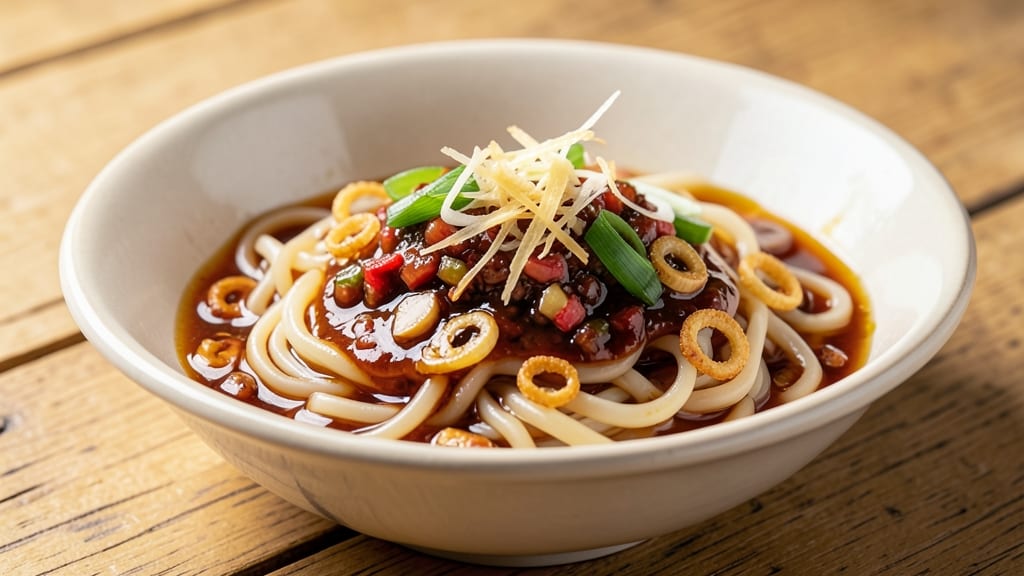
This authentic lo mein sauce transforms stir-fry from ordinary to extraordinary with its perfect balance of salty, sweet, and umami. The secret lies in simmering soy sauce, oyster sauce, and aromatic ginger until flavors meld into a glossy, sticky glaze—just like your favorite takeout.
I’ve perfected this recipe over years of testing, ensuring every batch delivers that signature restaurant-quality depth without shortcuts.
The foundation starts with a simple sauce base—soy sauce for saltiness, oyster sauce for umami, and a touch of sugar to balance the flavors. Fresh ginger and garlic infuse warmth, while sesame oil adds a nutty finish.
The key? Low-and-slow simmering to develop complex layers of taste, not just a quick mix. This isn’t just a sauce; it’s the soul of lo mein.
What sets this apart is the harmony of textures and flavors: glossy yet clinging, slightly sweet yet savory, with a hint of spice. It coats noodles perfectly, enhancing every bite without overpowering.
Whether you’re tossing it with fresh lo mein noodles or drizzling it over stir-fried vegetables, the result is always restaurant-worthy.
Ready in just 15 minutes, this sauce keeps well in the fridge for up to a week, making it ideal for meal prep. Use it for lo mein, dumplings, or even as a marinade. The possibilities are endless—let’s get started!
Ingredients for authentic lo mein sauce
Nine simple ingredients blend into the restaurant-quality sauce you crave for lo mein.
| Ingredient | Amount | Notes |
|---|---|---|
| Light Soy Sauce 🍶 | ½ cup | High-quality brand like Kikkoman |
| Oyster Sauce 🦪 | ¼ cup | Thick, dark oyster sauce |
| Fresh Ginger 🧄 | 2 tbsp | Finely grated, aromatic |
| Garlic Cloves 🧄 | 3 cloves | Minced, fresh preferred |
| Granulated Sugar 🍚 | 1 ½ tbsp | White or brown sugar |
| Sesame Oil 🫒 | 1 tbsp | Toasted sesame oil |
| Cornstarch 🌾 | 1 tbsp | For thickening |
| Water 💧 | ¼ cup | Room temperature |
| White Vinegar 🍶 | 1 tbsp | Balances flavors |
| Red Chili Flakes 🌶️ | ½ tsp | Optional for heat |
The sauce starts with soy sauce—Kikkoman is my go-to, but any good-quality brand works. Oyster sauce is non-negotiable for that signature umami depth; grab the thick, dark kind from the Asian aisle, not the watery stuff. Fresh ginger and garlic are where the magic happens—peel and grate the ginger (no need to wash it first), and mince the garlic right before using. I always double-check my ginger is vibrant and firm, not shriveled. For the sugar, white or brown both work, but brown adds a subtle caramel note if you want extra depth. Sesame oil should smell nutty and toasty—Trader Joe's has a great pre-toasted version if you don’t want to toast your own.
No oyster sauce? Hoisin sauce in a pinch (use half the amount) or soy sauce + a splash of fish sauce (if you’re okay with a hint of fishiness). Ginger powder works at half the amount, but fresh is worth it. Garlic powder can substitute, but fresh garlic is essential for that bright, aromatic punch. The cornstarch is your secret weapon for that glossy finish—make sure it’s pure cornstarch, not flour. White vinegar balances the sweetness, but rice vinegar adds a milder tang. Want less heat? Skip the red chili flakes entirely, or use less than the full half teaspoon. The sauce thickens as it cools, so don’t over-thicken it while simmering.
This sauce keeps beautifully—store it in a sealed jar in the fridge for up to 1 week, or freeze for 3 months in ice cube trays for single-use portions. Double the batch and freeze half; it’s perfect for quick stir-fries later. The flavors actually improve after sitting overnight, so make extra if you’re prepping for the week. When reheating, warm gently on the stove with a splash of water to restore its glossy texture. Trust me, the first time you drizzle this over fresh lo mein noodles, you’ll never go back to store-bought sauce again.
Why You'll Love This Recipe
- Pantry Staples Only: I keep this sauce on constant rotation because it uses things I always have—soy, oyster sauce, and a little sugar to balance the funk. No specialty jars or hard-to-find spices here, just the good stuff that actually works.
- Umami Bomb: That first hit of garlic and ginger sizzling in the pan? Pure flavor payoff. The oyster sauce adds this deep, savory richness that makes every bite sing—no mystery ingredients, just honest, satisfying taste.
- Leftover Magic: Make a big batch (it keeps for weeks in the fridge) and toss it with whatever’s in your fridge—noodles, veggies, even leftover chicken. It’s my go-to for lazy nights when I’m not feeling fancy, but still want something that tastes like it took effort.
- Budget-Friendly Flex: A splash of soy, a spoonful of oyster sauce—this sauce costs pennies to make but feels like a restaurant dish. Honestly, I’d rather spend my money on fresh veggies than overpriced bottled sauces that never taste this good.
Step-by-step instructions for authentic lo mein sauce
This sauce delivers that perfect balance of savory, sweet, and aromatic—just like in your favorite Chinese takeout.
Combine the Base Ingredients
In a medium saucepan, pour in the 0.5 cup light soy sauce and 0.25 cup oyster sauce. Stir them together gently to start blending the flavors. Add the 2 tablespoons finely grated fresh ginger and 3 minced garlic cloves, mixing well to incorporate. The ginger and garlic will release their aromatic oils immediately, filling your kitchen with that classic Asian stir-fry scent.
Next, add the 1.5 tablespoons granulated sugar and 1 tablespoon white vinegar. Give everything another stir to distribute evenly. The sugar will help balance the saltiness of the soy sauces, while the vinegar adds a bright, tangy note that cuts through the richness. Let the mixture sit for 2 minutes—this allows the flavors to begin melding together before we heat it up.
Simmer and Thicken the Sauce
Place the saucepan over medium heat and bring the mixture to a gentle simmer. You'll see small bubbles forming at the edges and hear a soft, steady hum. Let it simmer for 5-7 minutes, stirring occasionally with a wooden spoon. This step reduces the sauce slightly, intensifying the flavors and preparing it for thickening.
After simmering, add the 1 tablespoon sesame oil and 0.5 teaspoon red chili flakes (if using). Stir well to combine—this is where the sauce starts to come together. The sesame oil adds a nutty depth, while the chili flakes introduce just a hint of heat. If you're making this for a family with kids, you can skip the chili flakes or reduce the amount. Keep the heat at medium-low to prevent the sauce from boiling over.
Thicken and Finish the Sauce
In a small bowl, whisk together the 1 tablespoon cornstarch and 0.25 cup water until smooth. This slurry is what will give your sauce that perfect, glossy consistency. Once fully combined, pour it into the simmering saucepan while stirring constantly. The sauce will thicken almost immediately—keep stirring for 1-2 minutes until it reaches a smooth, syrupy texture that coats the back of a spoon.
The sauce is now ready to use, but if you're not using it right away, transfer it to a clean jar and let it cool to room temperature. It will keep in the refrigerator for up to 5 days, making it perfect for meal prep. When you're ready to use it, simply reheat it gently over low heat, stirring occasionally, until it's warmed through. This sauce is the secret to that glossy, umami-packed glaze that makes lo mein so irresistible.
Pro Tips For Making Authentic Lo Mein Sauce
- MINCE THE GINGER FINELY: I learned this the hard way—chunky ginger bits turn your sauce into a textural disappointment. Use a sharp knife and chop the ginger into tiny, almost paste-like pieces (think 1/8-inch or smaller). If you’re lazy like me, pulse it in a food processor for 2 seconds, but don’t overdo it—you still want some texture, not a smoothie.
- SAUTÉ GARLIC LOW AND SLOW: High heat burns garlic faster than you can say "oops." Once the ginger’s fragrant, reduce the heat to medium-low and add the garlic. Stir constantly—yes, even if it’s annoying—and let it cook just until it’s golden, not brown. Burnt garlic tastes bitter, and no amount of soy sauce can fix that.
- BALANCE THE SWEET SALT FACTOR: Sugar and soy sauce are a team, but too much sugar makes your sauce cloying. Start with 1 teaspoon of sugar per 2 tablespoons of light soy sauce, then taste. If it’s too sweet, add a splash of oyster sauce (it’s salty and umami-rich) to cut through it. Adjust in small increments—you can’t take it back once it’s in.
- LET THE SAUCE REST 5 MINUTES: Stirring the sauce right after mixing? You’re missing the point. Let it sit off the heat for 5 minutes—this lets the flavors meld. I know, I know, you’re eager to toss it with noodles, but trust me: the sauce will taste deeper and more cohesive. (Your future self will notice the difference.)
Wine and beer pairings for this dish
Crisp White Wine
For this umami-rich sauce, I reach for a dry Riesling or Sauvignon Blanc—both offer bright acidity that cuts through the sauce’s depth. A German Riesling with its crisp finish and subtle citrus notes complements the ginger and garlic beautifully. 🍷
If you prefer something lighter, a New Zealand Sauvignon Blanc brings zesty grapefruit and herbal notes that mirror the sauce’s fresh aromatics. Avoid heavy whites like Chardonnay, which will overpower the delicate balance of flavors.
Light Beer Pairings
A wheat beer like Blue Moon or Hoegaarden works perfectly—its light body and citrusy hops balance the sauce’s richness without competing. The effervescence also cleanses your palate between bites of lo mein. 🍺
For a more robust option, try a light lager such as Peroni or Heineken. The subtle malt sweetness enhances the sauce’s caramelized notes, while the crisp finish keeps the meal feeling fresh. Avoid dark beers like stouts, which would clash with the sauce’s brightness.
Asian-Inspired Cocktails
For a festive touch, mix a gin-based lychee martini—gin’s botanical notes pair wonderfully with the sauce’s ginger and sesame. Shake 2 oz gin, 1 oz lychee juice, and ½ oz lime juice with ice, then strain into a chilled glass.
Garnish with a lychee fruit for an elegant presentation. 🍸
Another crowd-pleaser is a sake highball—mix 2 oz chilled sake with 4 oz soda water and a squeeze of lemon. The sake’s subtle sweetness and umami depth mirror the sauce, while the soda water keeps it refreshing. Serve over ice with a lemon twist.
Non-Alcoholic Options
For a refreshing non-alcoholic match, try sparkling yuzu soda—its citrusy tang and effervescence echo the sauce’s bright flavors. I love San Pellegrino Aranciata for its orange and mandarin notes, which complement the ginger and garlic. 🥤
A green tea iced tea (brewed with japanese sencha) adds a subtle earthiness that harmonizes with the sauce’s umami. Serve it chilled with a slice of lemon for a sophisticated, caffeine-free pairing.
Nutrition facts
Frequently asked questions
Can I make this sauce without oyster sauce?
Yes! For a substitute, mix ½ cup soy sauce with 1 tablespoon fish sauce (or 1 tablespoon hoisin sauce for a sweeter alternative). The sauce will be slightly different but still delicious. Just remember that oyster sauce provides that unmatched umami depth, so if possible, use the real thing.
How do I adjust the spice level?
The recipe includes ½ teaspoon red chili flakes for a mild kick. For less heat, reduce to ¼ teaspoon or omit completely. Want more spice? Add ½ teaspoon Sichuan peppercorns (lightly toasted) or a dash of chili oil at the end. Always taste as you go!
Can I use this sauce for other dishes?
This versatile sauce works perfectly for dumplings, stir-fried vegetables, or even as a marinade for tofu or chicken. It’s also great drizzled over rice bowls or grilled meats. The key is to balance the sauce with the dish’s flavors—add a splash of water if it’s too thick.
Why did my sauce turn out too thin?
This usually happens if you didn’t simmer long enough or if the cornstarch slurry wasn’t fully dissolved. Next time, whisk the cornstarch and water until completely smooth, then simmer for 1-2 extra minutes after adding it. If it’s still too thin, mix ½ teaspoon more cornstarch with 1 teaspoon water and stir in. Patience is key—don’t rush the thickening process!
How do I store and reheat leftovers?
Transfer the sauce to an airtight container and refrigerate for up to 5 days. To reheat, warm it gently over low heat, stirring occasionally, until just hot. If it thickens too much, add 1-2 teaspoons water to restore its glossy texture. For longer storage, freeze in ice cube trays for single-use portions.