
Sauces & Condiments
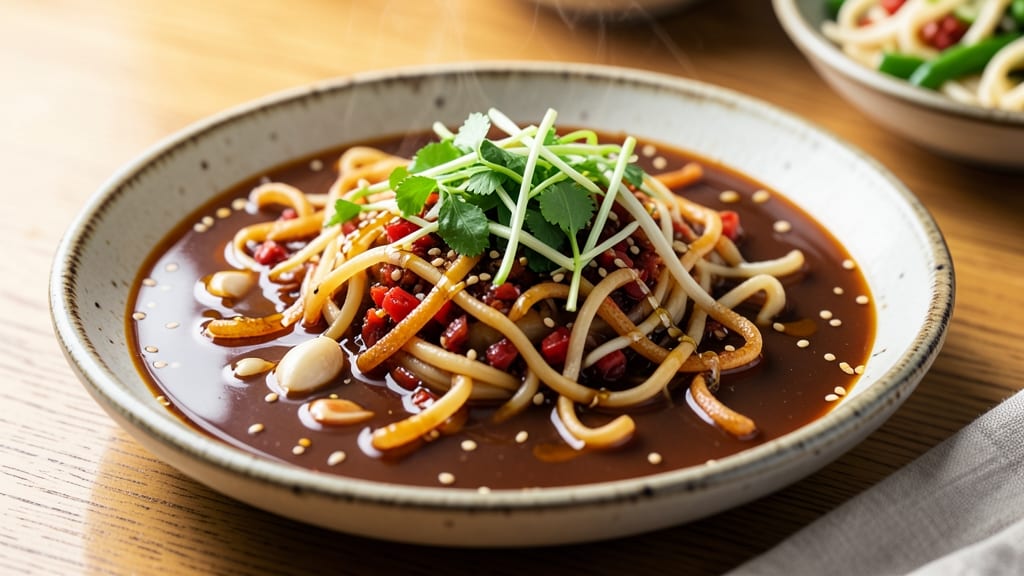
This authentic chow mein sauce recipe transforms ordinary stir-fries into restaurant-quality masterpieces with its perfect balance of salty, sweet, and umami. 💛 The secret lies in simmering soy sauce, oyster sauce, and a touch of sesame oil until the flavors meld into a glossy, aromatic sauce that clings beautifully to noodles and vegetables.
I developed this version after years of testing—it's the one that finally earned me compliments from even the most discerning Chinese food lovers.
The foundation of great chow mein sauce is patience—reducing the sauce slowly on low heat intensifies the flavors while preventing bitterness. We'll use a classic combination of soy sauce for saltiness, oyster sauce for depth, and a hint of sugar to balance the richness.
The addition of sesame oil at the end adds that signature nutty aroma that makes the sauce truly authentic. This isn't just any stir-fry sauce; it's the kind that turns simple vegetables into something extraordinary.
What makes this sauce truly special is its versatility—it works equally well with fresh stir-fries, cold noodle salads, or even as a dipping sauce for dumplings. The texture should be thick enough to coat but still silky, with no graininess that ruins the experience.
When properly made, this sauce delivers that perfect harmony of flavors that authentic chow mein deserves, with none of the shortcuts that compromise quality.
Once you've mastered this recipe, you'll never buy store-bought versions again. The sauce keeps well in the refrigerator for up to two weeks or can be frozen for longer storage, making it perfect for meal prep.
Let's get started on creating the sauce that will elevate all your Asian-inspired dishes to new heights.
Ingredients for authentic chow mein sauce
Ten ingredients, one sauce that turns ordinary stir-fries into restaurant-quality masterpieces.
| Ingredient | Amount | Notes |
|---|---|---|
| Light Soy Sauce 🥄 | ½ cup | Kikkoman preferred for authentic flavor |
| Dark Soy Sauce 🥄 | 1 tbsp | For deeper color and complexity |
| Oyster Sauce 🦪 | ¼ cup | Lee Kum Kee brand for authentic taste |
| Sesame Oil 🫒 | 1 tbsp | Toasted, for nutty aroma |
| Granulated Sugar 🍚 | 1 tbsp | Balances saltiness perfectly |
| Cornstarch 🌾 | ½ tsp | For thickening, dissolve first |
| Garlic Cloves 🧄 | 2 cloves | Minced for aromatic depth |
| Fresh Ginger 🌿 | 1 tbsp | Grated, for zesty brightness |
| Green Onions 🧅 | 2 whole | Sliced thin for garnish |
| Water 💧 | ¼ cup | For thinning if needed |
The soy sauces are non-negotiable here. Kikkoman light soy gives that clean, salty base, while dark soy adds depth and color—don't skip it. For oyster sauce, Lee Kum Kee is the gold standard (the one with the red label), but any good brand works. Fresh ginger and garlic? Buy organic if possible—they pack more punch. I always grab extra ginger because it keeps for weeks in the freezer. The sesame oil goes in last—toasted, not regular—for that authentic nutty aroma that makes the sauce sing.
No oyster sauce? Substitute with 1 tbsp soy sauce plus 1 tsp fish sauce (if you're okay with it) or just extra soy sauce. Running low on sesame oil? Toasted peanut butter at half the amount gives a similar richness. The cornstarch is key for that silky texture—dissolve it in cold water first to avoid clumping. Sugar can be swapped for honey (though it won't caramelize the same way), and if you're watching carbs, monk fruit sweetener works too. The green onions are optional but add that fresh pop—save some for garnish if you're feeling fancy.
This sauce keeps for 2 weeks in the fridge in an airtight jar, or 3 months frozen. I triple the batch every time—one for stir-fries, one for dipping, and one for noodle salads. For meal prep, portion into ice cube trays and freeze—perfect for quick dinners. If it thickens too much, just add a splash of water. If it's too thin? Simmer longer or add more cornstarch slurry. Trust me, the first time you make this, you'll never go back to store-bought.
Why You'll Love This Recipe
- Pantry Magic: I swear by this sauce because it’s all pantry staples—no specialty shopping. Just dump those five ingredients into a bowl, stir, and you’re golden. No chopping, no waiting, no stress.
- Umami Bomb: That combo of oyster sauce and dark soy? It’s like flavor crack. The sesame oil hits you with a nutty punch, while the sugar balances the salt—rich, savory, and just a little sweet. My kids ask for it by name now.
- Takeover Every Meal: Slather it on noodles, toss it with veggies, or drown your takeout in it. It’s the secret weapon for turning basic stir-fries into restaurant-level dishes. I keep a jar in the fridge for lazy nights.
- Budget Win: A splash of oyster sauce and a teaspoon of sugar stretch to feed four for under $2. Honestly, it’s the kind of recipe where you’ll make double just to have leftovers—because why not? It’s that good.
Step-by-step instructions for authentic chow mein sauce
This sauce delivers that signature crispy, umami-packed flavor—let's build it layer by layer!
🍳 Step 1: Bloom the Aromatics in Sesame Oil
Heat a small saucepan over medium-low heat and add the 1 tablespoon sesame oil. Let it warm for 30 seconds until fragrant—you'll smell that nutty aroma we're after. This is where the magic starts!
Add the 2 minced garlic cloves and 1 tablespoon grated fresh ginger. Cook for 1-2 minutes until the garlic turns golden and the ginger becomes translucent. Watch closely—garlic burns fast! Remove from heat immediately once fragrant to preserve their delicate flavors.
🥘 Step 2: Combine Sauce Bases and Simmer
Return the pan to medium heat and add the 0.5 cup light soy sauce, 1 tablespoon dark soy sauce, and 0.25 cup oyster sauce. Stir to combine, then add the 1 tablespoon granulated sugar and 0.25 cup water. Bring to a gentle simmer for 3-4 minutes until the sugar dissolves completely.
Here's the thing—this simmering step develops the sauce's depth. You'll notice the sauce darken slightly as the soy sauces meld together. If it starts to reduce too quickly, add a splash more water to keep it flowing freely. The goal is a glossy, cohesive base.
🍳 Step 3: Thicken and Finish with Cornstarch
In a small bowl, whisk together the 0.5 teaspoon cornstarch with 1 tablespoon cold water until smooth. This creates our thickening slurry. Pour it into the simmering sauce while stirring constantly for 1-2 minutes until it reaches your desired consistency.
You want a sauce that coats the back of a spoon but still flows smoothly—thick enough to cling to noodles but not gluey. If it thickens too much, whisk in another splash of water. Taste and adjust seasoning—add a pinch more sugar if it's too salty, or a dash of light soy sauce if it needs more umami.
🌿 Step 4: Garnish and Rest
Remove from heat and stir in the 1 tablespoon sesame oil (reserved from earlier) and the 2 sliced green onions. The sesame oil adds that final nutty brightness, while the green onions provide fresh contrast. Let the sauce rest for 5 minutes—this allows all the flavors to meld together perfectly.
This resting period is crucial for developing that authentic chow mein flavor. The sauce will thicken slightly as it cools, so don't worry if it looks a bit runny while warm. For best results, use the sauce immediately over crispy celery crown or your favorite stir-fry. If storing, keep it refrigerated for up to 5 days—just reheat gently before using.
Pro Tips For Making Authentic Chow Mein Sauce
- Simmer, Don’t Boil: The moment you add sugar, keep the heat low enough that the sauce barely bubbles—think lazy simmer, not rolling boil. I learned this the hard way when my sauce turned into a sticky glaze instead of a glossy, balanced sauce. If it’s boiling, you’re cooking off the alcohol in the oyster sauce and burning the sugar.
- Balance the Soy Sauces First: Mix equal parts light and dark soy sauce before adding anything else, then taste. The dark soy gives depth, but too much makes it bitter—start with 1:1 and adjust. I used to eyeball it, but now I measure: 1 tablespoon each for a standard batch. The dark sauce’s color fades when cooked, so don’t skimp on it.
- Add Sesame Oil Last: Stir in the sesame oil right before serving—no exceptions. Heat destroys its nutty aroma, turning it into a bland afterthought. I know it’s tempting to mix it in early for convenience, but that’s how you end up with a dish that smells like a Chinese restaurant’s exhaust fan.
- Use Cornstarch, Not Sugar, for Thickness: If your sauce is too thin, dissolve ½ teaspoon cornstarch in 1 tablespoon water and whisk it in at the end. Sugar caramelizes and thickens, but it also burns easily and can make the sauce cloying. The cornstarch blends seamlessly and gives you control—no more lumpy or overly sweet results.
Troubleshooting this recipe
Sauce Too Thin?
If your sauce ends up too thin after simmering, don’t panic—this is easily fixable. The quickest solution is to create a cornstarch slurry using ½ teaspoon cornstarch mixed with 1 tablespoon cold water. Whisk it into the sauce over medium heat while stirring constantly for 1-2 minutes.
The sauce will thicken immediately. For a smoother finish, strain it through a fine-mesh sieve to remove any lumps. 💡
Sauce Too Thick?
Over-thickened sauce happens when the cornstarch cooks too long or the heat gets too high. To fix it, simply whisk in 1 tablespoon warm water at a time until you reach the perfect glossy, coatable consistency.
If the sauce separates or looks grainy, return it to low heat and stir gently until smooth. Pro tip: Always taste as you go—this sauce should cling to noodles without being gluey.
Lacking Umami Depth
If your sauce tastes flat or lacks that signature umami richness, it’s likely missing the oyster sauce or needs more depth. Stir in 1 extra teaspoon of oyster sauce and simmer for another 2 minutes to meld the flavors.
For an even deeper taste, add ½ teaspoon fish sauce (if you’re okay with it) or a pinch of MSG for that authentic restaurant-quality boost. 🦪
Bitterness Creeping In?
Bitterness often sneaks in if the soy sauce reduces too long or the heat gets too high. To balance it, add ½ teaspoon sugar or 1 teaspoon honey and stir until dissolved.
If the bitterness persists, dilute slightly with 1 tablespoon warm water and taste again. The key is patience—never let the sauce boil vigorously, as this concentrates the bitterness.
Grainy Texture?
A grainy texture usually means the cornstarch didn’t dissolve properly or the sauce wasn’t stirred enough. Fix it by whisking in 1 tablespoon warm water and straining the sauce through a fine-mesh sieve for a silky finish.
For future batches, always dissolve the cornstarch in cold water first before adding it to the sauce. This ensures a smooth, restaurant-quality texture every time. ✨
Storage Issues
If your sauce separates or develops an off smell after storing, it’s likely contaminated or over-reduced. To prevent this, always store it in an airtight container in the fridge for up to 2 weeks.
For longer storage, freeze in ice cube trays—thaw in the fridge overnight and whisk to restore consistency. Never reheat directly from frozen; let it come to room temperature first to avoid clumping. ❄️
Nutrition facts
Frequently asked questions
What's the difference between chow mein sauce and regular soy sauce?
Chow mein sauce is a complex flavor bomb made from a blend of light and dark soy sauce, oyster sauce, and aromatic ingredients like garlic and ginger. Regular soy sauce is just salty—this sauce has layers of sweetness, umami, and nutty depth from sesame oil. Think of it as the difference between a simple salt shaker and a gourmet seasoning blend!
Can I make this sauce without oyster sauce?
Yes! For a vegetarian version, substitute with 1 tbsp soy sauce plus 1 tsp fish sauce (if you use it) or just extra soy sauce with ½ tsp sugar. The sauce will still taste delicious but lose some of that authentic umami depth. For a non-fish alternative, try ½ tsp mushroom powder for extra savory flavor.
How long should I simmer the sauce for maximum flavor?
Simmer for exactly 3-4 minutes—this is crucial for developing the sauce's depth. Longer simmering concentrates flavors but can also make it bitter. Keep the heat gentle and consistent, stirring occasionally. The sauce should reduce slightly but remain glossy, not dry.
Can I use this sauce for dishes other than chow mein?
This versatile sauce works perfectly for stir-fries, noodle salads, dumpling dipping sauce, or even as a marinade for tofu or chicken. The key is using it fresh—it's best when warm and glossy. For cold dishes, stir in a splash of water to thin slightly.
Why does my homemade sauce taste different from restaurant versions?
Restaurant sauces often use MSG, monosodium glutamate, or additional umami boosters like dried shrimp or fermented bean paste. For a closer match, add ½ tsp MSG or 1 tsp fish sauce to your batch. Also, authentic versions often include a touch of white pepper or five-spice powder—experiment to find your perfect balance!