
Sauces & Condiments
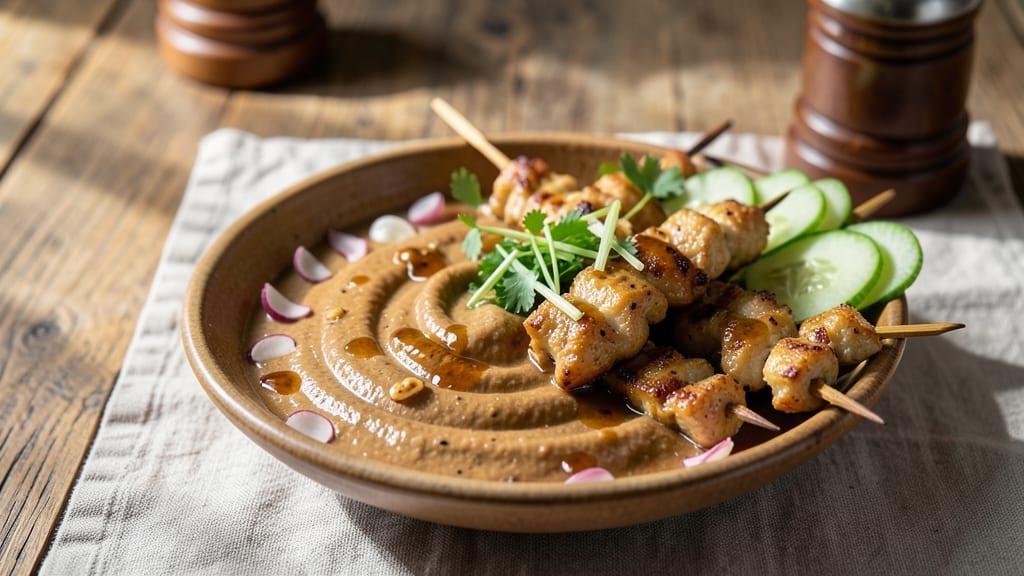
This authentic Indonesian peanut sauce recipe transforms simple dishes into bold, restaurant-quality meals with just five minutes of prep and 15 minutes of simmering.
The secret lies in balancing rich, nutty peanut butter with aromatic spices like lemongrass, garlic, and turmeric—creating a sauce that’s equally at home drizzled over satay or stirred into stir-fries.
I’ve perfected this version after years of testing, ensuring the perfect harmony of sweet, spicy, and savory notes that define Indonesian cuisine.
The foundation starts with toasted peanut butter, which deepens the flavor and adds a subtle crunch. Coconut milk and tamarind lend creaminess and tang, while fresh herbs like cilantro and kaffir lime leaves brighten the sauce with their citrusy aroma.
Unlike store-bought versions, this recipe builds flavor layer by layer—simmering the spices first, then blending everything into a smooth, velvety consistency that clings beautifully to proteins and vegetables.
What sets this sauce apart is its versatility—use it as a dipping sauce for crispy tempeh or chicken satay, a marinade for grilled meats, or a finishing touch for noodle dishes.
The balance of spices means you can adjust the heat to your preference, whether you like it mild or fiery. Once you taste the difference between this homemade version and bottled alternatives, you’ll never go back to the store-bought kind.
Ready in under 30 minutes, this sauce keeps well in the fridge for up to a week, making it perfect for meal prep. The instructions are straightforward, but the results are anything but basic—this is the kind of sauce that elevates ordinary meals into something extraordinary. Let’s get started.
Ingredients for authentic indonesian peanut sauce
Five minutes prep, 15 minutes simmering. Toasted peanut butter and aromatic spices create restaurant-quality sauce.
| Ingredient | Amount | Notes |
|---|---|---|
| Creamy Peanut Butter 🥜 | ½ cup | Natural, unsweetened preferred |
| Coconut Milk 🥥 | 1 can | Full-fat for creaminess |
| Tamarind Paste 🍯 | 2 tbsp | Adjust for tang preference |
| Fresh Lemongrass 🌿 | 3 inches | Stalks, finely chopped |
| Garlic Cloves 🧄 | 4 cloves | Peeled and minced |
| Shallots 🧅 | 2 whole | Minced or finely chopped |
| Ground Turmeric 🌶️ | 1 tsp | Freshly ground preferred |
| Cayenne Pepper 🔥 | ½ tsp | Adjust for heat preference |
| Kaffir Lime Leaves 🍋 | 3 whole | Bruised for aroma release |
| Fresh Cilantro 🌿 | ¼ cup | Stems included for flavor |
| Soy Sauce 🍶 | 1 tbsp | Dark soy preferred |
| Brown Sugar 🍚 | 1 tbsp | Light or dark preferred |
| Salt 🧂 | ½ tsp | To taste adjustment |
| Vegetable Oil 🫒 | 1 tbsp | For simmering spices |
The peanut butter is non-negotiable here—natural, unsweetened is a must for authentic flavor. Trader Joe's and Whole Foods carry excellent options, but check the ingredient list for additives. Toast it in a dry pan for 2-3 minutes until fragrant—this deepens the nutty flavor dramatically. Lemongrass is the secret aromatic; grab the fresh stalks (not paste) at Asian markets—they sell it in bundles. The shallots and garlic should be finely minced; a food processor makes this quick work. For tamarind paste, Mae Ploy is my go-to brand—it's readily available at most grocery stores.
No lemongrass? Substitute 1 tsp lemongrass paste plus 1 tsp lime juice, but you'll lose that complex aroma. Fresh kaffir lime leaves are ideal, but dried lime zest at half the amount works in a pinch. The coconut milk can be swapped for light coconut milk if you prefer less richness. For extra heat, add red chili flakes instead of cayenne. The brown sugar balances the tang—use maple syrup if you're avoiding refined sugar. Soy sauce can be swapped for coconut aminos for a gluten-free version.
This sauce thickens as it cools, so blend it right after simmering for the perfect consistency. Store in an airtight container in the fridge for up to 1 week, or freeze for 3 months. I double the batch and freeze portions—perfect for quick weeknight stir-fries. The sauce reheats beautifully; just add a splash of water or coconut milk if it thickens too much. The flavors actually improve overnight, so make extra if you can.
Why You'll Love This Recipe
- No-Fuss Base: I swear by this sauce because it’s one pot—no blender required if you’re in a rush. Just toss in the peanut butter, coconut milk, and tamarind, then let the lemongrass and garlic infuse while you cook. The hardest part? Deciding what to dip first.
- Tangy-Sweet Magic: That tamarind paste is the secret weapon—it cuts through the richness of the peanut butter and coconut milk with a bright, almost citrusy bite. Honestly? It’s the kind of balance that makes you reach for seconds without even thinking.
- Dinner Party Ready: Slather it on grilled chicken, toss it with noodles, or serve it with crispy tofu—it’s my go-to for weeknights and when friends drop by. Between us, I’ve used this sauce for everything from lazy takeout nights to impressing my in-laws. (Yes, even on a Tuesday night.)
- Pantry Staple: A single batch stretches for days—freeze half and you’ve got a flavor bomb for next month’s stir-fry. And since it’s just a handful of ingredients, it’s cheaper than takeout and way more interesting. My wallet and taste buds thank me weekly.
Step-by-step instructions for authentic Indonesian peanut sauce
Here's how to create the rich, aromatic peanut sauce that defines Indonesian cuisine.
Prepare the Aromatic Base
Heat the 1 tablespoon vegetable oil in a medium saucepan over medium heat. Add the 2 whole shallots and 4 cloves garlic cloves, cooking for 3-4 minutes until the shallots turn golden and the garlic releases its fragrant aroma. This foundational step builds the sauce's depth of flavor.
Next, add the 3 inches fresh lemongrass (finely chopped) and 3 whole kaffir lime leaves (bruised between your palms). Cook for another 2 minutes until the lemongrass softens slightly. The citrusy aroma from the lime leaves will infuse the sauce, creating that authentic Indonesian tang you crave.
Add Spices and Tamarind
Stir in the 1 teaspoon ground turmeric and 0.5 teaspoon cayenne pepper, cooking for 30 seconds until fragrant. This is where the sauce gets its signature golden color and subtle heat. Immediately add the 2 tablespoons tamarind paste and 1 tablespoon brown sugar, stirring constantly for 1 minute to dissolve the tamarind completely.
Here's the thing—tamarind can be tricky. If you notice any graininess, add 1 tablespoon warm water and whisk until smooth. The tamarind's tangy depth is essential for balancing the richness of the peanut and coconut.
Build the Sauce Foundation
Pour in the 1 can coconut milk and bring the mixture to a gentle simmer over medium-low heat. Let it cook for 5 minutes, stirring occasionally, until the coconut milk thickens slightly and the flavors meld together. You'll notice the sauce developing a beautiful golden hue from the turmeric.
This simmering step is crucial—it allows all the spices to bloom and develop their full potential. If you see any oil separating on top, gently stir it back into the sauce to maintain a consistent texture.
Incorporate the Peanut Butter
Reduce the heat to low and gradually whisk in the 0.5 cup creamy peanut butter until completely smooth. The sauce will thicken noticeably as the peanut butter melts into the coconut mixture. If it becomes too thick, thin with 1-2 tablespoons warm water to reach your desired consistency.
I like to use natural, unsweetened peanut butter here—it gives you more control over the sweetness level. If you prefer a smoother texture, strain the sauce through a fine-mesh sieve at this stage to remove any peanut skin bits.
Season and Finish
Add the 1 tablespoon soy sauce and 0.5 teaspoon salt, stirring well to combine. Taste and adjust the seasoning—you might want to add a bit more tamarind for tang or brown sugar for sweetness, depending on your preference. The sauce should be balanced between nutty, spicy, sweet, and tangy.
Finally, stir in the 0.25 cup fresh cilantro (including stems) and remove from heat. Let the sauce cool slightly before using—this allows the flavors to settle and intensify. This authentic Indonesian peanut sauce is now ready to elevate your stir-fries, satay, or grilled meats.
Pro Tips For Making Authentic Indonesian Peanut Sauce
- STIR CONSTANTLY AT FIRST: The first 2-3 minutes after adding peanut butter and coconut milk are when lumps form fastest—keep that pan moving like you’re stirring melted chocolate. I learned this the hard way when my sauce ended up with peanut butter islands that refused to blend, no matter how long I simmered.
- TOAST THE PEANUT BUTTER: Skip the jarred stuff—melt ½ cup of creamy peanut butter in the pan before adding liquids, and let it sizzle for 30 seconds until it darkens slightly. This deepens the nutty flavor and cuts through the sweetness of store-bought peanut butter (which is often watered down).
- STRAIN THE TAMARIND: Tamarind paste is full of fibrous bits that turn your sauce gritty. After dissolving it in warm water, strain it through a fine-mesh sieve—even if it means stopping the cooking for 30 seconds. That extra step makes the sauce silky, not sandy.
- BLANCH THE LEMONGRASS: Slit the lemongrass stalks lengthwise and blanch them in boiling water for 10 seconds before adding to the pan. It mellows the grassy bite and makes extraction easier—no need to overcrowd the pot later. (Yes, even if you’re impatient like me.)
Serving suggestions for this dish
Satay Dipping Sauce
This peanut sauce is the ultimate dipping companion for grilled satay skewers. Serve it warm in a small bowl with toothpicks for easy scooping. I like to pair it with chicken or beef satay—the nutty richness cuts through the smoky charred flavors beautifully.
For extra authenticity, garnish with crushed peanuts and a sprinkle of fresh cilantro. 🥜
Stir-Fry Elevator
Use this sauce as the base for your next stir-fry, adding it at the end to coat the vegetables and protein. I recommend tofu, chicken, or shrimp—the sauce clings perfectly to absorb the flavors.
Toss in bell peppers, snap peas, and carrots for a colorful, nutrient-packed dish. For a smoky twist, add a dash of chili oil before serving.
Noodle Bowl Topper
Transform simple noodles into a restaurant-worthy meal by drizzling this sauce over rice noodles, udon, or ramen. Top with grilled chicken, steamed greens, and a soft-boiled egg for a balanced bowl. The sauce’s tangy-sweet balance makes it ideal for Vietnamese pho-inspired dishes or Indonesian mie goreng. 🍜
Grilled Protein Glaze
Brush this sauce onto grilled chicken, pork, or fish during the last 5-7 minutes of cooking for a sticky, flavorful glaze. The peanut and coconut milk caramelize beautifully, creating a glossy finish. I love using it on salmon or mahi-mahi—the sauce adds a tropical twist to seafood dishes.
Tempeh Dipper
Crispy tempeh becomes irresistible when dipped in this sauce. Marinate the tempeh in soy sauce and garlic before pan-frying for extra flavor. The sauce’s creamy texture contrasts perfectly with the tempeh’s firm bite. Serve with steamed rice and pickled vegetables for a complete meal.
Meal Prep Hack
Double the batch and store it in airtight containers for up to 5 days in the fridge or 3 months in the freezer. Thaw overnight in the fridge before using.
I use this sauce as a quick weeknight base for stir-fries or satay—just reheat with a splash of water or coconut milk to loosen the texture. ✨
Nutrition facts
Frequently asked questions
Can I make this sauce without fresh lemongrass?
Yes, but you'll lose some authentic aroma. Substitute with 1 teaspoon lemongrass paste plus 1 teaspoon lime juice for a similar citrusy note. For extra depth, add a pinch of citric acid or more lime zest. The sauce will still taste great, just slightly different in complexity.
How do I adjust the heat level in this peanut sauce? Start by reducing the cayenne pepper to ¼ teaspoon for mild heat, or increase to 1 teaspoon for spicy. For extra kick, add 1 teaspoon sambal oelek or red chili flakes at the end.
Why does my sauce look too thick or grainy?
Thick sauce? Thin with 1-2 tablespoons warm water or coconut milk while blending. Grainy texture usually means undissolved tamarind—whisk in 1 tablespoon warm water and blend again. For ultra-smooth results, strain through a fine-mesh sieve after cooking. The sauce will thicken as it cools, so adjust before serving.
Can I use powdered peanut butter instead of creamy?
Not recommended! Powdered peanut butter lacks the rich, creamy texture and depth of flavor. If you must substitute, use ½ cup creamy peanut butter plus 1 tablespoon peanut oil to mimic the consistency. The sauce will still be delicious but won't have that authentic velvety quality.
How long will this sauce keep, and can I freeze it?
Store in an airtight container in the fridge for up to 1 week or freeze for 3 months. Thaw overnight in the fridge—never at room temperature. The sauce actually improves overnight as flavors meld. For best results, reheat gently with a splash of water or coconut milk to restore consistency.