
Sauces & Condiments
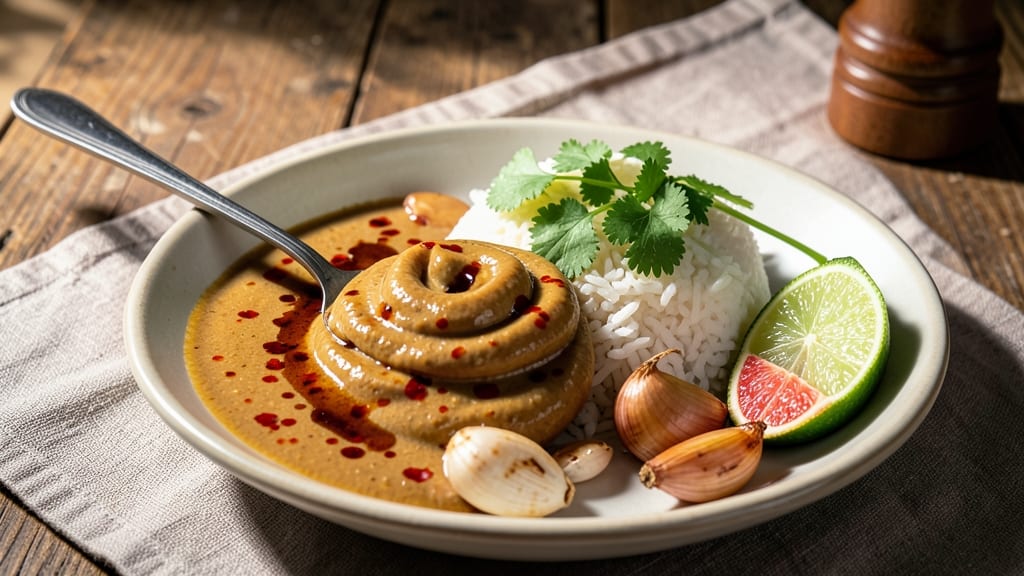
This Bali peanut sauce recipe delivers the perfect harmony of nutty, sweet, and aromatic flavors that elevate everything from stir-fries to noodle bowls. 🌟 The secret lies in balancing rich peanut butter with coconut milk and a blend of warm spices like turmeric and coriander, creating a sauce that's creamy yet complex.
I developed this version after years of experimenting with Balinese satay sauces, simplifying the process without sacrificing depth.
The foundation starts with toasted shallots and garlic, which build a fragrant base before peanut butter and coconut milk come together for that signature creamy texture. A touch of tamarind or lime juice brightens the sauce, preventing it from becoming too heavy.
The sauce thickens beautifully when simmered, making it ideal for drizzling or dipping—no lumps or grittiness in sight.
What makes this sauce truly special is its versatility. Use it as a satay dipping sauce, a vibrant topping for rice bowls, or a flavorful glaze for grilled meats and tofu. The nutty richness pairs perfectly with vegetables, noodles, and even fresh spring rolls.
Once you taste the balance of sweet, savory, and aromatic notes, you'll reach for this sauce again and again.
Ready in just 15 minutes with pantry staples, this recipe transforms simple ingredients into something extraordinary. The best part? It keeps well in the fridge for up to a week, so you can make a big batch and enjoy it all week long. Let's get started!
Ingredients for bali peanut sauce
Pantry staples meet bold flavors—just 10 ingredients for creamy, nutty perfection.
| Ingredient | Amount | Notes |
|---|---|---|
| Natural Peanut Butter 🥜 | ½ cup | Creamy, unsweetened preferred |
| Coconut Milk 🥥 | 1 cup | Full-fat canned for creaminess |
| Shallots 🧅 | ¼ cup | Finely minced, toasted |
| Garlic Cloves 🧄 | 4 cloves | Minced, toasted with shallots |
| Lime Juice 🍋 | 2 tbsp | Freshly squeezed, bright flavor |
| Soy Sauce 🍶 | 2 tbsp | Light or tamari for gluten-free |
| Brown Sugar 🍯 | 1 tbsp | Packed for sweetness |
| Ground Turmeric 🌿 | ½ tsp | Fresh root preferred if available |
| Ground Coriander 🌿 | ½ tsp | Fresh seeds ground if possible |
| Red Chili Flakes 🌶️ | ½ tsp | Adjust for heat preference |
The peanut butter is non-negotiable here—natural, unsweetened gives the best flavor without masking the other spices. Trader Joe's and Whole Foods carry excellent brands, but any good store should have a quality option. Toasting the shallots and garlic (in a dry pan for 2-3 minutes) builds that fragrant base that makes the whole sauce sing. I always grab extra lime juice—it brightens the sauce and prevents it from getting too heavy. Look for fresh limes at Latin markets if you want the most vibrant flavor, but grocery store limes work fine too.
No peanut butter? Almond butter or cashew butter works in a pinch, though the flavor will be subtly different. Short on coconut milk? Substitute with light coconut milk plus 1 tbsp extra peanut butter to keep it rich. The brown sugar can be swapped for maple syrup or coconut sugar if you prefer. For extra depth, add a pinch of white pepper or cinnamon. The chili flakes are optional—skip them if you're sensitive to heat, but I always include them for that signature kick. Fresh turmeric and coriander make a world of difference if you've got them, but the ground versions work just fine.
This sauce thickens as it sits, so stir well before using. Keeps for 1 week in the fridge, sealed tightly. The texture actually improves after a day or two—let it sit overnight if you can. Freezes beautifully for 3 months if you want to make a big batch. I like to portion it into small jars so I can grab just what I need for a quick stir-fry or noodle bowl.
Why You'll Love This Recipe
- Pantry Magic: I swear by this one—no special shopping trips needed. Just grab what’s already there: that jar of peanut butter gathering dust, a can of coconut milk you’ve been meaning to use, and a few basics. Honestly, I’ve made this three times with whatever was in my fridge, and it never fails.
- Rich & Tangy: That first bite? Creamy peanut butter meets bright lime juice—it’s like a hug for your taste buds. The shallots and garlic caramelize just enough to add depth, while the coconut milk keeps it velvety smooth. Between us, it’s the kind of sauce that makes you lick the bowl.
- Weeknight Workhorse: Slather it on grilled chicken, toss it with noodles, or drizzle it over veggies—this stuff plays well with everyone. I’ll be real: it’s my go-to when I’m too tired to plan dinner but still want something restaurant-worthy. Even my picky-eater kid asks for seconds.
- Budget-Friendly Leftovers: A single batch stretches across three meals for me. The sauce thickens beautifully when refrigerated, so I just reheat it with a splash of water. Not the prettiest, but the taste makes up for it—and my wallet thanks me every time.
Step-by-step instructions for Bali peanut sauce
This vibrant sauce brings rich, nutty depth to every dish—let's make it together.
🍳 Step 1: Toast the Aromatics for Deep Flavor
Heat a small skillet over medium heat and add the 0.25 cup finely minced shallots and 4 cloves minced garlic cloves. Cook for 3-4 minutes until the shallots turn golden brown and the garlic releases its fragrant aroma. You'll see them soften and smell like a Balinese market stall—this toasting builds the sauce's complex foundation.
Real talk: Don't rush this step. The golden color means caramelization has begun, which adds sweetness and depth. If they start to brown too quickly, reduce the heat slightly. Once fragrant, transfer the aromatics to a small bowl and set aside—we'll use them in the next step.
👨🍳 Step 2: Create the Peanut-Coconut Base
In the same skillet (no need to clean it—those browned bits add flavor), add the 0.5 cup natural peanut butter and stir over low heat for 2 minutes until it melts completely. The peanut butter should transform from solid to smooth, creating a rich, nutty base. If it thickens too much, add 1-2 tablespoons of water to loosen it.
Now pour in the 1 cup coconut milk and stir vigorously. You'll see the mixture transform into a creamy, golden sauce. This is where the magic happens—the peanut butter and coconut milk combine to create that signature velvety texture. Keep stirring for another 1 minute until everything is fully incorporated.
🍳 Step 3: Build the Sauce with Sweet and Spicy Layers
Return the toasted shallots and garlic to the skillet and add the 2 tbsp lime juice, 2 tbsp soy sauce, 1 tbsp packed brown sugar, 0.5 tsp ground turmeric, 0.5 tsp ground coriander, and 0.5 tsp red chili flakes. Stir well to combine all ingredients, scraping up any browned bits from the bottom of the pan—this is where the real flavor lives.
Bring the mixture to a gentle simmer over medium-low heat and let it cook for 5-7 minutes, stirring occasionally. You'll notice the sauce thicken slightly as the liquid reduces. Taste as you go—this is where you can adjust the balance. Want it sweeter? Add a pinch more brown sugar. Need more heat? Stir in a bit more red chili flakes. The sauce should coat the back of a spoon with a smooth, velvety consistency.
⏰ Step 4: Finish and Adjust to Perfection
Once the sauce reaches your desired consistency, remove it from heat. Here's the thing—this sauce tastes even better after it sits for 10-15 minutes as the flavors meld together. If it's too thick after cooling, thin it with a splash of warm water or a bit more coconut milk. If it's too thin, simmer it uncovered for another 2-3 minutes to reduce it further.
For the ultimate experience, strain the sauce through a fine-mesh sieve to remove any lumps and achieve a silky texture. Taste one final time and adjust seasoning if needed. The perfect Bali peanut sauce should have a perfect balance of nutty richness from the peanut butter, creamy texture from the coconut milk, a touch of sweetness from the brown sugar, and a bright, tangy kick from the lime juice and chili flakes.
Pro Tips For Making Bali Peanut Sauce
- Fry Shallots Low and Slow: I learned this the hard way—crispy fried shallots taste amazing, but they burn faster than you think. Keep your pan on medium-low heat and stir constantly with a spoon, not a spatula (they’ll stick). If they darken too quickly, pull the pan off heat for 10 seconds and let them cool slightly. You want golden, not black.
- Use Unsalted Peanut Butter: Salted peanut butter throws off the balance of this sauce—trust me, you’ll taste it. If you’re stuck with salted, reduce the added salt in the recipe by half. And for heaven’s sake, don’t skip the natural kind (no hydrogenated oils). The texture and flavor are night and day.
- Blend Coconut Milk First: Dump the whole can of coconut milk into the blender before adding peanut butter. This prevents clumping and ensures a silky, lump-free sauce. If you’re lazy like me, strain it through a fine-mesh sieve afterward—it’s worth the extra 30 seconds for that restaurant-quality smoothness.
- Toast Garlic Until It Smells Like Heaven: Raw garlic in this sauce tastes harsh. Cook the minced cloves in oil until they’re golden and fragrant—about 2-3 minutes on medium heat. If they start to brown too fast, pull them out early. The aroma tells you when it’s done, not the color. (Yes, even if you’re impatient like me.)
Regional styles of bali peanut sauce
Balinese Satay Sauce
The original inspiration for this sauce comes from Balinese satay, where it's traditionally drizzled over grilled skewers of chicken or beef. The key difference in this version is the addition of toasted shallots and garlic for extra depth, a technique I picked up from visiting local warungs in Ubud.
The sauce is slightly thicker than traditional satay sauce, making it perfect for both dipping and drizzling. 🌶️
In Bali, satay sauce often includes kecap manis (sweet soy sauce), which you can substitute for the regular soy sauce here. For an authentic touch, add 1 tsp of grated fresh ginger along with the shallots and garlic.
The Balinese version also sometimes includes a pinch of white pepper for warmth, which pairs beautifully with the peanut and coconut flavors.
Thai-Inspired Adaptation
This sauce shares roots with Thai peanut sauce, particularly the pad pak boong style, but with Balinese spices like turmeric and coriander. The Thai version often includes fish sauce instead of soy sauce, which adds a deeper umami punch.
For a Thai twist, swap the soy sauce for 2 tbsp fish sauce and add 1 tsp of palm sugar for a more authentic balance. 🍛
Thai peanut sauce also frequently incorporates lemongrass and kaffir lime leaves, which you can steep in the warm sauce for 5 minutes before removing them. This adds a bright, citrusy aroma that complements the peanut perfectly.
If you can't find kaffir lime leaves, a few drops of kaffir lime zest will work in a pinch.
Modern Fusion Twist
For a contemporary take, I like adding 1 tbsp of tahini to the peanut butter base for extra creaminess and a nutty depth. This fusion version works beautifully as a drizzle for grain bowls or a dipping sauce for veggie spring rolls.
The tahini also adds a subtle bitterness that balances the sweetness of the brown sugar. ✨
Another modern adaptation is to include 1 tsp of miso paste when building the sauce. The umami from the miso enhances the peanut and coconut flavors while adding a savory complexity. This version pairs exceptionally well with grilled halloumi cheese or seared tofu for a vegetarian-friendly option.
Indonesian Street Food Style
In Indonesian street food culture, peanut sauce is often served as a dipping sauce for fried snacks like tempeh goreng or pisang goreng. For this version, increase the chili flakes to 1 tsp and add ½ tsp of ground cumin for a smoky depth.
The sauce should be slightly chunkier to handle the crispy textures of fried foods. 🍟
For an extra authentic touch, finish the sauce with a sprinkle of crushed peanuts on top. This adds texture and a nutty crunch that's characteristic of street food peanut sauces. Serve it alongside fried chicken, tofu, or even sweet potato fries for a true Indonesian-inspired meal.
Nutrition facts
Frequently asked questions
Can I make this sauce without peanut butter?
For a nut-free version, substitute with 1/2 cup almond butter or cashew butter, though the flavor will be subtly different. You may need to add 1-2 tablespoons of water to achieve the same creamy consistency since nut butters vary in thickness. The sauce will still taste delicious but with a slightly lighter texture.
How do I adjust the heat level in this sauce?
The recipe includes 0.5 teaspoon of red chili flakes as a baseline, but you can easily adjust it. For mild heat, reduce to 1/4 teaspoon or omit completely. For spicy kick, increase to 1 teaspoon or add 1/2 teaspoon of fresh chili paste. Always taste before serving to achieve your preferred level.
Why does my sauce look grainy after blending?
Graininess often happens when peanut butter isn't fully melted or when ingredients aren't properly incorporated. To fix it, strain the sauce through a fine-mesh sieve for a silky texture. For prevention, melt the peanut butter thoroughly over low heat and whisk vigorously when combining with coconut milk. A quick 10-second blend with an immersion blender also helps.
Can I use this sauce as a marinade?
While this sauce is delicious as a dipping sauce or glaze, it's not ideal for marinating due to its coconut milk content, which can spoil faster. Instead, use it as a post-cooking drizzle or mix 1/4 cup of the sauce with 1/4 cup yogurt for a lighter marinade. Always refrigerate any unused portion within 2 hours of cooking.
What's the best way to store leftover sauce?
Store in an airtight container in the fridge for up to 1 week. The sauce actually improves in flavor after 24 hours as the spices meld. For longer storage, freeze in 1-tablespoon portions for easy use. Thaw overnight in the fridge before reheating gently on low heat with a splash of water to restore creaminess.