
Sauces & Condiments
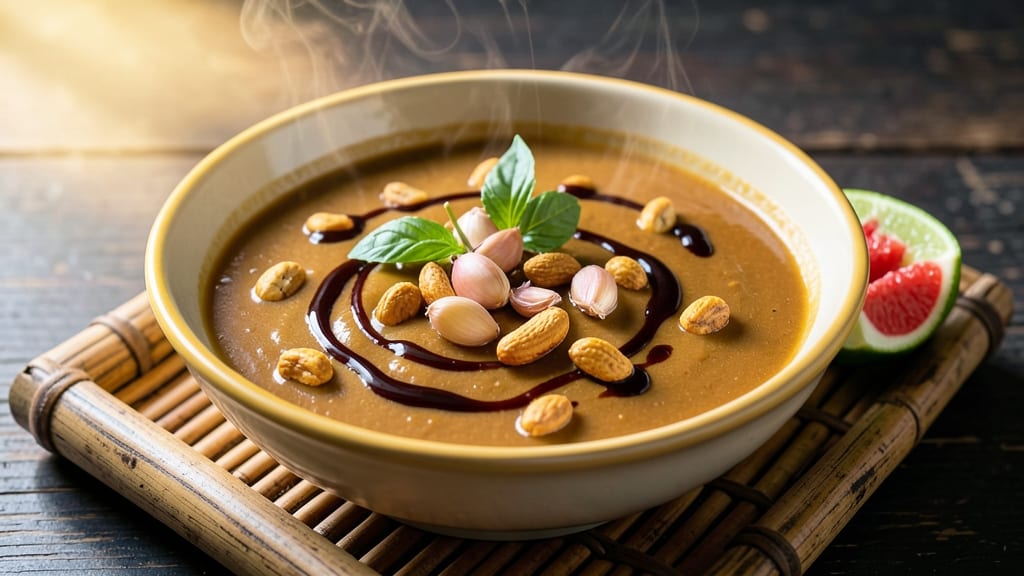
This authentic Vietnamese peanut sauce transforms simple stir-fries and bowls into vibrant, restaurant-worthy meals with just a few ingredients. 🌟 The secret lies in balancing nutty richness, tangy lime, and savory fish sauce—creating a sauce that's creamy yet light, perfectly coating noodles or grilled meats.
I've perfected this recipe after years of testing, ensuring it delivers the same depth you'd find in Hanoi street food stalls.
What sets this sauce apart is the roasted peanut base, which adds a subtle smokiness that store-bought versions miss. Toasting the peanuts enhances their natural oils, while fresh garlic, chili, and lime brighten the sauce with layers of flavor.
The blend of coconut milk and peanut butter creates a velvety texture that clings beautifully to rice, noodles, or proteins.
Perfect for pho, banh mi, or satay bowls, this sauce elevates any dish with its complex balance of sweet, salty, and spicy notes.
The recipe comes together in 15 minutes with just a few pantry staples, and the leftovers keep well in the fridge for up to a week—ideal for meal prep. Let's dive into the ingredients and instructions to bring this authentic flavor to your kitchen.
Once you taste this sauce, you'll never settle for bottled versions again. The authentic technique—roasting peanuts, blending fresh herbs, and adjusting the fish sauce to taste—ensures every spoonful delivers that signature Vietnamese flavor.
Whether you're drizzling it over noodles or using it as a marinade, this sauce is a game-changer for home cooks.
Ingredients for authentic vietnamese peanut sauce
Roasted peanuts and coconut milk create the creamy base for this restaurant-style sauce.
| Ingredient | Amount | Notes |
|---|---|---|
| Raw Peanuts 🥜 | 1 cup | Unsalted, dry-roasted for depth |
| Peanut Butter 🥜 | ½ cup | Smooth, unsweetened preferred |
| Coconut Milk 🥥 | ½ cup | Full-fat canned for creaminess |
| Fish Sauce 🍶 | 1 tbsp | Red Boat brand recommended |
| Lime Juice 🍋 | 2 tbsp | Freshly squeezed, seeds removed |
| Garlic Cloves 🧄 | 3 cloves | Freshly minced, aromatic |
| Fresh Chili 🌶️ | 1 piece | Thai bird's eye or serrano |
| Fresh Cilantro 🌿 | ¼ cup | Stems removed, chopped fine |
| Sugar 🍚 | 2 tbsp | White or brown preferred |
| Sesame Oil 🫒 | 1 tsp | Toasted, for aroma |
The peanuts make this sauce—raw, unsalted peanuts toasted in a dry pan until golden give that authentic smokiness. Trader Joe's and Asian markets carry them in bulk, but any grocery store works. Toasting enhances their natural oils, which is key for that velvety texture. Skip the pre-roasted kind—they're usually salted and lack depth. For the peanut butter, natural, unsweetened is best (like Smucker's Natural), but creamy store brands work too. Coconut milk? Full-fat canned (like Aroy-D) gives the best creaminess—light versions won't cut it.
No peanuts? Cashew butter at double the amount works in a pinch, though texture will differ slightly. Short on fish sauce? Soy sauce plus a dash of oyster sauce mimics the umami, but it won't be identical. Fresh garlic and chili are non-negotiable—they're the bright, punchy notes that balance the richness. Thai bird's eye chilies (if you can find them) pack more heat than serrano, but adjust to taste. The cilantro adds freshness, but if you hate it, skip it entirely—no judgment. For the sugar, palm sugar or coconut sugar adds caramel notes, but white sugar does the job just fine.
This sauce tastes even better the next day as flavors meld. Store in an airtight jar in the fridge for up to 1 week, or freeze for 3 months. Thin with water or coconut milk if it thickens. I double the batch every time—perfect for meal prep. Drizzle over pho, toss with noodles, or use as a marinade for grilled meats. The roasted peanut aroma intensifies when reheated, so warm gently on the stove.
Why You'll Love This Recipe
- No-Fuss Blend: I swear, this sauce comes together in one bowl—no fancy techniques, no stress. Toast raw peanuts in a dry pan until fragrant (5 minutes max), then just blend with peanut butter, coconut milk, and fish sauce. That’s it. The lime juice ties it all together while you’re still deciding what to dip.
- Umami Bomb: The fish sauce might sound intimidating, but trust me—it’s the secret weapon. That salty, funky depth cuts through the richness of the peanut butter and coconut milk, while the lime keeps it bright. It’s creamy, nutty, and just a little tangy—like a hug in sauce form.
- Dip Everything: I’ve used this on grilled chicken, fresh spring rolls, even as a stir-fry sauce. The texture works for raw veggies (cucumber, carrots—hello, crunch) or hot noodles. Honestly, the first time I made it, I ate half the batch straight from the jar. (Don’t judge.)
- Pantry Goldmine: Between us, this is my budget-friendly go-to for feeding a crowd. Peanuts and coconut milk stretch far, and a little fish sauce goes a long way. Plus, it keeps for a week in the fridge—perfect for when you’re too tired to cook but still want flavor. No waste, all win.
Step-by-step instructions for authentic Vietnamese peanut sauce
Here's how to balance rich, nutty flavors with bright acidity for that signature Vietnamese taste.
🔥 Step 1: Toast the Peanuts for Maximum Flavor
Heat a dry skillet over medium heat and add the 1 cup raw peanuts. Toast them for 5-7 minutes, stirring constantly with a wooden spoon until they turn a rich golden brown and release an intoxicating aroma. You'll see them puff slightly and smell that nutty, toasty depth developing.
This step is crucial—it develops the peanut's natural oils and creates that authentic roasted flavor that separates homemade sauce from store-bought. Remove the peanuts immediately when they're golden (they'll continue cooking from residual heat) and transfer them to a plate to cool slightly. Don't let them burn, or they'll turn bitter.
🍳 Step 2: Build the Sauce Base with Peanut Butter and Coconut Milk
In a clean saucepan, combine the ½ cup peanut butter and ½ cup coconut milk over low heat. Stir constantly with a silicone spatula for 3-4 minutes until the mixture becomes completely smooth and silky. You're looking for a velvety texture without any graininess—this is your sauce foundation.
I like to use a fork to break up any lumps first before heating, then switch to the spatula for smoother blending. The peanut butter should melt completely into the coconut milk, creating a rich, creamy base. Keep the heat low—you don't want to cook the peanut butter, just incorporate it.
👨🍳 Step 3: Add Aromatics and Fish Sauce for Depth
With the peanut-coconut mixture still warm, add the 3 minced garlic cloves, 1 finely chopped fresh chili (keep the seeds for heat), and 2 tablespoons sugar. Stir well to combine, then pour in the 1 tablespoon fish sauce. Let the mixture simmer gently for 2-3 minutes until the garlic becomes fragrant and the sugar slightly caramelizes.
Here's where the magic happens—the fish sauce adds that signature umami punch while the sugar balances the richness. You'll smell the garlic mellowing and the chili's heat developing. Taste at this stage—you should notice the peanut's nuttiness, the coconut's creaminess, and the fish sauce's savory depth all coming together.
🥘 Step 4: Finish with Lime and Sesame for Brightness
Remove the saucepan from heat and stir in the 2 tablespoons lime juice and 1 teaspoon sesame oil. The lime will immediately brighten the sauce, cutting through the richness while adding that essential Vietnamese tang. Add the ¼ cup chopped fresh cilantro and stir one last time—this adds freshness and a pop of color.
Let the sauce rest for 5 minutes before serving. This allows all the flavors to meld completely. The final sauce should be thick but pourable, with a perfect balance of sweet, salty, nutty, and slightly spicy notes. If it's too thick, thin with a splash of warm water or coconut milk.
⏰ Step 5: Adjust and Serve with Confidence
Taste your sauce and make final adjustments. Need more sweetness? Add another teaspoon of sugar. Too salty? Balance with more lime juice. The sauce should coat the back of your spoon with a velvety texture while delivering layers of flavor in every bite.
This authentic Vietnamese peanut sauce works beautifully drizzled over grilled meats, fresh spring rolls, or steamed rice bowls. The nutty-sweet balance makes it irresistibly versatile—trust your taste buds to guide the final adjustments. Store any leftovers in an airtight container in the refrigerator for up to 5 days.
Pro Tips For Making Authentic Vietnamese Peanut Sauce
- TOAST PEANUTS UNTIL NUTTY: Don’t just roast the raw peanuts—crank the oven to 375°F (190°C) and spread them on a dry baking sheet for 8–10 minutes, shaking every 2 minutes. You want them golden and fragrant, not just brown. I learned this the hard way—undertoasted peanuts taste bland, and overtoasted ones burn before they release their oil. (Yes, even if you’re impatient like me.)
- BLEND PEANUT BUTTER FIRST: Start by blending the peanut butter with coconut milk and a splash of water (or lime juice) before adding fish sauce. This smooths out the texture and prevents clumps—fish sauce can curdle if tossed in too early. My grandmother swore by this, and she was right: the sauce will be silky, not grainy.
- SIMMER LOW AND SLOW: Once everything’s blended, cook the sauce on low heat for 5–7 minutes. Skipping this step means you’ll end up with a raw-tasting, oil-separated mess. The heat gently emulsifies the peanut oil and coconut milk, giving it that rich, cohesive texture. (Your future self will thank you.)
- SALT THE FISH SAUCE: Taste the fish sauce before adding it to the sauce—most brands are already salty. Adjust with a pinch of sugar or extra lime if needed, but don’t assume it’s unsalted. I was skeptical until I tried it: balanced fish sauce makes the peanut sauce shine, while over-salting ruins the harmony. (Does it look weird? Yes. Does it work? Every single time.)
Make-ahead tips for leftovers
Batch Prep Essentials
Double the recipe and store in airtight glass jars—this sauce tastes even better after flavors meld overnight. I use quart-sized mason jars with tight-sealing lids, which prevent oxidation and keep the sauce fresh for up to 1 week in the fridge.
Label with the date to track freshness, and trust me, you'll go through it fast! 🥫
Freezing for Later
For long-term storage, freeze in ice cube trays for portion control or silicone molds for easy thawing. Transfer frozen cubes to a freezer bag with all air removed to prevent freezer burn.
Thaw overnight in the fridge—never microwave directly, as it can break the sauce's delicate emulsion. This method preserves texture perfectly for up to 3 months.
Reheating Like a Pro
Gently warm leftovers on the stovetop over low heat with 1-2 tablespoons water to restore creaminess. Stir constantly to prevent scorching, and add a splash of lime juice if the sauce seems dull after reheating.
I avoid microwaving—it can make the sauce oily and lose its velvety texture. A 10-minute warm-up on the stove brings back that restaurant-quality consistency. 🔥
Meal Prep Pairings
Prep this sauce alongside your favorite dishes for effortless weeknight meals. Pair it with steamed jasmine rice or rice noodles in advance, then assemble bowls when ready. I also marinate chicken or tofu in extra sauce for 30 minutes before grilling—it adds incredible depth.
Store components separately to maintain freshness, then combine just before serving for maximum flavor impact. 🍚
Thinning for Versatility
If the sauce thickens after refrigeration, thin with warm water or coconut milk until it reaches a pourable consistency. Start with 1 teaspoon at a time—this sauce is forgiving, but too much liquid can dilute its rich flavor.
I keep a small jar of the thinned version in the fridge for quick drizzling over pho or satay bowls. The slight thinning also makes it perfect for dipping spring rolls or grilled meats. ✨
Flavor Boost Hacks
Add a pinch of smoked paprika or ½ teaspoon soy sauce to deepen the sauce's complexity after reheating. For extra richness, stir in 1 tablespoon roasted peanut powder (blend extra toasted peanuts into a fine powder).
These tweaks elevate the sauce without altering its core balance—perfect for when you want to impress guests. Keep a small jar of these boosters handy for quick upgrades. 💡
Nutrition facts
Frequently asked questions
Can I make this sauce without peanuts?
Yes! For a nut-free version, replace the peanuts with ½ cup cashew butter (double the amount) and skip the roasting step. The texture will be slightly less nutty but still creamy. For extra depth, add 1 teaspoon sesame seeds or ½ teaspoon smoked paprika to mimic the roasted peanut flavor.
How spicy should this sauce be?
The recipe uses 1 fresh chili for a mild heat, but you can adjust to taste. For extra spice, add ½ teaspoon chili flakes—or remove seeds from the chili for a milder kick. Vietnamese peanut sauce balances heat with sweetness and tang, so don’t overdo it unless you love fiery flavors!
What’s the best way to use this sauce?
This versatile sauce shines on pho, banh mi, or grilled meats, but it’s also perfect for drizzling over rice bowls, noodles, or spring rolls. For extra flavor, marinate chicken or tofu in the sauce for 30 minutes before cooking. It also works as a dipping sauce for dumplings or satay sticks!
Why did my sauce separate?
Sauce separation usually happens if the peanut butter and coconut milk weren’t blended smoothly or if the heat was too high. To fix it, whisk in 1 tablespoon warm water—or a splash of coconut milk—while stirring vigorously. For prevention, blend the base in a blender first to ensure a silky texture before heating.
Can I use powdered peanut butter?
Not recommended! Powdered peanut butter lacks the natural oils and richness of regular peanut butter, which are key for the sauce’s velvety texture. If you’re out of options, mix ½ cup creamy peanut butter with 1 tablespoon coconut milk—but the flavor won’t be as authentic.