
Sauces & Condiments
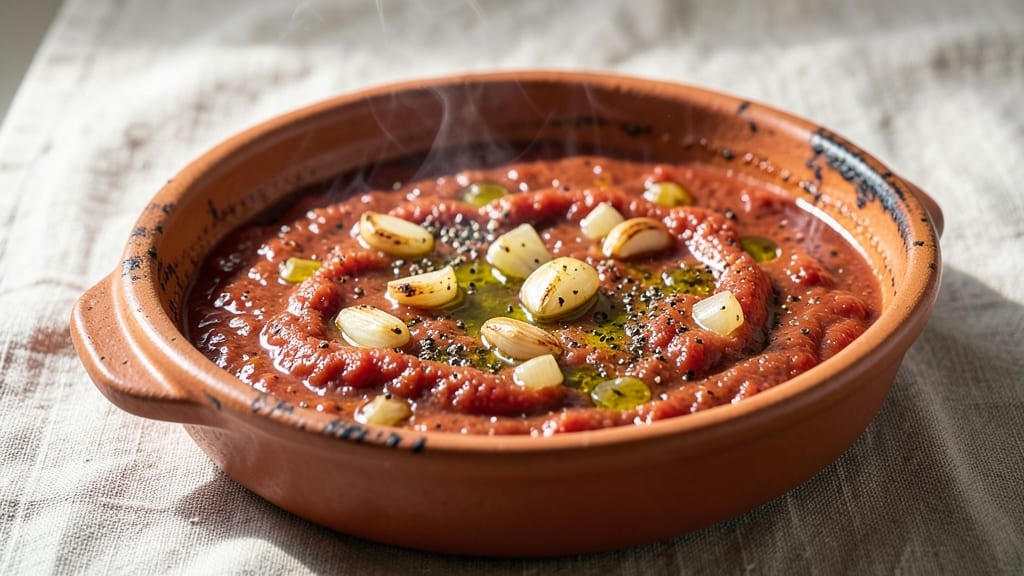
This Andalusian sauce recipe transforms simple pantry staples into a smoky, aromatic base that elevates everything from grilled meats to hearty stews. The secret lies in slow-cooked garlic, deep-red tomatoes, and a blend of sweet and smoky paprika that builds rich, complex flavors over time—no shortcuts, just depth.
I developed this version after years of testing, refining it to balance heat, sweetness, and earthiness in every spoonful.
The sauce begins with a sofrito—slow-simmered garlic, onions, and tomatoes—that forms the foundation. Toasted paprika and cumin add warmth, while a splash of sherry vinegar brightens the richness.
What makes this sauce special is its versatility: it works as a marinade, stew thickener, or even a dipping oil for crusty bread. The texture is velvety yet vibrant, with just enough body to cling to proteins or grains without overpowering them.
By the time you’ve finished reducing the sauce, you’ll have a concentrated, flavor-packed liquid that transforms ordinary dishes into something extraordinary. The aroma alone—smoky, garlicky, with a hint of sweetness—will have your kitchen smelling like a Spanish tapas bar.
This isn’t just a sauce; it’s a flavor multiplier that turns simple meals into memorable ones.
Store it in the fridge for up to a week or freeze for months—its flavors only deepen with time. Whether you’re cooking for a crowd or prepping for the week, this Andalusian sauce delivers restaurant-quality depth with minimal effort. Let’s get started on creating your own.
Ingredients for andalusian sauce
Pantry staples plus a few specialty touches—this sauce builds bold flavors from simple ingredients.
| Ingredient | Amount | Notes |
|---|---|---|
| Extra-Virgin Olive Oil 🫒 | ½ cup | High-quality, fruity variety |
| Garlic Cloves 🧄 | 6 whole | Peeled, lightly crushed |
| Yellow Onion 🧅 | 1 whole | Medium size, finely chopped |
| San Marzano Tomato Paste 🍅 | ½ cup | High-quality, no sugar added |
| Sweet Paprika 🌶️ | 2 tbsp | Toasted for deeper flavor |
| Smoked Paprika 🌶️ | 1 tbsp | For authentic smokiness |
| Ground Cumin 🌿 | 1 tsp | Freshly toasted preferred |
| Sherry Vinegar 🍷 | 1 tbsp | For brightness and depth |
| Sea Salt 🧂 | 1 tsp | Diamond Crystal preferred |
| Freshly Ground Black Pepper 🌶️ | ½ tsp | For subtle heat |
The olive oil is your flavor base, so look for extra-virgin with fruity notes—none of that cheap, bitter stuff. Garlic and onion are the foundation, so fresh is non-negotiable—no powdered shortcuts here. San Marzano tomato paste is worth the splurge; its sweetness and consistency make all the difference. For the paprika, toast it lightly in a dry pan until fragrant—this deepens the smoky flavor. I grab my spices from Penzeys or the bulk bins at Whole Foods—they stay fresh longer and pack more punch.
No sherry vinegar? Substitute balsamic vinegar at half the amount, though it won’t be quite the same. Running out of smoked paprika? Add a pinch of liquid smoke or swap in extra sweet paprika with a dash of cayenne. The cumin is non-negotiable—it’s what gives that earthy depth—but if you’re avoiding it, try coriander instead at the same ratio. For the tomatoes, if you can’t find San Marzano, any high-quality canned tomatoes will work, just strain out the seeds. And if you’re short on time, pre-minced garlic is fine, though fresh is always better.
This sauce only gets better with time—let it sit overnight if you can. In the fridge, it keeps for up to 2 weeks, and freezes beautifully for 6 months. I always make a double batch; one for immediate use and one to freeze. To reheat, just warm gently on the stove and stir in a splash of water if it thickens too much. The aroma alone will have your kitchen smelling like a Spanish tapas bar—worth every minute.
Why You'll Love This Recipe
- Pantry-Friendly Magic: I swear by this sauce because it lives in my fridge for weeks—just add water to revive it. The San Marzano paste keeps it rich without spoiling fast, and the paprika adds that warm, smoky kick that never fades.
- Garlic-Paprika Bomb: That first spoonful? Pure flavor explosion. The sweet paprika and raw garlic in olive oil caramelize into something so addictive, I’ve caught myself sneaking bites straight from the pan.
- Weeknight Superhero: Dinner parties? Meal prep? Weeknight pasta? This sauce handles it all—toss it with grilled chicken, slather it on toast, or freeze it for lazy days. It’s my secret weapon for looking effortless.
- Budget Stretch: A single jar of tomato paste and a bag of onions feed me for days. The olive oil’s richness makes small amounts feel luxurious, and I never regret buying the good stuff—it transforms everything.
Step-by-step instructions for Andalusian sauce
Here's how to build this rich, smoky sauce layer by layer—every step brings depth.
Sauté Onion and Garlic Until Translucent
Heat the 0.5 cup extra-virgin olive oil in a medium saucepan over medium-low heat. Add the finely chopped yellow onion and cook for 8-10 minutes, stirring occasionally, until it becomes soft and translucent. The onion should release its natural sweetness without browning.
Push the onions to the side of the pan and add the 6 whole peeled garlic cloves. Cook for 1-2 minutes until they're fragrant but not browned—this prevents bitterness. Here's the thing: if the garlic starts to sizzle too aggressively, reduce the heat immediately. You want aroma, not char.
Toast the Paprika and Spices for Depth
Lower the heat to low and add the 2 tablespoons sweet paprika and 1 tablespoon smoked paprika. Stir constantly for 1-2 minutes until the spices are fully incorporated and the mixture smells intensely aromatic. This toasting step develops the paprika's natural oils, creating a more complex flavor profile.
Next, add the 1 teaspoon ground cumin and stir for 30 seconds until evenly distributed. The cumin will release its earthy warmth, which pairs beautifully with the smokiness of the paprika. Keep the heat gentle—spices burn faster than you think, and burnt spices taste bitter.
Build the Sauce Base with Tomato Paste
Increase the heat to medium and stir in the 0.5 cup San Marzano tomato paste. Cook for 3-4 minutes, stirring frequently, until the mixture darkens slightly and becomes thick. The tomato paste will deepen the sauce's color and add a subtle sweetness that balances the spices.
Here's where the sauce starts coming together: the paprika's heat, the cumin's earthiness, and the tomato's richness begin to meld. If the mixture sticks to the pan, add 1 tablespoon water to loosen it. The goal is a smooth, velvety texture that coats the back of a spoon.
Finish with Vinegar and Seasonings
Pour in the 1 tablespoon sherry vinegar and stir for 1 minute until it's fully incorporated. The vinegar brightens the sauce, cutting through the richness of the spices and oil. You'll notice the mixture bubble slightly—this is normal and indicates the vinegar is working.
Finally, add the 1 teaspoon sea salt and 0.5 teaspoon freshly ground black pepper. Taste and adjust the seasoning—Andalusian sauce should be bold but balanced. If it needs more depth, add a pinch of smoked paprika. If it's too intense, a splash of water or broth will mellow the flavors.
Simmer for Maximum Flavor Development
Reduce the heat to low and let the sauce simmer uncovered for 10-15 minutes, stirring occasionally. This slow simmer allows the flavors to meld and the sauce to thicken slightly. You're looking for a consistency that coats the back of a spoon but still flows smoothly.
Real talk: the longer you simmer, the more complex the flavors become. If you're short on time, 10 minutes will give you a good base, but 15 minutes delivers restaurant-quality depth. Strain the sauce through a fine-mesh sieve if you prefer a silky texture, or leave it slightly textured for rustic character.
Pro Tips For Making Andalusian Sauce
- Sweat the Onion Low: I used to rush this step and end up with bitter, waterlogged onions—don’t. Cut the yellow onion into even ¼-inch slices and cook them over medium-low heat in the olive oil for 8-10 minutes, stirring occasionally. You want them soft and translucent, not caramelized (that’s for another day). This builds the sauce’s depth without overpowering the garlic later.
- Toast the Paprika Dry: Skip stirring the sweet paprika into the oil while it’s still hot—it’ll just burn. Instead, remove the pan from heat for 30 seconds, sprinkle in the paprika, and give it a quick toss. Return to low heat just long enough to smell that toasty aroma (about 20 seconds). This prevents bitterness and lets the flavor bloom properly.
- Bloom the Garlic Slow: After cooking the onions, add the minced garlic but don’t let it sizzle. Reduce the heat to the lowest setting and let it sit for 30 seconds before stirring—just until it’s fragrant but not golden. Overcooking garlic turns it acrid, and Andalusian sauce relies on that bright, fresh garlic punch. Patience here makes all the difference.
- Dissolve the Paste Gradually: Don’t dump the San Marzano tomato paste in all at once. Mix a spoonful with a splash of water or wine first, then whisk it into the oil mixture. Spread it out thinly over the base and let it cook for 2-3 minutes before adding any liquid. This prevents lumps and ensures the paste caramelizes slightly, deepening the sauce’s richness. (Yes, even if you’re impatient like me.)
Flavor customization for this andalusian sauce
Spice Level Control
Adjust the heat by tweaking the paprika ratio. For a milder sauce, reduce the smoked paprika to ½ tablespoon and add ½ teaspoon cayenne for subtle warmth.
If you crave fire, boost the smoked paprika to 2 tablespoons and add 1 teaspoon Aleppo pepper—this creates a smoky, medium-heat profile. I often make two batches: one for marinades and one for stews with extra heat. 🌶️
Sweet-Tangy Balance
Brighten the sauce with 1 teaspoon honey or 1 tablespoon orange juice to counterbalance the smokiness. For extra tang, increase the sherry vinegar to 2 tablespoons—this cuts through richness beautifully.
I love adding ½ teaspoon grated orange zest for a citrusy twist that pairs perfectly with grilled fish or seafood. 🍊
Herb Variations
Fresh herbs elevate this sauce instantly. Add 1 tablespoon chopped fresh rosemary or thyme during the final simmer for Mediterranean flair. For a Moroccan-inspired twist, stir in ½ teaspoon ground coriander and 1 teaspoon cinnamon—this adds warmth and complexity.
I keep dried herbs on hand but always use fresh when possible for vibrant flavor. 🌿
Texture Adjustments
For a thicker sauce, simmer uncovered for 5-10 extra minutes or add 1 tablespoon tomato paste at the end. Need it thinner? Thin with 1-2 tablespoons warm water or broth while stirring.
For a rustic texture, blend half the sauce and leave the other half chunky—this creates depth in every bite. 🥄
Umami Boosters
Deepening the umami profile transforms this sauce. Add 1 teaspoon soy sauce or ½ teaspoon fish sauce (for non-vegetarian versions) during the final simmer. For a vegetarian boost, stir in 1 tablespoon nutritional yeast or ½ teaspoon mushroom powder.
These additions add savory richness without overpowering the smoky garlic base. 🍄
Regional Twists
For a North African touch, add ½ teaspoon ground ginger and 1 teaspoon harissa paste. A Portuguese-inspired version swaps sherry vinegar for 1 tablespoon white wine vinegar and adds ½ teaspoon ground cloves.
I love experimenting with these regional blends—they keep the sauce exciting for repeat batches. 🗺️
Nutrition facts
Frequently asked questions
Can I make this Andalusian sauce without smoked paprika?
If you don't have smoked paprika, try these substitutes: ½ teaspoon liquid smoke (add at the end) or 1 extra tablespoon sweet paprika plus ¼ teaspoon cayenne for warmth. The sauce will still be delicious—just slightly less smoky. For depth, add ½ teaspoon ground coriander to mimic the earthy notes.
How long does this sauce keep, and can I freeze it?
Store in an airtight container in the fridge for up to 2 weeks, or freeze for 6 months for maximum flavor. Thaw overnight in the fridge, then reheat gently on low heat. The sauce actually improves with time—its flavors deepen as the spices meld. For best results, make a double batch and freeze half.
What's the best way to use leftover Andalusian sauce?
This versatile sauce works as a marinade for grilled meats or seafood, a base for rice or stews, or even a dipping sauce for crusty bread. Thin with broth for soups, or reduce it further for a glaze. I love drizzling it over roasted vegetables or using it as a finishing sauce for tacos. The possibilities are endless!
Why does my sauce taste bitter?
Bitter flavor usually comes from burnt garlic or spices. To fix it, add 1 teaspoon honey or 1 tablespoon orange juice to balance the bitterness. Next time, watch the garlic closely—it should be fragrant but never brown. If the sauce is too thick, thin it with water or broth. For prevention, keep the heat medium-low during the simmer.
Can I make this sauce in a slow cooker?
Yes! Sauté the onions and garlic first, then transfer everything to the slow cooker and cook on low for 4-5 hours. The slow cooker enhances the flavors even more. Stir occasionally and add water if it gets too thick. This method is perfect for hands-off cooking and creates an even deeper, more complex sauce.