
Sauces & Condiments
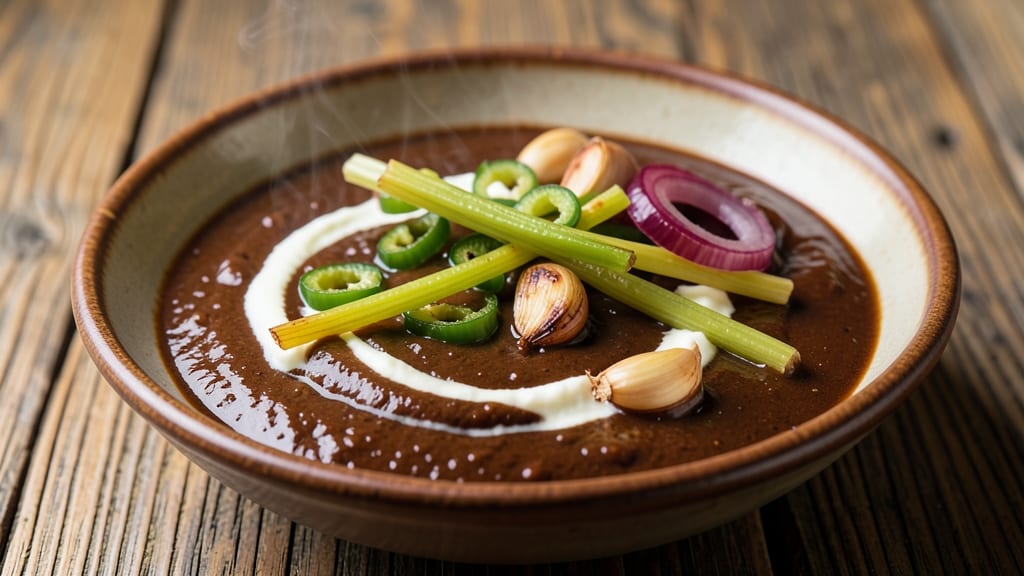
A this atchafalaya sauce recipe transforms any dish into a Cajun masterpiece with its deep, smoky roux foundation and bold Louisiana flavors. This recipe delivers the rich, complex base that defines traditional Cajun cooking—perfect for gumbo, stews, or as a standout condiment. The secret lies in a slow-cooked roux that develops nutty, caramelized depth before blending with aromatic vegetables and spices.
What sets this sauce apart is the balance of heat and depth—cayenne pepper delivers the signature kick, while thyme and bay leaves add earthy complexity. The holy trinity of bell peppers, celery, and onions builds the flavor base, simmered until their sweetness melds into the sauce.
This isn't just a condiment; it's the soul of Cajun cuisine, ready to elevate your cooking with every spoonful.
By the time you finish reducing the sauce, you'll have a velvety, aromatic liquid that coats every ingredient it touches. The roux's smoky richness pairs perfectly with the bright acidity of tomatoes and the warmth of dark stock.
Whether you're building a gumbo or drizzling it over grilled meats, this sauce delivers restaurant-quality flavor at home.
Store it in the refrigerator for up to a week or freeze for months—its flavors only deepen with time. The versatility makes it a must-have in any kitchen, transforming simple meals into bold, authentic Cajun creations. Let's create this foundation for your next culinary adventure.
Ingredients for atchafalaya sauce
This sauce starts with a smoky roux and builds bold Cajun flavors from pantry staples.
| Ingredient | Amount | Notes |
|---|---|---|
| All-Purpose Flour 🌾 | ½ cup | White or all-purpose, for roux |
| Unsalted Butter 🧈 | ½ cup | Cold, cubed for roux |
| Green Bell Pepper 🌶️ | 1 whole | Diced, for holy trinity |
| Celery Stalks 🥬 | 2 whole | Diced, for holy trinity |
| Yellow Onion 🧅 | 1 whole | Diced, for holy trinity |
| Garlic Cloves 🧄 | 3 cloves | Minced, for aromatic depth |
| Cayenne Pepper 🔥 | 1 tbsp | Adjust for heat preference |
| Dried Thyme 🌿 | 1 tsp | Or 1 tbsp fresh thyme |
| Bay Leaves 🍃 | 2 whole | For earthy complexity |
| Tomato Paste 🍅 | ½ cup | High-quality for richness |
| Dark Chicken Stock 🍲 | 2 cups | Homemade preferred |
| Salt 🧂 | 1 ½ tsp | Adjust to taste |
| Black Pepper 🌶️ | ½ tsp | Freshly ground |
| Extra-Virgin Olive Oil 🫒 | 2 tbsp | For deglazing |
The roux is non-negotiable here—it's the soul of the sauce. Use equal parts flour and butter (by weight, not volume) and cook it low and slow until it reaches a deep, nutty brown color. Whole Foods or local butchers often sell high-quality butter for this. If your roux burns, start over—it's worth the patience. The holy trinity (bell pepper, celery, onion) should be finely diced, almost paste-like, so they melt into the sauce. Trader Joe's sells pre-diced mixes that save time, but fresh is better. Look for vibrant, crisp vegetables—anything limp or discolored will taste bland.
No cayenne? Red pepper flakes at half the amount gets you close, but the heat won't be as precise. Fresh thyme is ideal, but dried works at one-third the amount. The tomato paste can be the squeeze-tube kind from Trader Joe's—it's perfect for this. For the stock, homemade is best, but store-bought works in a pinch. If you're short on time, low-sodium chicken broth with a pinch of extra salt works too. The garlic can be roasted for a sweeter flavor—just wrap the whole cloves in foil and roast at 400°F for 10 minutes before mincing. Don't skip the bay leaves—they add that unmistakable Cajun depth.
This sauce only gets better with time. Store in the fridge for up to 1 week, or freeze for 3-4 months in airtight containers. I like to portion it into ice cube trays first—just pop out what I need for each recipe. The roux flavor deepens as it sits, so if you can wait, do. If you're using it for gumbo, build the roux fresh the day before—it'll thank you. The sauce thickens as it cools, so thin with a splash of stock if needed. And for the love of Cajun cooking, label everything—this stuff looks like mud until it's finished.
Why You'll Love This Recipe
- Same recipe, different vibes: dump it over shrimp for a quick Tuesday supper or drizzle it over roasted chicken for guests. The butter and flour combo gives it that velvety finish that feels fancy, even when it’s just me and a cast-iron skillet.
- Pantry-Friendly Magic: I swear by this sauce because it turns basic ingredients into something special—just flour, butter, and the holy trinity (onion, celery, bell pepper) that most people already have lurking in their fridge.
- Rich Without Effort: That roux—thick, golden, and nutty—carries the whole dish, but the real win? The slow simmer lets the flavors meld into something deeper than takeout. Honestly, it’s the kind of sauce that makes you pause mid-bite.
- Weeknight to Dinner Party: Same recipe, different vibes: dump it over shrimp for a quick Tuesday supper or drizzle it over roasted chicken for guests. The butter and flour combo gives it that velvety finish that feels fancy, even when it’s just me and a cast-iron skillet.
Step-by-step instructions for atchafalaya sauce
Here's how to build this rich, smoky foundation that brings Cajun flavors to life.
Make the Dark Roux - The Secret to Depth
In a heavy-bottomed pot over medium heat, melt the ½ cup unsalted butter until it foams. Immediately whisk in the ½ cup all-purpose flour to form a paste. This is where the magic begins - your roux will be the flavor backbone of the sauce.
Cook the roux, stirring constantly with a wooden spoon, for 15-20 minutes until it reaches a deep chocolate brown color. You're aiming for that perfect balance between nutty and slightly burnt notes - it should smell like toasted nuts with a hint of caramel. This dark color means rich flavor, but don't let it burn or it'll taste bitter. If it starts to smoke, reduce the heat immediately.
Build the Holy Trinity for Layered Flavor
Once your roux is the perfect dark brown, add the 2 tablespoons extra-virgin olive oil to help deglaze. Immediately stir in the diced yellow onion, green bell pepper, and celery stalks - this classic Cajun combination we call the "holy trinity." Cook these vegetables for 8-10 minutes until they're soft and the onion becomes translucent.
Add the 3 minced garlic cloves and cook for another 30 seconds until fragrant. This step develops the aromatic base that will carry through your entire sauce. The vegetables should be completely tender but not browned - they'll continue cooking in the liquid. Here's where it gets fun - you'll start to smell that classic Cajun essence building.
Add Spices and Tomato Paste for Complexity
Stir in the 1 tablespoon cayenne pepper, 1 teaspoon dried thyme, and 2 bay leaves, making sure the spices are fully incorporated into the roux. Add the ½ cup tomato paste and cook for 2 minutes to let the flavors meld together. This combination of spices and tomato creates that signature Atchafalaya depth that sets it apart from other Cajun sauces.
I like to taste at this stage to check the spice level - you should feel a gentle warmth from the cayenne. If you want more heat, add a pinch more cayenne now. The tomato paste will give your sauce that rich, slightly sweet undertone that balances the spicy kick. The bay leaves will infuse earthy notes that disappear when removed later.
Simmer with Stock to Create Richness
Pour in the 2 cups dark chicken stock all at once, stirring vigorously to break up any lumps in the roux. Bring the mixture to a gentle simmer over medium-low heat, then reduce to low heat and let it cook uncovered for 30-40 minutes. This long simmering time is crucial - it allows all the flavors to develop and meld together beautifully.
As it simmers, stir occasionally to prevent sticking and to distribute the flavors evenly. You'll notice the sauce gradually thickens as the liquid reduces. The aroma should become more complex - smoky from the roux, herbal from the thyme and bay leaves, and slightly sweet from the tomato paste. This is where patience pays off - don't rush this step or you'll miss out on developing the sauce's full potential.
Season and Finish for Perfect Balance
Remove the 2 bay leaves and season the sauce with 1½ teaspoons salt and ½ teaspoon freshly ground black pepper. Taste and adjust the seasoning - you might need a bit more salt to balance the acidity from the tomato paste and the heat from the cayenne. The sauce should be well-seasoned but not overwhelmingly salty.
Let the sauce rest for 10 minutes before using it. This resting time allows the flavors to fully meld together and the sauce to reach its perfect consistency. You can use this sauce immediately or store it in the refrigerator for up to 5 days or in the freezer for up to 3 months. It's even better the next day as the flavors continue to develop.
Pro Tips For Making Atchafalaya Sauce
- Cook the trinity slow: Don’t rush the bell pepper, celery, and onion—let them simmer uncovered for 10-12 minutes until the onion turns translucent and the celery softens. I used to skip this, and the roux always tasted raw; patience here makes the sauce richer.
- Use cold butter for roux: Chill that butter first, then add it to the flour in small batches while stirring like your life depends on it. Hot butter burns before it blends, and nobody wants a bitter roux—especially when you’re this close to a perfect sauce.
- Salt the flour before roux: Mix ½ teaspoon salt into the flour before adding butter. It’s easy to forget, and the roux will taste flat if you wait until later. Trust me, your taste buds will notice the difference.
- Deglaze with stock, not water: After browning the trinity, splash in 1 cup of chicken or seafood stock instead of water—it adds depth right from the start. Water makes the sauce taste like… well, water. (Yes, even if you’re in a hurry.)
Health benefits of this recipe
Rich in Antioxidants
This sauce is packed with antioxidants from its key ingredients. The tomato paste provides lycopene, a powerful antioxidant that supports heart health and reduces inflammation. The bell peppers contribute vitamin C and capsaicin (from cayenne), which boosts immunity and metabolism.
Even the dark roux adds subtle antioxidant benefits from the slow-cooked butter and flour, making this sauce a flavorful way to enhance your antioxidant intake. 🌶️
Supports Heart Health
The dark chicken stock in this sauce is rich in minerals like potassium and magnesium, which help regulate blood pressure. The garlic adds allicin, a compound known to support cardiovascular health by improving circulation.
Together, these ingredients create a sauce that not only tastes amazing but also contributes to a heart-healthy diet. I always feel good knowing I'm nourishing my body while enjoying bold flavors.
Digestive Benefits
The holy trinity—bell peppers, celery, and onions—are gentle on digestion and packed with fiber and prebiotic compounds that support gut health. The thyme in this sauce also has mild antimicrobial properties, which can aid digestion.
For those with sensitive stomachs, the slow-simmered sauce is easier to digest than raw or heavily spiced foods, making it a great choice for family meals. 💛
Low-Calorie, High-Flavor
Despite its rich taste, this sauce is surprisingly low in calories compared to creamy sauces like Alfredo or cheese-based options. A ¼ cup serving contains about 50-60 calories, making it a great choice for those watching their calorie intake.
The depth of flavor comes from the roux and spices, not excess fat or calories, so you get bold taste without the guilt. Perfect for adding flavor to grilled meats or vegetables!
Blood Sugar Regulation
The tomato paste and vegetables in this sauce have a low glycemic index, meaning they won’t spike blood sugar levels. The fiber from the celery and bell peppers also helps slow digestion, promoting steady energy levels.
For those managing blood sugar, this sauce is a fantastic alternative to sugary or refined-carb-heavy condiments. It’s one of my go-to sauces for diabetic-friendly meals.
Immune-Boosting Ingredients
This sauce is essentially a nutrient powerhouse for immunity. The garlic is a well-known immune booster, while the thyme contains carvacrol, a compound with antimicrobial properties. Even the dark roux adds subtle benefits from the slow-cooked butter, which contains vitamin A precursors.
Together, these ingredients create a sauce that not only tastes incredible but also helps keep your immune system strong. 💪
Nutrition facts
Frequently asked questions about atchafalaya sauce
What makes Atchafalaya sauce different from other Cajun sauces?
The signature element is its deep, dark roux cooked to a chocolate-brown color, giving it a smoky, nutty foundation. Unlike lighter roux-based sauces, this one simmers with tomato paste and bell peppers for a richer, slightly sweet depth. The cayenne provides heat, but the sauce balances it with earthy thyme and bay leaves for complexity.
Can I adjust the heat level in this sauce?
Start with the 1 tablespoon cayenne as written, then taste before adding more. For milder heat, reduce to ½ teaspoon cayenne and add ½ teaspoon smoked paprika instead. If you love spice, add an extra ½ teaspoon cayenne or a pinch of red pepper flakes. Always taste as you go!
How do I prevent my roux from burning?
Use a heavy-bottomed pot and keep heat at medium-low after the initial melting. Stir constantly with a wooden spoon—never leave it unattended. If it starts smoking or smells burnt, immediately reduce heat and add 1 tablespoon cold butter to cool it down. Patience is key: a dark roux takes 15-20 minutes but is worth the effort!
What are the best ways to use this sauce?
This versatile sauce works as a gumbo base, drizzled over grilled meats, or as a dip for shrimp. Use it to deglaze pans for extra flavor in stews, or reduce it further to make a thick glaze for roasted vegetables. Even a spoonful stirred into mashed potatoes adds Cajun depth! Store leftovers in the fridge for 5 days or freeze for 3 months.
Can I make this sauce without butter?
For a dairy-free version, replace the butter with olive oil (use ½ cup total). The roux will be lighter but still develop flavor—just monitor closely to avoid burning. For extra richness, add 1 tablespoon nutritional yeast after simmering. The sauce will be less nutty but still packed with Cajun flavor!