
Sauces & Condiments
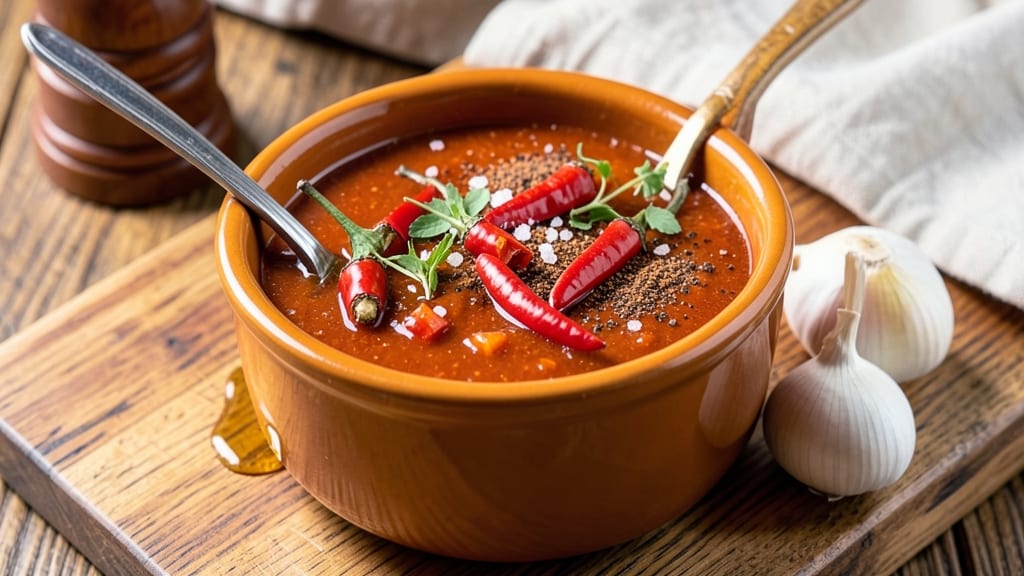
This American hot sauce recipe delivers bold, smoky heat with just five simple ingredients—no fermentation required. The secret lies in balancing cayenne pepper’s sharp kick with apple cider vinegar’s tang, creating a sauce that’s versatile enough for wings, tacos, or even Bloody Marys.
I developed this after years of testing, and it’s the one I reach for whenever I need restaurant-quality heat at home.
The process is straightforward: simmer fresh cayenne peppers, garlic, and spices in vinegar until tender, then blend until smooth. A touch of brown sugar rounds out the sharpness, while smoked paprika adds depth without overpowering.
The result is a sauce with consistent heat—no clumps, no bitterness—just pure, smoky fire that builds gradually on the tongue.
What sets this apart is its versatility. Use it as a dip for fries, a marinade for grilled meats, or a finishing touch on soups and stews.
The sauce keeps well in the fridge for up to 3 months, so you can make a big batch and enjoy it all season long. For those who prefer milder heat, simply reduce the cayenne or add a splash of honey.
Ready in just 20 minutes, this hot sauce proves you don’t need complicated techniques to create something extraordinary. The key is patience—letting the flavors meld during the simmer ensures every drop is packed with character. Let’s get started.
Ingredients for american hot sauce
Five ingredients, smoky fire, and restaurant-quality heat in minutes—no fermentation needed.
| Ingredient | Amount | Notes |
|---|---|---|
| Fresh Cayenne Peppers 🌶️ | 4 whole | Stems removed, seeds optional |
| Apple Cider Vinegar 🍏 | 2 cups | Raw, unfiltered preferred |
| Garlic Cloves 🧄 | 4 cloves | Peeled, roughly chopped |
| Smoked Paprika 🌶️ | 1 tbsp | For smoky depth |
| Brown Sugar 🍚 | 2 tbsp | Light or dark variety |
| Salt 🧂 | 1 tsp | Kosher or sea salt |
| Black Peppercorns 🌶️ | ½ tsp | Freshly cracked preferred |
The cayenne peppers are the heart of this sauce. Look for fresh, bright red ones at the grocery store—Whole Foods or Trader Joe's usually have them year-round. If you can't find fresh, dried cayenne works in a pinch, but it'll be less vibrant. Garlic? Fresh is non-negotiable here—it adds a depth that powder can't match. I always grab a whole head and keep it in the fridge for this exact reason. The smoked paprika? Penzeys has the best quality, but any good brand will do—just make sure it's labeled 'smoked.'
No cayenne peppers? Red pepper flakes at half the amount will work, but you'll lose that fresh, bright heat. Short on vinegar? White vinegar or lemon juice can substitute, though the flavor will shift slightly. Brown sugar can be swapped for maple syrup or honey (though honey isn't vegan), but it'll add a different sweetness profile. The black peppercorns are optional but add a nice complexity—skip them if you prefer pure cayenne heat. For milder heat, reduce the cayenne to 2 peppers or add a splash of honey at the end.
This sauce keeps beautifully. Store it in a clean glass jar in the fridge for up to 3 months. The flavors actually improve with time, so don't be afraid to make a big batch. I usually double the recipe—one jar for immediate use, one to stash in the pantry. If you notice the top drying out, just add a splash of vinegar before sealing. Freezes well too if you're planning ahead. Just remember: sterilize your jar before storing to avoid mold.
Why You'll Love This Recipe
- Five-Ingredient Magic: I swear, this sauce comes together with stuff you already have—no fancy tools, no stress. Just chop peppers, crush garlic, and let the vinegar do the work while you sip your coffee.
- Smoky-Sweet Kick: That smoked paprika and brown sugar combo? It’s the secret weapon—sharp heat with a caramelized finish that lingers. Honestly, it’s the kind of balance that makes you reach for seconds.
- Pantry Staple Power: Between us, this sauce lasts weeks in the fridge, and I’m always finding new ways to use it. Drizzle it on eggs, toss it in tacos, or even stir it into soups when I’m feeling lazy.
- Budget-Friendly Heat: Fresh cayenne peppers are cheap, and a little goes a long way. I’ve made gallons of this for under $10, and it’s way better than store-bought garbage. Plus, no waste—every drop gets used.
Step-by-step instructions for smoky cayenne hot sauce
This hot sauce comes together in minutes with bold, balanced heat and deep smoky flavor.
Prepare the Cayenne Peppers
Start by removing stems from the 4 whole fresh cayenne peppers. If you prefer milder heat, remove seeds and membranes. I like to leave them whole for the first 5 minutes to build heat gradually, then chop them into rough ½-inch pieces—this gives you both whole pepper heat and chopped texture. Transfer the peppers to a clean glass jar or heatproof bowl.
Here's the thing—fresh cayenne peppers pack serious heat. If you're sensitive to spice, wear gloves or handle them over the sink. The peppers should look vibrant red with a slight sheen, indicating freshness. Any wrinkled or dull peppers will make your sauce taste bitter rather than bright.
Toast the Garlic and Spices
In a dry skillet over medium heat, add the 4 peeled garlic cloves and toast them for 1-2 minutes until fragrant and just beginning to turn golden. Remove them immediately—they burn quickly! Add the 1 tablespoon smoked paprika and toast for 30 seconds, stirring constantly, until it smells deeply aromatic and slightly nutty.
This step develops the smoky depth that makes this sauce uniquely American. Don't skip it—raw garlic would make the sauce taste harsh, and the paprika needs to bloom its flavor. Immediately transfer the toasted garlic and paprika to your jar with the cayenne peppers, crushing the garlic slightly with the back of a spoon.
Combine with Vinegar and Sweeteners
Pour the 2 cups apple cider vinegar into the jar with the peppers and spices. Add the 2 tablespoons brown sugar, 1 teaspoon salt, and ½ teaspoon cracked black peppercorns. Stir everything together thoroughly, making sure the sugar dissolves completely. The mixture should be vibrant red with visible pepper pieces.
I always use raw, unfiltered apple cider vinegar for this recipe—the tangier flavor balances the heat better than distilled vinegar. The sugar isn't just for sweetness; it helps mellow the acidity and prevents the sauce from being too sharp. Stir well to distribute all the spices evenly throughout the liquid.
Simmer for Maximum Flavor
Transfer the jar to a saucepan and place it over medium-low heat. Bring to a gentle simmer and cook for 15-20 minutes, stirring occasionally. You're looking for the sauce to reduce slightly and become syrupy—it should coat the back of a spoon when you stir. The cayenne peppers should soften but still retain some texture.
Watch the heat carefully—you want a steady simmer, not a rolling boil. If it gets too vigorous, reduce the heat immediately. The sauce should smell like a perfect balance of vinegar, garlic, and smoky paprika with a hint of sweetness. When it reaches this point, remove it from heat and let it cool completely before tasting.
Strain and Bottle for Storage
Once cooled, strain the sauce through a fine-mesh sieve into a clean bottle or jar, pressing gently on the solids to extract all the flavor. You can choose to leave some pepper pieces in for texture, but I prefer a smooth sauce. The strained sauce should be a deep red color with a glossy sheen from the vinegar.
This hot sauce will keep in the refrigerator for up to 3 months, developing even more complex flavors over time. For best results, let it sit at room temperature for 24 hours before using—this allows the flavors to fully meld. The heat should be balanced with smoky, slightly sweet notes, with the vinegar providing bright acidity.
Pro Tips For Making American Hot Sauce
- STEAM THE CAYENNES: Toss whole cayennes in boiling water for 30 seconds first—this softens them without losing heat, making them easier to blend and release their flavor. I learned this the hard way after struggling to puree raw, stubborn peppers that just sat stubbornly in the blender.
- USE RAW GARLIC: Smash unpeeled garlic cloves with the flat side of your knife before blending—this breaks down the cells and infuses more flavor into the vinegar. Peeling first weakens the garlic’s punch, and you’ll taste the difference.
- PAPRIKA FIRST, THEN SWEETEN: Bloom the smoked paprika in the vinegar for 2 minutes before adding sugar—this lets the spices meld into the acid base first. Adding sugar too early can mute the smoky depth, and you’ll end up with a sauce that tastes more like candy than heat.
- STRAIN IF YOU HATE SEEDS: Run the blended sauce through a fine-mesh sieve if you can’t stand chewy pepper bits—just don’t skip this if you’re using fresh cayennes, because those seeds pack serious heat. (Yes, even if you’re impatient like me.)
Make-ahead tips for american hot sauce
Batch Prep Essentials
Double or triple the recipe for easy meal prep—this sauce keeps beautifully in the fridge for 3 months or freezer for 6 months. I always make 4 cups at once and store it in quart-sized mason jars with airtight lids.
Label them with the date so you can track freshness. The flavor actually improves as it sits, so don't hesitate to make a big batch. 💫
Freezer-Friendly Tips
For long-term storage, pour the sauce into sterilized ice cube trays and freeze. Once solid, transfer cubes to a freezer bag with excess air removed. This makes it perfect for quick additions to soups, marinades, or Bloody Marys—just toss in a cube and let it thaw while you cook.
The texture remains smooth after freezing, unlike some hot sauces that separate.
Flavor Development Trick
Let your sauce rest for 24 hours before using—this allows the cayenne's capsaicin to fully infuse and the vinegar's acidity to mellow. I often make my batch on Sunday and let it sit overnight so it's ready for the week's meals.
The first time I skipped this step, the heat was overwhelmingly sharp. Patience here makes all the difference!
Reheating Instructions
If you've stored your sauce in the freezer, thaw it in the fridge overnight for best results. For quick use, place the jar in a bowl of warm water for 10-15 minutes to gently reheat.
Never microwave—it can break down the vinegar's acidity and make the sauce taste flat. Always stir well after reheating to redistribute any settled flavors. 🔥
Portion Control Hacks
Use 1 tablespoon per serving as a starting point for wings or tacos, then adjust to taste. For Bloody Marys, I add ½ teaspoon per drink—just enough to add heat without overpowering.
Keep a small bottle in your fridge for easy access. I like to use 4-ounce squeeze bottles for serving at parties—they're perfect for controlled drizzling.
Shelf Life Extension
To maximize freshness, store your hot sauce in the darkest part of your fridge—light exposure can degrade the vinegar's quality over time. If you notice any mold or off smells after 3 months, it's time to make a fresh batch.
The vinegar's acidity should preserve it well, but proper storage makes all the difference. I always keep a backup batch in the freezer just in case! ✨
Nutrition facts
Frequently asked questions
Can I substitute dried cayenne for fresh in this recipe?
Yes, but you'll need 1 teaspoon dried cayenne per 1 fresh pepper—it's more concentrated. For best results, toast the dried cayenne first to deepen its flavor. Keep in mind the texture will be smoother without whole pepper pieces, and the heat may be slightly less vibrant.
How do I adjust the heat level?
For milder heat, reduce cayenne to 2 peppers or add 1 tablespoon honey at the end. For extra fire, use 5-6 peppers or add ½ teaspoon cayenne powder. Always taste as you go—heat builds gradually during simmering.
Why did my sauce turn cloudy or separate?
This usually happens from overheating or using cold vinegar straight from the fridge. Always simmer gently (medium-low heat) and use room-temperature vinegar. For separation, stir vigorously or blend briefly with 1 tablespoon water to re-emulsify.
What are the best ways to use this hot sauce?
Try it as a dip for fries, marinade for grilled chicken, or finishing sauce for tacos. For drinks, add ½ teaspoon per Bloody Mary or 1 teaspoon to cocktails. Even pizza gets a kick with 1 tablespoon per pie—just drizzle it on before baking.
Can I make this recipe without vinegar?
Not recommended—the vinegar's acidity balances the heat and preserves the sauce. If you must, use lemon juice (but reduce to 1½ cups) or apple juice (add ½ teaspoon citric acid), but the flavor will be less tangy and shelf life shorter.