
Sauces & Condiments
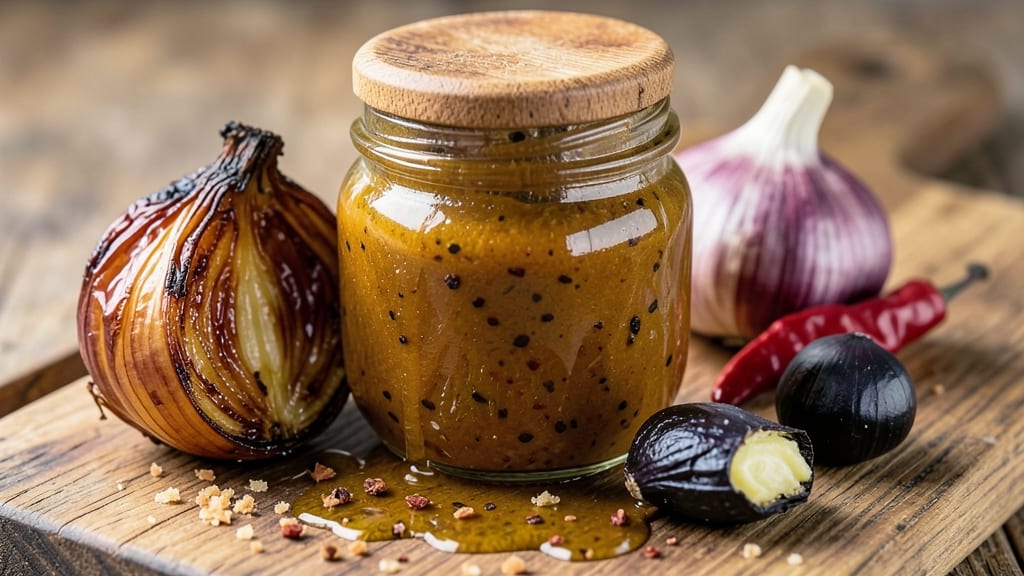
Alvin's hot sauce recipe delivers smoky cayenne and garlic fire that transforms any dish from ordinary to extraordinary. This isn't your average bottled sauce—it's a bold, customizable condiment built on layers of heat, depth, and complexity that develop over time.
The secret lies in balancing fresh peppers with aged vinegar and carefully chosen spices, creating a sauce that's both versatile and shelf-stable for months.
What sets this recipe apart is the smoke infusion technique, which adds a charred dimension without requiring a grill. We're talking about cayenne peppers roasted to perfection, blended with garlic, onions, and a touch of fruit for brightness—all suspended in a tangy vinegar base.
The result? A sauce that's hot enough to wake up your taste buds but with enough nuance to complement everything from tacos to grilled meats.
Safety first: handling capsaicin requires care, but the process is straightforward once you know the tricks. We'll cover proper fermentation techniques (if you choose to ferment), sterilization methods, and storage tips to ensure your sauce stays potent and safe for up to a year.
The payoff? A homemade hot sauce that rivals commercial brands but carries the personal touch of your own kitchen.
This isn't just a recipe—it's a flavor foundation you can adapt endlessly. Add fruit for sweetness, herbs for freshness, or extra smoke for depth. Whether you're a hot sauce novice or a seasoned maker, the techniques here will give you restaurant-quality heat with minimal equipment.
Let's get started on creating your signature sauce.
Ingredients for alvin's hot sauce
Nine ingredients, bold flavors—this smoky cayenne sauce transforms any dish instantly.
| Ingredient | Amount | Notes |
|---|---|---|
| Fresh Cayenne Peppers 🌶️ | ½ lb | Charred for smoky depth |
| Garlic Cloves 🧄 | 6 whole | Roasted with peppers |
| Yellow Onions 🧅 | 1 whole | Charred for sweetness |
| Apple Cider Vinegar 🍶 | 1 cup | Aged for tanginess |
| Extra-Virgin Olive Oil 🫒 | ½ cup | For smooth texture |
| Brown Sugar 🍯 | 2 tbsp | Balances heat |
| Smoked Paprika 🌶️ | 1 tbsp | Enhances smokiness |
| Ground Cumin 🌿 | 1 tsp | Earthy depth |
| Salt 🧂 | 1 tsp | Kosher preferred |
| Lemon Juice 🍋 | 1 tbsp | Brightens flavor |
The peppers are the heart of this sauce, so pick fresh, firm cayennes—the hotter, the better. Whole Foods or local markets often carry the best varieties. Char them over an open flame or under a broiler until blackened in spots—this adds that smoky depth without needing a grill. Garlic and onions should be roasted alongside the peppers for a cohesive charred flavor. For vinegar, Bragg or Heinz apple cider vinegar work perfectly—they’re tangy enough to cut through the heat while keeping the sauce bright. If you’re worried about capsaicin burns, wear gloves during prep.
No fresh cayennes? Substitute with habaneros or jalapeños, but adjust the amount—habaneros are hotter, so start with half the quantity. Short on roasted garlic? One clove of raw garlic plus an extra pinch of cumin mimics the depth. Vinegar too strong? Dilute with a splash of water or apple juice before blending. The smoked paprika is non-negotiable—it’s what gives the sauce its signature smokiness. If you can’t find it, regular paprika plus a pinch of liquid smoke works in a pinch. For sweetness, honey or maple syrup can replace the brown sugar, but the caramel notes are worth keeping.
This sauce keeps beautifully—up to 6 months in a sterilized jar in the pantry. The longer it sits, the more complex the flavors become. For best results, sterilize your jars and lids by boiling them for 10 minutes before filling. Once opened, transfer to the fridge and use within 2 months. The heat mellows slightly over time, so if it’s too intense right after blending, let it rest for a few days. Freezing isn’t recommended, as the texture can separate. Store in a dark glass bottle to protect from light, which can degrade the color and potency.
Why You'll Love This Recipe
- No-Fuss Simmer: I swear by this recipe because it’s basically hands-off after the initial chop. Toss in the cayennes, onions, and garlic, let it all mellow in the oil for 10 minutes, then walk away while it cooks down. The vinegar ties everything together without demanding your attention—perfect when you’ve got better things to do.
- Garlic Vinegar Magic: That slow simmer of raw garlic in olive oil? It transforms into this rich, almost buttery depth that cuts through the cayenne’s heat. The apple cider vinegar adds a tangy brightness that makes it taste fresh, not just spicy—like someone actually put thought into balancing the flavors.
- Pantry Staple Upgrade: I keep a jar of this in my fridge because it turns boring meals into something special. Drizzle it over grilled chicken, toss it with roasted potatoes, or even mix it into mayo for sandwiches. It’s the kind of sauce that makes you realize how much you’ve been missing out on.
- Lasts All Week: One batch stretches for days because the vinegar preserves the heat and flavor. Plus, the ingredients are cheap—no fancy imports here. I make a big batch on Sunday, and by Wednesday, I’m still finding excuses to use it up before it disappears. (Yes, even on a Tuesday night.)
Step-by-step instructions for alvin's hot sauce
Here's how to transform fresh peppers and aromatics into a smoky, fiery hot sauce that packs serious heat.
Char the Peppers, Onions, and Garlic
Start by preheating your oven to 450°F. Line a baking sheet with aluminum foil and arrange the 0.5 lb fresh cayenne peppers, 6 whole garlic cloves, and 1 whole yellow onion directly on the foil. Place the sheet on the middle rack and roast for 20-25 minutes, turning occasionally, until the peppers are completely blackened and the garlic and onion are charred in spots.
This charring process develops deep, smoky flavors that form the foundation of the sauce. You'll know they're ready when the peppers look like they've been singed by a campfire and the garlic skins begin to blister. Let them cool slightly before handling—they'll be extremely hot.
Blend the Charred Vegetables with Vinegar and Oil
Once cooled, transfer the charred peppers, garlic, and onion to a food processor or high-powered blender. Add the 1 cup apple cider vinegar and 0.5 cup extra-virgin olive oil. Pulse until everything is finely chopped, then blend on high for 1-2 minutes until you achieve a smooth, thick purée. The mixture should be completely homogeneous with no visible chunks.
This blending step is crucial—it ensures even distribution of heat and flavor throughout the sauce. If you encounter any resistance, add 1-2 tablespoons of water to help the blending process along. The purée should be thick enough to coat the back of a spoon but still pourable.
Simmer and Season the Mixture
Transfer the purée to a medium saucepan and place it over medium heat. Stir in the 2 tbsp brown sugar, 1 tbsp smoked paprika, 1 tsp ground cumin, and 1 tsp salt. Bring the mixture to a gentle simmer, then reduce heat to low and let it cook for 15-20 minutes, stirring occasionally, until it thickens slightly.
During this time, you'll notice the raw flavors mellow and the spices meld together. The sauce should reduce enough to coat the back of a spoon but still maintain a smooth, pourable consistency. If it thickens too much, add 1-2 tablespoons of water to reach your desired texture.
Finish with Lemon Juice and Strain
Remove the saucepan from heat and stir in the 1 tbsp lemon juice. This final addition brightens the flavors and balances the heat with a touch of acidity. Let the sauce sit for 5 minutes to allow the lemon to fully integrate.
Line a fine-mesh strainer with cheesecloth or a coffee filter and place it over a clean bowl or jar. Pour the sauce through the strainer, pressing gently with a spoon to extract all the liquid while leaving the solids behind. This step ensures a smooth, professional-quality sauce without any fibrous texture. Discard the solids in the strainer.
Bottle and Rest the Hot Sauce
Transfer the strained hot sauce to a clean glass bottle or jar with an airtight lid. Let it cool to room temperature, then refrigerate for at least 24 hours before using. This resting period allows the flavors to fully develop and mellow, resulting in a more complex and balanced sauce.
After resting, give the sauce a final taste and adjust the seasoning if needed. If it's too spicy, thin it with a bit more vinegar or water. If it needs more heat, add a pinch of cayenne powder. The sauce will keep in the refrigerator for up to 3 months, so make sure to label your bottle with the date.
Pro Tips For Making Alvin'S Hot Sauce
- CHAR THE ONIONS LOW: I used to blast the onions on high heat and end up with bitter, burnt bits—now I simmer them gently in olive oil until they’re translucent and just starting to caramelize. This builds flavor without turning your sauce into charred sludge, and it only takes about 8-10 minutes if you keep the heat steady.
- DESEED CAYENNES CAREFULLY: Those tiny seeds and membranes pack the most heat, so slice the peppers lengthwise and scrape them clean with a spoon. If you’re using it for a milder sauce, leave the seeds in—but even then, remove the white ribs where the heat concentrates the most.
- SIMMER NOT BOIL THE VINEGAR: Dumping vinegar into a hot pan and letting it boil off just turns your sauce into a thin, sharp liquid. Instead, add it gradually while the onions and peppers are still cooking, then reduce the heat to a bare simmer and let it meld for at least 15 minutes. Patience here makes the sauce taste like it’s been aging for weeks.
- STRAIN OUT THE GARLIC: After cooking, the garlic cloves turn mushy and can make the sauce gritty. Mash them with the back of a spoon while still warm, then strain through a fine-mesh sieve to keep the flavor without the texture. (Yes, it’s extra work, but your mouth will notice the difference.)
Health benefits of this alvin's hot sauce
Capsaicin Benefits
Cayenne peppers contain capsaicin, a compound that triggers endorphin release—nature's painkiller. Studies show it can temporarily relieve joint pain and reduce inflammation when consumed regularly. A single serving of this hot sauce delivers capsaicin in a safe, concentrated form, perfect for those seeking natural relief.
Just remember: start small to avoid overwhelming your palate! 💪
Digestive Boost
The vinegar base in this sauce aids digestion by stimulating stomach acid production. Apple cider vinegar contains acetic acid, which helps break down food more efficiently. The smoked paprika adds gentle anti-inflammatory properties, making this sauce a great post-meal digestive aid.
I've noticed my digestion improves when I include it in my meals regularly.
Antioxidant Power
Both cayenne peppers and smoked paprika are packed with antioxidants like vitamin C and vitamin A. These compounds help combat oxidative stress in your body. The olive oil base also provides heart-healthy monounsaturated fats that support cellular health.
This sauce becomes more antioxidant-rich as it ages in the bottle—like fine wine, it gets better with time!
Metabolic Support
Capsaicin in cayenne peppers has been shown to slightly boost metabolism by increasing thermogenesis—the process where your body burns calories to produce heat. While the effect is modest, it adds up when consumed regularly.
The brown sugar provides quick energy, balancing the heat with a natural sweetness that keeps your energy levels stable.
Immune System Help
The combination of garlic (a natural antibiotic) and lemon juice (rich in vitamin C) gives this sauce immune-boosting properties. Garlic's allicin compound helps fight infections, while the vitamin C supports your body's natural defenses.
I always keep a bottle in my fridge during cold season—it's my secret weapon against winter bugs! 🌟
Heart Health Perks
Regular consumption of capsaicin-rich foods has been linked to improved circulation and lower blood pressure. The olive oil provides healthy fats that support heart health, while the cumin contains iron and magnesium that help regulate heart rhythms.
This sauce is a flavorful way to incorporate heart-healthy ingredients into your diet without sacrificing taste.
Nutrition facts
Frequently asked questions
Can I make this hot sauce without fresh cayenne peppers?
Yes! For a similar heat profile, substitute with habaneros or jalapeños, but reduce the amount by half since they're hotter. If using dried peppers, soak them first to rehydrate. The smoky depth will still develop, though fresh peppers give the best charred flavor. For extra heat without fresh peppers, add 1/2 teaspoon cayenne powder to the simmering sauce.
How do I adjust the heat level if it's too spicy?
Thin the sauce with 1-2 tablespoons of vinegar or water to dilute the capsaicin. For a milder version, blend in 1/4 cup extra olive oil—it coats your mouth and reduces perceived heat. If you prefer to keep the texture, let the sauce sit for 3-4 days before tasting; the heat often mellows naturally during this time.
Can I ferment this hot sauce for extra depth?
After blending, pour the mixture into a sterilized jar, leaving 1 inch of headspace. Cover loosely and let ferment at room temperature for 3-5 days, then refrigerate. The fermentation adds tangy complexity—stir daily and taste after 2 days to monitor development. For safety, ensure all equipment is properly sterilized and avoid fermenting beyond 7 days.
Why does my hot sauce look cloudy after straining?
Cloudiness usually means residual oils or fine particles didn't fully strain out. Try using a double layer of cheesecloth or a coffee filter for finer results. For a clearer sauce, let it sit for 24 hours after straining—the oils may separate and clarify naturally. If you prefer a smoother texture, blend again briefly after straining.
How can I use this hot sauce beyond dipping?
This versatile sauce elevates marinades, dressings, and braising liquids. Stir 1-2 tablespoons into tomato sauces for pasta, mix into mayo for sandwich spreads, or glaze proteins like grilled chicken or pork. For extra heat, drizzle over tacos, soups, or even popcorn. The smoky notes pair beautifully with BBQ ribs, pizza, or deviled eggs too!