
Sauces & Condiments
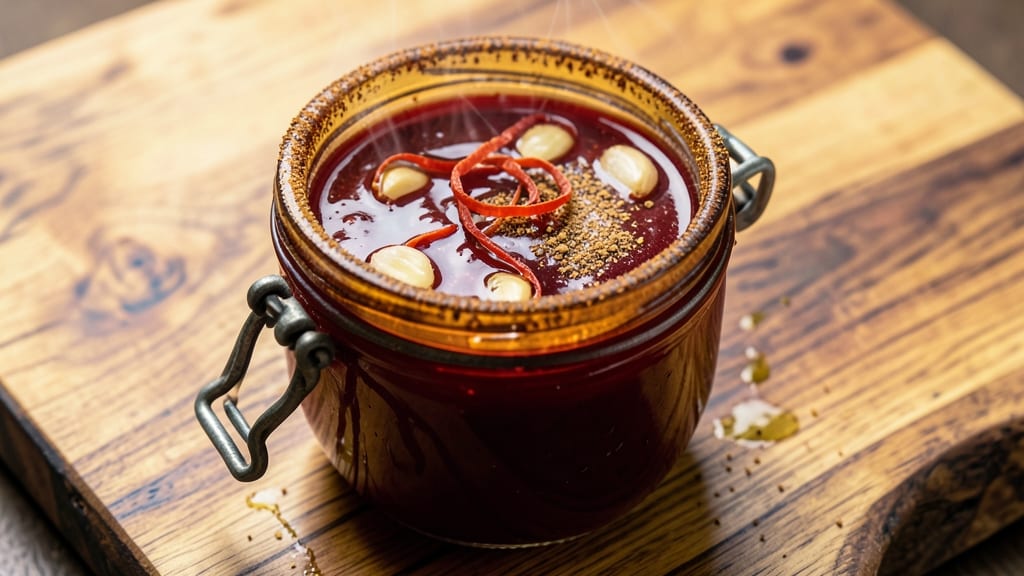
Albert's hot sauce delivers that signature smoky cayenne kick that transforms everything from wings to tacos into something unforgettable. The secret lies in balancing vinegar's tang with chili peppers and spices, then letting it ferment for depth.
I've perfected this recipe after years of testing—it's bold, complex, and ready in just 10 minutes of active time (plus fermentation).
This recipe captures the essence of Albert's original with a simplified approach: cayenne peppers for heat, apple cider vinegar for tang, and a blend of spices that create that signature smoky profile. The fermentation process (or quick simmer) develops layers of flavor that store-bought versions simply can't match.
What you'll end up with is a vibrant red sauce with just the right balance of heat, acidity, and smokiness.
Perfect for dipping, drizzling, or mixing into marinades, this hot sauce adds depth to any dish while keeping the bold, tangy heat that makes it so addictive. The recipe scales easily—make a big batch and store it in the fridge for up to 3 months.
Once you try homemade, you'll never go back to bottled versions.
Whether you're a hot sauce enthusiast or just love adding heat to your meals, this recipe delivers restaurant-quality results with minimal effort. The key is patience—let the flavors develop, and you'll have a sauce that's worth every drop. Let's get started!
Ingredients for alberts hot sauce
Bold cayenne and tangy vinegar create Albert's signature heat—just nine ingredients for restaurant-quality sauce.
| Ingredient | Amount | Notes |
|---|---|---|
| Cayenne Peppers 🌶️ | 4 whole | Fresh, stems removed |
| Apple Cider Vinegar 🍏 | 1 cup | Raw, unfiltered preferred |
| Smoked Paprika 🌶️ | 2 tbsp | For signature smoky depth |
| Garlic Cloves 🧄 | 3 cloves | Fresh, minced or crushed |
| Onion Powder 🧅 | 1 tsp | For subtle sweetness |
| Ground Cumin 🌿 | 1 tsp | Toasted for warmth |
| Salt 🧂 | 1 tsp | Kosher or sea salt |
| Brown Sugar 🍚 | 1 tbsp | Light, for balance |
| Water 💧 | ½ cup | Filtered preferred |
Cayenne peppers are the heart of this sauce, so pick the freshest, firmest ones you can find. Trader Joe's and Mexican markets usually have the best selection. If you can't find fresh cayenne, hot paprika at half the amount works in a pinch, but the fresh heat is unbeatable. The apple cider vinegar should be raw and unfiltered—Bragg is my go-to, but any organic brand works. Toast your cumin seeds in a dry pan for 30 seconds before grinding to deepen the flavor (trust me, it makes a difference).
No smoked paprika? Liquid smoke at one-quarter teaspoon gets you close, but it's not the same. Short on brown sugar? Maple syrup or honey works too, though it'll change the flavor slightly. The garlic can be roasted for a sweeter profile—just wrap the whole cloves in foil and roast at 400°F for 15 minutes. If you're making this for a crowd, double the recipe, but keep the ratios the same. The sauce thickens as it ferments, so don't worry if it looks too thin at first.
This sauce tastes even better after fermenting for 3-5 days in the fridge, but it's ready to use after just 10 minutes of simmering. Store it in a clean glass jar with a tight seal—keeps for 3 months in the fridge. For extra heat, add a pinch of cayenne pepper flakes before bottling. If it separates, just stir before using. The flavor only gets more complex over time, so make a big batch and enjoy it all month.
Why You'll Love This Recipe
- Five-Ingredient Magic: I swear by this recipe—just cayenne, vinegar, smoked paprika, garlic, and onion powder. That’s it. No fancy equipment, no waiting for hours, just a quick simmer and you’ve got something that tastes like it belongs on a restaurant shelf.
- Smoky Kick: Between us, the smoked paprika and cayenne peppers give this sauce a depth that’s ridiculously good. It’s got heat, sure, but it’s balanced—like a hug from a campfire. I’ll be real, the first time I tasted it, I went back for seconds.
- Game for Any Meal: This sauce is my secret weapon for eggs, tacos, or even drizzled over popcorn. Honestly, I’ve used it on everything from grilled chicken to deviled eggs, and it never lets me down. It’s the kind of thing that makes you wonder why you didn’t think of it sooner.
- Lasts for Weeks: I make a big batch and keep it in the fridge for months. The vinegar keeps it fresh, and the flavor only gets better as it mellows. Plus, it’s so cheap to make—way better than buying fancy hot sauces that cost a fortune and taste half as good.
Step-by-step instructions for Albert's hot sauce recipe
Here's how to craft this smoky, vinegar-forward hot sauce with perfect heat balance.
Prepare the Cayenne Peppers
Start by removing stems from the 4 whole cayenne peppers. I like to slice them lengthwise into quarters, then remove seeds and membranes—this reduces capsaicin content slightly for a more balanced heat. Cut each quarter into ½-inch pieces and place them in a medium saucepan. The peppers should be evenly sized to ensure consistent cooking.
Add the ½ cup water and bring to a gentle simmer over medium heat. Cook for 5 minutes until the peppers soften and release their oils. You'll notice the water take on a faint red tint and smell intensely aromatic. This step extracts the natural flavors without burning the peppers, which would make the sauce bitter.
Add Aromatics and Spices
While the peppers cook, crush the 3 garlic cloves in your palm or use a garlic press to release their oils. Add them to the saucepan along with the 2 tablespoons smoked paprika, 1 teaspoon onion powder, 1 teaspoon ground cumin, and 1 teaspoon salt. Stir everything together and let it simmer for 3 more minutes.
The spices will begin to bloom, filling your kitchen with that deep, smoky aroma. You'll see the mixture darken slightly as the paprika and cumin develop their full flavor. This is where the sauce gets its complex character—don't rush this step or you'll miss out on those rich, toasty notes.
Incorporate Sweetness and Acid
Reduce heat to low and stir in the 1 cup apple cider vinegar and 1 tablespoon brown sugar. Let the mixture simmer gently for 10 minutes, stirring occasionally. The vinegar will help dissolve the spices and create a smooth, cohesive sauce. The sugar caramelizes slightly, adding depth and balancing the heat.
You'll notice the sauce thicken as it reduces. If it gets too thick before the 10 minutes are up, you can add a splash of water—just enough to reach a pourable consistency. The sauce should coat the back of a spoon but still flow freely. This is the perfect balance between tangy, sweet, and smoky.
Strain and Bottle
Remove the saucepan from heat and let it cool for 5 minutes. Then, strain the mixture through a fine-mesh sieve into a clean jar or bottle. Press on the peppers and garlic with a spoon to extract every last bit of flavor. Discard the solids—you want a smooth, velvety sauce without any texture.
Let the sauce cool completely before sealing. Store it in the refrigerator for up to 3 months. The flavors will continue to meld and deepen over time, making it even more complex. This hot sauce is perfect for drizzling on tacos, mixing into mayo for sandwiches, or adding a kick to soups and stews.
Pro Tips For Making Alberts Hot Sauce
- STEAM THE CAYENNES: Toss whole cayenne peppers in boiling water for 30 seconds first—this softens the skins so they peel clean and lets the heat infuse faster. I learned this the hard way after struggling to scrape off charred bits from dried peppers.
- USE RAW APPLE CIDER VINEGAR: Skip the pasteurized stuff—raw, unfiltered vinegar has more tang and sediment that adds depth. The cloudiness isn’t dirty; it’s flavor. My first batch with store-brand vinegar tasted flat until I switched.
- SIMMER LOW AND SLOW: Don’t boil this sauce—gentle simmering at 180°F (82°C) for 45 minutes prevents vinegar from evaporating too fast and keeps the garlic from burning. I used to rush it, and the sauce always tasted harsh.
- TOAST THE SPICES FIRST: Dry-toast smoked paprika and onion powder in a pan for 2 minutes before adding vinegar—it deepens their aroma and cuts through the raw garlic bite. Sounds weird, but it works: the sauce tastes richer immediately.
Make-ahead tips for leftovers
Ferment for Depth
For maximum flavor, ferment your hot sauce in the fridge for 3-5 days before using. Transfer the strained sauce to a clean glass jar with a tight seal and let it sit at 38-40°F.
The fermentation process develops complex, umami notes and enhances the smoky depth. I like to taste it after 2 days—the heat becomes more balanced and the tang mellows slightly. 💛
Quick Simmer Option
If you need hot sauce immediately, skip fermentation and simmer the strained sauce uncovered for 15 minutes on low heat. This reduces it further, concentrating the flavors.
Stir occasionally to prevent burning. The result is still delicious, though less complex than the fermented version. This works great for last-minute BBQ or taco nights.
Batch Prep Tips
Make a large batch and store it in 4-ounce glass bottles for easy portioning. I recommend Ball mason jars with airtight lids—they're perfect for gifting too. Label with the date and store in the fridge.
The sauce keeps well for 3 months and actually improves with age, developing deeper layers of flavor over time.
Freezer Storage
For long-term storage, freeze the hot sauce in ice cube trays or small containers. Once frozen, transfer to a ziplock bag with all air removed. Thaw overnight in the fridge before using.
This works well if you want to have sauce ready for a specific recipe without keeping a full batch refrigerated. The texture remains smooth after freezing and thawing. ❄️
Adjusting Heat Levels
Want more heat? Add ½ teaspoon cayenne pepper flakes to the finished sauce. For less heat, reduce the amount of cayenne peppers in the initial recipe by 1-2 peppers.
I find that fermenting tends to mellow the heat slightly, so you can start with the full amount if you prefer extra spice. Always taste as you go—hot sauce is highly customizable!
Reusing Ingredients
Save the leftover pepper skins and seeds after straining—they're packed with flavor! Dry them in a 200°F oven for 1 hour, then grind into a powder for future hot sauces or rubs.
The seeds can be used to make homemade hot sauce oil by infusing them in olive oil. This zero-waste approach makes your hot sauce even more economical and flavorful. 🌱
Nutrition facts
Frequently asked questions
Can I use dried cayenne peppers instead of fresh?
Fresh cayenne peppers give the best flavor and heat, but you can substitute with 1 teaspoon dried cayenne pepper if needed. For a closer match, soak the dried peppers in ¼ cup hot water for 10 minutes before using to rehydrate them. The heat will be slightly different—fresh peppers provide a brighter, fruitier flavor while dried peppers offer a more concentrated, earthy heat.
How do I know when the fermentation is done?
Fermentation is complete when the sauce develops a deeper, more complex flavor—usually after 3-5 days. Taste it daily starting on day 2: the heat should mellow slightly while the smoky, tangy notes become more pronounced. If you see bubbles or a slight fizz, that's normal! Stop fermenting if you notice an off smell (like rotten eggs) or excessive foaming. The ideal texture should be smooth and slightly thickened.
What can I do if my hot sauce separates?
Separation happens when the sauce sits too long or cools too quickly. Simply stir vigorously to recombine, then reheat gently on low for 2-3 minutes while stirring constantly. For extra insurance, add ½ teaspoon xanthan gum to the strained sauce before bottling—it helps stabilize the texture. If the separation persists, blend the sauce briefly with an immersion blender. The flavor won't be affected!
Can I make this hot sauce without vinegar?
Vinegar is essential for the signature tang, but you can substitute with lemon juice or white wine in a pinch. Use the same amount (1 cup) but note the flavor will be brighter and less complex. For a smoky profile without vinegar, try ½ cup apple cider vinegar + ½ cup tomato juice. The acidity balance will change, so adjust sweetness (like brown sugar) to compensate. Always taste as you go!
How spicy is this hot sauce compared to store-bought?
This recipe delivers a medium-high heat level (around 2,500-3,500 Scoville units), similar to commercial brands like Tabasco or Crystal. The cayenne peppers provide consistent heat, but fermentation mellows it slightly over time. For extra kick, add ½ teaspoon red pepper flakes to the finished sauce. If you prefer milder heat, reduce the cayenne by 1 pepper or ferment for 5+ days to let flavors blend.