
Sauces & Condiments
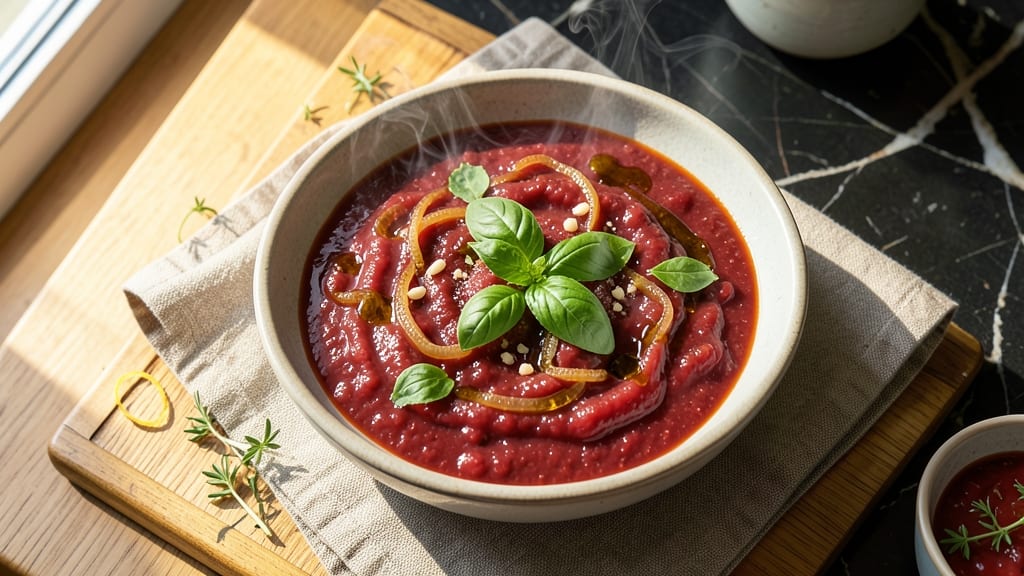
Jamie Oliver's pizza sauce recipe delivers that perfect balance of bright tomato flavor and fresh basil that makes homemade pizza taste like it came from a Neapolitan trattoria. I've been making this version for years—it's the one that finally convinced my picky-eating kids to actually eat pizza night.
The secret lies in using fresh tomatoes (or high-quality canned) and letting the flavors develop while you cook, not just blending everything into oblivion.
What makes this sauce special is how simple yet professional it tastes. You'll start with a quick sauté of garlic and onion to build flavor, then add crushed tomatoes and let them simmer until the sauce thickens naturally.
Fresh basil and a touch of sugar at the end balance the acidity, creating that signature Jamie Oliver touch—bright, fresh, and never overpowering. It takes just 15 minutes from start to finish, with no fancy equipment needed.
The result is a vibrant, slightly chunky sauce that's perfect for pizza, but also works as a marinade or pasta topping. The texture is just right—not too thin, not too thick—with pockets of fresh basil that add that restaurant-quality aroma.
I always make a double batch because it disappears faster than you'd think, especially when you realize how much better homemade sauce tastes compared to anything from a jar.
This sauce keeps well in the fridge for up to a week, so you can make it ahead and have it ready whenever pizza cravings strike.
The best part? It's foolproof enough for weeknight cooking but impressive enough for company. Let's get cooking—your next pizza night just got a whole lot better.
Ingredients for pizza sauce recipe jamie oliver
Eight simple ingredients transform into Jamie Oliver's signature vibrant pizza sauce.
| Ingredient | Amount | Notes |
|---|---|---|
| Extra-Virgin Olive Oil 🫒 | 2 tbsp | High-quality, fruity variety |
| Yellow Onion 🧅 | ½ cup | Finely diced, about 1 medium |
| Garlic Cloves 🧄 | 3 cloves | Minced, fresh preferred |
| Canned Crushed Tomatoes 🍅 | 1 cup | San Marzano preferred, no salt added |
| Fresh Basil Leaves 🌿 | ¼ cup | Packed, stems removed |
| Granulated Sugar 🍯 | 1 tsp | Balances acidity |
| Diamond Crystal Kosher Salt 🧂 | ½ tsp | Adjust to taste |
| Freshly Ground Black Pepper 🌶️ | ¼ tsp | Freshly cracked preferred |
| Red Wine Vinegar 🍷 | 1 tsp | Brightens flavor |
The tomatoes are non-negotiable here—San Marzano is the gold standard, but any high-quality canned tomato works. I grab mine from Whole Foods or Trader Joe's because they carry the best brands. Fresh basil is ideal, but if you're using dried, cut it back to one-third the amount. The garlic and onion build the flavor base, so don't rush the sautéing—let them soften and develop those sweet notes. I always use extra-virgin olive oil because the quality matters in this sauce.
No crushed tomatoes? Fresh tomatoes blended work beautifully—just remove the skins and seeds first. Short on basil? Fresh parsley or oregano can stretch it, but reduce the amount by half. The sugar might seem odd, but it's essential to balance the acidity from the tomatoes and vinegar. Brown sugar works too if you're out of granulated. The vinegar adds that bright, tangy kick—skip it if you prefer a sweeter sauce, but trust me, it makes all the difference. For extra richness, a pinch of red pepper flakes adds depth without heat.
This sauce keeps beautifully in the fridge for up to 1 week—just store it in an airtight container with a thin layer of olive oil on top to preserve the color. Freezes for 3 months too, so make a double batch and thank me later. I always portion mine into small jars for easy pizza nights. The flavor actually improves after a day or two as everything melds together—perfect for making ahead.
Why You'll Love This Recipe
- No Chopping Chaos: I swear by this recipe because you only need to dice one onion and mince a few garlic cloves—no finicky prep, no stress. The crushed tomatoes handle the rest while you sip your coffee and pretend you’re a professional.
- Garlic-Basil Magic: That slow-simmered garlic and basil? It’s the secret weapon. The oil pulls all the sweetness from the onions, then the garlic mellows into this warm, aromatic base—like a hug in sauce form, especially when you toss in fresh basil at the end.
- Pantry to Party: Between us, this sauce is my go-to for game nights, lazy Sundays, or when I’m too tired to order in. Freeze half for later, and you’ve got a backup for next week’s pizza night or a last-minute pasta sauce—no extra effort, just pure convenience.
- Budget-Friendly Luxury: Honestly, it’s the fanciest-tasting sauce I’ve made with the cheapest ingredients. Crushed tomatoes and olive oil? Affordable. Fresh basil? A handful makes it feel special. I’ve fed a crowd with this for under $10—no guilt, all flavor.
Step-by-step instructions for Jamie Oliver's pizza sauce
This sauce comes together faster than you can say "margherita" - vibrant, balanced, and ready in under 15 minutes.
Sauté the Aromatics Until Soft and Sweet
Heat the 2 tablespoons extra-virgin olive oil in a medium saucepan over medium heat. Add the ½ cup finely diced yellow onion and cook for 3-4 minutes until softened and translucent. You'll notice the onions release their moisture and begin to caramelize slightly at the edges.
Here's the thing - don't let them brown. We want them sweet and aromatic, not bitter. Add the 3 cloves minced garlic and cook for another 30 seconds until fragrant. That garlic should smell like heaven, not burn your nose. If it starts to color too quickly, reduce the heat just a touch. This base is the flavor foundation for your entire sauce.
Build the Tomato Base with Sweetness and Acid
Pour in the 1 cup canned crushed tomatoes and stir to combine with the onions and garlic. Add the 1 teaspoon granulated sugar and 1 teaspoon red wine vinegar - this is where the magic happens. The sugar balances the acidity of the tomatoes and vinegar, while the vinegar brightens everything up. Let the mixture simmer gently for 5 minutes until it begins to thicken slightly.
You'll see the sauce reduce and develop a glossy sheen. This is when the flavors start melding together. Taste it now - it should be tangy with a touch of sweetness. If it's too acidic, you can add a pinch more sugar. If it's too bland, a splash of vinegar will wake it up. This is your chance to adjust before adding the basil.
Finish with Fresh Basil and Season Perfectly
Remove the saucepan from heat and stir in the ¼ cup packed fresh basil leaves. Let it steep for 2 minutes - this allows the basil's bright flavor to infuse the warm sauce. Then return the pan to low heat and add the ½ teaspoon kosher salt and ¼ teaspoon freshly ground black pepper. The pepper should be freshly cracked for maximum aroma.
Give it one final taste and adjust the seasoning if needed. The salt should enhance all the flavors without overpowering, and the pepper should add a subtle kick. The basil should be noticeable but not dominant - you want the tomato flavor to shine. Let the sauce cool slightly before using, as it will continue to thicken as it sits.
Use Immediately or Store for Later
This sauce is best used fresh, but will keep in an airtight container in the refrigerator for up to 5 days. If you're making it ahead, let it cool completely before storing. When you're ready to use it, give it a quick stir - it will have thickened slightly during storage. If it's too thick, thin it with a splash of water or pasta water when reheating.
Spread this vibrant sauce generously over your pizza dough before adding toppings. The bright tomato flavor will complement any combination you choose, from classic margherita to loaded veggie pies. The basil's freshness will cut through any richness, and the balanced sweetness will make every bite sing.
Pro Tips For Making Pizza Sauce Recipe Jamie Oliver
- Sweat the Onions Low: Jamie’s recipe calls for onions, but I learned the hard way—cooking them too fast turns them bitter. Use medium-low heat and let them soften for 8-10 minutes, stirring occasionally, until they’re translucent but not browned. This builds flavor without overpowering the tomatoes later.
- Crush Garlic Properly: Don’t just mince those cloves—smashed, unpeeled garlic cloves in olive oil at 160°C (320°F) for 5 minutes caramelizes into sweet, jammy perfection. Peeling after roasting saves mess, and the skin slips right off. (Yes, it’s weird, but it works.)
- Simmer Tomatoes Gently: The crushed tomatoes need 20-25 minutes of steady simmering, not a rolling boil. If you rush it, the sauce turns watery and dull. Cover the pot halfway through to trap steam, then uncover to reduce—this keeps the texture rich without burning.
- Add Basil at the End: Fresh basil wilts and loses its bright flavor if cooked too long. Tear the leaves by hand (no chopping!) and stir them in only during the last 2 minutes of cooking. For extra depth, reserve a few leaves to garnish after baking—trust me, the contrast makes a difference.
Regional styles of this pizza sauce recipe jamie oliver
Neapolitan Roots
This sauce draws direct inspiration from Naples, Italy, where pizza originated. Traditional Neapolitan sauce uses San Marzano tomatoes—grown near Mount Vesuvius—and relies on simple, fresh ingredients. I always reach for San Marzano when possible, as their natural sweetness and low acidity create that perfect balance.
The key difference from American jarred sauces? No added sugar or preservatives—just tomatoes, garlic, and a touch of olive oil. 🌿
New York Style Twist
For a New York-style adaptation, swap the fresh basil for dried oregano (½ teaspoon) and add ½ teaspoon dried red pepper flakes for subtle heat. The sauce thickens more during baking, creating that signature glossy crust.
I’ve made this version for friends who prefer their pizza with a bit of kick—it’s a crowd-pleaser for spice lovers. The onions should caramelize slightly longer here to deepen the flavor.
Italian-American Classic
This is the sauce I grew up with—bright, chunky, and packed with herbaceous notes. Unlike Neapolitan or New York styles, it leans into fresh basil and a hint of red wine vinegar for brightness.
For an authentic Italian-American touch, add ¼ teaspoon dried thyme with the onions. It’s the kind of sauce that makes homemade pizza taste like a slice from a Brooklyn pizzeria. 🍕
Modern Fusion Approach
Want to experiment? Try adding 1 teaspoon tomato paste to the onions for depth, then finish with 1 tablespoon chopped fresh parsley instead of basil. This fusion style works beautifully with gourmet toppings like burrata or prosciutto.
I’ve even added a pinch of smoked paprika for a subtle BBQ-inspired twist—it’s unexpected but delicious. The sauce still keeps its Jamie Oliver simplicity while feeling fresh and innovative.
Vegetarian-Friendly Adaptation
For a vegetarian version, boost the umami by adding 1 teaspoon soy sauce or 1 teaspoon balsamic vinegar (swap for red wine vinegar). The sauce pairs perfectly with roasted red peppers or sun-dried tomatoes on veggie pizzas.
I’ve also used this base for tomato soup—just thin it with broth and add a splash of cream. The basil’s freshness cuts through the richness beautifully.
Global Variations
Inspired by Jamie’s love for global flavors, try a Mediterranean twist by adding ½ teaspoon dried oregano and ¼ teaspoon ground cumin with the onions. For a Mexican-inspired version, add ½ teaspoon chili powder and ¼ teaspoon ground coriander—it’s amazing on breakfast pizza with scrambled eggs and cheese.
The sauce’s versatility makes it a blank canvas for creativity. 🌍
Nutrition facts
Frequently asked questions
Why does Jamie Oliver's sauce use red wine vinegar?
The red wine vinegar brightens the tomatoes and balances their natural acidity without overpowering. It adds a subtle complexity that makes the sauce taste more professional—like something you'd find in a trattoria. Skip it if you prefer sweeter tomato flavor, but trust me, it makes all the difference in that final taste.
Can I make this sauce without fresh basil?
Use 1 tablespoon dried basil (or 1 teaspoon dried oregano) instead, but reduce the amount by half. For extra flavor, add 1 teaspoon chopped fresh parsley at the end. The sauce will still taste amazing—just with a slightly different herbal profile.
How do I fix sauce that's too thick or too thin?
Too thick? Thin with 1-2 tablespoons water or pasta water while reheating. Too thin? Simmer uncovered for 3-5 extra minutes to reduce it. Pro tip: If it's still too thin after simmering, mix ½ teaspoon cornstarch with 1 tablespoon water, stir into the sauce, and cook for another 1 minute until thickened.
What's the best way to store leftover sauce?
Let it cool completely, then store in an airtight container in the fridge for up to 5 days. For longer storage, freeze in ice cube trays or small jars for 3 months. When using frozen sauce, thaw in the fridge overnight and stir before using—it'll thicken slightly after thawing.
Can I use this sauce for other dishes besides pizza?
Yes! It's perfect for pasta (try it with spaghetti or linguine), as a marinade for chicken or fish, or even as a base for tomato soup. The bright flavors work beautifully with grilled meats or as a dipping sauce for crusty bread. Just adjust the thickness as needed for different applications.