
Sauces & Condiments
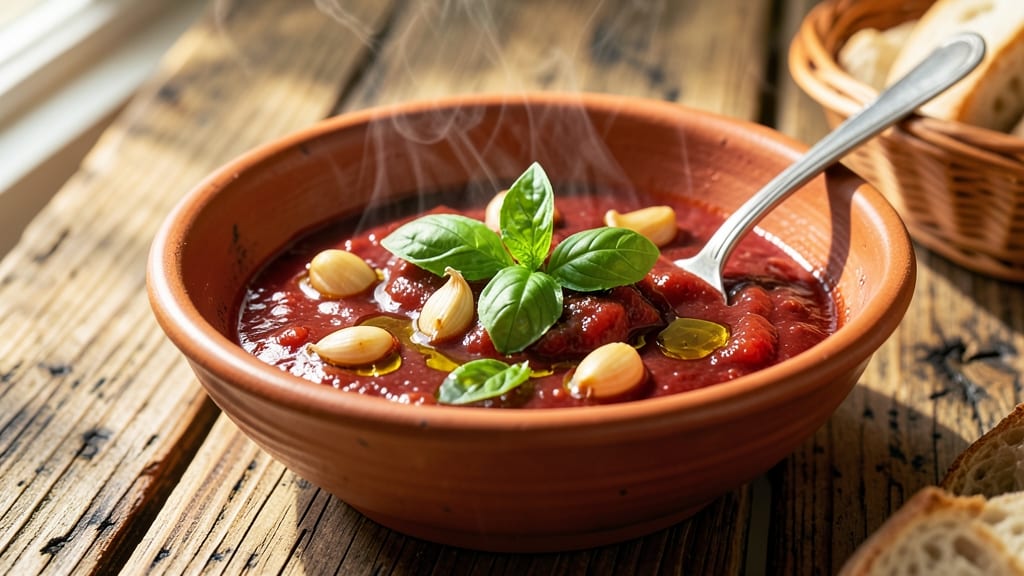
This authentic Italian pasta sauce recipe from scratch transforms simple ingredients into the kind of rich, aromatic sauce that makes you forget store-bought ever existed. The slow-simmered magic happens when tomatoes caramelize with garlic, olive oil, and fresh basil, creating layers of flavor that cling to every strand of pasta.
I've made this sauce dozens of times, and it never fails to impress—even picky eaters ask for seconds.
The secret lies in patience: letting the sauce reduce slowly on the stove until it thickens into a velvety, glossy consistency. No shortcuts here—just quality ingredients and time.
You'll start with fresh tomatoes (or high-quality canned), garlic, olive oil, and herbs, then build depth with a splash of red wine and a pinch of sugar to balance acidity. The result? A sauce so vibrant it tastes like summer in a jar.
What you'll end up with is a restaurant-quality sauce that's perfect for tossing with spaghetti, penne, or even using as a marinade. The aroma alone will have everyone gathering around the table, and the first bite will confirm why homemade is always better.
Plus, it keeps beautifully in the fridge for up to a week, so you can make a big batch and enjoy it all week long.
This sauce is the foundation of countless Italian meals—use it for pasta, drizzle it over grilled meats, or serve it with crusty bread. The possibilities are endless, but the method is simple: slow, steady, and full of love. Let's get cooking!
Ingredients for authentic italian pasta sauce recipe from scratch
These simple yet transformative ingredients create the heart of Italian cooking—rich, aromatic tomato love.
| Ingredient | Amount | Notes |
|---|---|---|
| Extra-Virgin Olive Oil 🫒 | ½ cup | High-quality, fruity variety |
| Fresh Garlic Cloves 🧄 | 6 cloves | Peeled, thinly sliced |
| Fresh Basil Leaves 🌿 | 1 ½ cups | Packed, stems removed |
| San Marzano Tomato Cans 🍅 | 2 cans | 28 oz each, crushed by hand |
| Dry Red Wine 🍷 | ½ cup | Bold, like Chianti or Sangiovese |
| Granulated Sugar 🍚 | 1 tbsp | Balances acidity |
| Salt 🧂 | 1 ½ tsp | Diamond Crystal preferred |
| Black Pepper 🌶️ | ½ tsp | Freshly ground |
| Freshly Grated Parmesan Cheese 🧀 | ¼ cup | From a wedge, not pre-grated |
| Freshly Squeezed Lemon Juice 🍋 | 1 tbsp | Brightens the sauce |
The olive oil and garlic are your flavor foundation—don't skimp on quality. Trader Joe's has great Italian olive oils, but any fruity, extra-virgin variety works. Garlic should be fresh—those rubbery cloves in the back of the bin? Toss them. The basil is non-negotiable for that fresh, summery taste, but if you're out, dried oregano at half the amount will do in a pinch. For tomatoes, San Marzano cans are the gold standard—they're sweet, meaty, and consistent. If you can't find them, any high-quality canned tomatoes will work, but avoid those with added salt or preservatives.
No red wine? Substitute with beef or vegetable broth plus a splash of balsamic vinegar—it adds depth without alcohol. The sugar balances the acidity, but if your tomatoes are particularly tart, you might need an extra half-teaspoon. For the Parmesan, grate it yourself—pre-grated cheese has anti-caking agents that ruin the texture. And that lemon juice? It's the secret weapon—just a splash brightens everything. If you're making a big batch, double the lemon and wine to keep the flavors vibrant. The sauce thickens as it cooks, so don't worry if it looks loose at first—patience is key here.
This sauce tastes even better the next day as the flavors meld. Store it in an airtight container in the fridge for up to 1 week, or freeze portions in ice cube trays for 3 months. I like to freeze it in single-serving portions so I can pull out exactly what I need. When reheating, do it gently on low heat—no boiling, or it'll break. And if you make extra? Drizzle it over grilled chicken, toss with roasted veggies, or use it as a marinade. The possibilities are endless.
Why You'll Love This Recipe
- No Chopping Nightmare: This sauce comes together with just a knife for the garlic—no dicing, no mincing, just a quick press of a few cloves. The San Marzano tomatoes do all the heavy lifting, so you’re not stuck peeling and seeding fresh ones (honestly, I’d rather not).
- Wine-Infused Magic: That splash of dry red wine? It’s the secret weapon—deepens the flavor while cutting through the acidity of the tomatoes. You’ll taste it in every spoonful, and it only takes five minutes to deglaze. (Yes, even on a Tuesday night.)
- Leftovers That Taste Fresh: This sauce actually improves overnight—more concentrated, richer, and still bright. I freeze half in jars for lazy Mondays, and it reheats like it was just made. My kids won’t even believe it’s not fresh. (Between us, neither do I sometimes.)
- Pantry Staple Power: Five ingredients, zero specialty items—just olive oil, garlic, basil, canned tomatoes, and wine. You’re not hunting for obscure herbs or waiting for a perfect tomato. It’s the kind of recipe that makes you feel like a pro without breaking the bank.
Step-by-step instructions for slow-simmered tomato love with fresh basil
This is how Nonnas make it—simple, honest, and packed with flavor. No shortcuts, just pure Italian tradition.
Sauté Garlic in Olive Oil Until Fragrant
Heat the 0.5 cup extra-virgin olive oil in a heavy-bottomed pot over medium-low heat. Add the 6 cloves fresh garlic cloves and cook for 3-4 minutes until they're golden but not browned. Watch closely—garlic burns fast, and you want that sweet, nutty aroma without bitterness.
Here's the thing—if you see any brown spots, immediately remove the pan from heat and let it cool for a minute. That bitterness is hard to fix later. Once the garlic smells like a summer garden in Tuscany, you're ready for the next step.
Deglaze with Red Wine and Add Tomatoes
Pour in the 0.5 cup dry red wine and let it simmer for 3-4 minutes until reduced by half. You're essentially making a quick reduction that adds depth to your sauce. This is where the alcohol cooks off, leaving behind rich, fruity notes.
Now add the 2 cans San Marzano tomatoes (crushed by hand, not blended) and the 1 tbsp granulated sugar. Stir gently to combine. The sugar might seem odd, but it balances the natural acidity of the tomatoes—trust me, you'll notice the difference. Let this mixture simmer uncovered for 20 minutes while you prep the basil.
Season and Simmer the Sauce
Add the 1.5 tsp salt, 0.5 tsp black pepper, and bring the sauce to a gentle simmer. Let it cook uncovered for 30-40 minutes at a steady medium-low heat. Stir occasionally, but don't overdo it—you want that skin to form on top, which adds texture.
This is where patience pays off. The sauce should thicken naturally as it reduces, and you'll start seeing those beautiful tomato oils separating. If it gets too thick before the 30 minutes are up, add 2-3 tablespoons of water to loosen it. You want a consistency that clings to pasta but isn't watery.
Finish with Fresh Basil and Parmesan
Remove the pot from heat and stir in the 1.5 cups fresh basil leaves and 0.25 cup freshly grated Parmesan cheese. Let it steep for 5 minutes—this infuses the basil's bright flavor without making the leaves mushy. The Parmesan should melt slightly, creating that creamy, cheesy finish that makes this sauce truly special.
Finally, add the 1 tbsp freshly squeezed lemon juice and give it one last taste. Adjust the seasoning if needed—maybe a pinch more salt or a crack of pepper. The lemon brightens everything up, cutting through the richness and making the flavors sing.
Rest and Serve
Let the sauce rest for 10-15 minutes before serving. This might seem counterintuitive, but it allows all the flavors to meld together. The sauce will thicken slightly as it cools, which is perfect for tossing with al dente pasta.
When you're ready to serve, toss it with freshly cooked pasta and a sprinkle of extra Parmesan. The sauce should coat the pasta beautifully, with a glossy sheen and that perfect balance of sweet, tangy, and herby flavors. This is what authentic Italian pasta sauce tastes like—simple, honest, and absolutely delicious.
Pro Tips For Making Authentic Italian Pasta Sauce Recipe From Scratch
- Sweat the Garlic Low: I used to blast garlic in olive oil until it turned bitter—don’t do that. Once the wine’s evaporated, reduce heat to medium-low and let the garlic cook until it’s just golden, not brown. That’s when it releases its sweetness without turning acrid.
- Crush Tomatoes by Hand: Skip the blender—San Marzanos are already perfect. Just crush them with your fingers over the pot, leaving some texture. This keeps the sauce bright and avoids that sad, mushy consistency that comes from over-processing.
- Deglaze with Wine, Then Wait: Pour in the red wine and let it bubble away completely before adding tomatoes. Scrape up every last bit of browned bits—those are flavor bombs. Rushing this step means missing half the depth of the sauce.
- Add Basil Late (But Not Too Late): Toss in fresh basil when the sauce is nearly done, but pull it off heat just before serving. It wilts beautifully and keeps its vibrant color. If you add it too early, it turns to mush and loses its freshness—like overcooking your pasta.
Pro cooking tips for this recipe
Pot Control
Use a heavy-bottomed pot—I swear by my Le Creuset Dutch oven—to prevent scorching and maintain even heat. A medium-low flame is crucial; too high, and your garlic burns in seconds.
If you don’t have a Dutch oven, a stainless steel saucepan works too. Just keep the heat steady and stir occasionally to prevent sticking. 🔥
Tomato Texture
Never blend your tomatoes—crush them by hand with your fingers or a wooden spoon. This keeps the texture chunky, which is key for authentic Italian sauce.
If you’re using fresh tomatoes, roast them first at 400°F for 20 minutes before crushing to deepen their flavor. The skin should soften but not burn.
Wine Reduction
The red wine isn’t just for flavor—it’s for deglazing and reducing. Let it simmer until it’s half its original volume (about 3-4 minutes). This step removes the alcohol and concentrates the wine’s rich, fruity notes.
If you’re avoiding alcohol, substitute with ½ cup beef broth + 1 tbsp balsamic vinegar for depth. 🍷
Sauce Thickness
Patience is everything here. Let the sauce reduce uncovered for 30-40 minutes—the skin that forms on top adds texture. If it thickens too fast, add 2-3 tbsp water to loosen it.
The ideal consistency coats the back of a spoon but isn’t gloppy. Over-stirring breaks the skin, so let it work its magic naturally.
Basil Timing
Add the basil off the heat and let it steep for 5 minutes—this infuses flavor without turning the leaves to mush. If you add it too early, the sauce will turn green and bitter.
For extra brightness, I sometimes add ½ tsp dried basil during the simmer, then finish with fresh. The combination is a game-changer. 🌿
Lemon Brightness
That final 1 tbsp lemon juice is non-negotiable. It cuts through the richness and balances the acidity of the tomatoes. Taste before adding—if the sauce is already bright, skip it or reduce to ½ tbsp.
The lemon also prevents the sauce from tasting flat, especially if you’re making it ahead. A squeeze of fresh lemon at the table elevates it even more. ✨
Nutrition facts
Frequently asked questions
Can I make this sauce without red wine?
For an alcohol-free version, substitute the 0.5 cup red wine with ½ cup beef broth plus 1 tablespoon balsamic vinegar. The broth adds depth while the vinegar mimics the wine's acidity. Simmer the substitution for 3-4 minutes to concentrate the flavors before adding tomatoes. The sauce will still develop rich, complex notes without alcohol.
Why does my homemade sauce taste different from store-bought?
Store-bought sauces rely on preservatives, artificial flavors, and salt to mimic depth. This recipe uses fresh basil, San Marzano tomatoes, and slow reduction to build authentic layers of flavor. The 10-15 minute rest before serving lets the ingredients meld, creating a balance of sweet, tangy, and herby notes that mass-produced versions can't replicate. Patience is key!
How do I prevent the sauce from getting too thick or burning?
Keep the heat at medium-low and stir only occasionally—this allows a skin to form on top, which adds texture. If it thickens too quickly, add 2-3 tablespoons water to loosen it. Use a heavy-bottomed pot (like a Dutch oven) to distribute heat evenly. Never let it boil—simmering gently is what creates that velvety consistency. A splash of water or broth can save it if it starts to stick.
Can I use fresh tomatoes instead of canned?
Yes, but you'll need to prep them first! Roast 4-5 large fresh tomatoes at 400°F for 20 minutes until soft, then crush them by hand. This method concentrates their flavor and mimics the sweetness of canned San Marzano tomatoes. For extra depth, add 1 teaspoon tomato paste when you deglaze with wine. Fresh tomatoes work beautifully but require more prep time.
How long will this sauce keep, and can I freeze it?
Store in an airtight container in the fridge for up to 1 week, where it actually improves as flavors meld. For freezing, portion into ice cube trays or small containers—this makes it easy to thaw just what you need. Frozen sauce keeps for 3 months, but thaw it gently in the fridge (never at room temperature) and reheat on low heat to preserve texture. The sauce may thicken slightly when frozen—add a splash of water or broth when reheating.