
Sauces & Condiments
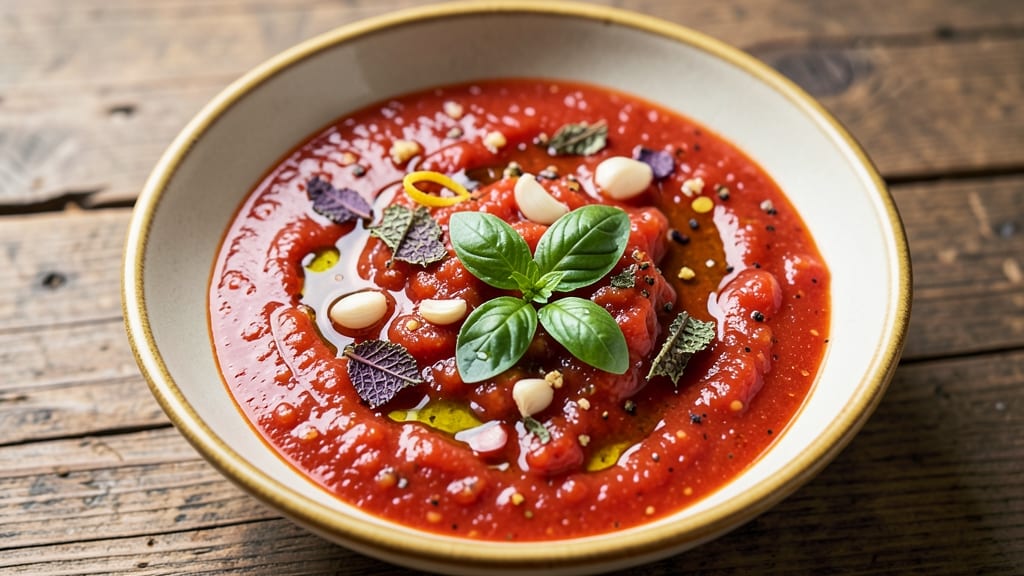
Marco's pizza sauce transforms ordinary pizza night into a flavor experience that lingers long after the last slice disappears. This isn't just any sauce—it's a symphony of tomato-oregano depth that clings to every crust, delivering that restaurant-quality taste you crave without the shortcuts. The secret lies in slow-simmered tomatoes, aromatic garlic, and a perfect balance of herbs that build complex flavor over time.
What sets this sauce apart is its versatility and staying power—it keeps its rich, velvety texture even after reheating, making it ideal for homemade pizzas, pasta, or dipping.
No artificial additives or thickeners here; just high-quality ingredients that work together to create a sauce so flavorful, you'll never go back to store-bought. The process is straightforward, but the results are anything but basic.
By the time you're done, you'll have a smooth, aromatic sauce with just the right balance of sweetness, acidity, and herbal notes. The slow cooking process develops a depth that jarred sauces simply can't match, while the garlic and herbs add layers of aroma that make every bite irresistible.
This isn't just sauce—it's the foundation of a pizza experience worth savoring.
Best of all, it stores beautifully in the fridge for up to a week or freezes perfectly for months, so you can always have that restaurant-quality flavor at your fingertips. Let's get started on making sauce that will elevate every pizza you make.
Ingredients for marco's pizza sauce
Eight ingredients, slow-simmered magic for sauce that rivals any restaurant's tomato-oregano perfection.
| Ingredient | Amount | Notes |
|---|---|---|
| Extra-Virgin Olive Oil 🫒 | ½ cup | High-quality, fruity variety for richness |
| San Marzano Tomato Crushed 🍅 | 28 oz | Canned, whole peeled tomatoes |
| Garlic Cloves 🧄 | 5 cloves | Freshly minced for aromatic depth |
| Fresh Basil Leaves 🌿 | ½ cup | Packed, stems removed |
| Fresh Oregano Leaves 🍃 | ¼ cup | Or dried oregano at 1 tbsp |
| Red Wine Vinegar 🍷 | 1 tbsp | For acidity balance |
| Granulated Sugar 🍬 | 1 tbsp | Balances tomato acidity |
| Diamond Crystal Kosher Salt 🧂 | 1 ½ tsp | Adjust to taste |
| Freshly Ground Black Pepper 🌶️ | ½ tsp | For subtle heat |
| Dried Red Pepper Flakes 🔥 | ¼ tsp | Optional for subtle heat |
The tomatoes are non-negotiable here—San Marzano is the gold standard, but Whole Foods or Trader Joe's carry quality brands. Look for cans with no added salt or preservatives. Fresh basil and oregano make all the difference; farmers markets often have more vibrant herbs than grocery stores. The olive oil should be extra-virgin, fruity, and preferably Italian—Bertolli or Colavita are reliable choices. Don't skimp on garlic either; fresh minced cloves develop more aroma than powdered versions.
No fresh basil? Dried oregano at one-third the amount works in a pinch, though it lacks the bright freshness. Running out of red wine vinegar? Balsamic vinegar or lemon juice both work, though balsamic adds a deeper complexity. The sugar balances acidity—if your tomatoes are particularly tart, add an extra half-teaspoon. For heat, crushed red pepper can replace flakes, but it's more potent. The sauce thickens as it simmers, so don't worry if it looks thin at first—patience pays off with that velvety texture.
This sauce keeps its peak quality for 1 week refrigerated or 6 months frozen. For freezing, portion into ice cube trays before transferring to bags—perfect for future pizzas or pasta. The flavor actually improves after a day or two as the ingredients meld. Store in airtight containers, and if it thickens too much, just stir in a splash of water when reheating. Trust me, you'll want to make extra—it disappears faster than you can say 'pizza night'
Why You'll Love This Recipe
- Five-Ingredient Magic: I swear, this sauce is foolproof. You’re really just simmering San Marzano tomatoes with olive oil, garlic, and herbs—no fancy techniques, no stress. The crushed tomatoes handle all the work while you sip your coffee.
- Herb-Packed Punch: That fresh basil and oregano? They’re the secret weapon. The basil brightens every bite, while the oregano gives it that deep, Italian bistro vibe. Honestly, it’s the kind of flavor that makes store-bought sauce taste sad by comparison.
- Weeknight & Weekend Star: Use it for pizza, pasta, or even a quick bruschetta. I’ve drizzled it over grilled chicken one night and tossed it with roasted veggies the next—it’s that adaptable. (Yes, even on a Tuesday night.)
- Fridge-Friendly Goldmine: This sauce keeps for weeks in the fridge, so you’re always covered. I make a big batch and freeze half—perfect for lazy days when you don’t want to chop anything. Plus, San Marzano tomatoes are worth the splurge; they’re sweeter and richer than anything canned.
Step-by-step instructions for marco's pizza sauce
This isn't your average tomato sauce—it's a rich, aromatic foundation that clings perfectly to dough.
Bloom the Garlic in Olive Oil
Heat the 0.5 cup extra-virgin olive oil in a medium saucepan over medium-low heat. Add the 5 minced garlic cloves and cook for 3-4 minutes until they're just golden and fragrant—never let them brown. This gentle cooking releases their sweet, mellow flavor without bitterness. I stir constantly with a wooden spoon, watching for that perfect moment when the garlic transforms from pale to pale gold.
Here's the thing—if you let garlic burn, you'll taste it. The sauce will turn bitter, and no amount of tomatoes can save it. Keep the heat low and your attention even lower. The oil should shimmer gently, not smoke. Once the garlic is perfumed, remove the pan from heat and set it aside—we're not done yet, but we've built our aromatic base.
Simmer the Tomatoes with Acid and Sweetness
Return the pan to medium heat and add the 28 oz crushed San Marzano tomatoes, 1 tbsp red wine vinegar, and 1 tbsp granulated sugar. Stir well to combine, then bring to a gentle simmer. The vinegar brightens the tomatoes while the sugar rounds out their natural acidity—this balance is what makes this sauce special.
Let it cook uncovered for 20-25 minutes until the sauce reduces by about one-third. You'll see the texture thicken noticeably, and the aroma will deepen. I like to use the back of a wooden spoon to check consistency—it should coat the spoon smoothly but still be pourable. If it reduces too quickly, lower the heat slightly. The goal is a velvety texture that clings beautifully to pizza dough without being gloppy.
Incorporate Herbs and Seasonings
Add the 0.5 cup fresh basil leaves and 0.25 cup fresh oregano leaves, stirring gently to distribute the leaves throughout the sauce. The fresh herbs will infuse their bright, herbal notes as they cook down. Return the sauce to a simmer for 5-7 minutes—just enough time for the leaves to soften slightly but not turn to mush. You'll know it's perfect when the sauce takes on their vibrant green color.
Now for the finishing touches: stir in the 1.5 tsp kosher salt, 0.5 tsp freshly ground black pepper, and 0.25 tsp dried red pepper flakes. Taste and adjust the salt—this is where you fine-tune the flavor. The pepper adds subtle warmth, while the red pepper flakes give just a hint of heat that lingers on the tongue. Let the sauce simmer for another 2 minutes to meld all the flavors together.
Strain and Rest for Maximum Flavor
Line a fine-mesh strainer with a clean kitchen towel or cheesecloth, then pour the sauce through it. This step removes any herb stems or seeds that might make the sauce gritty. Press gently on the solids with a wooden spoon to extract every last drop of flavor—don't rush this part. The strained sauce should be silky smooth with a deep red color and an intoxicating aroma that makes your kitchen smell like an Italian pizzeria.
Let the sauce cool to room temperature before using it on pizza. This resting period allows the flavors to fully develop and the texture to set just enough to cling perfectly to the dough. I like to store it in the refrigerator for up to 5 days or freeze it in 1-cup portions for later use. The longer it sits, the more complex the flavors become—this sauce only gets better with time.
Pro Tips For Making Marco'S Pizza Sauce
- Simmer Low and Slow: Marco’s sauce isn’t about speed—it’s about letting the tomatoes melt into something rich and sweet. Once the garlic’s fragrant but not browned, drop the heat to a bare simmer (think tiny bubbles, not rolling) and walk away. I used to rush it, and the sauce always tasted thin and sharp. Give it 20-25 minutes to break down; that’s when the magic happens.
- Crush Garlic, Don’t Mince: Whole cloves of garlic burn fast and turn bitter. Instead, smash them flat with the side of your knife—just enough to expose the flesh without turning them into a paste. This way, they infuse the oil gently and pull out their flavor without overpowering the tomatoes. (Yes, even if you’re impatient like me.)
- Salt the Tomatoes First: Add a pinch of salt to the crushed San Marzano before cooking. It softens the tomatoes, helps them release their juices, and balances their natural sweetness. Skipping this step means your sauce will cling to the pan like glue instead of developing that glossy, spreadable texture. Trust me, it’s worth the 30 seconds.
- Tear Basil at the End: Fresh basil wilts and turns bitter if cooked too long. Wait until the sauce is off the heat, then rip the leaves by hand and stir them in for just 30 seconds. This keeps their bright, peppery flavor intact. (Pro move: Save a few leaves for garnish—it looks like you put in extra effort, even if you didn’t.)
Dietary considerations for marco's pizza sauce
Gluten-Free Adaptation
This sauce is naturally gluten-free since it contains no wheat-based ingredients. The key is ensuring all your other pizza components—like dough and toppings—are also certified gluten-free. I recommend using a gluten-free pizza crust made with almond flour or a trusted brand like Caulipower.
Always check labels on toppings like pepperoni or sausage to avoid cross-contamination. The sauce's rich tomato base and herbs shine even more when paired with a crisp, gluten-free crust. 🌾
Low-Sodium Version
For a lower-sodium version, reduce the kosher salt to just 0.5 teaspoon and use no-salt-added San Marzano tomatoes. If your tomatoes are particularly salty, omit the salt entirely and rely on the natural flavors.
You can also add a pinch of smoked paprika for depth without extra sodium. The sauce will still taste vibrant and well-balanced. 🧂
Dairy-Free Friendly
This sauce is already dairy-free, making it perfect for those avoiding lactose or following vegan diets. Just ensure any toppings you add—like cheese—are dairy-free alternatives. The sauce's bright tomato and herb flavors complement plant-based cheeses beautifully.
I love pairing it with cashew mozzarella or nutritional yeast for a cheesy taste without dairy. 🥛
Vegan Options
To make this sauce fully vegan, simply follow the original recipe—it requires no animal products. For extra richness, stir in 1 tablespoon of vegan butter or 1 teaspoon of nutritional yeast at the end.
The sauce's deep tomato and garlic flavors make it a versatile base for vegan pizzas, pasta, or even as a marinade. It’s one of my go-to sauces for plant-based meals. 🌱
Allergen-Free Tips
For nut allergies, avoid almond flour crusts and opt for certified gluten-free options made with rice flour or chickpea flour. If you're sensitive to sulfites, choose low-sulfite San Marzano tomatoes or fresh tomatoes instead of canned.
Always double-check ingredient labels, especially for hidden allergens in spices or vinegar. This sauce is naturally free from common allergens like eggs, nuts, and dairy. 🚫
Nutrition facts
Frequently asked questions
Why does Marco's pizza sauce use red wine vinegar instead of lemon juice?
The red wine vinegar adds a subtle complexity that brightens the tomatoes while maintaining their natural sweetness. Unlike lemon juice, it introduces a fruity depth that complements the garlic and herbs beautifully. Think of it as the secret ingredient that transforms good sauce into exceptional sauce—it's what gives that authentic Italian pizzeria taste.
Can I make this sauce without fresh basil and oregano?
Use 1 tablespoon dried oregano (about one-third the fresh amount) and 1 teaspoon dried basil instead. For best results, toast the dried herbs in the olive oil for 30 seconds before adding the tomatoes to release their aromas. The flavor won't be identical, but it'll still be delicious—just more earthy than fresh.
How do I fix sauce that's too thick or too thin?
If your sauce is too thick, stir in 1-2 tablespoons water or broth while reheating. For thin sauce, simmer uncovered for 5-10 more minutes to reduce it. The key is patience—don't rush the cooking process. A properly reduced sauce clings perfectly to pizza crust without being gloppy.
Can I use this sauce for pasta or other dishes?
This sauce is incredibly versatile! Use it for pasta (like penne or spaghetti), as a marinade for grilled meats, or even as a dip for breadsticks. The rich tomato-herb flavor works beautifully in many Italian dishes. Just adjust the seasoning slightly if using it for something other than pizza—you might want to add more salt for pasta.
How do I prevent the sauce from separating or getting watery after freezing?
Freeze the sauce in 1-cup portions using ice cube trays for easy thawing. When ready to use, thaw in the refrigerator overnight. To prevent separation, stir in 1 teaspoon cornstarch mixed with 1 tablespoon water before freezing. This creates a natural thickener that keeps the sauce smooth. Always thaw completely before using.