
Sauces & Condiments
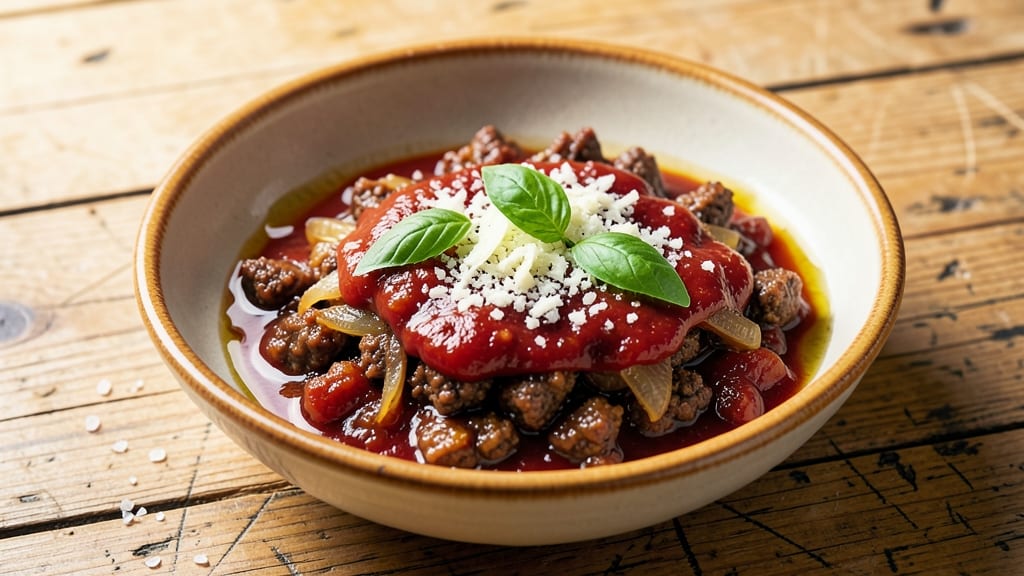
This Clemenza's spaghetti sauce recipe delivers the deep, meaty umami flavor that makes every bite unforgettable. 🔥 The slow-simmered technique transforms simple ingredients into a rich, complex sauce that pairs perfectly with spaghetti or lasagna layers.
What sets this sauce apart is the combination of ground meat, tomatoes, and aromatic herbs that build layers of flavor over hours of gentle cooking.
The secret lies in patience—letting the sauce develop its depth through slow simmering while the meat renders and spices meld together. This isn't just a sauce; it's a flavor experience that transforms ordinary pasta into a restaurant-quality meal.
The sauce thickens naturally as it cooks, creating that perfect consistency that clings to every noodle without being overly heavy.
By the time you're done, you'll have a sauce that's rich, aromatic, and packed with umami—ready to elevate any Italian dish. The aroma alone will have everyone gathered around the table, and the taste?
That's where the magic happens. Each spoonful delivers layers of savory, herby, and slightly sweet flavors that make this sauce worth the wait.
Use it fresh with spaghetti, freeze it for later, or layer it in lasagna for a meal that tastes like it came from a family kitchen in Little Italy. Here's how to make it—step by step—for a sauce that's as satisfying as it is delicious.
Ingredients for clemenza's spaghetti sauce
These rich, umami-packed ingredients create a sauce so flavorful it rivals any Italian trattoria.
| Ingredient | Amount | Notes |
|---|---|---|
| Ground Beef 🥩 | 1 ½ lb | 80% lean, finely ground |
| San Marzano Tomato Crushed 🍅 | 28 oz | Canned, no salt added |
| Tomato Paste 🍅 | ½ cup | High-quality, no sugar added |
| Red Wine 🍷 | ½ cup | Dry, bold variety |
| Garlic Cloves 🧄 | 6 cloves | Fresh, minced |
| Onion 🧅 | 1 whole | Yellow, finely diced |
| Carrots 🥕 | 2 whole | Baby or finely diced |
| Celery Stalks 🌿 | 2 whole | Finely diced |
| Fresh Basil Leaves 🌿 | ½ cup | Packed, chopped |
| Dried Oregano 🍃 | 1 tbsp | Italian preferred |
| Extra-Virgin Olive Oil 🫒 | ¼ cup | High quality, fruity |
| Beef Broth 💧 | 1 cup | Low-sodium preferred |
| Salt 🧂 | 1 ½ tsp | Diamond Crystal kosher |
| Black Pepper 🌶️ | ½ tsp | Freshly ground |
| Sugar 🍚 | ½ tsp | White granulated |
The ground beef is non-negotiable—80% lean gives you that perfect meaty texture without turning greasy. Trader Joe's or Costco usually carry the best quality at reasonable prices. For the tomatoes, San Marzano is the gold standard—sweeter, less acidic, and packed with flavor. If you can't find them, Muir Glen is a solid backup. The crushed tomatoes should be no-salt-added to control the seasoning. Garlic and onion are your flavor anchors—fresh is always better, but if you're in a pinch, powdered works in a bind (though it won't have the same depth).
No red wine? Beef broth with a splash of balsamic vinegar mimics the acidity and depth perfectly. Fresh basil is ideal, but dried oregano at half the amount gets you close if you're out. The tomato paste can be swapped for extra crushed tomatoes if you're avoiding it, though it adds that concentrated umami punch. For the vegetables, sofrito (pre-chopped onion, celery, carrot mix) from the Latin market saves time and keeps flavors consistent. If you're making this ahead, freeze the sauce in portions—it only gets better with time as flavors meld.
This sauce keeps for 5 days in the fridge and freezes beautifully for up to 6 months. For best results, store it in airtight containers with a thin layer of olive oil on top to preserve freshness. The flavors deepen after the first 24 hours, so make it a day ahead if possible. When reheating, add a splash of water or broth to prevent thickening. Portion into individual containers for easy lunches or lasagna layers—one batch feeds 6-8 people, so double if you're feeding a crowd.
Why You'll Love This Recipe
- No-Chop Night: I swear by this sauce because the prep is that simple—just brown the beef, dump in the crushed San Marzano tomatoes and a splash of wine, then let it simmer. No dicing, no peeling, no stress. Honestly, I’ve made it after work when I was too tired to even open a jar properly.
- Wine-Infused Richness: That red wine deglaze? Chef’s kiss. It cuts through the acidity of the tomatoes and leaves behind this deep, savory note that makes the sauce taste like it’s been simmering all day. Plus, the garlic? It caramelizes just enough to add a sweet, nutty punch without overpowering.
- Leftovers That Beg: This sauce tastes better the next day—thicker, more concentrated, and perfect for tossing with pasta or slathering on garlic bread. I’ll be real: I’ve reheated portions for a full week, and no one’s ever complained (though my roommate still teases me for "sauce hoarding").
- Budget-Friendly Feast: Ground beef and canned tomatoes stretch into enough sauce for four meals, and the wine adds just enough luxury to feel special without breaking the bank. Between us, this is how I feed my family for under $15—and still get compliments like it’s a restaurant dish.
Step-by-step instructions for Clemenza's slow-simmered spaghetti sauce
This isn't your typical weeknight sauce—it's a deep, layered masterpiece built on slow cooking and umami balance.
🍳 Step 1: Build the Flavor Base with Soffritto
Heat the 0.25 cup extra-virgin olive oil in a large Dutch oven over medium heat. Add the 1 whole finely diced onion, 2 whole finely diced carrots, and 2 whole finely diced celery stalks. Cook for 10-12 minutes until the vegetables soften and release their natural juices, creating a fragrant base.
The key here is patience—don't rush this step. You're developing the sauce's foundational flavors. When the vegetables are tender and the mixture smells sweet and earthy, add the 6 cloves minced garlic and cook for another 30 seconds until fragrant. This is where the magic begins, so don't walk away.
🔥 Step 2: Brown the Ground Beef for Deep Flavor
Push the vegetable mixture to one side of the Dutch oven and add the 1.5 lb ground beef to the empty space. Break it up with a wooden spoon and cook over medium-high heat for 6-8 minutes until it loses its raw color and develops a rich brown crust.
Here's the thing—this browning creates what chefs call "fond," those browned bits that dissolve into the sauce later. Don't drain the fat; it's essential for flavor. Once the beef is fully browned, use a wooden spoon to scrape up all those flavorful bits from the bottom of the pan and stir them into the vegetable mixture.
🍳 Step 3: Deglaze and Develop the Sauce
Pour in the 0.5 cup red wine and scrape the bottom of the pan to release any remaining browned bits. Let the wine simmer for 3-4 minutes until it reduces by half and the alcohol cooks off. This step removes the harshness of the wine and concentrates its flavor.
Next, add the 0.5 cup tomato paste, 28 oz crushed San Marzano tomatoes, 1 cup beef broth, 1.5 tsp salt, 0.5 tsp black pepper, and 0.5 tsp sugar. Stir well to combine. The sugar isn't for sweetness—it helps balance the acidity of the tomatoes and brings out their natural fruitiness.
⏰ Step 4: Simmer Low and Slow for Deep Flavor
Reduce the heat to low and let the sauce simmer uncovered for 1.5 to 2 hours. This isn't a step you can rush—it's where the sauce develops its rich, complex flavor. Stir occasionally to prevent sticking, but don't over-stir as this can break down the meat.
You'll know it's ready when the sauce has reduced slightly and coats the back of a spoon. The aroma should be intense and inviting, with layers of meaty, tomatoey, and herby notes. If the sauce gets too thick, add a splash of water or broth to reach your desired consistency.
🥘 Step 5: Finish with Fresh Herbs and Rest
Remove the sauce from heat and stir in the 0.5 cup chopped fresh basil leaves and 1 tbsp dried oregano. Let it sit for 10 minutes to allow the flavors to meld. The fresh basil adds a bright, aromatic finish that cuts through the richness of the meat and tomatoes.
This sauce tastes even better the next day as the flavors continue to develop. Serve it over freshly cooked spaghetti with a sprinkle of grated Parmesan cheese. The result is a restaurant-quality sauce that's rich, balanced, and packed with umami flavor—just like Clemenza's.
Pro Tips For Making Clemenza'S Spaghetti Sauce
- Sear the Beef in Batches: I learned this the hard way—dumping all the ground beef in one go means it steams instead of browns. Use a 12-inch skillet and cook 1/3 of the meat at a time over medium-high heat until deeply browned. The crust from that first sear is what gives Clemenza’s sauce its depth, so don’t skimp on the time or the heat.
- Deglaze with Wine Immediately: As soon as you remove the beef, pour in that red wine right away—don’t let it sit. The wine will grab all those browned bits (the fond) that would otherwise turn bitter. Let it simmer for 2-3 minutes until it’s mostly reduced, and you’ll taste the difference in the finished sauce.
- Crush Garlic Like a Pro: Minced garlic burns faster than you think, especially when you’re adding it later in the sauce. Instead, smash 2-3 whole cloves with the flat side of your knife, then finely chop them—this keeps them from turning bitter. Add them after the wine has reduced but before the tomatoes, so they infuse without overcooking.
- Simmer Low and Slow: Clemenza’s sauce isn’t a quick fix—it needs time to meld. After adding the crushed tomatoes and paste, reduce the heat to a bare simmer (just little bubbles breaking the surface) and let it cook uncovered for at least 45 minutes. The longer it goes, the richer and more balanced the flavors become—no rushing here.
Dietary considerations for clemenza's spaghetti sauce
Gluten-Free Adaptations
This sauce is naturally gluten-free as written, but always double-check your ingredients—especially the beef broth and tomato paste for hidden gluten. Use certified gluten-free broth like Pacific Foods or Imagine Foods to be safe.
The red wine and olive oil are also safe, but verify labels if you're highly sensitive. 🌱
Dairy-Free Options
No dairy is used in this recipe, making it perfect for lactose-intolerant eaters or vegan adaptations. If you want extra richness, stir in nutritional yeast (about 1 tbsp) at the end for a cheesy flavor without dairy.
The sauce pairs beautifully with dairy-free Parmesan alternatives like Follow Your Heart or Violife when serving.
Meat-Free Substitutes
For a vegetarian version, replace the 1.5 lb ground beef with 15 oz lentils or 2 cups finely chopped mushrooms (like cremini or portobello). Sauté the mushrooms with the soffritto for 8-10 minutes until deeply browned.
Add 1 tsp soy sauce or 1 tbsp miso paste for umami depth. The lentils work best if cooked separately and added at the end to maintain texture.
Low-Sodium Adjustments
Since this sauce uses no-salt-added tomatoes and low-sodium broth, you'll need to adjust seasoning carefully. Start with 1 tsp salt instead of 1.5 tsp, then taste and add more gradually.
Fresh herbs like basil and oregano add natural saltiness without sodium. For extra flavor without salt, add 1 tsp fish sauce or 1 tsp Worcestershire sauce (check for gluten-free if needed).
Allergen-Friendly Swaps
If you're avoiding garlic or onions, substitute with 1 tbsp garlic powder and 1 tbsp onion powder (though fresh adds more depth). For celery allergies, replace the 2 stalks with an extra 1 carrot and 1 zucchini (finely diced).
Always test small batches first, as flavor profiles change. The tomato paste can be swapped for extra crushed tomatoes if needed, though it may dilute the sauce slightly.
Freezer-Friendly Tips
This sauce freezes beautifully, but make dietary adjustments before freezing. Label containers with dates and portion sizes. For gluten-free batches, use parchment paper between layers to prevent cross-contamination. Thaw overnight in the fridge, then reheat gently with a splash of water to restore texture.
The flavors actually improve after freezing, making it perfect for meal prep. ❄️
Nutrition facts
Frequently asked questions
Can I make this sauce in a slow cooker?
Brown the beef and sauté the vegetables as directed, then transfer everything to your slow cooker. Add all remaining ingredients and cook on low for 6-8 hours or high for 3-4 hours. The slow cooker method actually enhances the sauce's depth—just stir occasionally to prevent sticking. The texture will be slightly looser, so simmer uncovered for 10-15 minutes on the stovetop afterward to thicken if needed.
Why does the sauce taste better after resting?
The flavors develop through a process called "marinating" while the sauce rests. During simmering, the meat releases juices and the herbs infuse the liquid. When you let it sit, these components meld together, creating a more cohesive and complex taste. The acidity in the tomatoes also mellows slightly, balancing the rich meaty notes. For best results, refrigerate overnight—this is when the magic happens!
What's the best way to store leftover sauce?
Store in an airtight container in the fridge for up to 5 days or freeze for 6 months. For freezing, portion into individual containers (great for meal prep!) and leave 1-inch headspace to prevent ice crystals. Thaw overnight in the fridge—never at room temperature—and reheat gently with a splash of water or broth to restore texture. The sauce actually tastes better after freezing as flavors deepen!
Can I use ground turkey or chicken instead of beef?
Yes, but expect a lighter flavor profile. Ground turkey works best with 15% extra seasoning (add an extra 0.5 tsp each of salt, pepper, and oregano) to compensate for its milder taste. Chicken will be even lighter—consider adding 1 tbsp soy sauce or 1 anchovy fillet (finely chopped) to boost umami. For best results, brown the meat thoroughly to develop flavor.
How do I fix a sauce that's too acidic?
If your sauce tastes overly tangy, balance it with 1 tsp sugar or 1 tsp honey to counteract the acidity. For a deeper flavor fix, stir in 1 tbsp tomato paste or a pinch of baking soda (just 1/8 tsp—go slow!). Simmer for 5 minutes to let flavors meld. If the sauce is too thin after adding fixers, simmer uncovered to reduce. The key is patience—acidity often mellows during resting.