
Sauces & Condiments
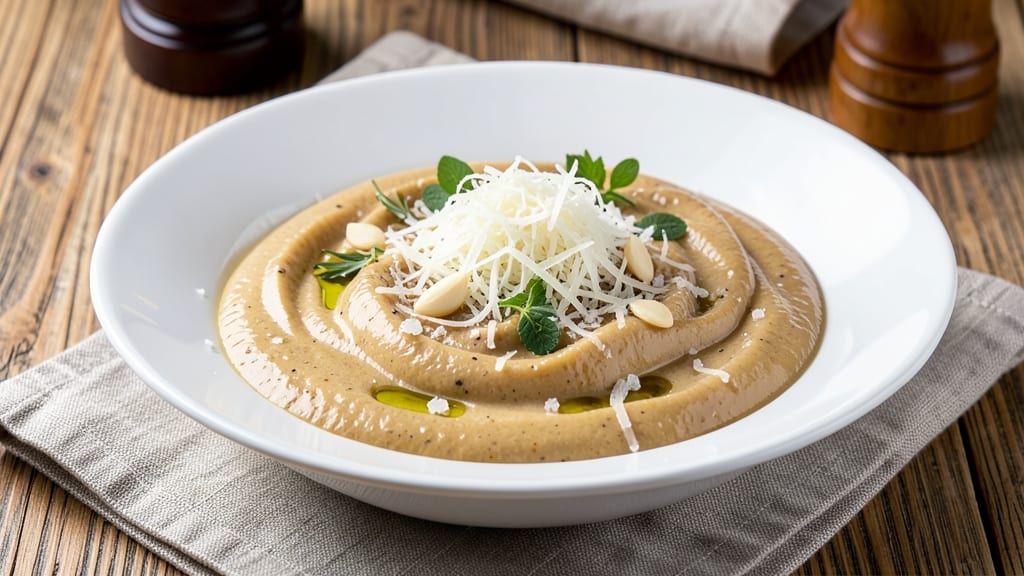
This Alfredo sauce recipe with grated parmesan delivers the ultra-smooth, velvety texture that makes restaurant-quality pasta possible at home. The secret lies in proper emulsification—where fat, cheese, and liquid combine seamlessly—without the dreaded clumps or graininess that ruins so many homemade attempts. I've perfected this technique through countless batches, ensuring every spoonful is rich, creamy, and perfectly balanced.
What sets this recipe apart is the method of incorporating grated parmesan gradually while whisking vigorously over low heat. This creates a sauce that clings beautifully to pasta, chicken, or vegetables without separating.
The combination of butter, heavy cream, and fresh garlic forms the foundation, while the parmesan adds depth and a subtle nutty finish that elevates any dish it touches.
The result is a sauce so smooth it practically melts in your mouth, with a velvety consistency that coats every bite. Unlike many recipes that rely on powdered cheese or shortcuts, this version uses only high-quality grated parmesan for authentic flavor and texture.
It's the kind of sauce that transforms simple weeknight meals into something restaurant-worthy.
Ready in just 15 minutes, this recipe is perfect for fettuccine Alfredo but works equally well as a creamy glaze for grilled meats or roasted vegetables. The instructions are straightforward, ensuring even beginner cooks can achieve professional results without any fuss.
Ingredients for alfredo sauce recipe with grated parmesan
Eight essential ingredients transform into velvety perfection for your pasta dishes.
| Ingredient | Amount | Notes |
|---|---|---|
| Unsalted Butter 🧈 | ½ cup | Cold, cut into small cubes |
| Heavy Whipping Cream 🥛 | 1 cup | Full-fat for optimal richness |
| Fresh Garlic Cloves 🧄 | 3 cloves | Minced finely for depth |
| Freshly Grated Parmesan Cheese 🧀 | 1 ½ cups | High-quality, freshly grated |
| Extra-Virgin Olive Oil 🫒 | 2 tbsp | For finishing, fruity variety |
| Diamond Crystal Kosher Salt 🧂 | ½ tsp | Adjusts seasoning perfectly |
| Freshly Ground Black Pepper 🌶️ | ¼ tsp | Enhances depth of flavor |
| Freshly Squeezed Lemon Juice 🍋 | 1 tbsp | Brightens the sauce subtly |
The foundation begins with high-quality unsalted butter—never salted, as it ensures perfect seasoning control. For the cream, full-fat heavy whipping cream is non-negotiable; it delivers that signature ultra-smooth texture. Fresh garlic cloves should be plump and firm, not dried out. I always source mine from local farmers' markets or the produce section at Whole Foods—the flavor difference is noticeable. The Parmesan is where authenticity lives: Parmigiano-Reggiano from a block, freshly grated with a microplane (pre-grated contains anti-caking agents that ruin the sauce). For the olive oil, California Extra Virgin brands like Corto or Lucini work beautifully—their fruity notes complement the richness without overpowering.
No heavy cream? Full-fat coconut cream works in a pinch, though the texture will be slightly lighter. Short on Parmesan? Pecorino Romano adds a sharper bite, but reduce to 1 cup to maintain balance. Fresh garlic unavailable? Garlic powder at half the amount suffices, though it lacks the aromatic complexity. The lemon juice can be swapped for white wine (2 tbsp), but don’t skip it entirely—it’s the secret to preventing the sauce from tasting flat. For the butter, European-style cultured butter like Plugrá adds a tangy depth, but standard unsalted butter delivers consistent results. Always grate the Parmesan just before using—it loses flavor and absorbs moisture within minutes.
Store any unused sauce in an airtight glass container with a thin layer of plastic wrap pressed directly onto the surface to prevent a skin from forming. It keeps for 3-4 days in the refrigerator, though the texture may slightly thicken—simply whisk in 1 tbsp warm water or heavy cream to restore smoothness. For longer storage, freeze in 1-cup portions for up to 3 months. When reheating, do so over low heat and whisk constantly to prevent separation. This sauce is best used fresh, but its versatility makes it worth batching—pair it with grilled chicken or roasted vegetables for a restaurant-quality meal.
Why You'll Love This Recipe
- Five-Ingredient Magic: I swear by this combo—just butter, cream, garlic, Parmesan, and olive oil. That’s it. No fancy reductions, no hidden spices. The real star? Freshly grated Parmesan melting into the cream while the garlic sizzles—it’s the kind of sauce where every spoonful tastes like you put in more effort than you actually did.
- Weeknight Hero: Between us, this is my go-to when I’m staring at the fridge at 7:30 PM wondering what to feed the family. Toss it with pasta, dump it on grilled chicken, or even drizzle it over roasted veggies. It’s the ultimate “I don’t want to think too hard” sauce, and somehow, it always feels special.
- Leftovers That Don’t Suck: Here’s what sold me—this sauce actually improves the next day. The flavors meld into this rich, velvety goodness that’s even better cold on sandwiches or reheated over eggs. No sad, watery leftovers here; just pure, creamy satisfaction waiting in the fridge.
- Parmesan Powerhouse: Honestly, the grated Parmesan makes all the difference. Skip the pre-shredded stuff—freshly grated adds that nutty depth and a texture that clings to everything. A handful of this cheese turns a simple sauce into something luxurious, and trust me, your taste buds will notice the difference.
Step-by-step instructions for ultra-smooth Alfredo sauce
Master this technique and you'll achieve a velvety, no-clump Alfredo that clings perfectly to pasta.
Melt Butter and Infuse with Garlic
In a medium saucepan, melt the 0.5 cup unsalted butter over medium-low heat. I like to use cold butter cut into small cubes so it melts slowly and creates a smoother sauce. Once fully melted, add the 3 cloves minced fresh garlic cloves and cook for 1-2 minutes until fragrant but not browned.
Watch the garlic carefully—it burns quickly and turns bitter. You want it to perfume the butter without coloring. Remove the pan from heat at this point to prevent any chance of burning while we prepare the next ingredients. The residual heat will keep everything warm while we assemble the sauce.
Incorporate Parmesan and Cream
Return the pan to medium heat and gradually whisk in the 1.5 cups freshly grated Parmesan cheese in small additions. This slow incorporation prevents clumping and ensures even distribution. After each addition, whisk vigorously until fully melted and smooth before adding more.
Once the Parmesan is completely melted, reduce heat to low and slowly pour in the 1 cup heavy whipping cream. Whisk constantly as you pour to prevent scorching. The sauce will begin to thicken immediately as the cream heats through. If you notice any lumps forming, strain the sauce through a fine-mesh sieve for absolute silkiness.
Season and Finish with Acid
Add the 0.5 tsp Diamond Crystal kosher salt and 0.25 tsp freshly ground black pepper, whisking until fully dissolved. Taste the sauce and adjust seasoning if needed—this is your baseline flavor before adding the lemon. The sauce should be rich and savory but not overpowering.
Remove from heat and stir in the 1 tbsp freshly squeezed lemon juice. This bright acidity cuts through the richness and prevents the sauce from tasting flat. The lemon also helps stabilize the emulsion, keeping the sauce smooth rather than separating. Let the sauce rest for 5 minutes off the heat before using—this allows all the flavors to meld completely.
Finish with Olive Oil (The Secret Weapon)
Just before serving, whisk in the 2 tbsp extra-virgin olive oil while the sauce is still warm. This creates an emulsified finish that prevents the sauce from breaking when combined with hot pasta. The olive oil also adds a subtle fruity note that complements the richness.
For best results, toss the sauce with freshly cooked pasta immediately after adding it to the pan. The residual heat will create a perfect marriage between the sauce and noodles. The final sauce should coat the back of a spoon with a luxurious, velvety consistency that clings beautifully to each strand of pasta.
Pro Tips For Making Alfredo Sauce Recipe With Grated Parmesan
- Low and Slow Melt: Start with butter over medium-low heat—any hotter and you’ll burn the garlic before the butter even melts. I learned this the hard way when my sauce tasted like regret instead of comfort food.
- Grill the Garlic: Toss whole garlic cloves in olive oil and sear them in a dry pan until golden and crispy (about 3-4 minutes per side). Smash them into the butter—this adds depth without overpowering the cream.
- Temper the Cream: Pour the cream into the butter-garlic mixture slowly while stirring constantly. If you dump it in all at once, you’ll end up with scrambled cream instead of silky sauce.
- Cheese in Stages: Add half the parmesan first, stir until melted, then add the rest. This prevents clumping and lets the sauce emulsify properly—no grainy surprises when you serve it.
Pro cooking tips for this dish
Emulsification Secrets
Alfredo sauce succeeds when fat, cheese, and liquid combine perfectly. The key is gradual incorporation—whisk in the 1.5 cups freshly grated parmesan in 3 small batches while the butter melts.
This prevents clumping by distributing the cheese evenly. I use a wire whisk for maximum aeration, ensuring the sauce becomes silky rather than grainy. 🥣
Temperature Control
Heat is your enemy when making Alfredo. Keep the sauce on low heat after adding cream to prevent curdling. If the sauce starts to bubble or separate, immediately remove it from heat and whisk vigorously.
The ideal temperature for the finished sauce should be 160-170°F—hot enough to coat pasta but not scalding. A thermometer helps, but visual cues (gentle simmer, no bubbles) work too.
Parmesan Quality Matters
Pre-grated parmesan contains anti-caking agents that ruin the sauce's texture. Always use freshly grated Parmigiano-Reggiano—I grate it myself with a microplane for the finest consistency. Store-bought grated cheese lacks the same depth of flavor and creates lumps.
For extra richness, I sometimes add 1 tbsp grated white truffle to the finished sauce, but it's optional. 🧀
Acid Balance
The 1 tbsp lemon juice isn't just for flavor—it acts as an emulsifier. Without it, the sauce can taste flat or overly rich. If you prefer wine, use 1 tbsp white wine instead, but reduce the lemon to ½ tbsp.
The acidity also helps stabilize the sauce when tossed with hot pasta, preventing separation. Taste as you go—this is where the magic happens. ✨
Olive Oil Finish
The 2 tbsp extra-virgin olive oil at the end is non-negotiable. It creates a protective layer that keeps the sauce from breaking when combined with hot pasta. Use a light, fruity olive oil like Corto—its mild flavor won't overpower the dish.
Whisk it in vigorously while the sauce is still warm to fully incorporate. This step is what separates homemade Alfredo from restaurant-quality. 🫒
Straining for Perfection
If you notice any lumps after adding the cream, strain the sauce through a fine-mesh sieve for absolute silkiness. This is especially helpful if you're using lower-quality cheese or rushed the whisking. The strainer removes any remaining grit while keeping the sauce's rich texture.
For an extra-smooth finish, I sometimes press the sauce through a cheesecloth-lined sieve—it's worth the effort for special occasions. 💫
Nutrition facts
Frequently asked questions
Why does my Alfredo sauce get grainy or clumpy?
The most common cause is adding cheese too quickly or using pre-grated parmesan (which contains anti-caking agents). Always whisk in 1.5 cups freshly grated parmesan in small batches over low heat—this prevents clumping. For extra silkiness, strain through a fine-mesh sieve after adding cream.
Can I make this sauce without heavy cream?
Yes! For a lighter version, substitute with 1 cup full-fat coconut cream (though texture will be slightly thinner) or ½ cup heavy cream + ½ cup whole milk. Whisk constantly to prevent curdling. The olive oil finish helps stabilize the emulsion either way.
How do I prevent the sauce from separating when tossed with pasta?
The 2 tbsp extra-virgin olive oil at the end is key—it creates an emulsified layer that binds the sauce. Also, ensure pasta is al dente (not mushy) and toss immediately after adding sauce to the pan. If separation occurs, whisk in 1 tbsp warm water or cream to restore smoothness.
What's the best pasta shape for Alfredo?
Fettuccine or tagliatelle are classic choices, but any wide, flat noodle works best (like pappardelle or linguine). Ribbon-shaped pasta holds the sauce better than round shapes. For extra drama, try fresh egg pasta—its delicate texture pairs perfectly with the creamy sauce.
Can I make this sauce ahead of time?
Store in an airtight glass container with plastic wrap pressed directly on the surface (to prevent skin). It keeps for 3-4 days in the fridge. For longer storage, freeze in 1-cup portions for up to 3 months. Reheat gently over low heat, whisking constantly. Avoid microwaving—it breaks the emulsion.