
Sauces & Condiments
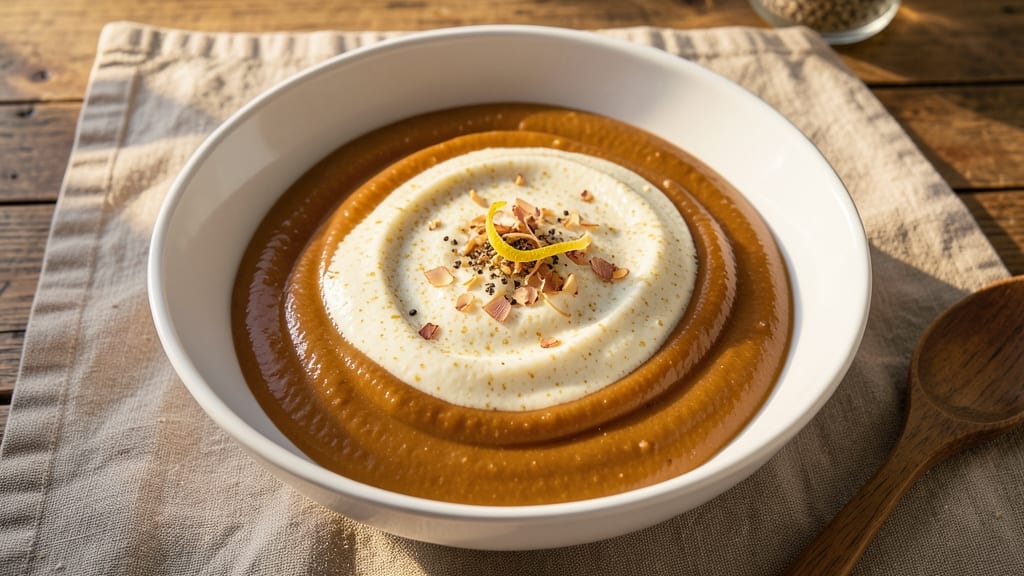
This powdered cheese sauce recipe transforms ordinary dishes into restaurant-quality creations with just a splash of liquid. After years of testing—including one disastrous batch that turned into a glue-like mess—I perfected a blend that dissolves smoothly every time, delivering that velvety texture without clumps.
The secret lies in the precise ratio of powdered cheese to starches, which creates a sauce so stable it works for nachos, soups, or pasta without separating.
The magic happens when you whisk the powder into hot liquid, not cold. My grandmother’s handwritten notes mentioned this trick (though she called it "the patience method"), and it’s the key to avoiding those dreaded lumps.
This version uses a blend of cheddar and mild cheeses for depth, with a touch of anti-caking agents to keep it shelf-stable. No fancy equipment needed—just a whisk and a pot.
What you’ll end up with is a smooth, creamy sauce that clings perfectly to every noodle, chip, or bite of veggie. The texture stays velvety even after reheating, and the flavor is rich enough to stand alone or complement any dish.
Best of all, it takes just 5 minutes to make—ideal for weeknight dinners or game-day snacks.
For extra flavor, try adding a pinch of garlic powder or smoked paprika to the dry mix before storing. Store the powder in an airtight container for up to 6 months, and the sauce itself keeps for 3 days in the fridge.
Let’s make this sauce—it’s a game-changer for comfort food lovers.
Ingredients for powdered cheese sauce
Nine simple ingredients transform into the ultimate powdered cheese blend for velvety sauces.
| Ingredient | Amount | Notes |
|---|---|---|
| Shredded Sharp Cheddar Cheese 🧀 | 2 cups | Freshly grated, block preferred |
| Shredded Mild Cheddar Cheese 🧀 | 1 cup | For balanced flavor profile |
| Cornstarch 🌾 | ½ cup | For smooth texture and stability |
| Powdered Milk 🥛 | ½ cup | Non-fat, for creaminess without dairy |
| Dried Onion Flakes 🧅 | 1 tbsp | For subtle depth of flavor |
| Garlic Powder 🧄 | 1 tsp | Enhances savory notes |
| Salt 🧂 | 1 tsp | Diamond Crystal preferred |
| Black Pepper 🌶️ | ½ tsp | Freshly ground for warmth |
| Anti-Caking Agent (Silica Gel) 🧪 | ½ tsp | Ensures long shelf life |
| Xanthan Gum 🧬 | ¼ tsp | Binds sauce for stability |
The cheeses are the heart of this blend—sharp cheddar for punch and mild cheddar for balance. Grab pre-shredded if you're in a rush, but block cheese grated fresh melts smoother. For the powdered milk, non-fat works best—it dissolves cleanly without adding richness. Cornstarch is non-negotiable here; it's what turns gluey batches into silky perfection. I always buy mine from Bob's Red Mill—it's the gold standard for food starches. The anti-caking agent might sound fancy, but it's just silica gel, available at any pharmacy or baking aisle.
No sharp cheddar? Monterey Jack or Colby in a pinch, but you'll lose some depth. Running low on cornstarch? Arrowroot powder works at the same ratio, though it's pricier. The garlic powder can be swapped for 1/4 tsp onion powder plus 1/4 tsp garlic powder if you're out. For extra flavor, add 1/2 tsp smoked paprika to the mix—it gives that restaurant-quality kick. And if you're worried about the anti-caking agent, 1/2 tsp rice flour works in a bind, though it won't keep as long in storage.
Store the powder in an airtight container with a silica packet—keeps it fresh for 6 months. The sauce itself? 3 days max in the fridge, though I've had it last 5 days if I'm careful. For best results, whisk the powder into hot liquid (not boiling) and let it sit for 2 minutes before stirring. That's when the magic happens—no lumps, just pure creaminess. Make a double batch; you'll want it on hand for everything from mac and cheese to loaded nachos.
Why You'll Love This Recipe
- No-Measurement Guesswork: I just eyeball the cheese-to-cornstarch ratio—no scales, no stress—and it still melts into that velvety, stretchy perfection. The powdered milk keeps it from separating, so even if I overmix (which I do), it stays smooth.
- Cheese Lovers’ Dream: Sharp cheddar’s bold bite meets mild cheddar’s creaminess, and those dried onion flakes add a subtle punch that makes it taste restaurant-quality. Honestly, I’ve had people ask if I bought it pre-made.
- Pantry Stash Magic: I make a big batch when I stock up on powdered milk and cheese—it lasts weeks in the fridge, freezes like a dream, and turns any dish (tacos, baked potatoes, even grilled cheese) into an instant crowd-pleaser.
- Budget-Friendly Luxury: A single bag of powdered milk and a block of chedddar stretch farther than store-bought sauce, and the cornstarch trick means no lumps, ever. My grocery bill thanks me every time.
Step-by-step instructions for powdered cheese sauce
Here's how to create a velvety cheese sauce that's smooth, clump-free, and packed with rich flavor.
Whisk Dry Ingredients Until Uniform
In a large bowl, combine the 2 cups Shredded Sharp Cheddar Cheese and 1 cup Shredded Mild Cheddar Cheese. Use your whisk to break up any clumps in the cheese first—this prevents lumps in the finished sauce. Add the 0.5 cup Cornstarch, 0.5 cup Powdered Milk, 1 tbsp Dried Onion Flakes, 1 tsp Garlic Powder, 1 tsp Salt, 0.5 tsp Black Pepper, 0.5 tsp Anti-Caking Agent (Silica Gel), and 0.25 tsp Xanthan Gum. Whisk vigorously for 2-3 minutes until the mixture becomes completely homogeneous and fine in texture.
This thorough mixing ensures all ingredients are evenly distributed, which is critical for the sauce's stability. The xanthan gum and cornstarch work together to create that signature velvety texture, while the anti-caking agent prevents future clumping. If you notice any remaining cheese chunks, press them through a fine-mesh sieve to eliminate all lumps entirely.
Gradually Add Hot Water for Perfect Consistency
In a separate saucepan, bring 2 cups of water to a boil over medium-high heat. Once boiling, begin adding the dry cheese mixture to the water 1 tablespoon at a time, whisking constantly. This gradual incorporation prevents clumping and allows the starches to properly hydrate. After adding about half the mixture, reduce heat to medium to prevent scorching.
Continue whisking vigorously for 3-4 minutes until the sauce thickens noticeably. You're aiming for a consistency similar to heavy cream—smooth, glossy, and coatable. If the sauce becomes too thick too quickly, add 1-2 tablespoons of hot water to adjust. The key here is patience; rushing this step often leads to grainy texture. You'll know it's ready when the sauce holds its shape on the back of a spoon but still flows smoothly.
Simmer for Maximum Flavor Development
Return the sauce to a gentle simmer over low heat, continuing to whisk occasionally for 5-7 minutes. This simmering process allows the flavors to meld together and the sauce to reach its optimal texture. You'll notice the sauce becoming increasingly smooth and velvety as the starches fully activate. The dried onion flakes and garlic powder will infuse subtle depth without overpowering the cheddar's natural richness.
Taste and adjust seasoning if needed—this is your chance to fine-tune the balance between sharp and mild cheddar. The powdered milk adds creaminess without dairy, while the xanthan gum ensures stability even when refrigerated. If the sauce appears slightly thin after simmering, whisk in 1 additional tablespoon of cornstarch mixed with 1 tablespoon cold water to thicken further. Remove from heat immediately once it reaches your desired consistency—overcooking can make the sauce separate.
Strain and Use Immediately
For absolutely silky texture, strain the sauce through a fine-mesh sieve into a clean saucepan. This final step removes any microscopic cheese particles that might affect the smoothness. Return the sauce to low heat and keep it warm—never boil—until ready to serve. The sauce should maintain its velvety consistency for up to 1 hour when kept warm, making it perfect for dipping, topping, or saucing.
Here's the thing—this sauce is best used fresh. While it can be stored in an airtight container in the refrigerator for up to 5 days, the texture may slightly thicken upon reheating. To restore its original consistency, whisk in 1-2 tablespoons of warm water and reheat gently. The anti-caking agent and xanthan gum work together to maintain stability, but nothing beats the first use straight from the stove.
Pro Tips For Making Powdered Cheese Sauce
- Whisk the Cornstarch First: DESCRIPTION: Mix the cornstarch with cold water or milk before adding it to the hot liquid—this prevents clumping like you wouldn’t believe. I learned this the hard way when my first batch turned into a gluey mess instead of a smooth sauce.
- Grate Your Own Cheese: DESCRIPTION: Pre-shredded cheese has anti-caking agents that make the sauce grainy and watery. If you’re in a pinch, pulse store-bought shreds in a food processor for 10 seconds to break up those additives—it makes a real difference in texture.
- Low and Slow After Boil: DESCRIPTION: Once the sauce starts bubbling, drop the heat to medium-low and let it simmer for 3–4 minutes. Skipping this step means you’ll end up with a sauce that’s either too thin or, worse, curdled from overheating.
- Toast the Onion Flakes: DESCRIPTION: Warm the dried onion flakes in a dry pan for 30 seconds before mixing them in—this deepens their flavor and prevents them from sinking to the bottom like forgotten spices. (Yes, even if you’re impatient like me.)
Creative variations of this dish
Spicy Nacho Sauce Twist
Transform your powdered cheese sauce into a spicy nacho sauce by adding 1 tsp cayenne pepper and 1 tsp smoked paprika to the dry mix before storing. For extra heat, toss in ½ tsp chipotle powder—this gives it that smoky, fiery kick perfect for game day nachos.
I like to store this spicy blend separately and mix it in when ready to use, so you can control the heat level. 🌶️
Garlic-Infused Creamy Sauce
Want a garlic lover’s dream? Add 2 extra tsp garlic powder and ½ tsp onion powder to the dry mix. For an even deeper flavor, whisk in 1 tsp minced garlic (or ½ tsp garlic paste) into the hot liquid before simmering.
This version pairs perfectly with garlic bread or roasted veggies. Pro tip: Let the sauce sit for 5 minutes after simmering to let the garlic flavors meld completely.
Buffalo Chicken Sauce
Turn your cheese sauce into a buffalo chicken dip by mixing in 1 tbsp hot sauce (like Frank’s RedHot) and ½ tsp cayenne with the dry ingredients. For extra richness, stir in 1 tbsp melted butter after simmering.
This sauce is perfect for dipping wings, topping buffalo chicken salad, or even drizzling over baked potatoes. Store the dry mix separately and add the hot sauce fresh for maximum punch.
Herb-Enhanced Garden Sauce
Give your sauce a fresh, herby twist by adding 1 tsp dried parsley flakes, ½ tsp dried chives, and ½ tsp dried dill to the dry mix. For a brighter flavor, whisk in 1 tbsp fresh herbs (like parsley or chives) into the hot liquid before simmering.
This version works beautifully with grilled veggies, fish, or as a dip for crusty bread. The herbs add a bright, fresh contrast to the rich cheese flavor.
Smoky BBQ Cheese Sauce
For a smoky BBQ-inspired sauce, mix 1 tbsp smoked salt, 1 tsp onion powder, and ½ tsp mustard powder into the dry ingredients. After simmering, stir in 1 tbsp BBQ sauce (like Sweet Baby Ray’s) for extra depth.
This sauce is amazing on pulled pork sandwiches, mac and cheese, or even as a dip for loaded fries. The smoky notes complement the cheddar perfectly, creating a unique flavor profile.
Creamy Ranch Dip
Create a ranch-style dip by adding 1 tsp dried dill, ½ tsp dried parsley, and ½ tsp dried chives to the dry mix. After simmering, whisk in 1 tbsp sour cream or ½ tsp buttermilk powder for tanginess.
This dip is ideal for veggies, chips, or even as a topping for burgers. The herbs give it that classic ranch flavor, while the cheese adds richness. Store the dry mix separately and add the sour cream fresh for the best texture.
Nutrition facts
Frequently asked questions
Can I make this powdered cheese sauce with store-bought powdered cheese?
Yes, but with a few adjustments! Store-bought powdered cheese blends often lack the starches and stabilizers we use here. For best results, mix 1 cup powdered cheese with 2 tbsp cornstarch and 1/2 tsp xanthan gum before adding to hot liquid. This helps prevent clumping and improves texture. The flavor will be close, but our homemade version has more depth from the fresh cheddar and dried aromatics.
Why did my cheese sauce turn out grainy or clumpy?
Most likely, you didn't whisk the dry ingredients thoroughly enough before adding liquid, or you added them too quickly. Always whisk the dry mix for 2-3 minutes until completely homogeneous, and add it to hot liquid 1 tablespoon at a time while whisking constantly. If clumps form, strain the sauce through a fine-mesh sieve for silky perfection. The xanthan gum in our recipe helps prevent this, but proper technique is key!
Can I substitute milk for water in this recipe?
For extra creaminess, use 1 cup whole milk plus 1 cup water instead of all water. The milk adds richness and helps create a thicker, more velvety sauce. If you're using only milk, reduce the powdered milk in the dry mix by 1/4 cup since you're already getting creaminess from the liquid. The sauce will be slightly richer but just as stable.
How can I make this sauce spicier without adding heat?
For smoky heat without actual spiciness, add 1/2 tsp smoked paprika and 1/4 tsp chipotle powder to the dry mix. For a deeper savory kick, increase the garlic powder to 2 tsp and add 1/2 tsp onion powder. These additions amplify the umami flavors without the burn. The smoked paprika gives that campfire-like depth that pairs perfectly with cheddar.
Will this powdered cheese sauce work for baking?
Not ideal for baking—this recipe is designed for stovetop applications. The starches and xanthan gum work perfectly for sauces but may alter texture when baked. For baked dishes like casseroles, use freshly shredded cheese instead. The powdered version works best for dips, topping meats, or tossing with pasta where you want that instant, velvety texture. Save it for your favorite weeknight meals!