
Sauces & Condiments
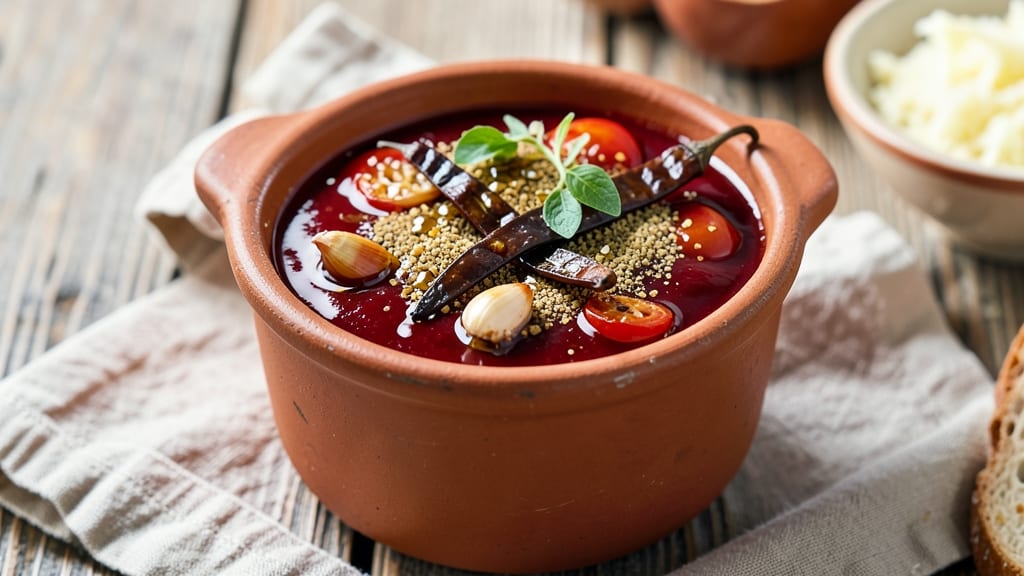
This canned picante sauce recipe delivers restaurant-quality smoky chipotle heat without the complexity of traditional canning. The secret lies in balancing tomatoes, adobo sauce, and spices for a sauce that's bold, tangy, and ready to elevate tacos, grilled meats, or even eggs.
I developed this version after years of testing—no pressure canner required, just simple sterilization techniques that ensure safety and shelf stability.
The foundation starts with ripe tomatoes and chipotle peppers in adobo, which provide that signature smoky depth. A touch of apple cider vinegar brightens the flavor while preserving the sauce naturally, while cumin, garlic, and oregano build the aromatic backbone.
The sauce thickens as it cooks, creating a rich, velvety texture that clings beautifully to any dish. What sets this apart is the ability to store it safely for months, making it perfect for meal prep or gifting.
By the time you're done, you'll have a versatile sauce that's ready to transform simple meals into something extraordinary. The smoky chipotle heat pairs perfectly with grilled chicken, black beans, or even as a dipping sauce for tortilla chips.
And because we're using water bath canning methods, you can preserve your harvest without the intimidation factor. This is the kind of sauce that turns everyday cooking into a flavor adventure.
Whether you're stocking your pantry for the year or just want to make a big batch for a party, this recipe delivers professional-quality results with minimal effort. The key is patience during the sterilization process and attention to detail when balancing the spices.
Once you taste the difference between homemade and store-bought, you'll never go back.
Ingredients for canned picante sauce
Nine simple ingredients transform into smoky, tangy picante sauce perfect for canning.
| Ingredient | Amount | Notes |
|---|---|---|
| Ripe Tomatoes 🍅 | 3 lb | Roma or vine-ripened preferred |
| Chipotle Peppers in Adobo 🌶️ | 4 whole | With sauce, minced finely |
| Apple Cider Vinegar 🍏 | ¼ cup | For brightness and preservation |
| Ground Cumin 🌿 | 1 tbsp | Toasted for deeper flavor |
| Garlic Cloves 🧄 | 6 cloves | Peeled and minced |
| Dried Oregano 🍃 | 1 tbsp | Mexican oregano preferred |
| Salt 🧂 | 1 ½ tsp | Diamond Crystal preferred |
| Black Peppercorns 🌶️ | ½ tsp | Freshly ground preferred |
| Onion 🧅 | 1 whole | Yellow, diced |
| Granulated Sugar 🍚 | 1 tbsp | Balances acidity |
The tomatoes are the heart of this sauce—Roma tomatoes have fewer seeds and more flesh, but vine-ripened works too. Chipotles in adobo are non-negotiable for that smoky depth, and I always grab La Costeña or Goya brands—they're consistent. The adobo sauce gets minced right into the sauce, so don't skip it. For cumin, toast it in a dry pan for 30 seconds before grinding—it makes a huge difference. I stock up on Mexican oregano at H-E-B or Latin markets—it's got a completely different flavor profile than regular oregano.
No chipotles in adobo? Substitute smoked paprika plus cayenne—about 1 tbsp smoked paprika and 1/2 tsp cayenne for every 4 chipotles. Fresh tomatoes? Roast them first to concentrate the flavor. Running low on apple cider vinegar? White vinegar or lemon juice works, but taste first—the acidity level matters. The sugar might seem odd, but it's crucial for balancing the acidity during canning. If you're worried about sweetness, reduce it to 1 tsp and add a pinch more salt instead.
This sauce is designed to last—process pint jars for 15 minutes in a water bath canner. Once cooled, store in a dark, cool pantry for up to 6 months. The flavor actually improves with time, so make extra. I always keep a jar in my fridge for quick meals—toss it with black beans, drizzle on tacos, or mix into scrambled eggs. The sauce thickens as it cools, so stir before using. If it's too thick after canning, just add a splash of water when reheating.
Why You'll Love This Recipe
- No Chopping Needed: I swear by this recipe because it only asks for a quick blitz in the blender—no peeling, no dicing, just dump-and-pulse. The canned tomatoes and chipotles in adobo handle all the work while you sip your coffee.
- Smoky Heat Magic: That first bite of smoky chipotle meets tangy vinegar? It’s the kind of balance that makes you reach for the jar again. The cumin and garlic deepen the flavor over time, so it only gets better with a few days in the pantry.
- Taco Night’s Secret Weapon: I keep this sauce on hand for everything—drizzled over eggs, stirred into beans, or slathered on grilled chicken. It turns a simple meal into something special without extra effort.
- Lasts for Weeks: Honestly, I make a big batch and forget about it until I need it. The acidity from the vinegar keeps it fresh for months, and a little goes a long way. My wallet (and my taste buds) thank me for it.
Step-by-step instructions for smoky chipotle picante sauce
Here's how to make a bold, smoky picante sauce that captures authentic Mexican flavors without needing canning equipment.
🍳 Step 1: Roast and Char the Vegetables
Preheat your oven to 450°F and line a baking sheet with parchment paper. Cut the 3 lb ripe tomatoes in half and place them cut-side down on the sheet. Dice the 1 whole onion and spread it around the tomatoes. Roast for 25-30 minutes until the tomatoes are deeply charred in spots and the onions are golden brown.
This charring step is crucial—it develops deep, smoky flavors that form the base of your sauce. You'll know they're ready when you see blackened patches on the tomatoes and the onions smell sweet and caramelized. Let the roasted vegetables cool slightly before handling, as they'll be very hot.
🔥 Step 2: Sauté the Aromatics and Spices
While the vegetables cool, heat a large Dutch oven or heavy pot over medium heat. Add the 6 cloves minced garlic and 1 tbsp ground cumin, stirring constantly for 30 seconds until fragrant. Add the 1 tbsp dried oregano and stir for another 10 seconds to toast the spices.
Here's where the real flavor development happens. The cumin should be aromatic but not burnt, and the oregano should release its earthy notes. Keep the heat at medium—if it gets too hot, the spices will burn and turn bitter. This step only takes about 1 minute, so stay attentive.
🥘 Step 3: Simmer the Sauce Base
Add the roasted tomatoes and onions to the pot along with the 4 whole chipotle peppers in adobo (minced finely), scraping up any browned bits from the bottom. Pour in the 0.25 cup apple cider vinegar and bring everything to a boil. Reduce heat to medium-low and let it simmer uncovered for 30 minutes.
During this time, the mixture will thicken slightly as the tomatoes break down. Stir occasionally to prevent sticking. You're looking for a sauce that coats the back of a spoon but still has some body. If it gets too thick, add 2-3 tablespoons of water to maintain the right consistency.
⏰ Step 4: Blend and Finish the Sauce
Use an immersion blender to purée the sauce directly in the pot until smooth. If you prefer a chunkier texture, pulse briefly instead of blending completely. Return the sauce to a gentle simmer and add the 1.5 tsp salt, 0.5 tsp black peppercorns (freshly ground), and 1 tbsp granulated sugar. Simmer for another 10 minutes to let all the flavors meld together.
The sugar balances the acidity from the vinegar and chipotles, while the pepper adds a subtle warmth. Taste and adjust the seasoning—you might want to add a pinch more salt or sugar depending on your tomatoes. The sauce should be tangy, smoky, and slightly sweet with a lingering heat from the chipotles.
🍽️ Step 5: Cool and Store Properly
Let the sauce cool to room temperature, then transfer it to clean, sterilized jars. The sauce will keep in the refrigerator for up to 2 weeks or can be frozen for 3 months. For best results, store it in the refrigerator and use within 1 week for maximum freshness.
This sauce is incredibly versatile—use it as a condiment for tacos, a marinade for grilled meats, or a base for soups and stews. The smoky chipotle heat will elevate any dish it touches. If you make more than you need, consider gifting it—it makes an excellent homemade present!
Pro Tips For Making Canned Picante Sauce
- BLEND CHIPOTLES FIRST: I learned this the hard way—tossing whole chipotles into the pot and hoping for the best just leaves you with uneven heat and chewy bits. Mince or blend them with a splash of the cooking liquid first, then stir them in. This way, the smoky flavor disperses evenly, and you won’t end up with one bite that’s too intense.
- ROAST TOMATOES BEFORE CANNING: Skip the raw tomatoes—roasting them for 15 minutes at 400°F (425°F if you’re impatient) concentrates their sweetness and mellows their acidity. Cut them in half first, then roast cut-side down. The caramelized edges make the sauce richer, and you’ll taste the difference immediately.
- ACIDIFY THE SAUCE PROPERLY: Apple cider vinegar is your friend here, but don’t skimp—aim for at least 1 tablespoon per pint of sauce. Under-acidified picante sauce can spoil during canning, and you’ll regret it when you open a jar months later. Taste the raw sauce before processing; it should be tangy enough to pucker your lips a little.
- USE A FINE MESH STRAINER: If you want a silky-smooth sauce, don’t just blend and call it done. After cooking, strain the mixture through a fine-mesh sieve to remove seeds and skin bits—those little textural annoyances ruin an otherwise perfect sauce. It takes 2 minutes but makes a real difference, especially if you’re serving it with tacos or grilled meats.
Essential equipment for canned picante sauce
Sterilization Essentials
Start with clean, sterilized jars—I use Ball Mason jars with two-piece lids—to prevent contamination. Before filling, wash jars and lids in hot, soapy water, then boil them for 10 minutes in a large pot of water.
This kills bacteria and ensures your sauce stays safe for months. 🔥
Water Bath Canner
A water bath canner is your best friend for safe canning. I recommend the All American 921 Water Bath Canner—it’s durable and fits standard jars perfectly. Fill it with hot water (about 2 inches above jar tops) and process pint jars for 15 minutes after filling.
The boiling water creates a vacuum seal when jars cool.
Immersion Blender
An immersion blender is a game-changer for smooth, lump-free sauce. I love the Ninja BN601 because it handles thick, hot liquids like picante sauce without splattering. If you don’t have one, a regular blender works—just let the sauce cool slightly first to avoid steam explosions. 💫
Fine-Mesh Strainer
For a chunkier texture, strain the roasted tomatoes and onions through a fine-mesh strainer before blending. This removes skins and seeds, giving you a silky-smooth sauce. I use a OXO Good Grips strainer—it’s sturdy and easy to clean after handling hot liquids.
Thermometer
Monitor the water bath temperature with a canning thermometer to ensure it reaches 212°F—the safe boiling point for processing. I keep a Thermoworks Thermapen handy for accuracy. If your water isn’t hot enough, the sauce may not sterilize properly, risking spoilage.
Tongs for Hot Jars
Use heat-resistant tongs (like OXO Good Grips) to lift hot jars in and out of the water bath. This keeps your hands safe from burns and prevents jars from cracking. Always place jars on a towel-lined surface to avoid thermal shock when they cool.
Nutrition facts
Frequently asked questions
Can I make this picante sauce without chipotles in adobo?
Yes! For a similar smoky flavor, substitute 1 tbsp smoked paprika plus ½ tsp cayenne pepper for each chipotle. The adobo sauce adds depth, so you can also use 2 tbsp tomato paste mixed with 1 tsp liquid smoke as a backup. Adjust heat levels to taste after blending.
How do I adjust the heat level in this sauce?
Start by removing chipotle seeds before mincing for mild heat. For extra spice, add ½ tsp cayenne pepper or 1 extra chipotle. If the sauce is too hot, thin it with 1 tbsp water or apple cider vinegar—this also balances the flavor. Always taste before canning!
What’s the best way to use leftover picante sauce?
This versatile sauce works as a taco dip, grilled meat marinade, or soup base. Try it in breakfast burritos (mix with scrambled eggs), black bean tacos, or roasted chicken wings. For extra richness, stir in 1 tbsp melted butter or sour cream when serving.
Can I can this sauce without a water bath canner?
For safety, always use a water bath canner or large stockpot with a rack. If you don’t have one, use a deep pot with a canning lid—just ensure water covers jars by 2 inches. Never use an oven or microwave for canning. For short-term storage, refrigerate (up to 2 weeks) or freeze (up to 3 months).
Why did my sauce turn out too thick after canning?
Sauces naturally thicken as they cool—this is normal! Thin with 1-2 tbsp water or vinegar when reheating. To prevent over-thickening, simmer uncovered for 30 minutes (not longer) and stir occasionally. For a smoother texture, strain before blending or use an immersion blender longer.