
Sauces & Condiments
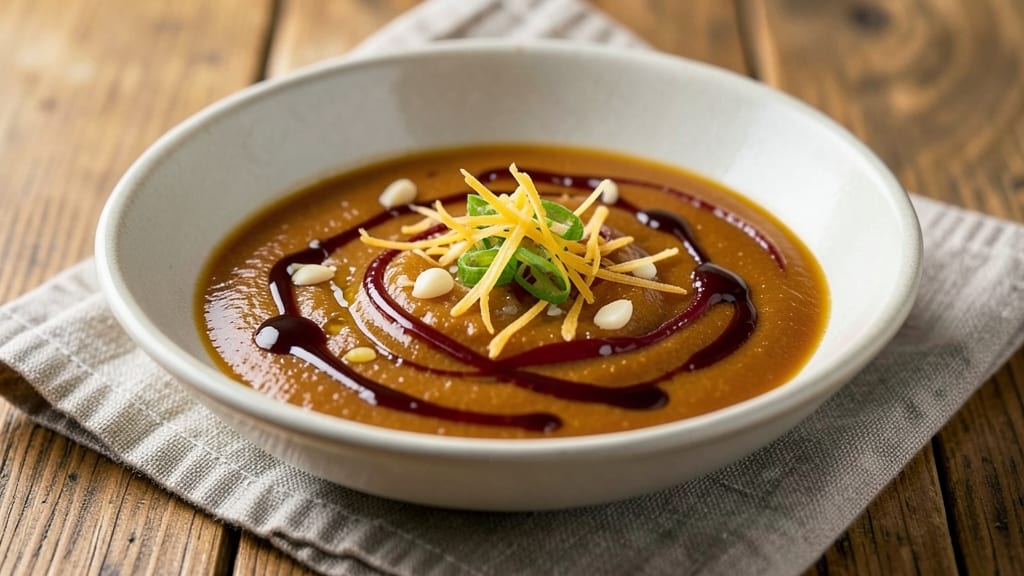
This banzai sauce recipe transforms grilled meats into restaurant-worthy masterpieces with its deep umami richness and smoky-sweet balance. The secret lies in simmering miso, tomato paste, and soy sauce until the flavors meld into a glossy, velvety glaze that caramelizes beautifully on high heat.
I developed this version after years of experimenting with Japanese-inspired sauces, and it’s now my go-to for everything from kebabs to steak.
The foundation is simple: a blend of white miso for umami depth, tomato paste for natural sweetness, and soy sauce for that signature salty punch. A touch of ginger and garlic adds warmth, while a splash of vinegar brightens the finish.
The sauce reduces to a thick, syrupy consistency that clings perfectly to grilled proteins, creating a caramelized crust with every bite.
What makes this sauce truly special is its versatility—it elevates grilled chicken, pork, or even vegetables with minimal effort. The smoky notes from the miso and soy pair beautifully with charred meats, while the subtle sweetness balances the heat.
Once you taste the difference between this homemade version and store-bought glaze, you’ll never go back.
Store any leftovers in an airtight container in the fridge for up to 2 weeks, or freeze for 3 months. The flavors only deepen over time, making it perfect for meal prep. Let’s get started on this game-changing sauce!
Ingredients for banzai sauce
Nine essential ingredients create this restaurant-quality glaze that transforms grilled meats into umami-packed masterpieces.
| Ingredient | Amount | Notes |
|---|---|---|
| White Miso Paste 🍶 | ½ cup | High-quality, unsweetened preferred |
| Tomato Paste 🍅 | ¼ cup | San Marzano preferred for sweetness |
| Light Soy Sauce 🥢 | ⅓ cup | Kikkoman or similar brand |
| Rice Vinegar 🍶 | 1 tbsp | Seasoned preferred for depth |
| Fresh Ginger 🧄 | 1 tbsp | Grated, aromatic, not powdered |
| Garlic Cloves 🧄 | 3 cloves | Minced, fresh preferred |
| Honey 🍯 | 1 tbsp | Local raw preferred for flavor |
| Sesame Oil 🫒 | 1 tsp | Toasted, not flavored |
| Water 💧 | ¼ cup | Filtered preferred for clarity |
| Diamond Crystal Kosher Salt 🧂 | ½ tsp | For seasoning balance |
The miso is the heart of this sauce—look for white miso in the refrigerated section of Asian markets or well-stocked grocery stores like Whole Foods. The San Marzano tomato paste makes all the difference with its naturally sweet, jammy texture—Trader Joe's carries it affordably. Soy sauce quality matters too; Kikkoman is my go-to for that clean, balanced flavor. Fresh ginger and garlic need to be aromatic, not woody. Costco
No white miso? Red miso at half the amount works in a pinch, but expect deeper color. Short on tomato paste? Crushed tomatoes strained and reduced gets you close, though the texture will be looser. The honey can be swapped for maple syrup if you're avoiding it. Sesame oil is non-negotiable for that nutty aroma—avoid the flavored kind with garlic or chili. For a smokier profile, add 1/2 tsp smoked paprika at the end. The rice vinegar adds brightness; if you only have white vinegar, reduce to 1 tsp and add a pinch of sugar. This sauce develops flavors as it sits—make a double batch and store it in glass jars. Keeps 2 weeks refrigerated or 3 months frozen. I always portion mine into ice cube trays before freezing; thaw just one cube for quick glaze applications. The texture thickens as it cools, so stir in a splash of water if it gets too stiff. Perfect for marinating or brushing on grilled meats—the caramelized crust is worth the effort.
Why You'll Love This Recipe
- Five-Ingredient Magic: That’s it—just five pantry staples and a knife. The miso and ginger do all the heavy lifting while you stir, no chopping, no peeling, no stress. Honestly, I’ve made it while scrolling through emails.
- Umami Bomb: The white miso and tomato paste team up for a depth that’s ridiculously addictive—savory, slightly sweet, with that bright vinegar kick. It’s the kind of flavor that makes you pause mid-bite and think, “Wait, why haven’t I done this sooner?”
- Weeknight Swiss Army: Slather it on grilled fish, toss it with noodles, or drizzle it over steamed veggies. I keep a jar in the fridge because it’s my go-to for lazy nights, potlucks, or when I’m too tired to think. Between us, it’s saved my dinner more times than I can count.
- Budget Workhorse: A little goes a long way—this sauce stretches across meals without breaking the bank. I buy miso and tomato paste in bulk, and a single batch lasts me weeks. Plus, the ginger freezes perfectly if it starts to wilt. Smart, simple, and sneaky affordable.
Step-by-step instructions for banzai sauce
This smoky miso-tomato glaze comes together in minutes with bold flavors that elevate grilled meats.
Bloom the Miso Paste
In a medium saucepan over medium-low heat, add the 0.5 cup white miso paste and let it warm gently for 1-2 minutes until it begins to soften and release its aromatic essence. This step is crucial—don't rush it. The miso should smell deeply umami and slightly sweet, with no burning odor. Stir occasionally to ensure even heating.
Here's the thing—miso contains live cultures that activate when warmed, developing those complex fermented flavors. If you see any oil separating, that's normal and actually enhances the sauce's richness. Keep the heat low to prevent the miso from cooking into a bitter paste. You'll know it's ready when it's fully incorporated into a smooth, velvety base.
Build the Sauce Base
Add the 0.25 cup tomato paste and 0.33 cup light soy sauce to the warm miso, stirring constantly to combine. Increase heat to medium and let the mixture simmer for 3-4 minutes until it begins to thicken slightly. You'll see the sauce darken and develop a glossy sheen—this is when the flavors start melding together.
Next, add the 1 tbsp grated fresh ginger and 3 minced garlic cloves. Stir for 30 seconds until fragrant—you should smell that bright, zesty ginger and pungent garlic cutting through the deep umami. This is where the sauce gets its layered complexity. If you're using seasoned rice vinegar, add it now along with the 1 tbsp honey and 0.5 tsp diamond crystal kosher salt. Stir well to incorporate.
Simmer and Reduce
Pour in the 0.25 cup water and bring the sauce to a gentle simmer. Reduce heat to low and let it cook uncovered for 8-10 minutes, stirring occasionally. You're looking for the sauce to reduce by about 25%—it should coat the back of a spoon and have a syrupy consistency. The color will deepen to a rich, smoky brown, and the aroma will become intensely complex.
This reduction step concentrates the flavors and creates that signature glaze texture. If the sauce starts to stick to the pan, add 1 tablespoon water at a time until it reaches your desired consistency. The sauce should be thick enough to cling to grilled meats but still pour smoothly. Real talk: this is where patience pays off—don't walk away. Stir occasionally to prevent burning.
Finish with Sesame Oil
Remove the sauce from heat and let it cool for 2-3 minutes. Just before serving, stir in the 1 tsp toasted sesame oil. This final step adds a nutty aroma and rich depth that ties all the flavors together. The sesame oil should be incorporated completely—you'll notice the sauce becomes even more glossy and inviting.
Taste and adjust the seasoning if needed. You might want to add a touch more soy sauce for saltiness or a splash of rice vinegar for brightness. The sauce should balance sweet, salty, umami, and slightly tangy notes. For best results, use it immediately on grilled meats, but it will keep in an airtight container in the refrigerator for up to 5 days. Reheat gently before using to preserve its texture.
Pro Tips For Making Banzai Sauce
- Dissolve the Miso Slowly: I learned this the hard way—dumping white miso paste straight into hot liquid makes it clump like glue. Instead, whisk it into a splash of cold water first (about 2 tablespoons) until it’s a smooth paste, then temper it with a little warm broth or vinegar before adding to the pan. This keeps the texture silky, not grainy.
- Grate the Ginger Fine: Skip the food processor for this one—fresh ginger needs to be grated finely (like matchsticks) to blend seamlessly into the sauce. A box grater with the smallest holes works best, and resist the urge to skip it: coarse ginger just sits there like little specks of regret. (Yes, even if you’re impatient like me.)
- Simmer, Don’t Boil: This sauce is all about balance, and boiling it turns the tomato paste into a bitter, watery mess. Keep the heat at a gentle simmer—small bubbles, occasional swirls—so the flavors meld without breaking down the miso’s umami or the vinegar’s brightness. I used to rush it, and the sauce always tasted flat afterward.
- Balance the Acidity Last: Add the rice vinegar after the sauce has thickened slightly, then taste and adjust. The miso and tomato paste can mask the tang at first, but you’ll want that bright finish. If it’s too sharp, a pinch of sugar or a splash of soy sauce smooths it out—just don’t overdo it, or you’ll lose the sauce’s punch.
Flavor customization for this recipe
Sweet & Tangy Twist
For a brighter finish, add 1 tbsp pineapple juice during the reduction phase—it cuts through the umami with tropical sweetness. I love this variation for grilled shrimp skewers.
Balance with an extra ½ tsp rice vinegar if needed to maintain acidity. The pineapple also works beautifully with 1 tsp lime zest for citrusy brightness. 🍍
Spicy Kick
Crank up the heat with 1 tsp gochujang (Korean chili paste) or ½ tsp sriracha during the simmer. For smoky heat, add ½ tsp smoked chili oil at the end.
This version pairs perfectly with grilled pork or chicken. If you prefer less heat, reduce the gochujang to ½ tsp and add ½ tsp honey to balance. 🌶️
Umami Boost
Deepening the umami profile is easy—swap ½ cup white miso for ¼ cup red miso and add 1 tsp fish sauce during the reduction. For a vegetarian option, use 1 tsp mushroom powder (like umami powder) instead of fish sauce.
This richer version works amazingly on grilled tofu or mushrooms. The miso-to-fish sauce ratio is key: 1:1 for balance. 🍄
Herb-Infused Variation
Fresh herbs elevate this sauce to new heights. Add 1 tbsp chopped cilantro or 1 tsp finely chopped basil at the very end (stirring gently to preserve their bright flavors). For a Mediterranean twist, include 1 tsp dried oregano during the simmer.
Herbs like thyme or rosemary (½ tsp each) add earthy depth. Always add herbs last to prevent bitterness. ✨
Smoky Depth
For a smokier profile, add ½ tsp liquid smoke during the reduction or 1 tsp smoked paprika at the end. Charred onion powder (½ tsp) works too—simmer it with the miso for 1 minute before adding other ingredients.
This version is perfect for grilled ribs or steak. The key is balance: ½ tsp liquid smoke max to avoid overpowering the sauce. 🔥
Sweet & Nutty Finish
Add 1 tbsp peanut butter (smooth, unsweetened) during the reduction for a creamy, nutty twist. Stir in 1 tsp toasted sesame seeds at the end for crunch. This variation pairs beautifully with grilled chicken or pork.
For extra richness, use 1 tbsp tahini instead of peanut butter. The sauce will have a velvety texture with a satisfying nutty finish. 🥜
Nutrition facts
Frequently asked questions
Can I make this sauce without miso paste?
You can substitute miso with a combination of 2 tbsp soy sauce and 1 tbsp white miso powder if needed, though the umami depth will be slightly different. For a vegetarian alternative, use 1 tbsp nutritional yeast plus 1 tsp mushroom powder—this mimics the savory notes while keeping the sauce cohesive.
How thick should the sauce be for grilling?
The perfect consistency is like thick honey—it should coat the back of a spoon but still pour smoothly. If it's too thick, add 1 tsp water at a time while reheating. For brushing, aim for a sauce that clings without dripping. Too thin? Simmer uncovered for 2-3 extra minutes to reduce further.
Can I use this sauce as a marinade?
Yes, but dilute it first! Mix ½ cup sauce with ½ cup olive oil and 1 tbsp honey for a balanced marinade. Let proteins marinate for 2-4 hours (chicken/pork) or 4-6 hours (beef) in the fridge. The sauce's acidity (from vinegar) helps tenderize, but don't over-marinate or the texture may become mushy.
Why did my sauce turn bitter?
Overcooking the miso or burning the sauce causes bitterness. Keep heat at medium-low and stir constantly during simmering. If it happens, balance it with ½ tsp honey or 1 tsp rice vinegar to restore harmony. For next time, reduce heat to low during the final 5 minutes of simmering.
What's the best way to store leftovers?
Transfer to an airtight glass jar and refrigerate for up to 2 weeks. For longer storage, freeze in 1-tbsp portions (ice cube trays work great!). Thaw in the fridge overnight—never microwave. The sauce thickens when cold, so stir in 1 tsp water before reheating.