
Sauces & Condiments
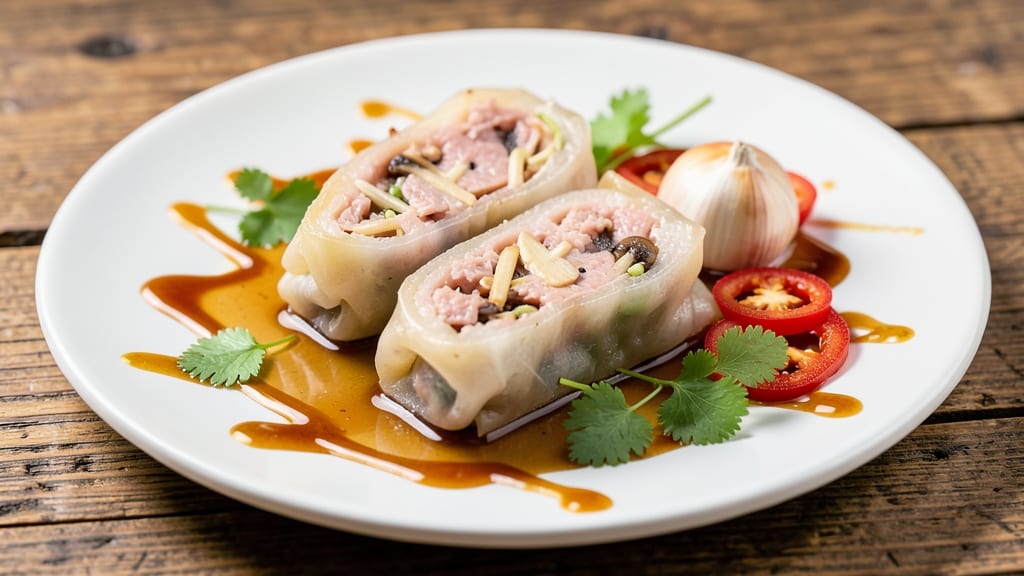
This banh cuon sauce recipe captures the perfect balance of tangy, sweet, and umami flavors that elevate every bite of Vietnamese spring rolls. The harmony of fish sauce, lime, and sugar creates a sauce that’s light yet bold, designed to complement the delicate flavors of banh cuon without overpowering them.
What makes this recipe special is its simplicity—just a few ingredients, minimal effort, and a technique that ensures the sauce is always fresh and vibrant.
The foundation of this sauce lies in its traditional roots, inspired by nước chấm but tailored specifically for banh cuon. Fish sauce provides the salty, savory depth, while lime juice adds a bright, citrusy tang that cuts through the richness.
A touch of sugar balances the acidity, creating a smooth, well-rounded flavor that’s addictive in every sip. The sauce is best made fresh, but a few simple steps ensure it stays flavorful for up to a week in the refrigerator.
What you’ll achieve is a sauce that’s versatile enough to pair with banh cuon, grilled meats, or even fresh spring rolls. The texture is light and slightly syrupy, clinging perfectly to each bite while enhancing the natural flavors of the dish.
This isn’t just a dipping sauce—it’s a flavor enhancer that transforms a simple meal into something extraordinary.
Ready to elevate your banh cuon experience? This sauce is quick to prepare and even quicker to disappear. Let’s dive into the ingredients and instructions to bring this harmony to your table.
Ingredients for banh cuon sauce
The perfect balance of tangy, umami, and sweet—just five core ingredients transform into vibrant banh cuon sauce.
| Ingredient | Amount | Notes |
|---|---|---|
| Fish Sauce 🐟 | ½ cup | Red Boat preferred for quality |
| Fresh Lime Juice 🍋 | ¼ cup | About 2-3 limes, freshly squeezed |
| Granulated Sugar 🍚 | ¼ cup | White or brown sugar works |
| Water 💧 | ¼ cup | Room temperature preferred |
| Garlic Cloves 🧄 | 2 cloves | Minced for authentic flavor |
| Fresh Chili Pepper 🌶️ | 1 whole | Thinly sliced, Thai chili preferred |
| Black Peppercorns 🌶️ | ½ tsp | Freshly ground for texture |
| Sesame Oil 🫒 | 1 tbsp | Toasted, for aroma |
| Fish Sauce 🐟 | 1 tbsp | Additional for balancing |
| Salt 🧂 | ¼ tsp | Adjust to taste |
Fish sauce is the soul of this recipe—Red Boat or Three Crabs brands deliver the most authentic depth. Look for brands labeled 'premium' or 'export quality' at Asian markets, or the international aisle of larger grocery stores. Fresh lime juice is non-negotiable; bottled won't cut it. The sugar should be fine granulated, but coconut sugar adds subtle caramel notes if you're feeling adventurous. Garlic and chili should be bright and aromatic—no wilted or dried-out cloves. For the sesame oil, Kadoya or La Choy are reliable brands that won't overpower the delicate balance.
No fish sauce? Soy sauce plus a pinch of MSG approximates the umami, though it won't be identical. Substitute lime with lemon juice plus extra sugar (reduce sugar by 1 tbsp), but the flavor won't be quite as vibrant. Running short on sugar? Honey or agave at 1:1 ratio works, though it'll be slightly thicker. For heat, sriracha or sambal oelek can replace fresh chili (use 1 tsp), but they'll add different textures. The black peppercorns add subtle complexity—skip them if you prefer a smoother sauce, but they're worth the effort for that restaurant-quality finish.
This sauce keeps beautifully—up to 1 week in the fridge, though it tastes freshest within 3 days. Store it in a sealed glass jar with a tight lid, and give it a quick stir before each use. For longer storage, freeze in ice cube trays—thaw overnight in the fridge. The texture will be slightly thicker after freezing, so add a splash of water to restore it. Double the recipe if you're feeding a crowd—it disappears faster than you'd think, especially when paired with crispy banh cuon.
Why You'll Love This Recipe
- Five-Ingredient Magic: I swear by this—just fish sauce, lime, sugar, water, and garlic. That’s it. No fancy gadgets, no last-minute grocery runs. Honestly, I keep the ingredients in my pantry just for this sauce because it’s always there when I need it.
- Umami Bomb: The garlic sizzles first, then the fish sauce deepens into something rich and salty. Add the lime? Instant brightness. It’s the kind of sauce that makes you close your eyes and think, “This is why I cook.”
- Weeknight Hero: I’ve drizzled this over banh cuon for lazy Sundays, packed it in lunches, and even used it to wake up takeout noodles. Between us, it’s my go-to for when I’m too tired to think but still want flavor.
- Budget-Friendly Luxury: Fish sauce and sugar are cheap, but this sauce tastes like a splurge. I’ll be real: I’ve made it stretch over three meals—first with rice paper rolls, then stir-fried veggies, and even as a quick marinade. No waste, all win.
Step-by-step instructions for banh cuon sauce
This sauce balances sweet, salty, and spicy flavors with precise technique.
Prepare the Base Ingredients
In a small saucepan, combine the 0.5 cup fish sauce, 0.25 cup granulated sugar, and 0.25 cup water. Bring to a gentle simmer over medium heat, stirring constantly until the sugar fully dissolves. This creates a smooth foundation that will carry all the other flavors.
Simmer for 3-4 minutes until the mixture reduces slightly and becomes syrupy. You'll notice the aroma intensify as the fish sauce and sugar meld together. This reduction step is crucial—it concentrates the flavors and removes any raw taste from the fish sauce.
Add Aromatics and Spices
Reduce heat to low and add the minced 2 cloves garlic, thinly sliced 1 whole fresh chili pepper, and 0.5 tsp freshly ground black peppercorns. Stir gently to combine, allowing the garlic and chili to infuse for 1-2 minutes—just until fragrant but not browned.
Here's the thing—don't let the garlic burn. It should smell sweet and pungent, not bitter. If it starts to darken, immediately remove the pan from heat. The chili should add a bright, fresh heat without overwhelming the delicate fish sauce base.
Incorporate Lime and Final Touches
Remove the pan from heat and stir in the 0.25 cup fresh lime juice and 1 tbsp sesame oil. The lime juice will brighten the sauce and cut through the richness. The sesame oil adds an aromatic depth that's essential for authentic banh cuon flavor.
Return to very low heat and add the 1 tbsp fish sauce and 0.25 tsp salt. Stir gently for 30 seconds to fully incorporate. Taste and adjust seasoning—you want a balance of sweet, salty, spicy, and umami. The sauce should coat the back of a spoon with a glossy sheen.
Rest and Serve
Transfer the sauce to a bowl and let it rest at room temperature for 10-15 minutes. This resting period allows all the flavors to meld completely. The sauce will thicken slightly as it cools, creating the perfect consistency for dipping.
Serve immediately with fresh banh cuon rolls. The sauce should be vibrant in color—deep amber with red flecks from the chili—and have a perfect balance of flavors that complement the delicate rice paper rolls. For best results, serve while the rolls are still warm.
Pro Tips For Making Banh Cuon Sauce
- Minced Garlic, Not Sliced: I learned this the hard way—sliced garlic burns fast and turns bitter in this sauce. Use a knife or press to mince it finely; it releases flavor evenly without scorching. (Yes, even if you’re impatient like me.)
- Simmer Low and Slow: This sauce isn’t a race. Once you add sugar and fish sauce, keep the heat at a bare simmer—no boiling. I used to rush it, and the sauce would taste harsh and one-dimensional. Let it mellow for 5–7 minutes.
- Balance the Lime Last: Add lime juice after the sauce has simmered and cooled slightly. Fresh lime can curdle hot fish sauce, making the sauce cloudy. Taste as you go—better to add a splash more than regret it.
- Use Reduced Fish Sauce: Skip the water shortcut. Reduce 2 tablespoons of fish sauce in a dry pan for 2–3 minutes before adding to the sauce—it deepens the umami without overpowering. (Your future self will notice the difference.)
Storing and reheating your leftovers
Room-Temp Prep
Let your sauce rest at room temperature for 10-15 minutes before serving—this crucial step allows the flavors to fully meld. The sauce will naturally thicken slightly as it cools, creating that perfect glossy sheen that clings beautifully to banh cuon.
I always find the first few dips taste the most vibrant when served fresh from this resting period. 💫
Fridge Storage
Store your sauce in an airtight glass container in the refrigerator where it'll keep for up to 1 week. The glass preserves the sauce's integrity better than plastic, and the tight seal prevents contamination.
Always give it a good stir before using—settled ingredients can create flavor separation. I like using Le Parfait 16oz jars for their sturdy lids.
Freezing Tips
For longer storage, freeze the sauce in ice cube trays—this makes it easy to thaw just what you need. Once frozen, transfer the cubes to a freezer bag with all air removed to prevent freezer burn.
Thaw overnight in the fridge and add a splash of water if the texture seems too thick after reheating. The frozen cubes work perfectly for batch cooking sessions. ❄️
Reheating Methods
For the best texture, reheat your sauce gently on the stovetop over low heat for 1-2 minutes—just enough to warm through without breaking down the delicate balance. Microwaving is possible but can make the sauce slightly watery.
I find a 30-second pulse on medium power works best if you're in a hurry. Always taste after reheating and adjust seasoning if needed.
Sauce Refresh
If your refrigerated sauce loses some of its brightness, revive it by adding 1 tsp fresh lime juice and ½ tsp sesame oil. Stir well and let it sit for 5 minutes before serving.
This quick fix restores that restaurant-quality vibrancy. The key is never to overheat or over-dilute—just a little fresh acidity and aroma makes all the difference.
Portioning
Divide your sauce into small ramekins for individual servings if you're entertaining. This keeps the sauce fresh and prevents cross-contamination with other dishes. I like using 6oz ceramic dipping bowls for an elegant presentation. The smaller portions also help control how much sauce each guest uses—this stuff disappears fast! 🍽️
Nutrition facts
Frequently asked questions
Can I make this sauce without fish sauce?
You can substitute with soy sauce plus ¼ tsp MSG for umami depth, though the flavor won't be identical. For a vegetarian version, try 1 tbsp coconut aminos + ½ tsp mushroom powder, but adjust sweetness (reduce sugar by 1 tbsp). The sauce will still work but lose its traditional Vietnamese character.
Why does my sauce taste too salty?
Fish sauce is potent—start with ¼ cup and taste as you go. If oversalted, balance with 1 extra tbsp sugar or 1 tbsp lime juice to refresh. Never add water, as it dilutes the flavor. The key is gradual adjustment while the sauce cools.
How spicy should the sauce be?
The recipe uses 1 thinly sliced Thai chili for mild heat. For extra kick, add ½ tsp chili flakes or 1 tsp sriracha at the end. Adjust to your tolerance—Vietnamese dipping sauces often have subtle heat that enhances, rather than overpowers, the dish.
Can I use bottled lime juice instead of fresh?
Bottled juice works in a pinch, but fresh lime adds vital brightness. If substituting, reduce sugar by 1 tbsp (bottled juice is sweeter) and add ½ tsp extra salt to compensate for lost acidity. The texture may also be slightly thinner without fresh lime's natural pectin.
What's the best way to serve this sauce?
Serve in small ceramic dipping bowls alongside warm banh cuon. For presentation, drizzle a thin stream of sauce over the rolls before serving. The sauce pairs beautifully with grilled pork, shrimp, or even fresh herbs like mint or cilantro. Keep extra on the table—it disappears quickly!