
Sauces & Condiments
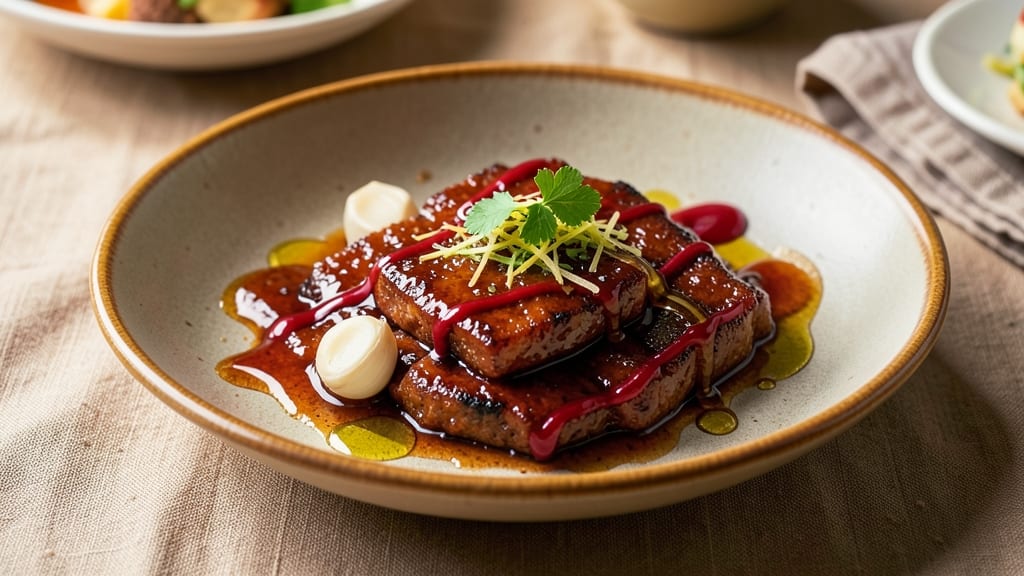
This balsamic teriyaki sauce recipe transforms ordinary dishes into restaurant-worthy masterpieces with its perfect balance of sweet, tangy, and umami-rich flavors. The marriage of balsamic vinegar and traditional teriyaki creates a glaze that's complex yet approachable—ideal for glazing proteins, drizzling over vegetables, or even as a dipping sauce.
I developed this recipe after years of experimenting with Asian-inspired sauces, always searching for that perfect harmony between sweetness and depth.
The secret lies in the reduction process, where the sauce develops concentrated flavor while maintaining a glossy, clingy texture. You'll start with simple pantry staples—teriyaki sauce, balsamic vinegar, honey, and a touch of garlic and ginger—then simmer until thickened.
This method preserves all the vibrant flavors while creating a sauce that's rich enough to stand alone yet versatile enough to complement any dish.
By the end, you'll have a glossy, aromatic sauce that adds both visual appeal and bold flavor to your meals. The balsamic element adds a sophisticated tang that elevates standard teriyaki, while the honey keeps it perfectly balanced.
This sauce works beautifully on grilled chicken, seared tofu, or even roasted vegetables—transforming simple ingredients into something extraordinary.
The best part? It keeps well in the refrigerator for up to two weeks, making it perfect for meal prep. Whether you're planning a weeknight dinner or a weekend feast, this sauce will become your new go-to for adding depth and complexity to every bite.
Let's get started on creating your signature glaze.
Ingredients for balsamic teriyaki sauce
Nine ingredients transform into a restaurant-quality sauce that elevates any dish.
| Ingredient | Amount | Notes |
|---|---|---|
| Store-Bought Teriyaki Sauce 🍶 | 1 cup | High-quality brand preferred |
| Balsamic Vinegar 🍷 | ½ cup | Aged 25 years or more |
| Raw Honey 🍯 | ¼ cup | Local or wildflower preferred |
| Fresh Garlic Cloves 🧄 | 3 cloves | Minced for depth of flavor |
| Fresh Ginger Root 🌿 | 1 tbsp | Finely grated, aromatic |
| Extra-Virgin Olive Oil 🫒 | 1 tbsp | For glossy finish |
| Soy Sauce 🥢 | 1 tbsp | Dark soy for rich color |
| Sesame Oil 🌰 | 1 tsp | Toasted for nutty aroma |
| Diamond Crystal Kosher Salt 🧂 | ½ tsp | For seasoning balance |
| Freshly Ground Black Pepper 🌶️ | ¼ tsp | Enhances umami notes |
The balsamic vinegar is non-negotiable here—look for aged varieties at specialty stores like Whole Foods or Trader Joe's. The deeper the aging, the richer the flavor profile. For teriyaki sauce, La Choy or Kikkoman brands deliver consistent quality, but don't be afraid to check the Asian market for small-batch options. Fresh ginger and garlic should be vibrant and firm, with no soft spots. Penzeys Spices carries excellent pre-minced garlic if you're short on time, though fresh is always superior. The honey should be raw and local—local farmers markets often have amazing small-batch options that elevate this sauce beyond basic recipes.
No aged balsamic? Substitute with 2 tbsp of red wine vinegar plus 1 tsp of brown sugar—it won't be identical, but you'll still get that tangy depth. Running out of soy sauce? Coconut aminos work beautifully, though the color will be lighter. Want to reduce the sweetness? Cut the honey to 2 tbsp and add 1 tsp of rice vinegar. The sesame oil is optional but adds that signature nutty aroma—skip it if you're avoiding strong flavors. For a smoother texture, strain the sauce through a fine-mesh sieve after cooking, removing any garlic or ginger bits that might make it slightly gritty.
This sauce keeps beautifully in an airtight container in your fridge for up to 2 weeks. The flavors actually deepen over time, making it perfect for meal prep. For longer storage, freeze in ice cube trays—thaw just what you need for each meal. The sauce thickens as it cools, so if it seems too stiff after refrigeration, simply reheat gently with a splash of water or a few drops of olive oil. Trust me, the first time you drizzle this over seared scallops or brush it on grilled chicken, you'll be hooked—it's worth making a double batch.
Why You'll Love This Recipe
- Five-Ingredient Magic: I swear by this—just mix the store-bought teriyaki with balsamic, a drizzle of honey, and a quick minced garlic-ginger paste. No fancy techniques, no stress, and honestly? It feels like cheating when it works this well.
- Sweet-Savory Balance: That balsamic cuts through the teriyaki’s sweetness while the honey rounds it out—like a grown-up version of your favorite takeout sauce. The garlic and ginger? They wake up every bite, so it’s never boring.
- Weeknight to Dinner Party: Slather it on grilled chicken for a 20-minute meal, drizzle it over noodles for instant comfort, or toss it with roasted veggies for a crowd. I’ve used it for everything from Tuesday takeout to Sunday suppers, and it never lets me down.
- Leftovers That Don’t Suck: Make a big batch—it keeps for weeks in the fridge—and the flavor only gets better as it mellows. Freeze half for lazy days, and trust me, you’ll reach for this jar before anything else in your pantry.
Step-by-step instructions for balsamic teriyaki glaze
This fusion sauce delivers bold depth with minimal effort—perfect for glazing grilled meats or drizzling over roasted vegetables.
Prepare Aromatic Base with Fresh Ginger and Garlic
Heat the 1 tablespoon extra-virgin olive oil in a medium saucepan over medium-low heat. Add the 1 tablespoon finely grated fresh ginger root and 3 cloves minced fresh garlic cloves, stirring constantly for 60-90 seconds until fragrant but not browned. The garlic should smell pungent and sweet—this is your flavor foundation.
Watch the heat carefully—ginger burns quickly, turning bitter. If the mixture darkens before the garlic softens, reduce heat immediately. Once aromatic, remove the pan from heat temporarily while you prepare the remaining ingredients. This step builds the umami backbone that makes the sauce so complex.
Combine Wet Ingredients for Balanced Flavor
Return the pan to medium heat and add the 1 cup store-bought teriyaki sauce, 0.5 cup balsamic vinegar, and 0.25 cup raw honey. Stir vigorously to combine, letting the mixture simmer for 3-4 minutes until slightly thickened. You'll notice the sauce reduce slightly and develop a glossy sheen—this indicates the honey is dissolving properly and the flavors are melding.
Here's the thing—don't rush this simmer. The balsamic vinegar needs time to mellow its acidity while the honey caramelizes just enough to deepen the sweetness. If you see the sauce threatening to stick, add 1-2 tablespoons water to prevent burning, but return to heat immediately.
Incorporate Soy and Sesame for Depth
Reduce heat to low and stir in the 1 tablespoon soy sauce and 1 teaspoon sesame oil. The soy sauce will darken the glaze slightly, while the sesame oil adds nutty aroma. Let the mixture simmer gently for another 2-3 minutes, stirring occasionally. You're looking for a sauce that coats the back of a spoon but still flows smoothly—this consistency ensures perfect adhesion to proteins.
This is where the magic happens. The soy sauce enhances umami while balancing the sweetness, and the sesame oil provides that distinctive nutty finish. Taste as you go—this sauce should be sweet, tangy, and slightly salty, with layers of complexity rather than one-dimensional flavor.
Season and Finish with Precision
Remove the pan from heat and stir in the 0.5 teaspoon diamond crystal kosher salt and 0.25 teaspoon freshly ground black pepper. The salt should brighten all the flavors while the pepper adds a subtle heat that cuts through the sweetness. Let the sauce rest for 5 minutes off the heat—this allows the flavors to fully integrate and the texture to stabilize.
Real talk: Don't skip the resting time. The sauce will continue to thicken slightly as it cools, and the flavors will meld more completely. If you're using this immediately, strain it through a fine-mesh sieve to remove any ginger fibers for a silky texture. For maximum shelf life, transfer to a clean jar and refrigerate—this glaze keeps beautifully for up to 2 weeks.
Pro Tips For Making Balsamic Teriyaki Sauce
- Simmer Low and Slow: Start on medium heat, then drop to the lowest setting you can tolerate—this sauce needs time to marry flavors, not burn. I’ve learned the hard way that rushing it turns balsamic into vinegar overkill, and the honey just clings like syrup instead of blending in.
- Grate, Don’t Mince Ginger: Use a fine grater for the ginger—it releases more flavor and avoids the clumpy texture minced chunks can leave. Trust me, your sauce will taste deeper, and you won’t spend 10 minutes straining out stubborn bits later.
- Balance the Balsamic First: Taste the raw balsamic before adding honey—if it’s too sharp, mix in a splash of teriyaki sauce first to soften the acid. This one step keeps the final sauce from tasting like a vinegar punch to the face.
- Infuse Garlic in Oil: Sauté the garlic in 1 teaspoon of neutral oil for 30 seconds until fragrant—this prevents it from turning bitter in the sauce. (Yes, it’s an extra step, but your sauce will taste like it came from a restaurant, not a jar.)
Perfect pairings for this recipe
Grilled Protein Pairings
This sauce transforms simple grilled chicken thighs into a showstopper. Brush 4-6 bone-in thighs with the sauce during the last 5 minutes of grilling at 400°F—the high heat caramelizes the glaze beautifully.
For extra tenderness, marinate the chicken in 2 tbsp soy sauce and 1 tbsp honey for 30 minutes before grilling. 🍗
Seared salmon fillets get an elegant upgrade with this glaze. Pat 4 salmon fillets dry, season with salt and pepper, then sear skin-side down in a hot pan with 1 tbsp olive oil for 3-4 minutes.
Flip, brush with sauce, and finish under a broiler for 2-3 minutes to create a glossy crust.
Vegetable Glazes
Roasted Brussels sprouts become irresistible with this sauce. Toss 1 lb halved sprouts with 1 tbsp olive oil, ½ tsp salt, and roast at 425°F for 20 minutes.
Drizzle with sauce in the final 5 minutes for a sticky, caramelized finish. The balsamic depth complements the sprouts' natural bitterness perfectly. 🥦
Try it on portobello mushrooms for a vegetarian main dish. Brush 4 large portobellos with sauce after searing them in a cast-iron skillet for 4 minutes per side. Finish under the broiler for 3 minutes to create a rich, umami-packed glaze that rivals meat dishes.
Dipping Sauce Potential
This sauce doubles as an incredible dipping sauce for spring rolls or dumplings. Serve it warm in a small bowl with chopped scallions and toasted sesame seeds for texture contrast.
The balance of sweet, tangy, and umami makes it addictive—perfect for appetizers or as a condiment at your next Asian-inspired feast. 🥟
For extra richness, stir 1 tbsp melted butter into the warm sauce just before serving. This adds a velvety texture that pairs beautifully with crispy fried foods like tempura or chicken nuggets. The contrast of creamy butter against the tangy glaze is pure magic.
Breakfast Applications
Elevate your breakfast game by drizzling this sauce over scrambled eggs or a veggie omelet. Cook 6 eggs with ¼ cup milk and 2 tbsp cream cheese, then finish with a generous pour of the warm sauce. The sweet-tangy flavor cuts through the richness beautifully. 🍳
Use it as a marinade for breakfast sausages or bacon. Toss 8 slices bacon in ¼ cup sauce and bake at 375°F for 20 minutes, flipping halfway. The result is a sweet, sticky bacon that's perfect for sandwiches or breakfast platters.
Nutrition facts
Frequently asked questions
Can I make this sauce without balsamic vinegar?
Yes, but the flavor will be less complex. Replace the ½ cup balsamic vinegar with ¼ cup red wine vinegar plus 1 teaspoon brown sugar to mimic the tangy depth. For a sweeter profile, use ¼ cup apple cider vinegar plus 1 teaspoon maple syrup. The balsamic's caramelized notes are key to the sauce's signature richness.
How do I adjust the sweetness level?
Start with the recipe as written, then taste as you go. For less sweetness, reduce honey to 2 tablespoons and add 1 teaspoon rice vinegar to balance. For extra sweetness, add 1-2 teaspoons more honey during the final simmer. The balsamic vinegar's acidity helps counteract sweetness, so don't overcorrect.
What's the best way to use this sauce on tofu?
Press 1 block extra-firm tofu for 20 minutes, then cut into cubes. Pan-fry in 1 tablespoon sesame oil until golden (4-5 minutes per side). Toss with 2 tablespoons sauce and broil for 3 minutes to caramelize. The sauce's tangy-sweet profile complements tofu's neutral flavor beautifully.
Can I make this sauce in a slow cooker?
Combine all ingredients in your slow cooker on low heat for 2-3 hours, stirring occasionally. The low-and-slow method enhances the flavors without risk of burning. For a quicker version, use high heat for 1 hour, but monitor closely to prevent sticking. The texture will be slightly thinner than stovetop, but still delicious.
Why did my sauce turn out too thin?
This usually happens from over-diluting or insufficient reduction. Simmer uncovered on low heat for 5-10 extra minutes to thicken. For immediate results, mix 1 teaspoon cornstarch with 1 tablespoon water, stir into the sauce, and heat until thickened. The sauce should coat the back of a spoon but still flow smoothly.