
Sauces & Condiments
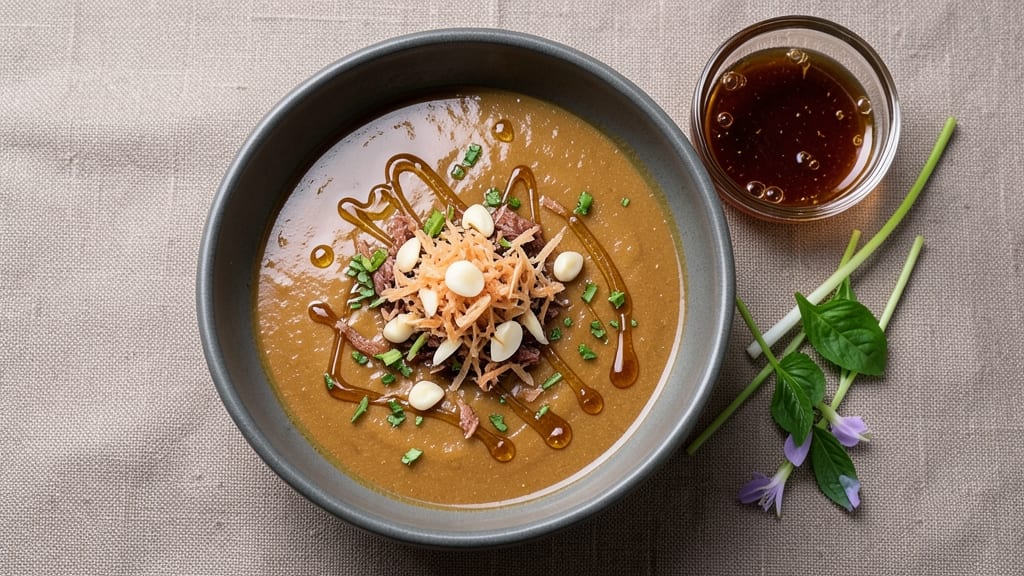
This Asian fusion sauce recipe transforms simple stir-fries and bowls into restaurant-quality meals with just a few pantry staples. The secret lies in balancing sweet, umami, and spicy notes—think caramelized ginger, toasted garlic, and a touch of chili heat that lingers on your tongue.
I developed this after craving a sauce that bridged my love for Japanese teriyaki and Thai peanut flavors, and it’s become my go-to for weeknight dinners and weekend feasts.
The magic happens in the slow simmer, where soy sauce, fish sauce, and honey meld into a glossy, aromatic base. Toasted sesame oil adds depth, while fresh lime juice brightens the finish.
Unlike store-bought sauces, this one delivers bold, complex flavors without artificial additives, and it keeps beautifully in the fridge for up to 2 weeks or freezes for 3 months.
Use it as a marinade for grilled chicken, a dipping sauce for spring rolls, or a glaze for roasted vegetables—each application highlights its versatility. The sauce’s sweet-spicy balance elevates even the simplest dishes, making it a pantry essential for anyone who loves Asian-inspired flavors but wants something fresh and customizable.
For extra depth, stir in a spoonful of miso paste or coconut milk, or adjust the heat with chili flakes. The possibilities are endless, but the foundation remains foolproof. Let’s make this sauce—the one that’ll have everyone asking for your recipe.
Ingredients for asian fusion sauce
Pantry staples meet bold Asian flavors in this sauce that bridges Japanese and Thai traditions effortlessly.
| Ingredient | Amount | Notes |
|---|---|---|
| Soy Sauce 🥢 | ½ cup | High-quality, preferably Japanese |
| Fish Sauce 🐟 | ¼ cup | Red Boat preferred for quality |
| Honey 🍯 | ¼ cup | Pure, unprocessed honey |
| Toasted Sesame Oil 🫒 | 2 tbsp | For authentic aroma |
| Fresh Ginger 🌿 | ½ cup | Finely grated, fresh only |
| Garlic Cloves 🧄 | 6 cloves | Minced, not pre-minced |
| Fresh Lime Juice 🍋 | ¼ cup | Strained, no pulp |
| Chili Flakes 🌶️ | 1 tbsp | Adjust for heat preference |
| Sesame Seeds 🌰 | 1 tbsp | Toasted, for garnish |
| Water 💧 | ¼ cup | For thinning consistency |
The soy sauce and fish sauce are your umami foundation—Red Boat fish sauce is worth the splurge if you can find it, but any quality brand works. Japanese soy sauce (like Kikkoman) has deeper flavor than American versions. Fresh ginger and garlic are non-negotiable here; pre-minced garlic loses its punch, and dried ginger just doesn't cut it. I always grab organic ginger from the produce section at Whole Foods—it's brighter and less fibrous. Toast your sesame seeds in a dry pan for 30 seconds before adding to the sauce; that extra crunch and aroma make all the difference.
No fish sauce? Coconut aminos in a 1:1 swap works surprisingly well, though it'll taste subtly different. Running short on honey? Maple syrup or agave nectar keeps the sweetness balanced. The chili flakes can be swapped for fresh chili paste (like sambal oelek) at half the amount—just taste as you go. For extra depth, miso paste (white or red) adds fermented complexity. Pro tip: if your sauce feels too thick after simmering, add water or rice vinegar a tablespoon at a time until it reaches that perfect glossy consistency—like silk.
This sauce keeps beautifully—up to 2 weeks in the fridge sealed tightly, or 3 months frozen in ice cube trays for single-use portions. I always make double batches because it disappears fast. For storage, pour into a glass jar and press plastic wrap directly on the surface to prevent that dreaded 'sauce skin.' Freeze extras in small containers so you can grab just what you need for a quick stir-fry. The flavors actually improve after a day or two as everything melds together—so make it ahead if you can.
Why You'll Love This Recipe
- Pantry Magic: I swear by this sauce—no shopping trips, no fancy prep. Just reach for what’s already there: soy, fish sauce (trust me, it’s the umami bomb), honey for that sticky-sweet balance, and a knob of ginger I grate while chatting with my neighbor’s dog. Zero waste, zero fuss.
- Sweet-Savory Balance: That first hit of ginger and fish sauce? Sharp and punchy. Then the honey softens it into something ridiculously addictive—like a caramelized glaze for stir-fries or a drizzle over grilled chicken. It’s the kind of flavor that makes you pause mid-bite and go, “Wait, why haven’t I done this sooner?”
- Works Everywhere: Slather it on rice bowls, toss it with noodles, or use it as a marinade for tofu. Even my picky teen devours it when I drizzle it over fries—yes, really. It’s my secret weapon for turning simple meals into “wow, you cooked this?” moments without extra effort.
- Lasts All Week: Make a big batch (it keeps for weeks in the fridge) and thank me later. A splash here, a splash there—it’s my go-to for lazy nights or when I’m prepping meals for the family. Plus, fish sauce and soy are cheap, so you’re basically getting gourmet flavor on a budget. Win-win.
Step-by-step instructions for Asian fusion sauce
Here's how to craft a vibrant, umami-rich sauce that bridges East Asian flavors with a modern twist.
Prepare the Aromatics
In a small bowl, finely grate the 0.5 cup Fresh Ginger using a microplane or the smallest holes on a box grater. I like to press the grated ginger through a fine-mesh strainer to remove any fibrous bits—this ensures a silky texture in the finished sauce. In a separate bowl, mince the 6 cloves Garlic Cloves using a sharp chef's knife. For even distribution, I press each clove through a garlic press after mincing, which gives you that perfect balance between texture and flavor.
Set both the ginger and garlic aside—they'll be your flavor foundation. The key here is freshness; pre-minced garlic or jarred ginger lacks the bright, vibrant punch that fresh ingredients bring. This step is where the sauce's depth starts building, so don't rush it.
Bloom the Spices and Build the Base
Heat a small saucepan over medium-low heat and add the 2 tbsp Toasted Sesame Oil. Let it warm for 30 seconds until it shimmers—this activates the oil's nutty aroma without burning it. Add the minced garlic and grated ginger, stirring constantly for 1-2 minutes until the mixture becomes fragrant and the raw garlic smell disappears.
Here's where it gets interesting: I add the 1 tbsp Chili Flakes now to infuse their heat into the oil. Stir for another 30 seconds until the flakes darken slightly and release their aroma. This step prevents the chili from clumping and ensures an even distribution of heat throughout the sauce. Remove the pan from heat immediately—ginger and garlic burn faster than you think.
Combine Wet Ingredients
Return the pan to medium heat and add the 0.5 cup Soy Sauce and 0.25 cup Fish Sauce. Let the mixture simmer gently for 2-3 minutes, stirring occasionally, until it begins to reduce slightly and develop a glossy sheen. This is where the umami magic happens—the soy and fish sauces marry to create that signature savory depth.
Next, whisk in the 0.25 cup Honey and 0.25 cup Fresh Lime Juice. The honey will initially look like it's separating, but keep stirring—it'll emulsify as the mixture heats. The lime juice adds a bright acidity that cuts through the richness. If you're using high-quality honey, you'll notice its floral notes complementing the umami perfectly. Simmer for another 2 minutes, stirring constantly to prevent scorching.
Finish and Adjust
Remove the pan from heat and stir in the 0.25 cup Water. This thins the sauce to a perfect consistency for tossing with stir-fries or drizzling over bowls. Taste and adjust the balance: need more sweetness? Add a touch more honey. Too salty? A splash of water or lime juice helps. The sauce should coat the back of a spoon with a velvety texture, not be watery or cloying.
For that final touch, toast the 1 tbsp Sesame Seeds in a dry skillet over medium heat for 1-2 minutes until golden and fragrant. Sprinkle them over the finished sauce just before serving—they add a delightful crunch and aromatic finish that elevates the dish. This sauce keeps well in the refrigerator for up to 5 days, so make extra for future meals!
Pro Tips For Making Asian Fusion Sauce
- STEAM THE GINGER FIRST: Peel and slice the ginger, then microwave it in a damp paper towel for 30 seconds—this softens it without turning it to mush. I learned this the hard way after trying to grate raw ginger straight into the sauce and ending up with a grainy, bitter mess.
- SIMMER LOW AND SLOW: Start the sauce on medium heat, but once everything’s combined, drop it to the lowest setting you can tolerate. Rushing this step makes the fish sauce smell like a sushi bar disaster instead of adding depth. Let it bubble gently for at least 5 minutes—patience here makes all the difference.
- TASTE THE FISH SAUCE ALONE: Before adding it to the sauce, pour a teaspoon onto a spoon and taste it straight. If it’s too harsh or salty, dilute it with a splash of water first. I’ve ruined sauces by ignoring this step, and you’ll know exactly what I mean if you skip it.
- ADD SESAME OIL LAST: Turn off the heat completely before drizzling in the toasted sesame oil—even a few seconds too long will burn off its nutty aroma. Stir it in just before serving, or the flavor will fade faster than your motivation to cook. Trust me, this small tweak saves the sauce.
Troubleshooting perfect results
Clumpy Ginger Fix
If your grated ginger clumps into a fibrous mess, blame the starches in the root. I always press freshly grated ginger through a fine-mesh strainer to remove excess moisture and fibers—this gives you a silky texture in your sauce.
For extra insurance, sprinkle the grated ginger with 1 tsp cornstarch before pressing, which helps absorb moisture and prevents clumping during cooking. 🌿
Fish Sauce Overpowering
Too much fish sauce? The salty, funky aroma can dominate if you're not careful. Balance it by adding 1-2 tbsp extra honey or 1 tbsp lime juice to cut through the intensity.
If the sauce still tastes too strong, thin it with 1-2 tbsp water or rice vinegar—this dilutes the flavor without altering the sauce's core umami profile. I've found that adding a pinch of white miso paste also helps mellow the fish sauce's punch while adding depth.
Burnt Garlic Taste
Garlic burns faster than you think, especially when combined with chili flakes. To prevent a bitter, burnt flavor, remove the pan from heat immediately after the garlic turns golden and fragrant—usually within 1-2 minutes of cooking.
If you accidentally burn it, strain out the garlic bits and re-simmer the sauce with ½ tsp fresh ginger juice (blend grated ginger with water) to mask the off-flavors. This trick works surprisingly well! 🧄
Sauce Too Thick
A thick sauce can happen if you reduce it too much or use too little water. Thin it gradually with water or rice vinegar, 1 tbsp at a time, while stirring constantly.
For a glossier finish, add 1 tsp cornstarch mixed with 1 tbsp cold water and simmer for 1 minute to thicken naturally. Avoid over-diluting—your sauce should coat the back of a spoon but still pour easily.
If it's still too thick after adjustments, let it cool slightly before tasting again, as sauces often thin as they rest.
Lacking Depth
If your sauce tastes flat or one-dimensional, it might need more complexity. Boost umami by adding 1 tsp white miso paste or ½ tsp soy sauce reduction (simmer 2 tbsp soy sauce until syrupy). For extra richness, stir in 1 tbsp coconut milk or a splash of fish stock.
A pinch of black pepper or smoked paprika can also add layers of flavor without overpowering. Trust me, these small tweaks make a huge difference! 💫
Heat Too Mild
Want more heat? Swap the chili flakes for 1 tbsp fresh chili paste (like sambal oelek) or add ½ tsp cayenne pepper. For a smoky kick, toast ½ tsp smoked paprika in the sesame oil before adding garlic.
If you're using dried chilies, simmer them in the sauce for 5 minutes to infuse their heat. Always taste as you go—you can adjust heat more easily at the beginning than after the sauce is fully cooked.
Nutrition facts
Frequently asked questions
Can I make this sauce without fish sauce?
Swap the 0.25 cup fish sauce with 0.25 cup coconut aminos for a vegetarian-friendly version, though the flavor will be slightly milder. For extra depth, add 1 tsp soy sauce reduction (simmer 2 tbsp soy sauce until syrupy) to maintain umami. The sauce will still taste amazing—just with a different profile.
How can I adjust the sweetness or spice level?
For more sweetness, add 1-2 tbsp extra honey or 1 tbsp maple syrup at the end. To increase heat, replace the 1 tbsp chili flakes with 1 tbsp fresh chili paste or ½ tsp cayenne pepper. Always taste as you go—adjustments are easier before the sauce thickens!
What are the best ways to use this sauce?
This versatile sauce works as a marinade for grilled chicken or shrimp, a dipping sauce for spring rolls or dumplings, or a glaze for roasted vegetables. Try it drizzled over ramen, noodle bowls, or even as a finishing sauce for sushi rolls. The possibilities are endless—it’s like having a flavor bomb in your pantry!
Can I freeze this sauce for later?
Yes! Freeze in ice cube trays for single-use portions or pour into a container for larger batches. It keeps for 3 months in the freezer. Thaw overnight in the fridge—never at room temperature—to preserve texture and flavor. The sauce may thicken slightly after freezing, so thin with water or lime juice as needed.
Why does my sauce smell stronger than it tastes?
This happens when the aromatics (ginger, garlic, chili) release their scent but don’t fully meld with the other flavors. Simmer the sauce longer (5-7 minutes) to let the ingredients blend. If it’s still weak, add ½ tsp white miso paste or 1 tbsp toasted sesame oil for extra depth. Patience pays off—great sauces develop flavor over time!