
Sauces & Condiments
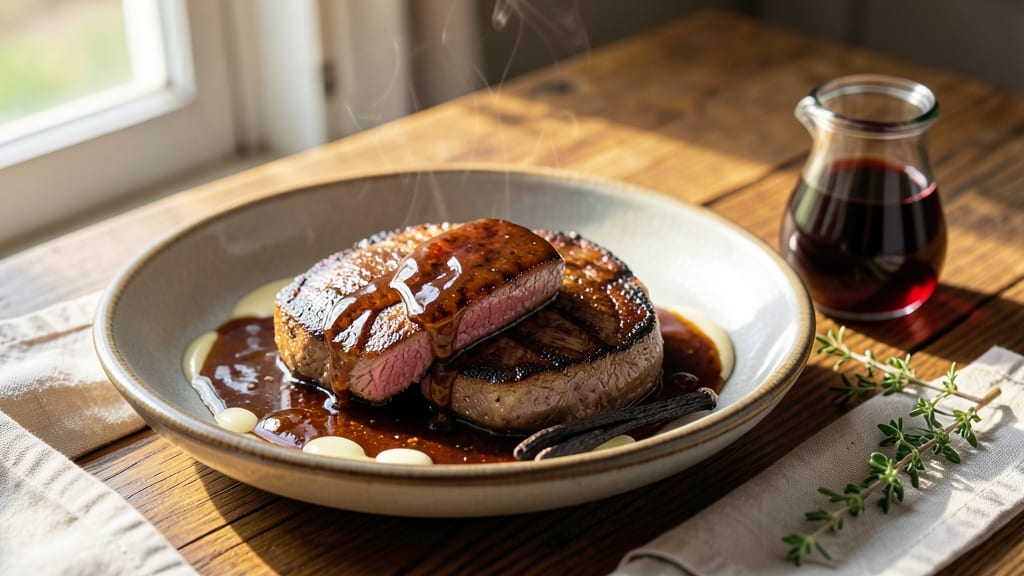
This balsamic glaze sauce recipe transforms simple ingredients into a rich, velvety reduction with deep umami notes that elevate any dish. The process is straightforward—simmering balsamic vinegar until it reduces to a glossy, syrupy consistency—but the result is restaurant-quality depth that takes ordinary meals to extraordinary.
I’ve perfected this technique over years of testing, ensuring it’s foolproof for home cooks while delivering professional-level flavor.
The magic happens in the reduction: slow simmering concentrates the vinegar’s natural sweetness and tang, creating a glossy glaze with complex layers of flavor. Unlike store-bought versions, this homemade glaze avoids artificial additives, delivering a pure, vibrant taste that pairs beautifully with meats, cheeses, salads, and even desserts.
The key is patience—letting it reduce gradually ensures a smooth, balanced sauce without bitterness.
What you’ll end up with is a versatile sauce that drizzles effortlessly over grilled steaks, fresh caprese salads, or roasted vegetables, adding a glossy finish and sophisticated flavor.
It also stores well in the fridge for up to two weeks, making it a perfect pantry staple for quick upgrades to any dish. For extra depth, consider adding a splash of red wine or a pinch of vanilla during the reduction.
Whether you’re drizzling it over a charcuterie board or using it as a glaze for roasted meats, this balsamic reduction is a game-changer. The process is simple, but the results are undeniably impressive—proof that a little time in the kitchen can make a world of difference.
Let’s get started on creating your own.
Ingredients for balsamic glaze sauce
Just eight ingredients transform into a luxurious glaze with restaurant-quality depth.
| Ingredient | Amount | Notes |
|---|---|---|
| Balsamic Vinegar 🍷 | 1 cup | High-quality aged balsamic preferred |
| Red Wine 🍷 | ½ cup | Bold dry red like Cabernet Sauvignon |
| Granulated Sugar 🍚 | ¼ cup | White or brown sugar works |
| Fresh Thyme Sprigs 🌿 | 2 whole | Or 1 tsp dried thyme |
| Vanilla Extract 🌸 | 1 tsp | Pure vanilla for depth |
| Unsalted Butter 🧈 | 2 tbsp | Cold, cut into small cubes |
| Salt 🧂 | ½ tsp | Kosher or sea salt |
| Freshly Ground Black Pepper 🌶️ | ¼ tsp | For finishing |
The balsamic vinegar is non-negotiable—look for aged balsamic vinegar (like the 25-year variety) for that rich, caramelized depth. Trader Joe's and Whole Foods carry excellent options, but any quality balsamic will work. The red wine adds umami complexity, so pick a bold, dry red like Cabernet Sauvignon or Merlot—whatever's open in your fridge. Fresh thyme sprigs infuse subtle herbal notes, but dried thyme works in a pinch (just use one-third the amount). Sugar balances the acidity, so don't skip it—white or brown sugar both work, but brown adds a hint of molasses flavor.
No red wine? Substitute beef broth or apple cider vinegar for tang, though you'll lose some depth. Short on balsamic? Dilute with a splash of water if needed, but the reduction won't be as glossy. The butter at the end is key—it emulsifies the glaze for that silky texture. Use cold butter and whisk it in at the very end for the best results. For extra richness, add a pinch of vanilla bean paste instead of extract, but pure vanilla is fine too. If you're feeling adventurous, a pinch of smoked paprika during reduction adds smoky depth.
This glaze keeps beautifully in the fridge for 2 weeks if stored in an airtight jar. For longer storage, freeze it in ice cube trays—just thaw and whisk before using. The glaze thickens as it cools, so reheat gently with a splash of water if it gets too stiff. I love drizzling it over grilled steaks or tossing it with roasted vegetables, but it's also perfect for elevating simple salads or even desserts like vanilla ice cream. Make extra—it disappears fast!
Why You'll Love This Recipe
- Simmer to Perfection: I swear by this sauce because it’s basically hands-off after the initial prep. Just toss in vinegar, wine, sugar, and thyme, then let it bubble away while you chop veggies or set the table—no stirring required. That vanilla extract at the end? Pure magic, but you’ll barely notice the work.
- Sweet-Tart Magic: The balance here is chef’s kiss—the deep, tangy balsamic and rich red wine play off the caramelized sugar, while the thyme adds this earthy warmth. Honestly, it’s the kind of flavor that makes you pause mid-bite, like, “Wait, is this actually from my kitchen?”
- Dresses Up Everything: Between us, this sauce is my lazy person’s secret weapon. Drizzle it over roasted chicken, toss it with pasta, or even glaze grilled veggies—it’s always a win. I’ve even used it to jazz up plain yogurt for a fancy-ish dip. (Yes, even on a Tuesday night.)
- Makes Leftovers Feel Fancy: A little goes a long way, and this sauce keeps for weeks in the fridge. The flavors deepen over time, so that second batch? Even better. Plus, it’s dirt cheap to make—just a handful of pantry staples—and turns basic meals into something that feels special without the effort.
Step-by-step instructions for balsamic glaze sauce
Here's how to create a rich, velvety reduction that balances sweetness and umami perfectly.
Combine Ingredients in a Saucepan
In a medium saucepan, combine the 1 cup balsamic vinegar, 0.5 cup red wine, 0.25 cup granulated sugar, and the 2 whole fresh thyme sprigs. I like to use a heavy-bottomed pan for this—it prevents scorching and helps create a smoother reduction. Stir just until the sugar dissolves completely, which should take about 2 minutes over medium heat. You'll smell the thyme releasing its aromatic oils, which will infuse into the sauce as it cooks.
This initial combination might look simple, but it's where the magic begins. The sugar will help break down the acidity of the balsamic while the wine adds depth. Keep the heat steady—too high and you'll burn the sugar before it dissolves.
Simmer Until Reduced by Half
Increase the heat to medium-high and bring the mixture to a boil. Once boiling, reduce the heat to medium-low and let it simmer uncovered for 15-20 minutes. You're looking for the sauce to reduce by about half, until it coats the back of a spoon and has thickened noticeably. The color will deepen to a rich amber, and you'll notice a concentrated aroma—this is when the flavors start to meld beautifully.
Here's the thing—don't walk away. You want to stir occasionally (about every 2-3 minutes) to prevent sticking and ensure even reduction. If it starts to smell too strong or darken too quickly, reduce the heat slightly. The goal is a glossy, syrupy consistency, not a caramelized mess.
Add Vanilla and Butter
Once the sauce has reduced, remove it from heat and let it cool slightly for 2 minutes. This prevents the butter from seizing when added. Stir in the 1 tsp vanilla extract and the 2 tbsp cold unsalted butter, cut into small cubes. The butter should melt smoothly into the sauce, creating a luxurious, velvety texture. If the sauce seems too thick, you can add 1-2 tablespoons of water to loosen it slightly—just enough to reach a pourable consistency.
The vanilla adds a subtle floral note that balances the acidity, while the butter rounds out the flavors and gives the sauce a silky finish. This is the moment that matters: the sauce should coat the back of a spoon but still flow freely when poured.
Season and Finish
Return the sauce to low heat and stir in the 0.5 tsp salt and 0.25 tsp freshly ground black pepper. Let it warm through for just 1-2 minutes—just enough to integrate the seasoning without further reduction. Taste and adjust the seasoning if needed. I often find that the pepper enhances the umami notes, while the salt brings everything into balance.
For the best results, use the sauce immediately while it's still warm. It'll thicken slightly as it cools, so if you need to reheat it later, do so over low heat and stir in a splash of water or red wine to restore its glossy texture. This glaze pairs beautifully with grilled meats, roasted vegetables, or even drizzled over fresh mozzarella for a quick appetizer.
Pro Tips For Making Balsamic Glaze Sauce
- Simmer Low and Slow: Start with medium-high heat to get the wine and vinegar boiling, but once it’s down to a syrup, drop it to the lowest setting you can tolerate. I learned this the hard way—rushing it turns the glaze bitter, and you’ll end up with a sticky mess instead of that glossy, balanced sauce.
- Strain the Thyme Early: Toss the thyme sprigs in halfway through cooking, then pull them out before the glaze thickens. After burning three batches where the herbs overpowered the dish, I now strain them out after 10 minutes—just enough to infuse flavor without turning your sauce into herbal tea.
- Balance Sugar Gradually: Add the granulated sugar in two batches: half at the start to kick off caramelization, and the rest once the mixture reduces by half. My grandmother swore by this, and she was right: dumping it all in at once risks a cloying sweetness that fights the wine’s acidity.
- Finish with Vanilla Last: Stir in the vanilla extract only in the final two minutes of cooking—it burns faster than you’d think. (Yes, even if you’re impatient like me.) This keeps its delicate aroma from turning bitter and lets it mingle with the wine’s depth instead of competing with it.
Perfect pairings for balsamic glaze sauce
Meat Pairing Perfection
This glaze transforms grilled meats into showstoppers. Drizzle 2-3 tablespoons over ribeye steaks or pork chops during the last 2 minutes of cooking for a caramelized finish. I love brushing it onto baked chicken thighs during the final 5 minutes of roasting at 400°F for a sticky, glossy crust.
For extra drama, reduce the glaze with 1 tablespoon balsamic vinegar and 1 teaspoon honey before applying—it creates a mirror-like sheen. 🔥
Cheese Board Elevation
Turn a basic cheese board into a gourmet experience by drizzling 1 teaspoon of glaze over aged cheddar, gorgonzola, or brie. The sweet-tangy contrast makes every bite unforgettable. I pair it with walnuts, dried apricots, and crusty bread for a sweet-savory balance.
For a wine-friendly touch, serve with a bold Chianti—the acidity cuts through the richness beautifully. Pro tip: Warm the cheese slightly before serving to let the glaze melt into it.
Salad Game-Changer
Skip store-bought dressings and use this glaze as a luxurious alternative. Toss 2 tablespoons with arugula, shaved fennel, and prosciutto for a Caprese-inspired salad. The reduction’s depth replaces the need for heavy oils.
I also drizzle it over roasted beet salads with goat cheese—the earthy sweetness of beets pairs perfectly with the glaze’s acidity. For a twist, add 1 teaspoon lemon zest to the glaze before drizzling for brightness. ✨
Vegetable Gloss
Roasted vegetables deserve this glaze’s attention. Toss caramelized Brussels sprouts, asparagus, or mushrooms with 1 tablespoon of glaze after roasting. The reduction clings beautifully, adding a sweet-savory finish. I roast sweet potatoes at 400°F for 30 minutes, then drizzle with glaze and toasted pecans for crunch.
For a vegan option, omit the butter and whisk in 1 teaspoon olive oil at the end.
Dessert Surprise
Who says balsamic glaze is just for savory dishes? Drizzle 1 teaspoon over vanilla ice cream or warm berry compote for a sweet-tart contrast. The acidity cuts through the richness, making every bite refreshing.
I also use it to glaze honey-baked pears—simmer pears in 1 cup apple juice with 1 cinnamon stick, then drizzle with glaze before serving. For a boozy twist, add ½ teaspoon orange liqueur to the glaze before drizzling. 💫
Bread & Brunch
Transform toast into a gourmet brunch staple by spreading 1 teaspoon of glaze on sourdough or brioche. Top with crumbled feta, cherry tomatoes, and fresh basil for a Mediterranean-inspired open-faced sandwich.
For French toast, brush the glaze onto egg-soaked bread during the last 30 seconds of cooking for a sticky, caramelized finish. Pair with maple syrup for a sweet-savory combo that’s irresistible.
Nutrition facts
Frequently asked questions
Can I make this balsamic reduction without wine?
Replace the 0.5 cup red wine with 0.5 cup beef broth or apple cider vinegar for tang. For depth, add 1 teaspoon soy sauce or a pinch of smoked paprika to mimic wine's umami. The glaze will still turn out rich, though the flavor profile will be slightly different.
How do I fix a glaze that's too thick or too thin?
If your glaze is too thick, whisk in 1 teaspoon water or red wine at a time until it reaches a pourable consistency. For a thinner glaze that needs body, simmer it uncovered for 5-10 more minutes to reduce further. The ideal texture should coat the back of a spoon but still flow freely when drizzled.
What's the best way to store leftover glaze?
Transfer to an airtight jar and store in the fridge for up to 2 weeks. For longer storage, freeze in ice cube trays—thaw and whisk before use. The glaze thickens as it cools, so reheat gently with a splash of water or wine to restore its glossy texture.
Can I use this glaze on raw vegetables?
While it's delicious on cooked vegetables, avoid using it directly on raw veggies like carrots or celery—it won't cling well. Instead, toss it with roasted or blanched vegetables (like Brussels sprouts or asparagus) for the best adhesion and flavor pairing. For salads, drizzle it over greens after they're dressed.
What's the secret to getting that glossy, restaurant-style finish?
The key is patience and proper reduction. Simmer uncovered until reduced by half, then whisk in the cold butter at the very end—this emulsifies the glaze for that silky sheen. For extra shine, add 1 teaspoon honey during the reduction or brush with a tiny bit of neutral oil before serving.