
Sauces & Condiments
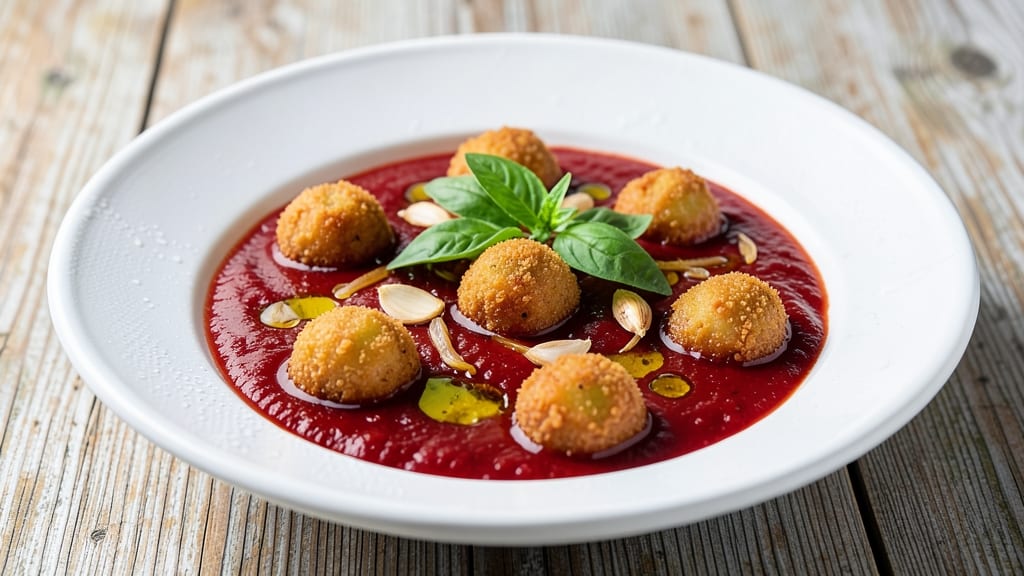
This Ball seasoned tomato sauce recipe transforms simple canned tomatoes into a rich, aromatic sauce packed with herbs, garlic, and warm spices—perfect for pasta, pizza, or dips. The secret lies in slow simmering to develop deep, layered flavors without overpowering the natural sweetness of the tomatoes.
The sauce starts with a classic base of canned tomatoes, tomato paste, and aromatics like onion and garlic, then builds complexity with a blend of dried herbs and spices—oregano, basil, thyme, and a touch of red pepper flakes for subtle heat.
Simmering low and slow allows the flavors to meld into a velvety, well-balanced sauce that’s far more nuanced than store-bought.
What makes this sauce truly versatile is its adaptability—use it as a quick marinade, a rich pasta sauce, or even a bold dip for garlic bread. The texture is smooth yet vibrant, with just the right balance of acidity and sweetness, making it a staple for any home cook.
Best of all, this recipe delivers restaurant-quality results in under 30 minutes of active time, with minimal prep. Once you taste the difference, you’ll never reach for jarred sauce again. Let’s get started.
Ingredients for ball seasoned tomato sauce
Eleven ingredients transform canned tomatoes into restaurant-quality sauce with bold spice harmony.
| Ingredient | Amount | Notes |
|---|---|---|
| Canned San Marzano Tomatoes 🍅 | 28 oz | Crushed or diced, high-quality preferred |
| Tomato Paste 🍅 | 2 tbsp | Squeeze tube or canned, no sugar added |
| Yellow Onion 🧅 | 1 whole | Medium size, finely diced |
| Garlic Cloves 🧄 | 4 cloves | Fresh, minced or grated |
| Dried Oregano 🌿 | 1 tsp | Italian or Mediterranean variety |
| Dried Basil 🌿 | 1 tsp | Or 1 tbsp fresh basil leaves |
| Dried Thyme 🌿 | ½ tsp | Or 1 tsp fresh thyme leaves |
| Red Pepper Flakes 🌶️ | ½ tsp | Adjust for heat preference |
| Ground Black Pepper 🌶️ | ½ tsp | Freshly ground preferred |
| Sea Salt 🧂 | 1 tsp | Diamond Crystal or kosher |
| Extra-Virgin Olive Oil 🫒 | 2 tbsp | For richness and balance |
San Marzano tomatoes are the gold standard here—their sweetness and low acidity make all the difference. Trader Joe's and Whole Foods carry them year-round, but any high-quality canned tomatoes work in a pinch. The tomato paste? Squeeze tubes are perfect for this recipe—no waste, and they keep for months. For the aromatics, fresh garlic and onion are non-negotiable; pre-minced garlic lacks the depth. If you're short on time, pre-diced onions from the store save steps without sacrificing flavor. The dried herbs should be recent—check the date on the package. If it's been open for more than 6 months, toss it and buy fresh.
No dried oregano? Fresh marjoram at half the amount works beautifully. Short on basil? Swap for dried marjoram or thyme, but reduce to 0.25 tsp. The red pepper flakes can be omitted entirely for a mild sauce, or doubled for heat lovers. Olive oil quality matters—use something fruity and peppery, like California extra-virgin. For an even deeper flavor, toast the dried herbs in the olive oil for 30 seconds before adding the onions. The tomato paste can be thinned with a splash of water if it feels too thick, but trust the recipe—it's designed to blend seamlessly.
This sauce tastes even better the next day as the flavors meld. Store in an airtight container in the fridge for up to 5 days, or freeze for 3 months in portion-sized containers. For freezing, leave a 1-inch headspace to prevent ice crystals. Reheat gently on the stove or microwave until steaming. The sauce thickens as it cools, so add a splash of water or broth if it feels too stiff after reheating. Portion into ice cube trays for perfect single-use servings—ideal for quick pasta sauces or pizza toppings.
Why You'll Love This Recipe
- Five-Ingredient Magic: I swear by this combo—San Marzano tomatoes, a spoon of paste, and a pinch of oregano. That’s it. No fancy techniques, just a pot and 20 minutes of your life.
- Deep Umami Boom: The tomato paste caramelizes into something rich, while the garlic and onion build layers of warmth. Honestly, it’s the kind of sauce that makes you pause mid-bite and think, "Wait, is this even real?"
- Pasta Party Host: This sauce turns into lasagna, marinara, or a quick weeknight dinner with crusty bread. I’ve used it for all three—even as a pizza base—and it never lets me down.
- Fridge Goldmine: A big batch lasts me a week, and it only gets better as the flavors meld. Between us, I’d rather have this in my fridge than takeout—it’s that good, and it costs a fraction.
Step-by-step instructions for Ball seasoned tomato sauce
Here's how to build deep, complex flavor layer by layer in one pot.
Sauté Onion and Garlic Until Translucent
Heat the 2 tablespoons extra-virgin olive oil in a medium saucepan over medium-low heat. Add the 1 whole yellow onion, finely diced, and cook for 5-6 minutes until soft and translucent. You'll know it's ready when the edges start to turn slightly golden—this prevents bitterness in the finished sauce.
Add the 4 cloves garlic cloves, minced, and cook for another 30 seconds until fragrant. Don't let the garlic brown—it burns quickly and turns bitter. Keep the heat at medium-low throughout this step to ensure gentle cooking. The onion should release its sweetness without caramelizing too much, creating the perfect aromatic base.
Stir in Tomato Paste and Spices
Reduce the heat to low and add the 2 tablespoons tomato paste, stirring continuously for 1-2 minutes until it fully dissolves and coats the onions. This step develops the sauce's depth by creating a rich, concentrated flavor base before adding liquid.
Add the 1 teaspoon dried oregano, 1 teaspoon dried basil, 0.5 teaspoon dried thyme, 0.5 teaspoon red pepper flakes, 0.5 teaspoon ground black pepper, and 1 teaspoon sea salt. Stir well to distribute the spices evenly. The herbs should bloom gently—you'll notice their aromas intensifying as they warm through. This is where the sauce's signature herbal complexity begins to form.
Simmer Tomatoes Until Thickened
Pour in the 28 ounces canned San Marzano tomatoes, crushing any large pieces with your wooden spoon. Bring the mixture to a gentle simmer over medium heat, then reduce to low and let it cook uncovered for 20-25 minutes. Stir occasionally to prevent sticking and ensure even cooking.
As the sauce simmers, it will thicken naturally as the water content evaporates. You're looking for a consistency that coats the back of a spoon but isn't gluey. The acidity from the tomatoes will balance the richness of the olive oil, while the spices meld together. Taste after 15 minutes—this is when you can adjust seasoning if needed. The sauce should be vibrant, with bright tomato flavor and a subtle heat from the red pepper flakes.
Finish with Final Seasoning Check
Once the sauce has thickened to your preferred consistency, taste and make any final adjustments. You might need a pinch more salt or a sprinkle of red pepper flakes to achieve the perfect balance of bold spice and herb harmony. The sauce should be rich but not overly heavy, with distinct layers of flavor from each ingredient.
Remove from heat and let it sit for 5 minutes to allow the flavors to fully meld. This resting period is crucial—it lets the sauce settle and intensify. The final product should be smooth, with a deep red color and a complex aroma that combines sweet tomatoes, aromatic herbs, and a gentle warmth from the spices. Serve immediately over pasta, or store in an airtight container in the refrigerator for up to 5 days for even better flavor development.
Pro Tips For Making Ball Seasoned Tomato Sauce
- CRUSH THE ONIONS: Start by slicing the yellow onion paper-thin—almost like translucent sheets—then cook them in olive oil at medium-low heat until they’re golden and caramelized, not brown. I used to rush this, and the sauce always tasted raw and sharp afterward. Give them 10-12 minutes, stirring occasionally, and resist the urge to crank the heat.
- BLOOM THE PASTE: Cook the tomato paste in the same pot for 3-4 minutes before adding anything else—just until it darkens slightly and releases its deep, concentrated flavor. Skipping this step means you’re just stirring in a thick, uncooked glop that’ll cling to your sauce like a dull aftertaste. Sounds weird, but it works.
- SIMMER LOW AND SLOW: Once the tomatoes and aromatics are in, bring the sauce to a gentle simmer immediately—not a rolling boil—and let it cook uncovered at the lowest heat that keeps tiny bubbles breaking the surface. I learned this the hard way: boiling it turns the sauce watery and dulls the oregano’s punch. Patience here makes the difference.
- SALT IN LAYERS: Add half the total salt (about 1 tsp per 28 oz can) right after the tomatoes go in, then taste and adjust again at the end. The acidity in San Marzanos makes it easy to undersalt early on, but the flavor evolves as it cooks. Trust your taste buds—they’ll guide you better than a rigid recipe.
Pro cooking tips for this dish
Low-and-Slow Simmering
This sauce thrives on patience—simmering at low heat for 20-25 minutes lets the flavors develop depth without burning. I use a medium saucepan with a lid nearby to cover if needed, but keep it uncovered to let excess moisture evaporate.
The key is maintaining a gentle bubble, not a rolling boil. If your sauce reduces too quickly, add 1-2 tablespoons water to maintain consistency. 🌡️
Herb Blooming Technique
Toast the dried herbs in the olive oil for 30 seconds before adding onions—this releases their essential oils and intensifies their flavor. I like to sprinkle them directly into the hot oil and stir constantly.
Fresh herbs can be added at the end instead, but dried ones need this step to wake up their aromas. The oregano and basil should smell vibrant and earthy, not bitter. 🌿
Tomato Paste Trick
Stirring the tomato paste into the onions for 1-2 minutes before adding liquid creates a flavor bridge that deepens the sauce. Think of it as a flavor multiplier—it concentrates the umami and sweetness before the tomatoes dilute it.
For extra richness, I sometimes add ½ teaspoon sugar here to balance acidity, but it's optional. The paste should dissolve completely into the oil. 🍅
Consistency Control
If your sauce thickens too much, thin it with 1-2 tablespoons water or tomato juice while simmering. For a smoother texture, blend half the sauce with an immersion blender before mixing back in.
I prefer a slightly rustic finish, so I skip blending entirely—it keeps the sauce's natural body. The ideal consistency coats the back of a spoon but still flows easily. ✨
Acidity Balance
Taste your sauce after 15 minutes of simmering—this is when you can adjust seasoning. If it tastes too acidic, add a pinch of sugar or a splash of heavy cream (just 1 tablespoon) to round out the flavors.
For more depth, a ½ teaspoon balsamic vinegar adds complexity. The red pepper flakes should add gentle heat, not overpower. 🌶️
Resting for Flavor
Letting the sauce rest for 5 minutes off the heat allows the flavors to meld completely. This is when the spices settle and the acidity mellows. I often make a big batch and let it sit overnight—the flavors become even more harmonious.
For immediate use, just stir and serve, but the longer it rests, the better it tastes. 💫
Nutrition facts
Frequently asked questions
Can I use fresh tomatoes instead of canned for this sauce?
Fresh tomatoes work but require extra prep and time. You'll need about 4-5 large fresh tomatoes (peeled, seeded, and diced) to match the 28 oz canned tomatoes. The sauce will be slightly less consistent since fresh tomatoes have more water content. For best results, roast the tomatoes first to concentrate their flavor—toss halved tomatoes on a baking sheet at 400°F for 20 minutes before using.
How can I make this sauce spicier or milder?
For extra heat, add 1 teaspoon cayenne pepper or 1 chopped fresh chili with the other spices. For a milder version, reduce the red pepper flakes to ¼ teaspoon or omit them entirely. You can also blend in 1 tablespoon honey or ½ teaspoon sugar to balance any heat. Taste as you go—adjust gradually!
Can I make this sauce in a slow cooker or Instant Pot?
For a slow cooker, combine all ingredients and cook on low for 4-5 hours or high for 2-3 hours, stirring occasionally. For an Instant Pot, sauté onions and garlic first, then add remaining ingredients and cook on high pressure for 10 minutes. Natural release is key—don't skip this step! The sauce will thicken more in both methods, so thin with water or broth if needed.
What's the best way to store leftover sauce?
Store in an airtight container in the fridge for up to 5 days. For freezing, portion into 1-cup containers (leave 1-inch headspace) and freeze for up to 3 months. Thaw overnight in the fridge, then reheat gently on the stove. The sauce thickens when chilled—add a splash of water or broth when reheating. For quick portions, freeze in ice cube trays!
Why does my sauce taste too acidic?
Acidity comes from canned tomatoes—balance it by adding ½ teaspoon sugar, 1 tablespoon heavy cream, or ½ teaspoon balsamic vinegar. Simmering longer (up to 30 minutes) also reduces acidity as moisture evaporates. If using fresh tomatoes, roasting them first helps mellow the natural acidity. Taste after 15 minutes to adjust early!