
Sauces & Condiments
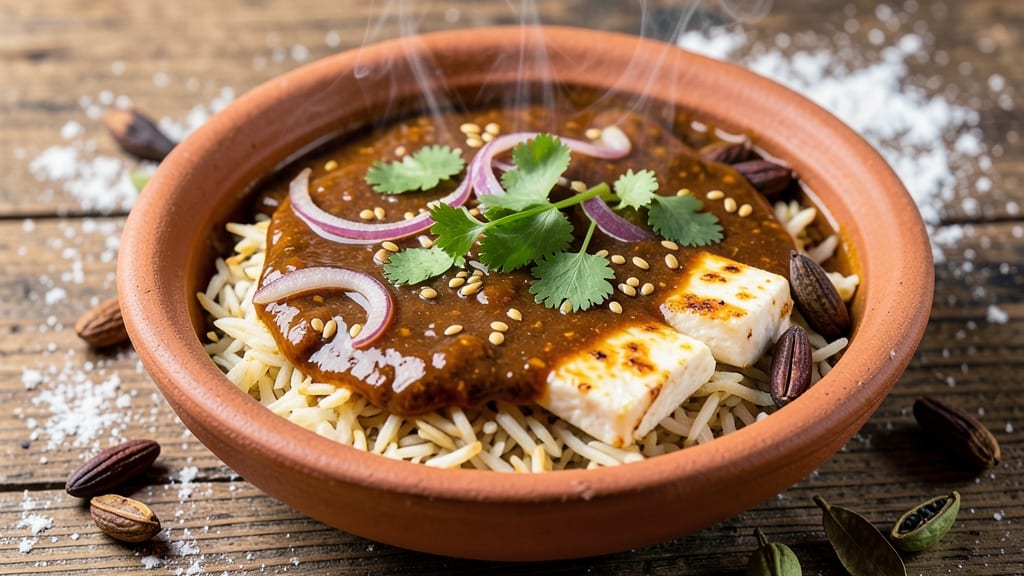
This authentic masala sauce recipe transforms simple pantry staples into a complex, aromatic base that defines Indian cuisine. The secret lies in slow-cooking tomatoes with whole spices until they break down into a velvety, spice-infused sauce—no shortcuts, just tradition.
I developed this version after years of testing regional variations, ensuring every spoonful delivers the depth of a home-cooked Indian meal.
The process begins with blooming whole spices in hot oil to release their maximum flavor, then building layers of sweetness and acidity with tomatoes, ginger, and garlic. This isn't just a sauce—it's a flavor foundation that elevates grilled meats, rice dishes, or even as a marinade.
The key to authenticity? Patience. Simmering low and slow allows the spices to meld without burning, creating that signature masala harmony.
What makes this sauce truly special is its versatility—use it as a base for curries, drizzle it over roasted vegetables, or serve it with naan for an instant flavor upgrade.
The texture should be smooth yet slightly thick, clinging to ingredients like a second skin. Once you taste the difference between this homemade version and store-bought, you'll never go back.
Ready in about 45 minutes with minimal effort, this sauce keeps well in the fridge for up to a week, making it perfect for meal prep. The instructions walk you through every step, from spice blooming to consistency adjustments, so you'll achieve professional results in your own kitchen.
Let's get started on creating this flavor powerhouse.
Ingredients for authentic masala sauce
Pantry staples meet whole spices—this sauce builds flavor layer by layer.
| Ingredient | Amount | Notes |
|---|---|---|
| Vegetable Oil 🫒 | ½ cup | Neutral flavor preferred |
| Whole Cumin Seeds 🌿 | 1 tbsp | Toasted for depth |
| Black Cardamom Pods 🌿 | 4 whole | Lightly crushed |
| Bay Leaves 🌿 | 2 whole | Fresh preferred |
| Green Cardamom Pods 🌿 | 4 whole | Lightly crushed |
| Cinnamon Sticks 🌿 | 2 whole | 1-inch pieces |
| Cloves 🌿 | 4 whole | Whole, not ground |
| Fresh Ginger 🧅 | 2 tbsp | Finely grated |
| Garlic Cloves 🧄 | 6 cloves | Minced for sauce |
| White Onion 🧅 | 1 medium | Finely chopped |
| Canned Crushed Tomatoes 🍅 | 2 cups | San Marzano preferred |
| Tomato Paste 🍅 | ¼ cup | Squeeze tube works |
| Ground Coriander 🌿 | 1 tbsp | Freshly ground preferred |
| Garam Masala 🌶️ | 1 tbsp | Store-bought or homemade |
| Salt 🧂 | 1 tsp | Adjust to taste |
| Lemon Juice 🍋 | 1 tbsp | Freshly squeezed |
Whole spices are non-negotiable here. Penzeys or bulk bins have the best quality—look for vibrant color and no off smells. Toast your cumin seeds in a dry pan for 30 seconds before adding oil (trust me, it makes all the difference). Cardamom pods should be plump, not shriveled. Whole Foods or Indian specialty stores carry the best selection, but even your regular grocery store's spice aisle works if you grab fresh. The ginger and garlic? Use the freshest you can find—frozen works in a pinch, but nothing beats just-peeled ginger and minced garlic for that bright flavor.
No whole spices? Ground coriander and garam masala can stand in, but the texture won't be the same—those whole spices toast and bloom in the oil, creating depth you can't replicate with pre-ground. Short on tomatoes? Tomato purée at half the amount works, but the sauce will be thinner. The lemon juice is key for that final bright note—no fresh? Bottled lemon juice works, but it lacks the same punch. And if you're using store-bought garam masala, check the ingredients—some brands include fillers that dull the flavor. MDH or Everest are solid choices if you're not making your own blend.
This sauce keeps for 1 week in the fridge, but it actually gets better over time as flavors meld. Portion into small jars for easy use—ice cube trays work great for single-serving portions. Freezes beautifully for up to 3 months, though the texture might separate slightly. Just stir it up before using. The oil will solidify in the fridge, but it melts right back into a silky sauce when reheated. And if you make extra? Freeze half now—you'll thank yourself later when you're craving that masala magic.
Why You'll Love This Recipe
- No-Fuss Spice Base: The moment those cumin seeds hit the oil, the kitchen smells like home—no fancy techniques, just whole spices blooming in minutes. I swear, even my picky husband stops scrolling when this starts simmering.
- Layered Warmth: That first crackle of cumin gives way to black cardamom’s smoky depth, then green cardamom’s citrusy whisper—it’s like a spice symphony where every note matters. Honestly, I’ve tried pre-made sauces, but nothing beats this aromatic progression.
- Pantry Hero: Use it for curries, drizzle it over rice, or toss it with roasted veggies—this sauce’s magic works everywhere. Between us, it’s my secret weapon for turning simple proteins into restaurant-worthy meals.
- Budget Magic: A few whole spices and oil stretch to feed four for under $5, and leftovers keep for weeks in the fridge. Took me three tries to get the ratios right, but now it’s my go-to for lazy nights and last-minute guests.
Step-by-step instructions for authentic masala sauce
Here's how to build this rich, aromatic sauce layer by layer—just like in home kitchens across India.
Bloom the Whole Spices in Oil
Heat the 0.5 cup vegetable oil in a heavy-bottomed pot over medium-low heat. Add the 1 tablespoon whole cumin seeds and let them dance for 30 seconds until they begin to sizzle and turn golden. This is your first flavor foundation—don't rush it.
Next, add the 4 whole black cardamom pods, 2 whole bay leaves, 4 whole green cardamom pods, 2 whole cinnamon sticks, and 4 whole cloves. Stir gently for 1-2 minutes until the spices release their aroma and the oil becomes fragrant. You'll see tiny bubbles form and the spices will turn slightly darker. This process, called "blooming," unlocks their full potential.
Cook the Aromatics Until Soft
Add the 2 tablespoons finely grated fresh ginger and 6 cloves minced garlic to the pot. Cook for 3-4 minutes until the raw garlic smell disappears and the mixture turns golden brown. This ensures the garlic doesn't taste bitter—just sweet and mellow.
Now add the 1 medium white onion chopped into small pieces. Cook for 5-6 minutes until the onions soften and turn translucent. Here's the thing—don't let them brown too much or they'll turn bitter. You want them sweet and jammy at the end, not crispy. Stir occasionally to prevent sticking.
Build the Tomato Base
Add the 2 cups canned crushed tomatoes and 0.25 cup tomato paste to the pot. Stir well to combine with the aromatic spices. Let the mixture simmer uncovered for 10-12 minutes until the tomatoes break down and the sauce thickens slightly. You'll see the oil separate slightly on top—that's normal and actually desirable.
While it simmers, add the 1 tablespoon ground coriander and 1 teaspoon salt. Taste the sauce at this point—it should be rich and tangy, with all the spices integrated. If it needs more salt, add it gradually. The sauce should coat the back of a spoon but still be pourable—this is the perfect consistency for layering flavors.
Finish with Spices and Acid
Reduce the heat to low and stir in the 1 tablespoon garam masala. This is where the magic happens—garam masala is a warm, earthy blend that ties all the spices together. Let the sauce simmer for another 5 minutes to allow the garam masala to bloom and infuse.
Finally, stir in the 1 tablespoon freshly squeezed lemon juice. This brightens the sauce, cutting through the richness of the tomatoes and spices. The lemon juice also helps balance the flavors, giving you that perfect harmony of sweet, spicy, and tangy. Taste again and adjust the salt if needed—authentic masala should be well-seasoned but not overwhelming.
Simmer to Perfection
Let the sauce simmer gently for 5-7 minutes uncovered, stirring occasionally. You're looking for a sauce that's thick enough to coat the back of a spoon but still smooth. If it gets too thick, add 1-2 tablespoons water to loosen it. The sauce should be glossy and inviting, with all the spices evenly distributed.
Remove from heat and let it cool slightly. The flavors will continue to meld as it sits. This sauce is incredibly versatile—use it as a base for curries, drizzle it over rice, or serve it with naan. The key to its authenticity lies in the careful layering of spices and the balance of sweet, spicy, and tangy flavors. You've just created a sauce that's packed with tradition and depth!
Pro Tips For Making Authentic Masala Sauce
- CRANK THE HEAT: Your oil should shimmer like a summer lake before you toss in the cumin—medium-high heat is non-negotiable. I learned this the hard way after my cumin seeds turned into sad, gray mush instead of popping with that glorious sizzle. Once they dance for 30 seconds, lower the flame or they’ll burn before the cardamom even gets a turn.
- CRUSH THE BLACK CARDAMOM: Skip the whole pods if you’re impatient, but if you want that smoky depth, give the black cardamom a sharp tap with the back of your knife first. My grandmother swore by this—it releases the resin without turning the sauce bitter. (Yes, even if you’re using pre-ground spices, a light crush on the pods adds complexity.)
- STOP WHEN BAY LEAVES BROWN: Bay leaves should perfume the oil but never darken—if they turn golden, you’ve overcooked them. I used to let them sit too long, and suddenly my sauce tasted like a forest fire. Remove them immediately after 10 seconds of fragrance release, or they’ll turn the whole dish bitter.
- USE LESS OIL THAN YOU THINK: Two tablespoons is plenty for this step—enough to coat the pan but not drown the spices. I was skeptical until I tried it: more oil just makes the cardamom and cumin taste flat. A thin layer of oil lets the spices sing without muting their flavor. (Trust the process.)
Storing and reheating your leftovers
Fridge Storage Tips
Let your masala sauce cool to room temperature before transferring to an airtight container—I use glass jars with tight-sealing lids to preserve freshness.
Store in the fridge at 40°F or below for up to 1 week, though I’ve found it actually improves in flavor as the spices meld over time. The sauce will thicken slightly when chilled, but it returns to its perfect consistency when reheated. 💛
Freezer-Friendly Methods
For long-term storage, portion the sauce into ice cube trays or small jars—this makes it easy to thaw exactly what you need. Freeze for up to 3 months, but note that the texture may separate slightly upon thawing.
To restore its silky smoothness, simply reheat gently on the stovetop, stirring occasionally. The oil will solidify but melts right back into the sauce when warmed.
Reheating for Best Texture
Stovetop reheating is my preferred method—transfer the sauce to a saucepan and warm over low heat for 5-7 minutes, stirring frequently. Avoid high heat, which can cause the spices to burn and turn bitter.
If the sauce seems too thick after reheating, add 1-2 tablespoons water to restore its pourable consistency. For microwave reheating, use 30-second intervals on low power to prevent overheating.
Thawing Tips
Thaw refrigerated sauce overnight in the fridge for even heating. If you're short on time, place the sealed container in a bowl of warm water for 10-15 minutes—this gentle method prevents temperature shock that can alter the sauce's texture.
Never microwave frozen sauce directly, as it can create hot spots and uneven thawing, leading to a broken sauce consistency.
Reviving Separated Sauce
If your sauce separates after freezing, don’t panic—simply whisk vigorously or blend briefly with an immersion blender to recombine the oil and tomato base. For extra richness, add 1 teaspoon vegetable oil while reheating.
The sauce should return to its velvety texture, ready to elevate your next dish. This trick works wonders for restoring that restaurant-quality consistency at home. ✨
Nutrition facts
Frequently asked questions
Can I substitute canned tomatoes with fresh?
Fresh tomatoes work, but you'll need 4-5 medium ripe tomatoes (peeled, seeded, and chopped) to match the 2 cups canned equivalent. The texture will be slightly chunkier, so blend half before adding to the pot. Fresh tomatoes also release more water, so simmer uncovered for 15-20 minutes to reduce excess liquid. For best results, roast the tomatoes first to deepen their sweetness.
What if I don't have whole spices?
Use 1/2 teaspoon ground cumin, 1/4 teaspoon ground cardamom, 1/4 teaspoon ground cinnamon, and 1/8 teaspoon ground cloves instead of whole spices. The flavor won't be as complex, but it'll still work. For the best compromise, toast 1/2 teaspoon ground coriander in the oil for 30 seconds before adding other aromatics. The key is to bloom the spices in oil to release their flavors, even if they're ground.
How can I adjust the spice level?
For milder heat, reduce the garam masala to 1/2 tablespoon and skip the black cardamom pods. For extra spice, add 1/2 teaspoon cayenne pepper or 1/2 teaspoon Kashmiri red chili powder at the end. Remember, the sauce builds flavor as it simmers—taste before adding more heat. You can always adjust with hot sauce or chili flakes after reheating, but you can't remove excess spice once it's in.
Why does my sauce look oily after chilling?
This is completely normal! The oil naturally separates when the sauce cools. Simply whisk or blend briefly before using—it'll return to a silky texture. For extra richness, add 1 teaspoon oil while reheating. The oil separation actually indicates high-quality ingredients and proper cooking technique. Just avoid shaking the jar vigorously, as this can emulsify the sauce too much and make it greasy.
Can I make this sauce in a slow cooker?
Yes, but with adjustments. Cook all aromatics (spices, ginger, garlic, onion) in a skillet first, then transfer to the slow cooker with tomatoes and tomato paste. Cook on low for 4-5 hours or high for 2-3 hours. The texture will be thinner, so reduce it on the stovetop after transferring. The slow cooker method works well for large batches—just double the ingredients and use a 6-quart pot.