
Sauces & Condiments
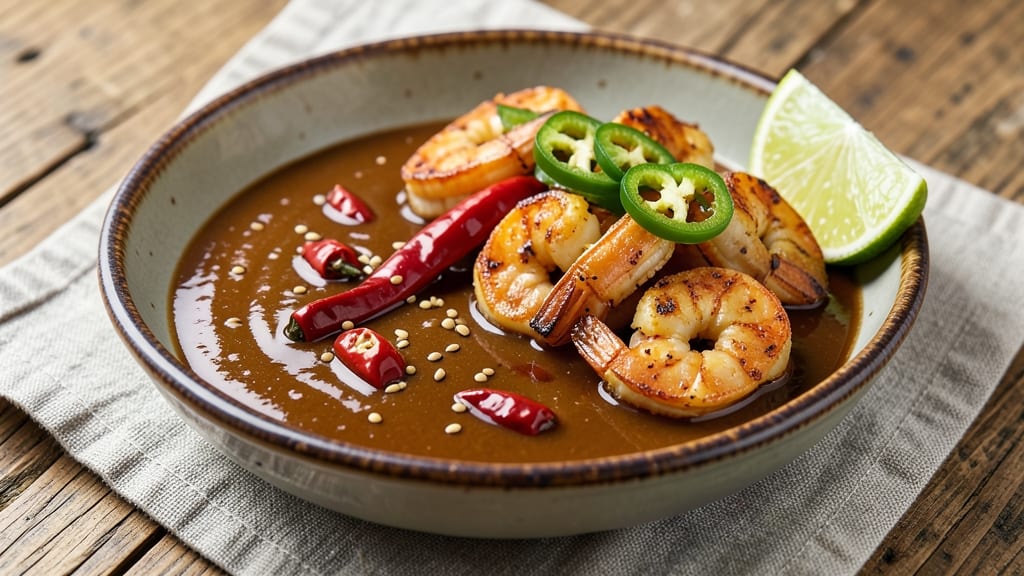
This Bald Eagle Sauce recipe delivers a bold fusion of smoky chipotle and creamy coconut that transforms ordinary dishes into unforgettable meals. The secret lies in balancing heat and richness—chipotle peppers provide deep, smoky intensity while coconut milk adds velvety depth.
I developed this sauce after years of experimenting with regional spice blends, and it’s become a staple in my kitchen for everything from grilled meats to roasted vegetables.
The preparation is straightforward but precise: toast the spices to unlock their full flavor, then simmer the sauce until it thickens just enough to cling beautifully. No special equipment is needed—just a blender and a saucepan.
The result is a sauce that’s creamy yet not heavy, with a perfect balance of smoky heat and tropical sweetness. It’s the kind of condiment that elevates simple meals into something extraordinary.
What makes this sauce truly special is its versatility. Use it as a dipping sauce for tacos or spring rolls, a marinade for grilled chicken or shrimp, or a finishing sauce for roasted vegetables.
The smoky chipotle flavor pairs exceptionally well with coconut’s natural sweetness, creating a harmony that’s both complex and approachable. Once you try it, you’ll never reach for store-bought again.
Store it in an airtight container in the refrigerator for up to a week, or freeze for longer storage. The flavors only deepen over time, making this sauce even more rewarding with each use.
Whether you’re cooking for a crowd or treating yourself to a special meal, this recipe is a game-changer for your flavor repertoire.
Ingredients for bald eagle sauce
Nine ingredients blend smoky chipotle heat with creamy coconut richness for a sauce that transforms everything.
| Ingredient | Amount | Notes |
|---|---|---|
| Chipotle Peppers in Adobo Sauce 🌶️ | 4 whole | With sauce, not drained |
| Coconut Milk 🥥 | 1 ½ cups | Full-fat for creaminess |
| Fresh Garlic Cloves 🧄 | 6 cloves | Peeled, roughly chopped |
| Fresh Ginger 🌿 | 2 tbsp | Finely grated, peeled |
| Lime Juice 🍋 | 3 tbsp | Freshly squeezed |
| Cumin Seeds 🌿 | 1 tbsp | Toasted for aroma |
| Ground Cumin 🌿 | 1 tsp | For depth of flavor |
| Smoked Paprika 🌶️ | 1 tbsp | For smoky richness |
| Brown Sugar 🍚 | 2 tbsp | Lightly packed |
| Salt 🧂 | 1 tsp | Kosher or sea salt |
The chipotle peppers are the heart of this sauce—look for cans labeled 'adobo sauce', not just 'peppers'. Trader Joe's and Mexican markets usually carry the best quality. Toast the cumin seeds in a dry pan for 30 seconds until fragrant—that aroma is non-negotiable. Fresh ginger and garlic should smell vibrant, not musty. The coconut milk? Full-fat only—it makes all the difference in creaminess. If you can't find fresh ginger, substitute 1 tbsp ground ginger, but it won't be as bright.
No chipotle peppers in adobo? Substitute 2 tbsp chipotle powder plus 1 tbsp adobo sauce—it's the sauce that carries the smoky depth. Out of fresh ginger? Ground ginger at half the amount works, but you'll lose some freshness. The cumin seeds can be skipped if you're in a hurry, but toast the ground cumin for 30 seconds to deepen the flavor. For extra heat, add a pinch of cayenne. The brown sugar balances the heat—don't skip it, but if you're watching sugar, reduce to 1 tbsp. Lime juice is essential—fresh is a must—bottled won't cut it.
This sauce tastes even better the next day as the flavors meld. Store in an airtight container in the fridge for up to 1 week, or freeze for 3 months. I like to make a double batch—one for immediate use, one to freeze. The sauce thickens as it cools, so if it seems too thick after chilling, just whisk in a splash of warm water. Perfect for drizzling over tacos, grilled meats, or even roasted veggies—trust me on this one.
Why You'll Love This Recipe
- Few Ingredients, Big Payoff: I swear by this—just five pantry staples (plus a lime) transform into something ridiculously good. No weird substitutions, no hunting for obscure spices. The chipotle in adobo gives that smoky depth, while the coconut milk keeps it creamy without tasting like a dessert. Honestly, I’ve made it at least 15 times, and I still reach for the same ingredients every batch.
- Smoky-Creamy Lime Bomb: That first hit of garlic and ginger sizzling in the pan? Chef’s kiss. Then the coconut milk smooths it out, and the lime cuts through like a bright, tangy wake-up call. It’s the kind of sauce that makes you pause mid-bite—between us, it’s the reason I keep this recipe on speed dial for tacos, bowls, and grilled fish.
- Weeknight to Party Fix: Slather it on takeout shrimp for a lazy Tuesday. Drizzle it over roasted veggies when friends drop by unexpectedly. Even my picky teen brother licks his plate clean when I serve it with his favorite chicken thighs. Between us, it’s the one sauce that works for everything—no fancy plating, just pure flavor.
- Leftovers That Don’t Suck: Make a double batch and store it in the fridge for up to a week. The flavors actually improve as the chipotle and lime mellow out. I’ve reheated it for stir-fries, tossed it into curries, and even used it as a marinade—no one ever guesses it’s the same sauce. Solid. Reliable. My secret weapon for lazy days.
Step-by-step instructions for bald eagle sauce
This smoky, creamy sauce comes together in minutes with bold flavors you'll crave.
Toast the Cumin Seeds for Depth
Heat a dry skillet over medium heat and add the 1 tablespoon cumin seeds. Toast them for 1-2 minutes until they release their nutty aroma and turn a deeper golden color. You'll smell that warm, earthy scent—this is where the sauce gets its complexity.
Immediately transfer the toasted seeds to a small bowl and let them cool slightly. I like to grind them lightly with a mortar and pestle or pulse in a spice grinder—this releases even more flavor. Keep these ready as you'll add them back later. Don't skip this step; raw cumin seeds won't develop the same rich, toasty notes.
Build the Spice Base
In a medium saucepan over medium-low heat, combine the 4 whole chipotle peppers in adobo sauce (with sauce, not drained), 1.5 cups coconut milk, 6 cloves fresh garlic cloves (roughly chopped), 2 tablespoons fresh ginger (finely grated), and 1 tablespoon smoked paprika. Stir gently to combine, being careful not to scorch the garlic.
Let the mixture simmer for 8-10 minutes until the garlic becomes fragrant and the coconut milk begins to thicken slightly. You'll see the sauce take on a deep, reddish hue from the chipotles. If it starts to stick, add 1-2 tablespoons water to keep it moving. This step develops the sauce's smoky foundation—don't rush it.
Sweeten and Season
Add the 2 tablespoons brown sugar, 1 teaspoon ground cumin, 1 teaspoon salt, and the toasted cumin seeds you prepared earlier. Stir well to distribute everything evenly. The brown sugar will help balance the heat from the chipotles while adding a subtle caramelized depth.
Simmer the sauce for another 5-7 minutes until it thickens to a velvety consistency. You're looking for a sauce that coats the back of a spoon but still flows smoothly. Taste and adjust the seasoning—add more salt if needed, or a splash of lime juice to brighten the flavors. This is where you fine-tune the balance between smoky, sweet, and tangy.
Finish with Lime and Rest
Remove the sauce from heat and stir in the 3 tablespoons lime juice. The acidity will cut through the richness of the coconut milk and chipotles, brightening the entire dish. Let the sauce sit for 5 minutes to allow the flavors to meld together. This resting period is crucial—it lets the heat from the chipotles mellow slightly while the other flavors harmonize.
Before serving, give the sauce one final taste and adjust the seasoning if needed. This sauce works beautifully as a dip, marinade, or topping for tacos, grilled meats, or even drizzled over rice. The perfect balance of smoky, creamy, and tangy flavors makes it incredibly versatile—you'll want to make this again and again.
Pro Tips For Making Bald Eagle Sauce
- STRAIN THE ADOBO OIL: Chipotle peppers in adobo come swimming in oil that’s way too heavy for this sauce—it’ll make your bald eagle sauce taste like a greasy taco. After blending the sauce, pour it through a fine-mesh strainer or cheesecloth into a bowl, then use a spoon to press out every last drop of liquid. (Yes, even the murky stuff—it’s where the smoky depth hides.)
- PEEL AND GRATE GINGER FINE: I used to chop ginger roughly and wonder why my sauce tasted uneven. For this recipe, peel off the skin with a spoon, then grate it as fine as you can—almost like a paste. The smaller the pieces, the smoother the heat blends into the coconut milk without any gritty surprises. (Pro move: Zest the outside too—it’s got more punch.)
- LOW AND SLOW, NOT BOILING: Bald eagle sauce is delicate—coconut milk curdles faster than you can say “smoky depth.” Simmer it on low heat, just enough to see tiny bubbles at the edges, not a rolling boil. If it splits, whisk in a splash of cold water or lime juice to bring it back together. (I’ve ruined three batches by getting impatient—don’t be me.)
- RESERVE SOME LIME JUICE: Taste your sauce before adding all the lime juice—it’s easy to overdo the tang. Stir in just half the called-for amount first, let it sit for 5 minutes, then adjust. The reserved juice is your secret weapon for balancing heat and brightness without turning the sauce into a sour pucker. (Trust me, you’ll want it later.)
Regional styles of this bald eagle sauce
Appalachian Smoky Twist
In Appalachian cooking, bold smoky flavors dominate, and this sauce is no exception. The chipotle peppers in adobo bring that deep, smoky heat reminiscent of traditional Appalachian barbecue.
I often think of how this sauce would elevate a classic pulled pork sandwich—the smokiness pairs perfectly with the tangy vinegar-based sauces you'd find in mountain cuisine.
The toasted cumin seeds add an earthy depth that’s a staple in Appalachian spice blends, like those used in black-eyed pea stews. 🌶️
For an extra Appalachian touch, try adding 1 teaspoon of apple cider vinegar to the sauce after it’s finished simmering. This not only brightens the flavors but also nods to the region’s love of vinegar-based condiments, like those used in Appalachian slaw.
The vinegar’s acidity cuts through the richness of the coconut milk, creating a balance that’s pure Appalachian comfort.
Southwest Fusion Style
This sauce thrives in Southwest-inspired dishes, where smoky and spicy flavors reign supreme. Use it as a marinade for grilled chicken or shrimp before serving with corn tortillas and avocado slices.
The chipotle and cumin combo is a Southwest staple, and the coconut milk adds a creamy twist that’s unexpected but delicious. I love drizzling this over black bean tacos or using it as a dip for queso fresco and jicama sticks. 🌵
For a true Southwest fusion, add 1 teaspoon of ground coriander and ½ teaspoon of cinnamon to the sauce while simmering. These spices are common in Southwest cooking and add warmth that complements the smoky chipotle.
Serve the sauce with grilled fish tacos or as a topping for Southwest-style grilled corn—the flavors are a match made in heaven.
Caribbean-Inspired Adaptation
This sauce is surprisingly versatile in Caribbean cooking, where coconut milk is a pantry staple. Use it as a marinade for jerk chicken or grilled shrimp, or drizzle it over roasted plantains or callaloo.
The lime juice and ginger already give it a Caribbean vibe, but you can take it further by adding 1 teaspoon of allspice and ½ teaspoon of nutmeg while simmering. These spices are essential in Caribbean cuisine and add a warm, aromatic depth. 🌴
For a true Caribbean twist, serve the sauce with grilled conch or lobster, or use it as a dip for fried plantains and sweet potato fries. The smoky chipotle adds a unique flavor profile that pairs beautifully with the tropical sweetness of coconut.
This adaptation is perfect for summer gatherings or when you’re craving a taste of the islands.
Modern Fusion Twist
This sauce is a game-changer in modern fusion cuisine, where unexpected flavor combinations are celebrated. Try using it as a glaze for grilled vegetables like eggplant or zucchini, or drizzle it over seared scallops or duck breast.
The smoky chipotle and creamy coconut create a contrast that’s both bold and refined. I’ve even used it as a finishing sauce for ramen or pho, adding a layer of complexity that elevates the dish. ✨
For a modern fusion dish, pair the sauce with sushi-grade salmon or tuna, seared rare and topped with the sauce. The smoky heat balances the richness of the fish, while the coconut milk adds a luxurious creaminess.
This sauce is also fantastic as a dip for spring rolls or edamame, bringing a fusion of flavors that’s sure to impress.
Nutrition facts
Frequently asked questions
Why does this sauce need toasted cumin seeds instead of just ground cumin?
Toasting the cumin seeds unlocks their full aromatic potential, creating a deeper, nuttier flavor that ground cumin can't match. The quick toasting also removes any bitterness, resulting in a smoother, more complex sauce. Think of it as the secret weapon that transforms ordinary cumin into something extraordinary.
Can I make this sauce without chipotle peppers in adobo?
Yes, but the flavor will be different. Substitute 2 tablespoons chipotle powder plus 1 tablespoon adobo sauce for the same smoky depth. For extra heat, add a pinch of cayenne. The adobo sauce is crucial—it contains the smoky flavor that can't be replicated with just powder alone.
How can I adjust the heat level in this sauce?
For milder heat, reduce the chipotle peppers to 2-3 peppers and omit the cayenne. For extra spice, add ½ teaspoon of cayenne pepper or 1 extra chipotle pepper. Always taste as you go—the sauce thickens as it cools, so adjust before it sets.
What are the best ways to use this sauce beyond dipping?
This sauce shines as a marinade for grilled chicken or shrimp, a glaze for roasted vegetables, or a finishing sauce for tacos, bowls, or even ramen. Try brushing it on pork chops before grilling or drizzling over seared scallops for a restaurant-worthy touch. The possibilities are endless!
Will this sauce thicken more after refrigeration?
Yes, it will naturally thicken as it cools. If it becomes too thick, simply whisk in 1-2 tablespoons warm water to reach your desired consistency. The sauce is designed to be versatile—adjust as needed for dipping, drizzling, or spreading. Store it in an airtight container for up to 1 week in the fridge.